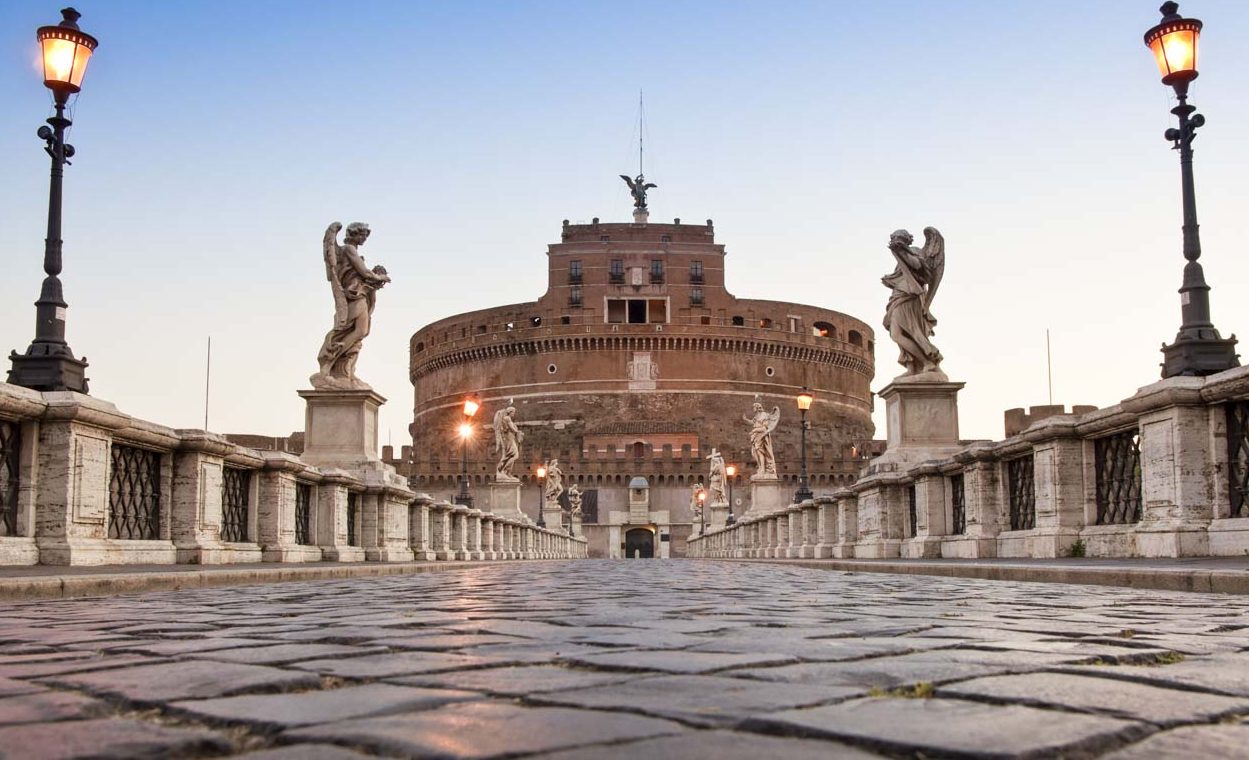

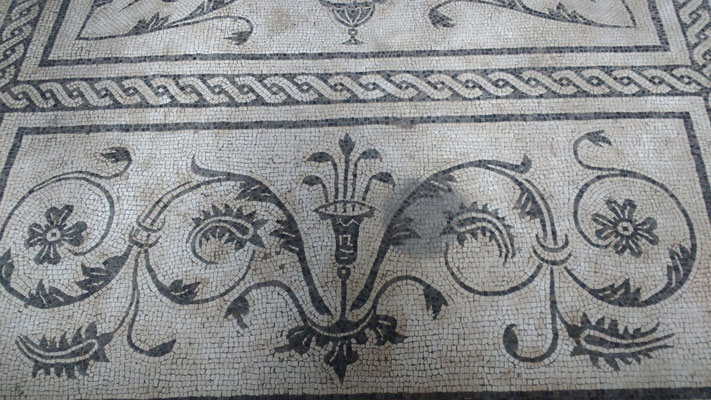
Ostia is the archaeological site in the world with the largest number of stone mosaics.
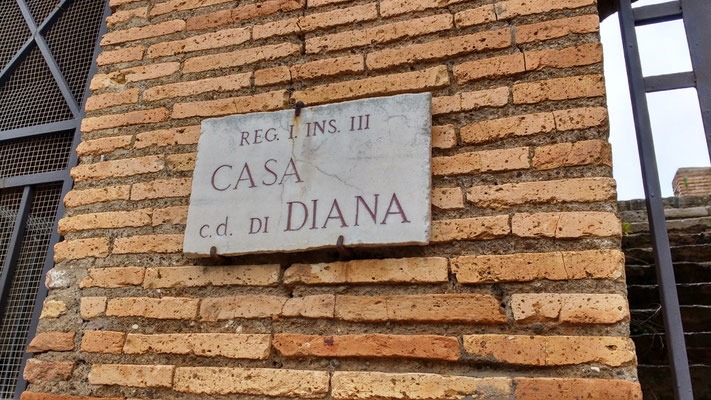
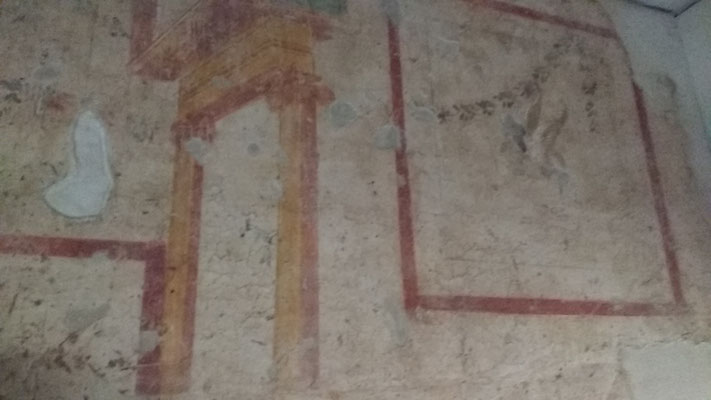
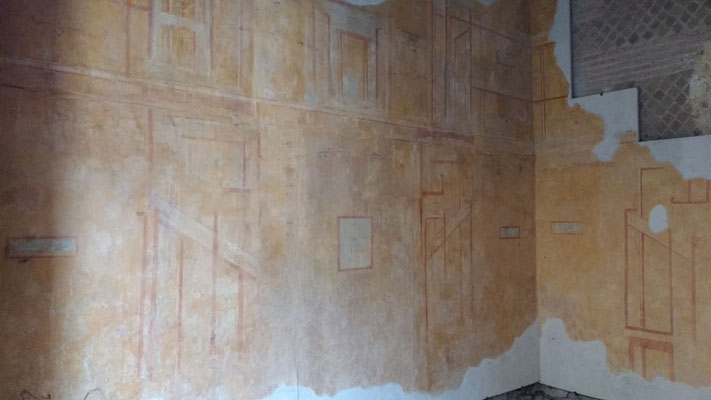
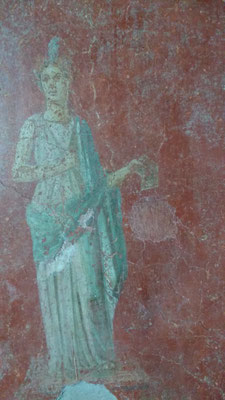
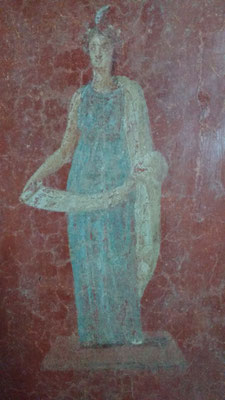
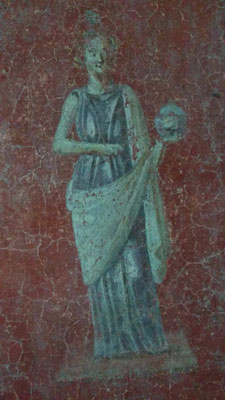
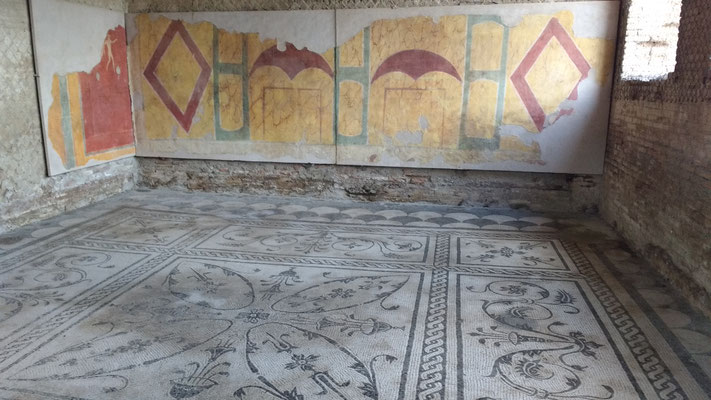
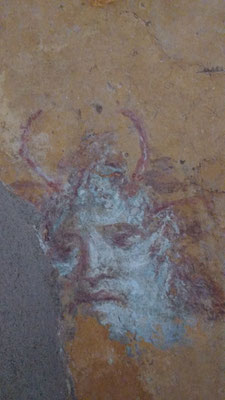
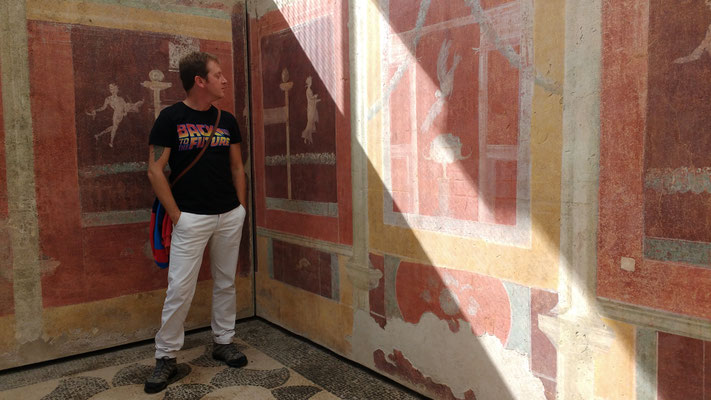
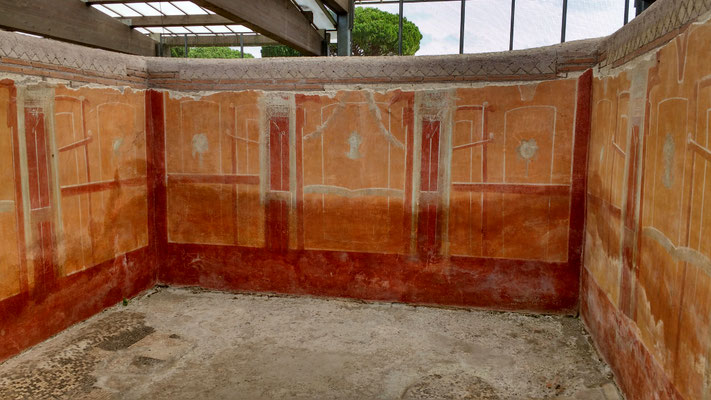
However, not many people have a chance to see the ancient but still well preserved frescoes inside the houses in Ostia Antica, the oldest seaport of Rome, 20 kms south-west of the historic centre.
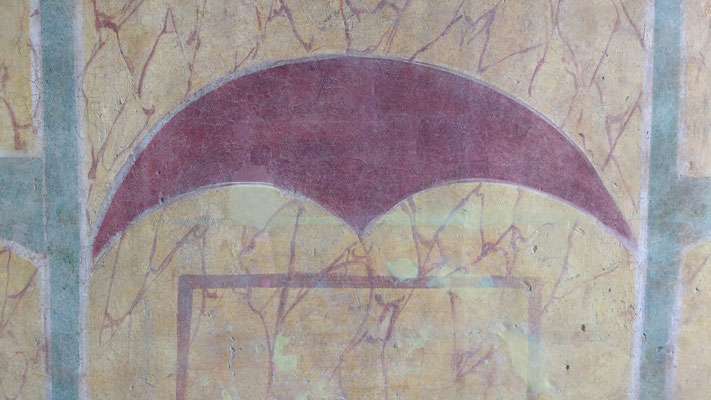
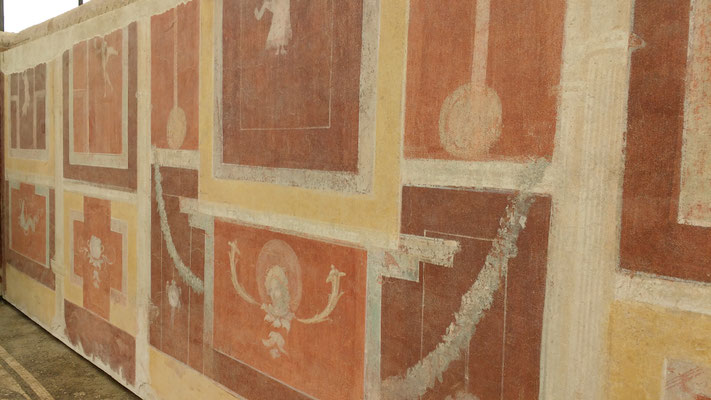
Frescoes were produced by experienced and talented artists who painted on wet plaster letting the natural colours being absorbed and becoming part of the wall. This technique had been invented by the Greeks and adopted by the Romans; later during the Renaissance artists painted recalling this classical art.
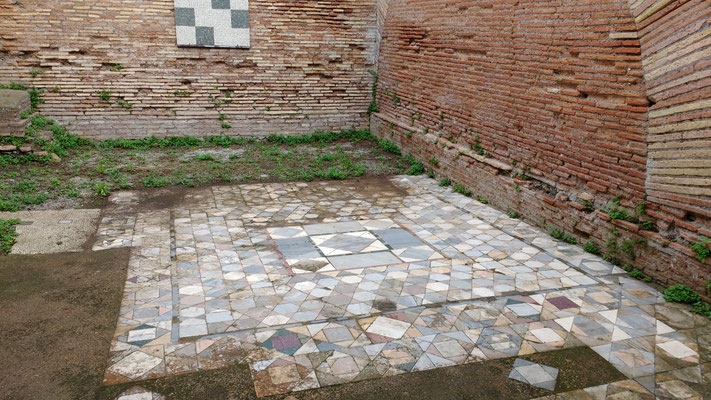
The wealthy Romans loved to embellish their houses (Domus) with warm colours as red and yellow but here you can also find bright blue and green over the sides of the rooms to enrich the atmosphere with sophistication. Both geometrical patterns and mythological stories widespread over the empire, according to the leading fashion. The floors were usually in stone mosaic work or geometrical in-laid marble and the glass windows let the light in shining over those artistic masterpieces.
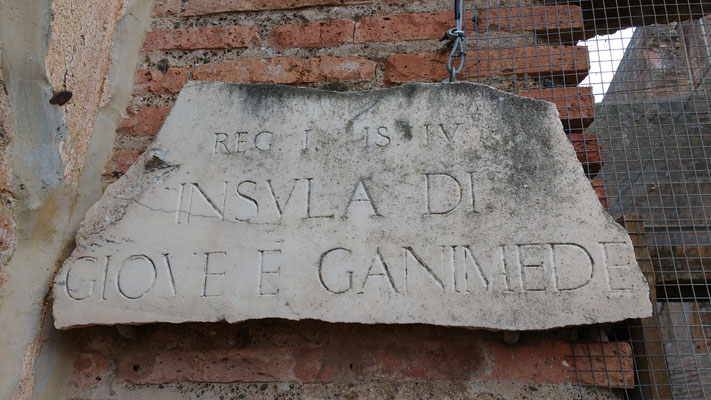
Even some blocks with condominiums (Insulae) where the working class lived used to have rooms and courtyards with colorful walls and story-telling.
Walking around these places full of history and stories I realize how modern these people were in their research of beauty and harmony between nature and architecture.
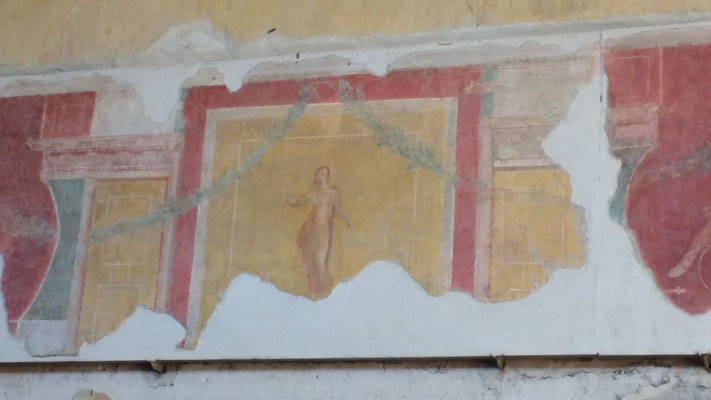
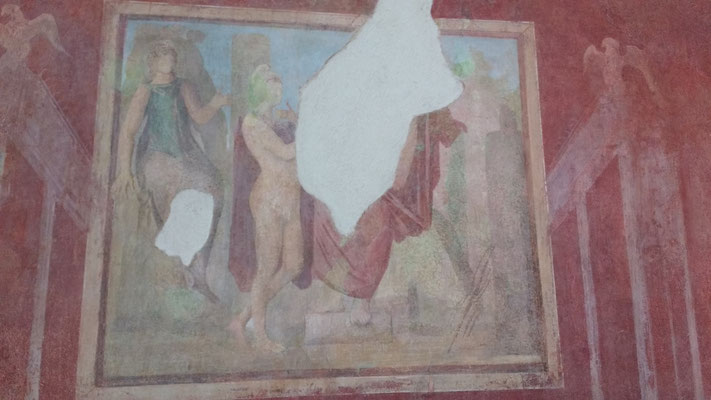
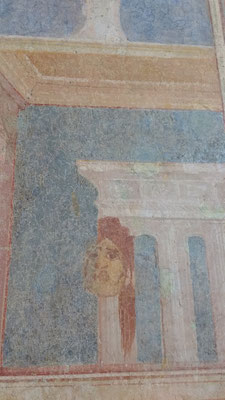
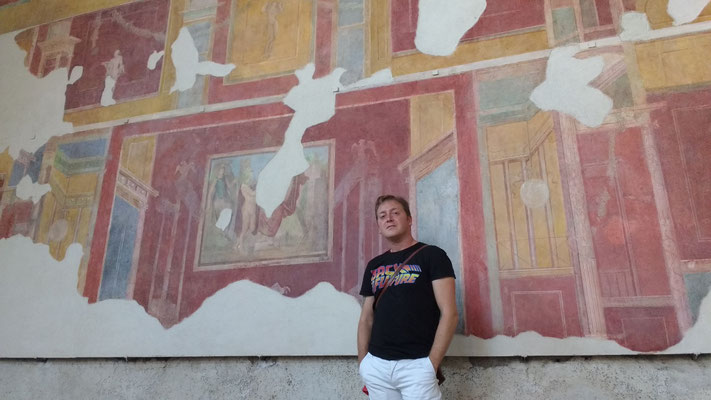
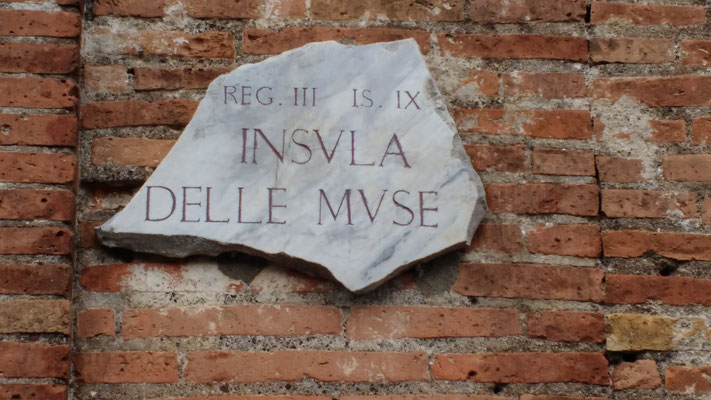
Apollo and Mnemosine had nine daughters, the Muses patron of arts: Clio for history, Euterpe for lyric, Thalia for comedy, Melpomene for tragedy, Tersicore for dancing, Erato for love poetry, Polimnia for ritual and sacred hymns, Urania for astronomy, Calliope for epic poetry

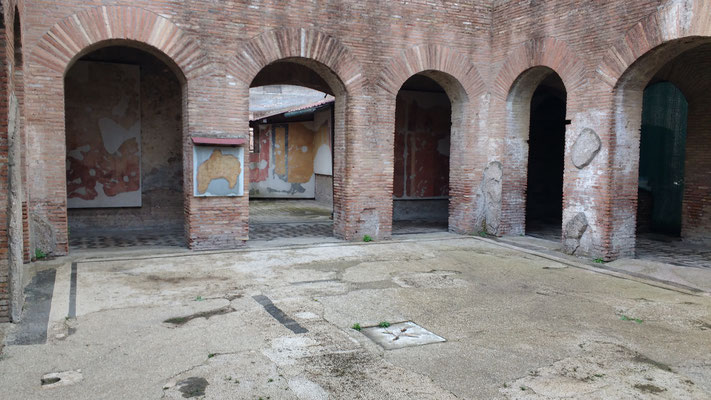
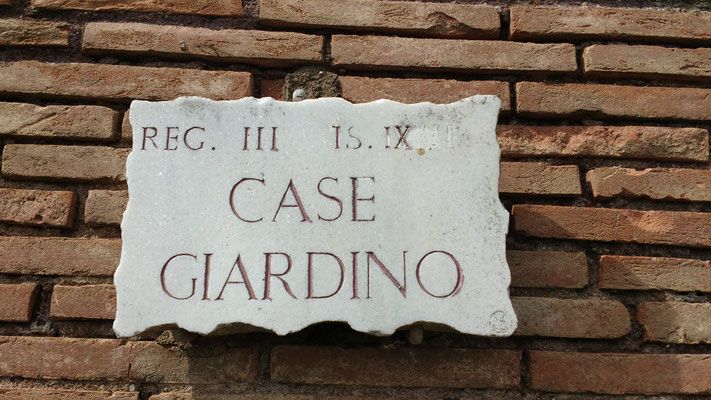
The Decorated Houses can be visited every Sunday morning at 10.30 joining a free guided tour in Italian. Reservation required emailing the site at pa-oant.domusostia@beniculturali.it including names of participants, a phone number and specifying in the subject APERTURA CASE DECORATE DEL (date)
 Maurizio Rome Guide