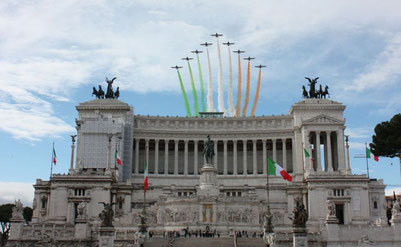

The Vittoriano National Monument was built to celebrate the 50th anniversary of the Italian Unification (1861) and is also known as the Altar to Fatherland. Its construction started in 1885, was inaugurated in 1911 but was only completed in 1935 after 50 years of work. The Monument was designed by Giuseppe Sacconi and completed after his death by Gaetano Koch, Manfredo Manfredi and Pio Piacentini, father of the famous architect Marcello.

Il Monumento Nazionale del Vittoriano fu costruito per celebrare il 50 ° anniversario dell'Unità d'Italia (1861) e inaugurato nel 1911. La sua costruzione iniziò nel 1885 e fu completata solo nel 1935. Il Monumento fu progettato da Giuseppe Sacconi e completato da Gaetano Koch, Manfredo Manfredi e Pio Piacentini, padre del famoso architetto Marcello.
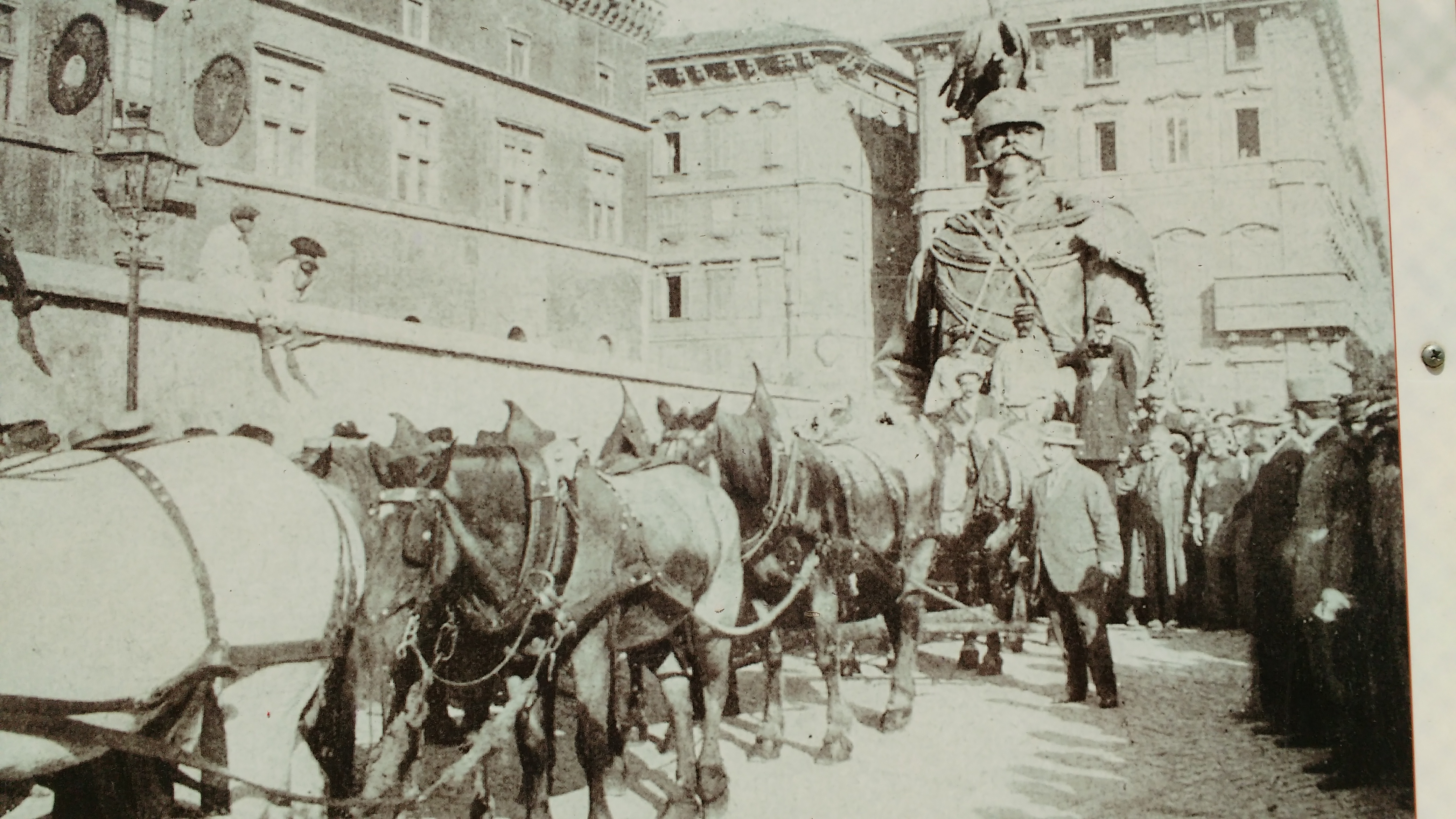
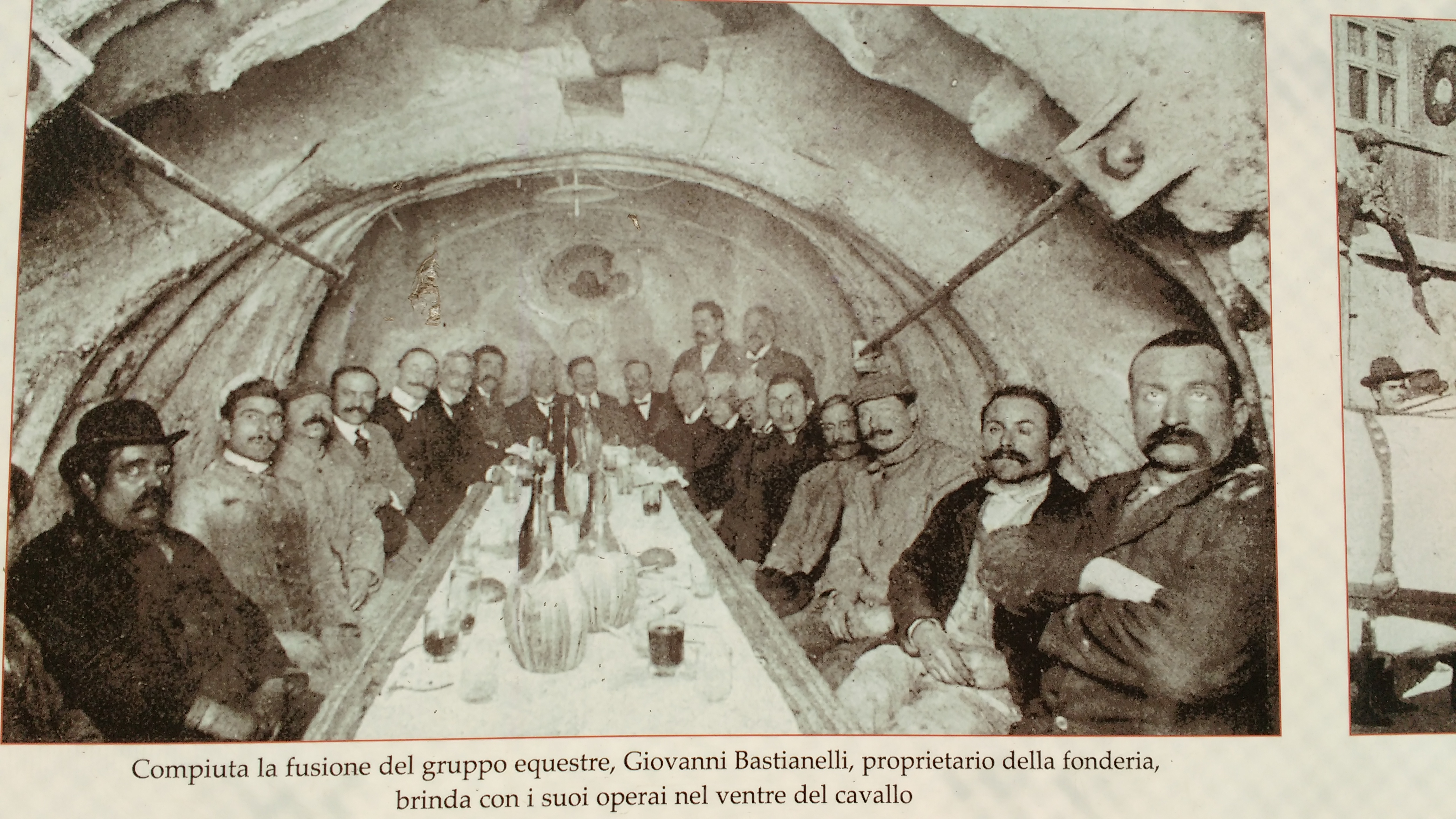
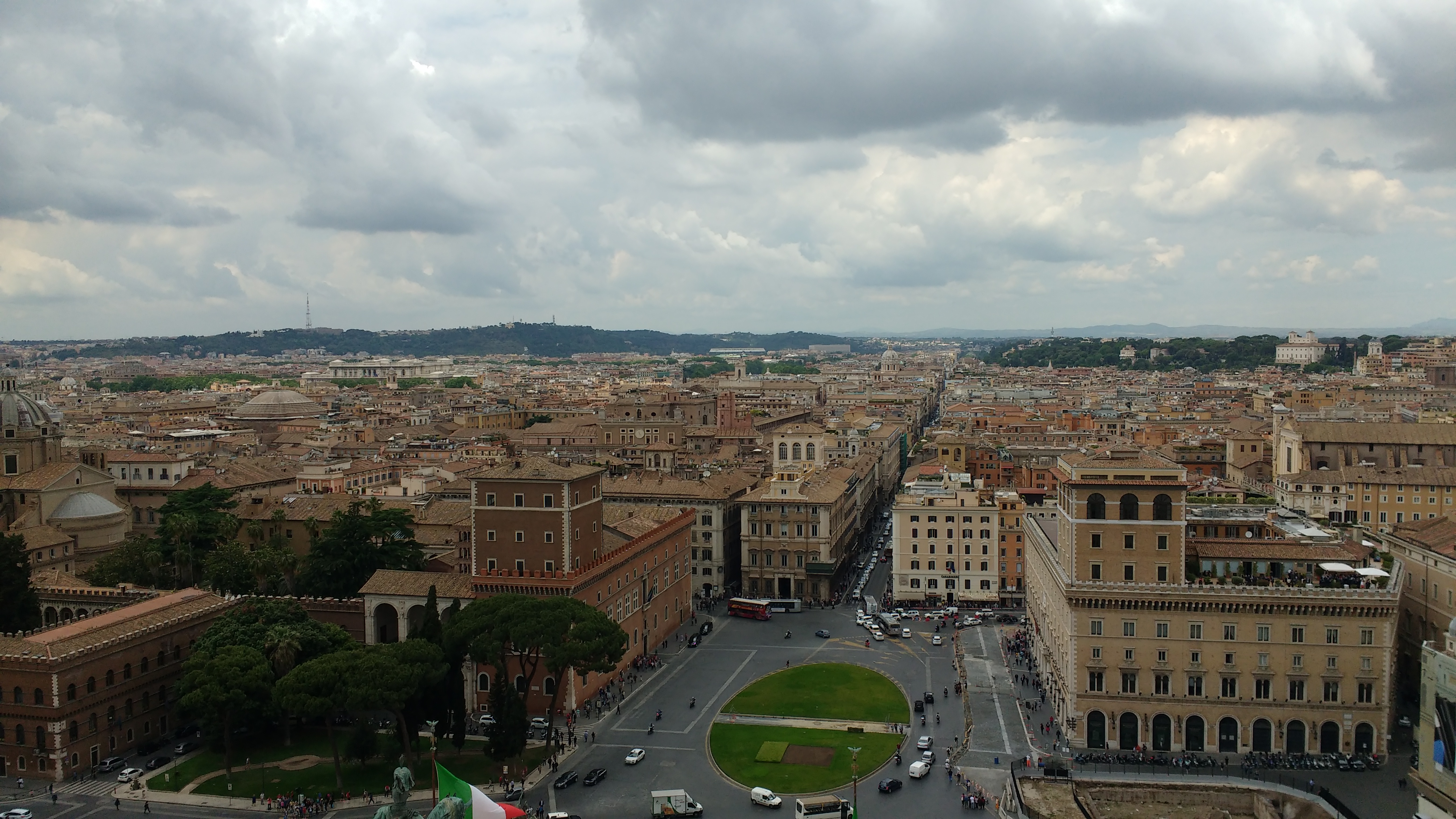
It is in the main square of Rome, Piazza Venezia, and celebrates the first king of Italy and the new born country, unified after the war won by the national hero Giuseppe Garibaldi and his red-shirt troops against Pope Pius IX and the French troops arrived to protect the Pontifical State. King Victor Emmanuel II is represented as the man riding the horse in the centre, the biggest bronze statue in the world (12 mts high and 10 mts long, designed by Emilio Gallori and big enough to host twenty workers who were able to drink and sit around a table inside the horse’s belly!)
Si trova nella piazza principale di Roma, Piazza Venezia, e celebra il primo re d'Italia, unificato dopo la guerra vinta dall'eroe nazionale Giuseppe Garibaldi e le sue truppe in maglia rossa contro Papa Pio IX e i francesi giunti a protezione dello Stato Pontificio . Il re Vittorio Emanuele II è rappresentato come l'uomo che cavalca il cavallo al centro, la più grande statua in bronzo del mondo (alta 12 metri e lunga 10 metri, disegnata da Emilio Gallori e grande abbastanza da ospitare venti operai che hanno potuto bere e sedersi intorno a un tavolo dentro la pancia del cavallo!)

Before 1861 Italy was a puzzle of independent states and kingdoms and the Pope was the religious and political leader of the Pontifical State with Rome being its capital where he lived as a king owning several residences and palaces. Power was in the hands of the clergy and the noble families who sponsored their members to become cardinals and popes to gain more political influence and favor their business.
Prima del 1861 l'Italia era un puzzle di stati e regni indipendenti e il Papa era il capo religioso e politico dello Stato Pontificio con Roma come capitale dove visse come re possedendo diverse residenze e palazzi. Il potere era quindi nelle mani del clero e delle famiglie nobili che sponsorizzavano i loro membri perché diventassero cardinali e papi per ottenere maggiore influenza politica e favorire i loro affari.
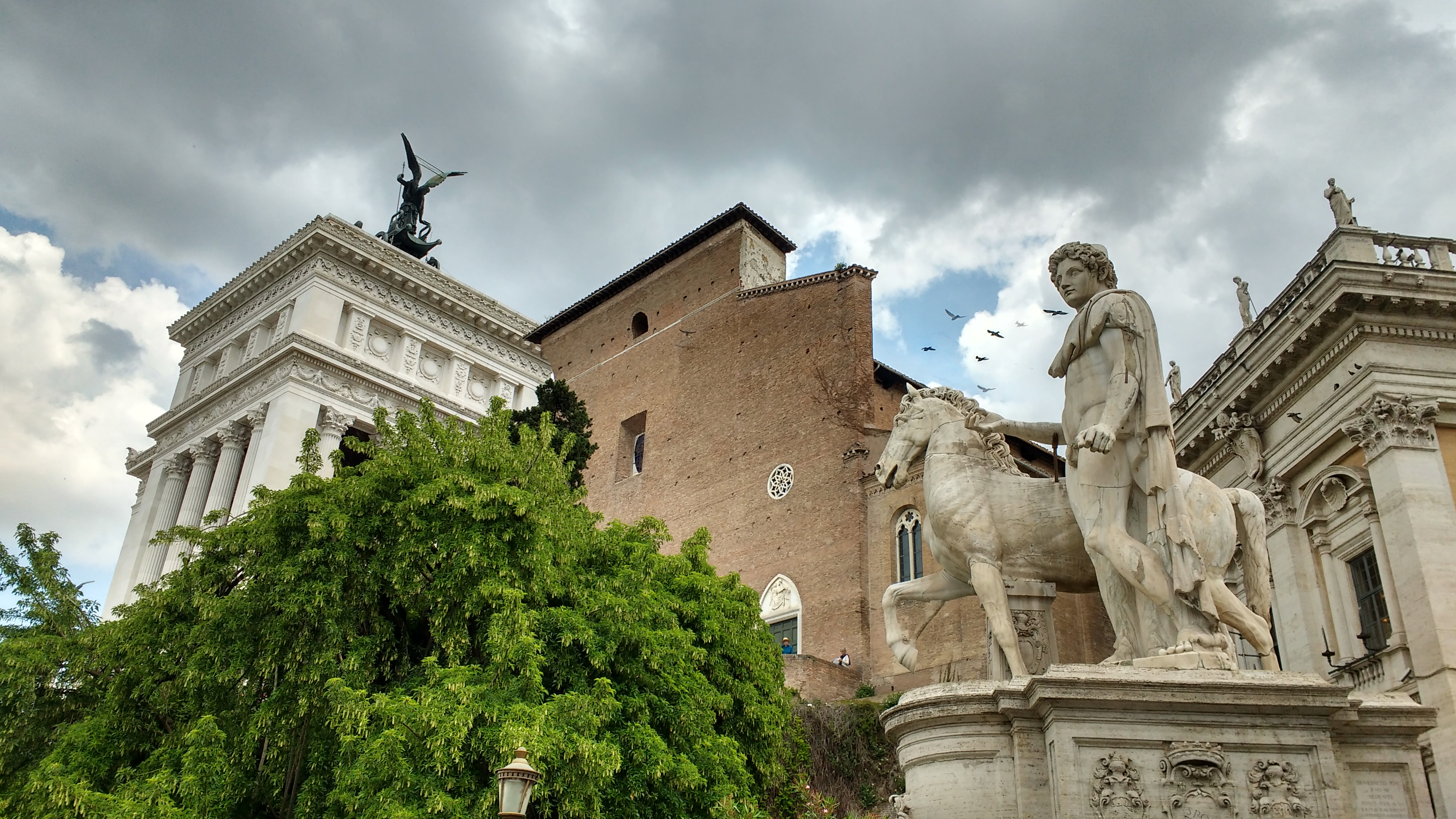
In the 1800s a wind of democracy blew over the world coming from the ideals of the French Revolution, spreading ideals of patriotism, freedom and social equality. Young Italians, tired of secular arbitrary power of the Church, joined the cause of the Savoy royal family and the army of Giuseppe Garibaldi who aimed to make a modern ley state based on a territorial Italian identity without pre-established privileges for the ecclesiastical and aristocratic classes.
Nell'Ottocento soffiò nel mondo un vento di democrazia proveniente dagli ideali della Rivoluzione francese, diffondendo ideali di patriottismo, libertà e uguaglianza sociale. I giovani italiani, stanchi del potere secolare arbitrario della Chiesa, si unirono alla causa della famiglia reale sabauda e all'esercito di Giuseppe Garibaldi che mirava a fare un moderno ley state basato su un'identità territoriale italiana senza privilegi prestabiliti per l'ecclesiastico e l'aristocratico classi.
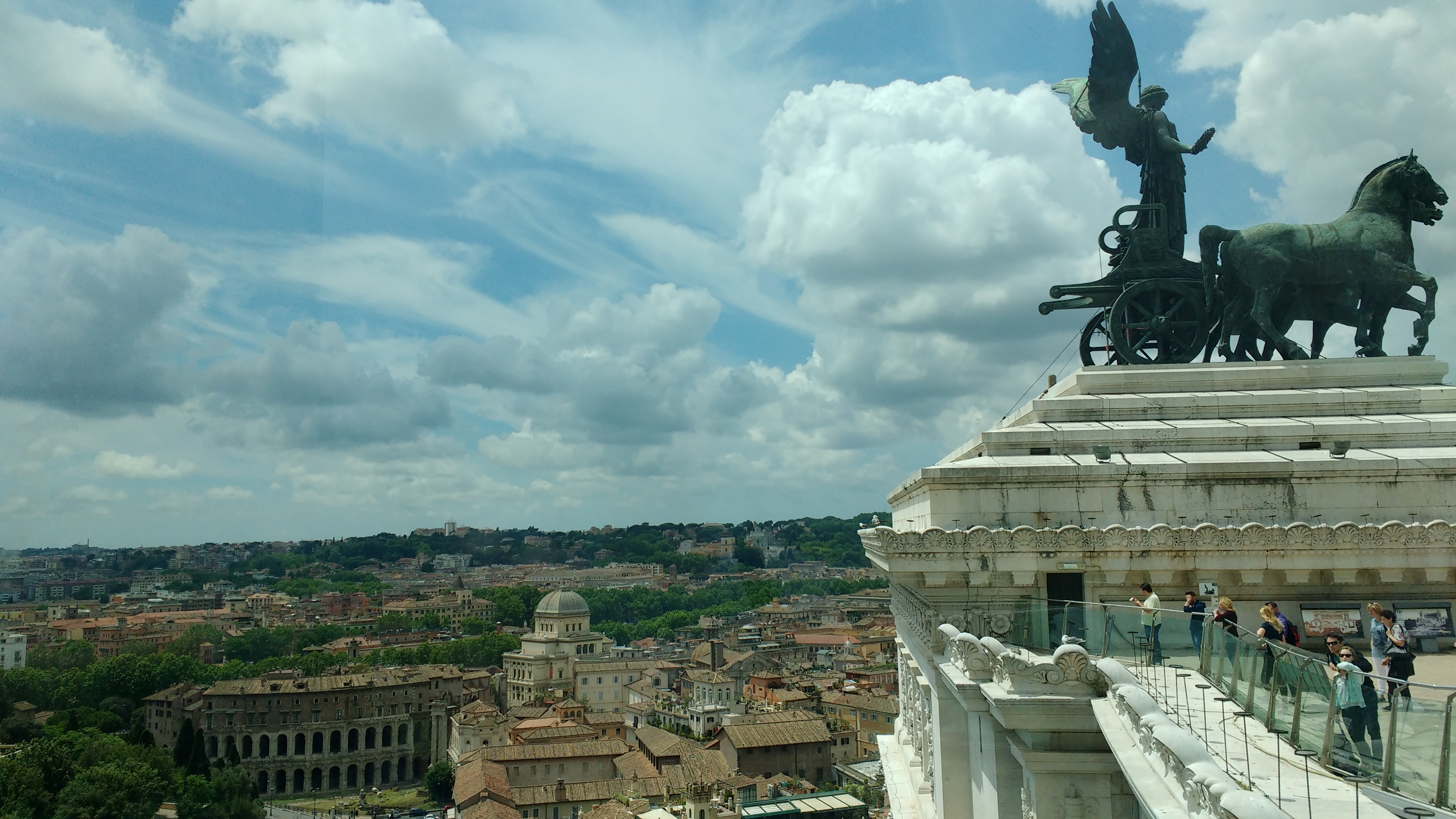
The monument clearly recalls the ancient architecture in the columns, capitals, the two bronze chariots with Victories (representing Unity by Carlo Fontana and Freedom by Paolo Bartolini) and in the many marble statues representing allegories of Italian virtues and values (Strength, Action, Sacrifice, Concorde, Laws, etc). Others are personifications of the Tyrrhenian and Adriatic Seas, Italian regions and cities.
Il monumento richiama chiaramente l'architettura antica nelle colonne, nei capitelli, nei due carri di bronzo con le Vittorie (visibili dalle colline della città) e nelle numerose statue in marmo che rappresentano allegorie delle virtù e dei valori italiani (Forza, Azione, Sacrificio, Concorde, Leggi, ecc.). Altri sono personificazioni del Mar Tirreno e Adriatico, regioni e città italiane.

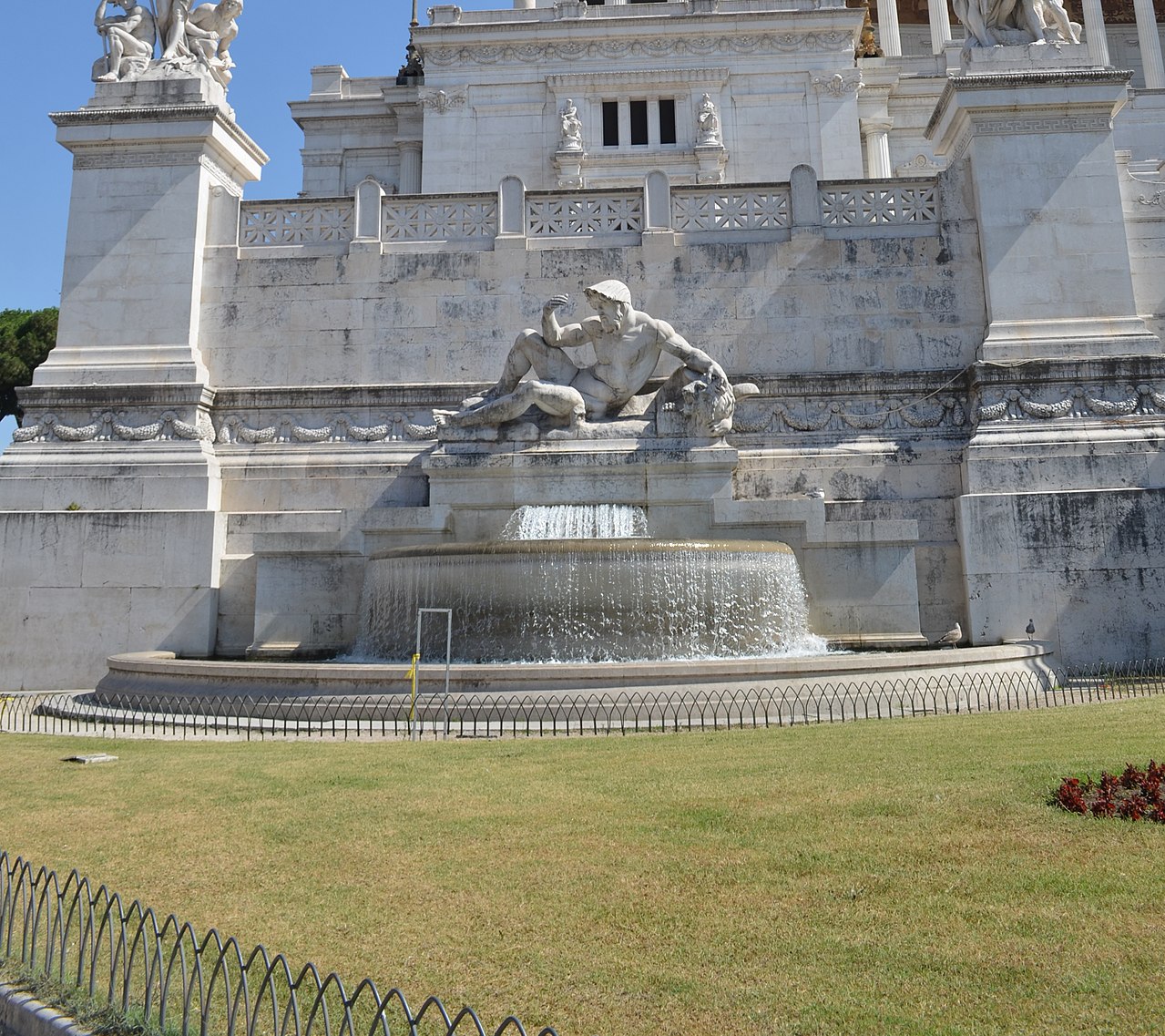

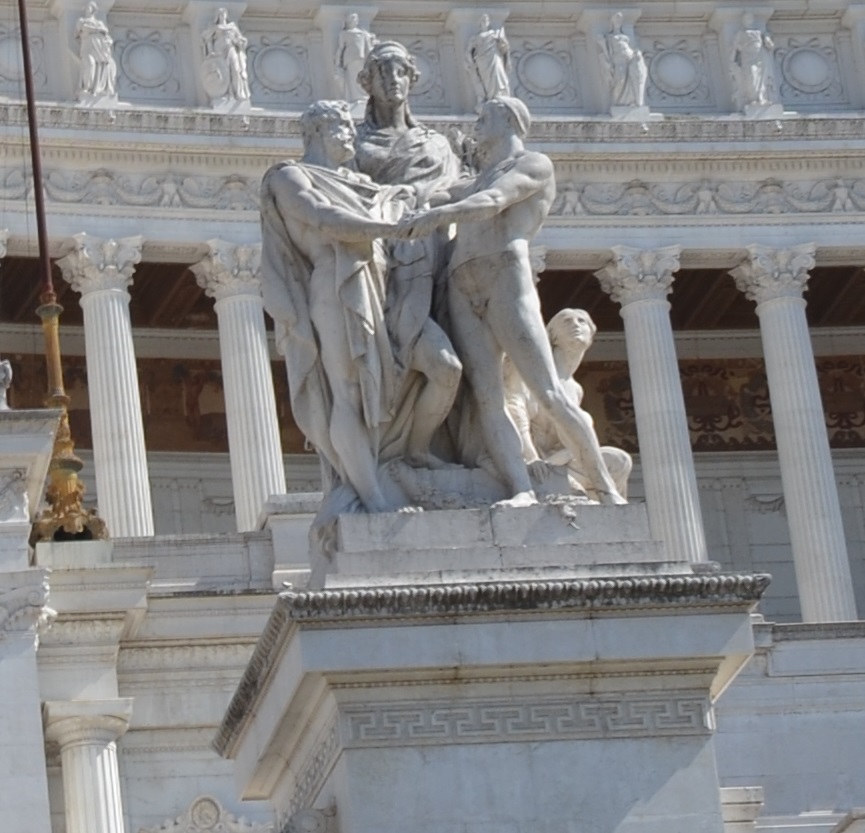
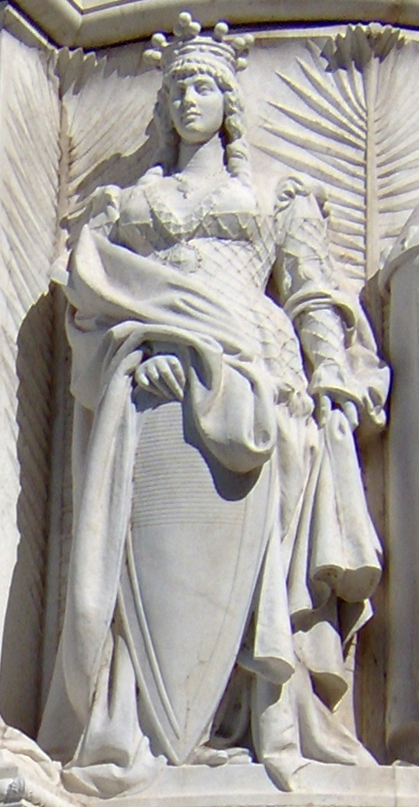
I personally like the monumental style of the project and the general redesign and enlargement of the square which aims to celebrate the ‘Third Rome’ even if a lot of Romans have found its proportions inappropriate to the city and to the ancient background: a huge amount of historical buildings were torn down during its construction that luckily are still visible in the first b&w pictures.
Personalmente mi piace lo stile monumentale del progetto e il generale ridisegno e ampliamento della piazza che mira a celebrare la 'Terza Roma' anche se molti romani hanno trovato le sue proporzioni inadeguate alla città e allo sfondo antico: una quantità enorme di edifici storici furono abbattuti durante la sua costruzione che per fortuna sono ancora visibili nelle prime foto in bianco e nero
It is the tallest monument in Rome (81 mts) not considering the Dome of St Peter (133 mts) which is in the Vatican State that is a different country officially established in 1929, 68 years after the Unification of Italy and 17 years before the fall of the Savoy Kingdom and the birth of the modern Italian Republic, a lay state without an official religion based on the same ideals of liberty, brotherhood and equality.
È il monumento più alto di Roma (81 metri) senza considerare la Cupola di San Pietro (133 metri) che si trova nello Stato del Vaticano che è un paese diverso ufficialmente istituito nel 1929, 68 anni dopo l'Unità d'Italia e 17 anni prima Caduta del Regno di Savoia e nascita della moderna Repubblica Italiana, uno stato laicale senza religione ufficiale fondato sugli stessi ideali di libertà, fratellanza e uguaglianza.
This massive monument hosts a museum dedicated to the Independence of Italy (Risorgimento) and the tomb of the Unknown Soldier from World War I, the body of an unidentified soldier arrived on Nov 2nd 1921 and representing the sacrifice of many during the Great War.
Questo imponente monumento ospita un museo dedicato all'Indipendenza d'Italia (Risorgimento) e la tomba del Milite Ignoto della prima guerra mondiale, il corpo di un soldato non identificato che rappresenta il sacrificio di molti durante la guerra.
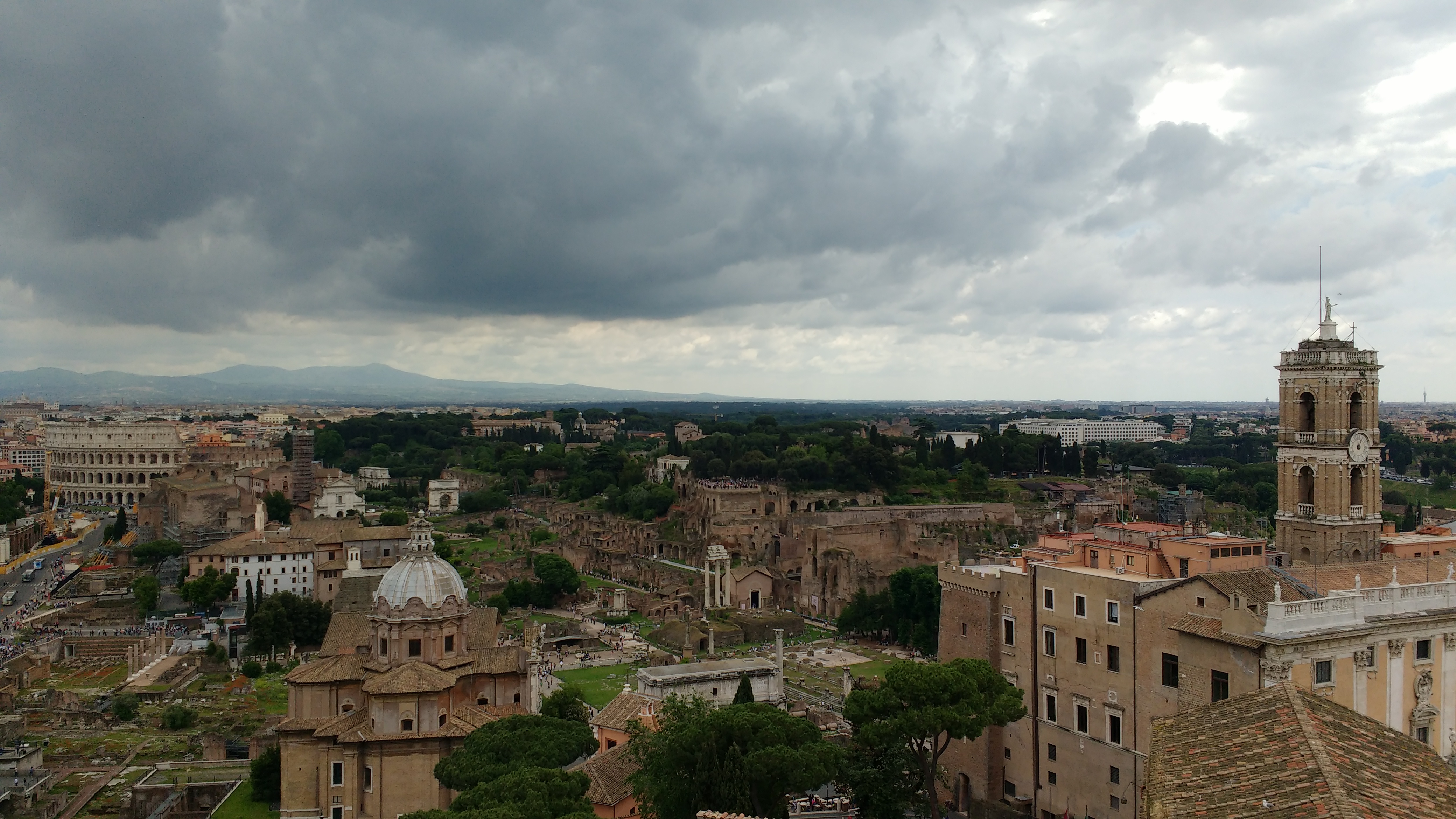
Take the glass elevator to the panoramic terrace of the Vittoriano to enjoy a magnificent view of the Eternal City..
Prendete l'ascensore di vetro fino alla terrazza panoramica del Vittoriano per godere di una magnifica vista sulla Città Eterna..

 Maurizio Rome Guide