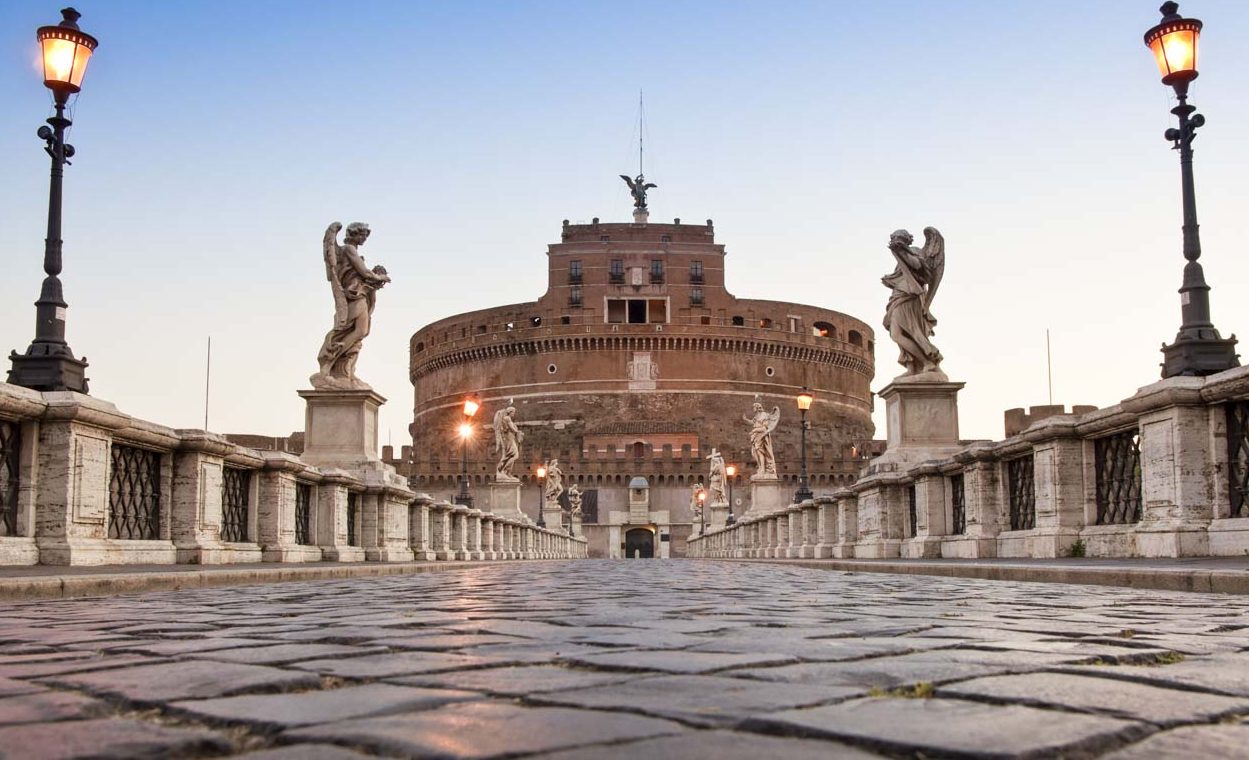

With its 44 hectars (109 acres) surrounded by 5 kms of walls, The Vatican is the smallest country in the world, ruled by a king and a college of cardinals officially established as a state in 1929 following the signing of the Lateran Agreement between Benito Mussolini and Pope Pius XI which clarified the dispute raised after the Italian Unification in 1861 and the annexetion of Rome in 1870.
The Pope had ruled the Pontifical State from here for centuries, over the martyrdom and burial place of the first cristian bishop: Simon, known as Peter that is the ‘rock above which building Jesus’ ecumenic church.
Currently, about six hundred and fifty citizens with a vatican passport live in Vatican territory: members of the clergy, nuns, the Pope Swiss Guards (about 110) hired for three years, administrators and gardeners with their families to whom a kindergarten is provided. Moreover, some italian citizens cross the international border every day for work and cooperation.
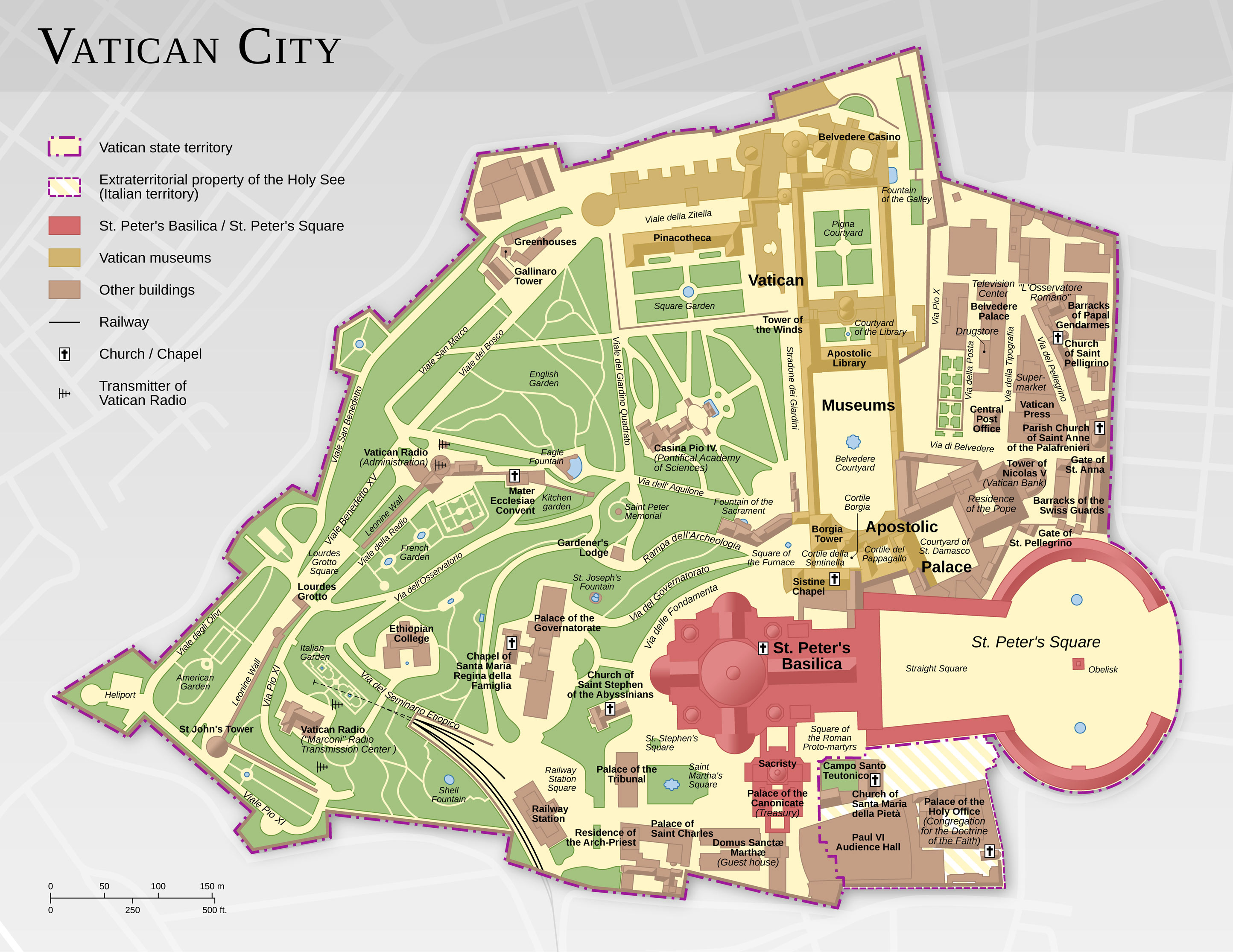
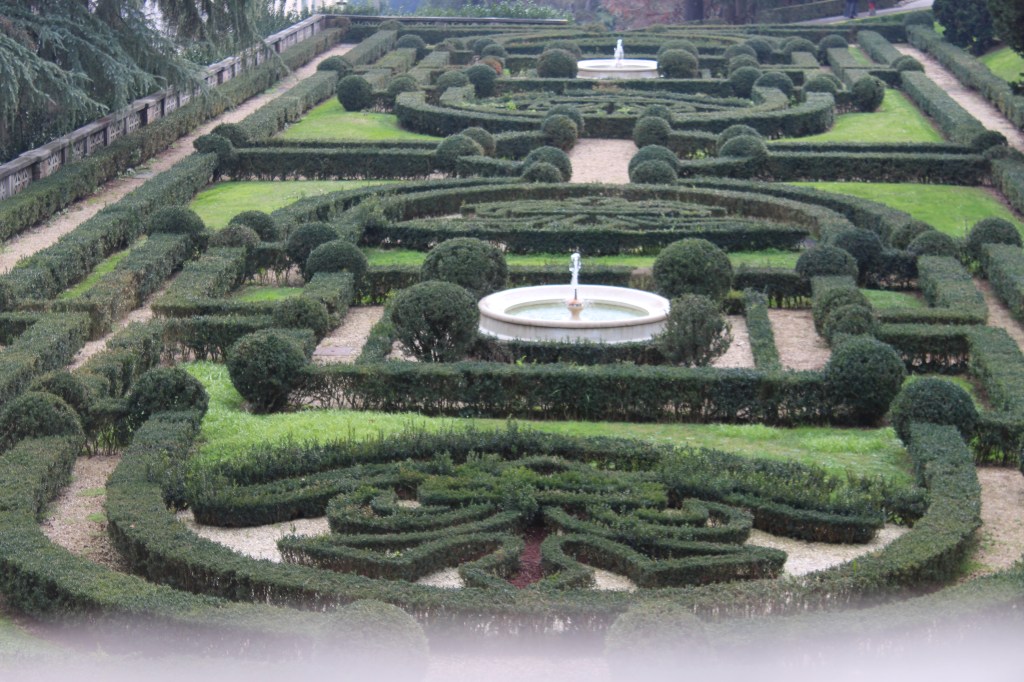
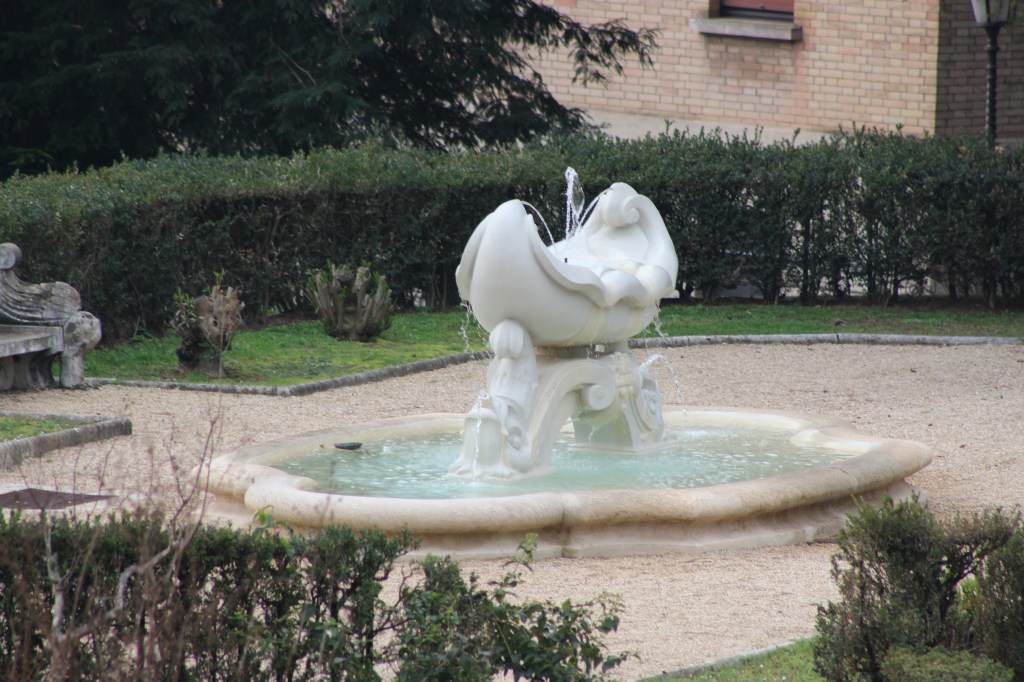
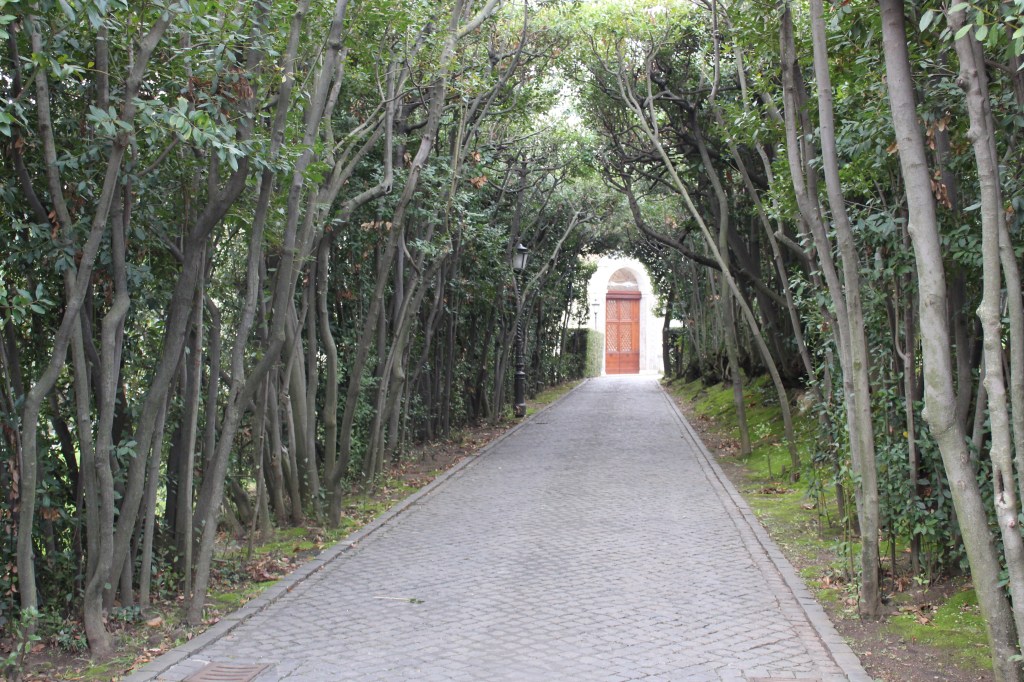
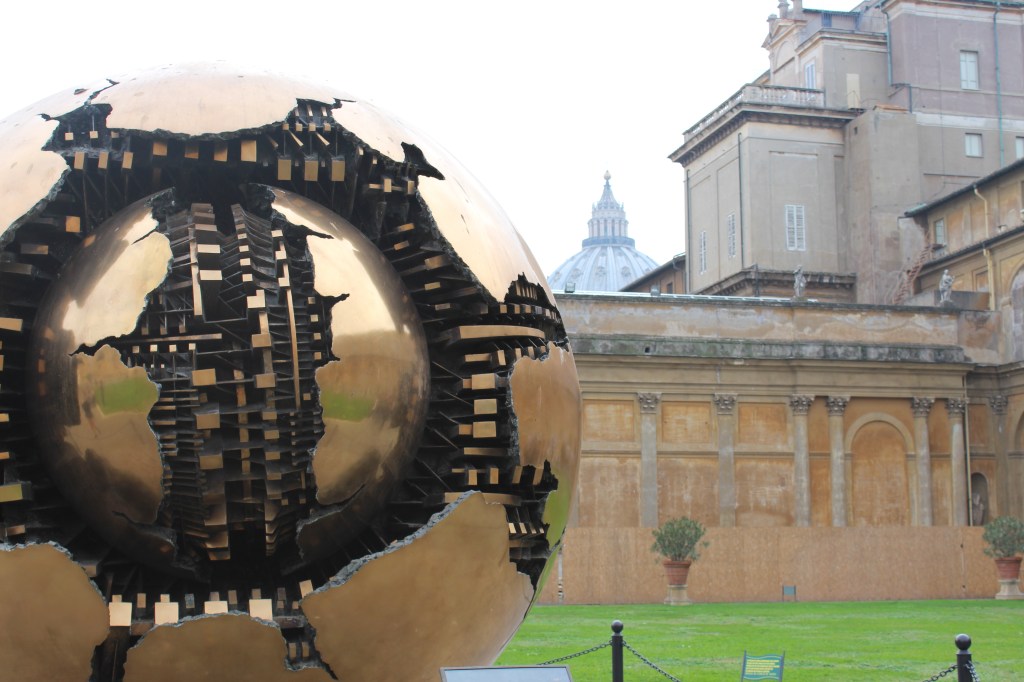
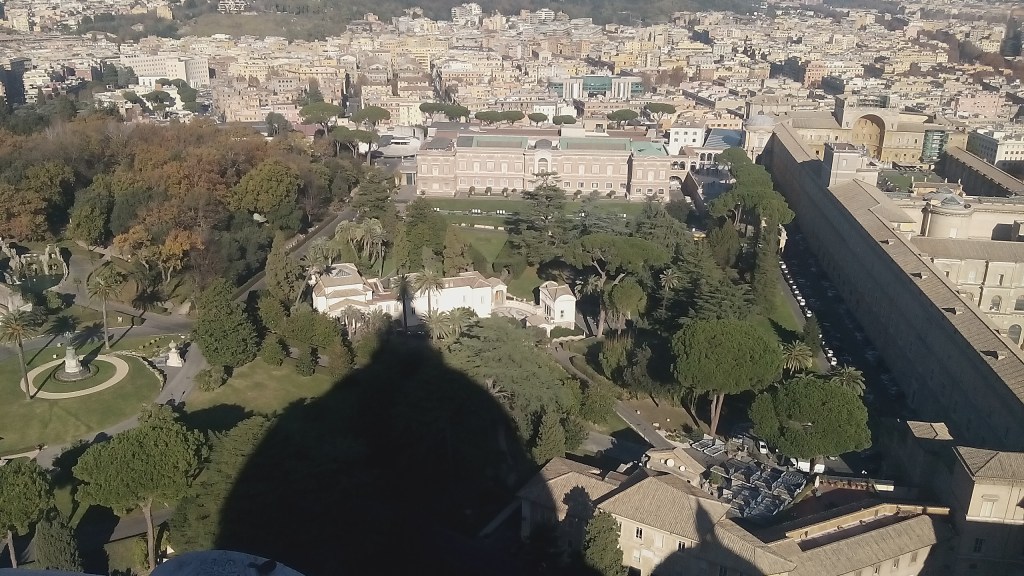
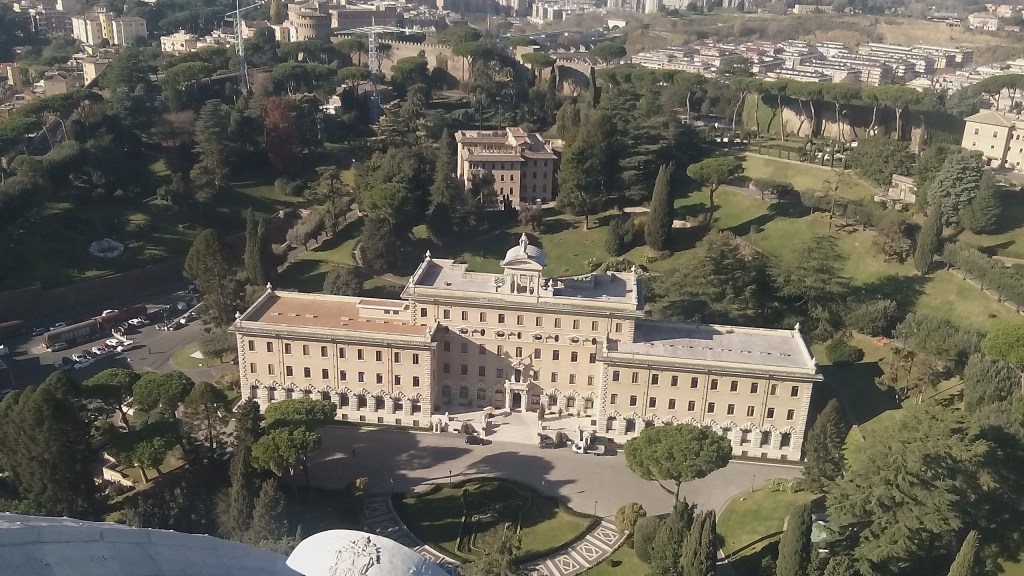
A large part of the vatican territory is made of gardens and greenhouses with hundreds of plants and trees donated throughout the centuries by embassadors, presidents and royal members. Students of Rome University come to study the botanical variety and how it has adapted to the local climate.
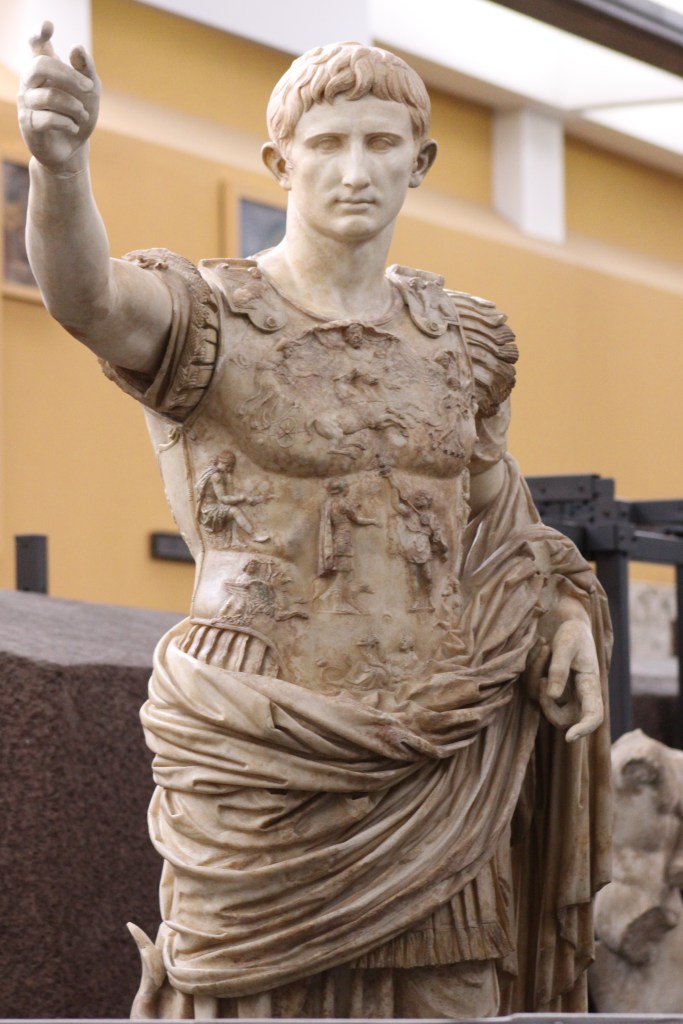
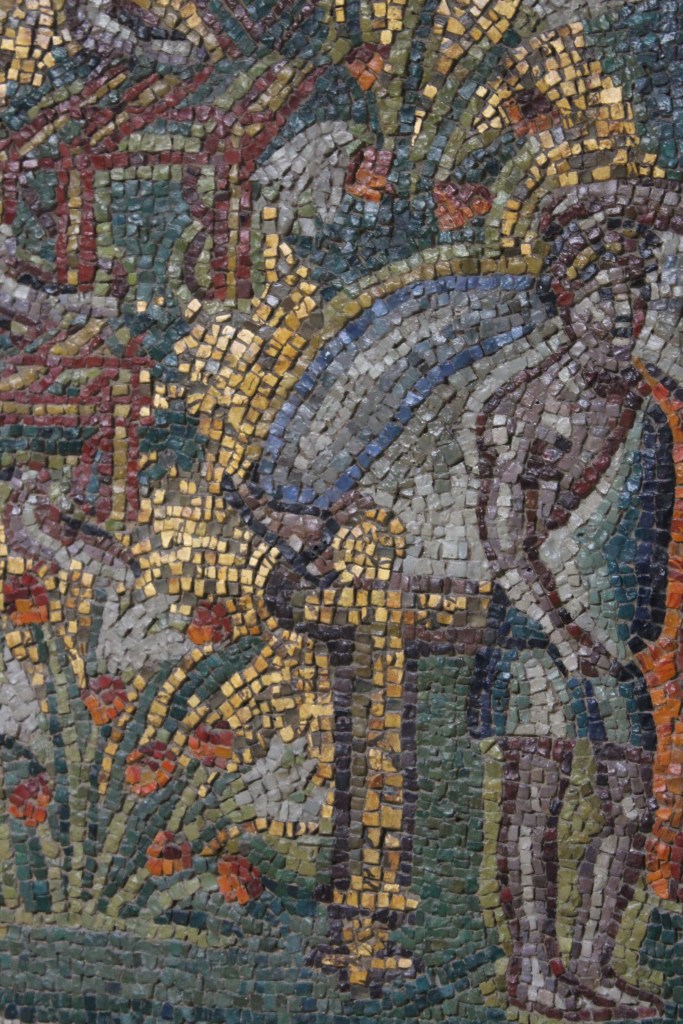
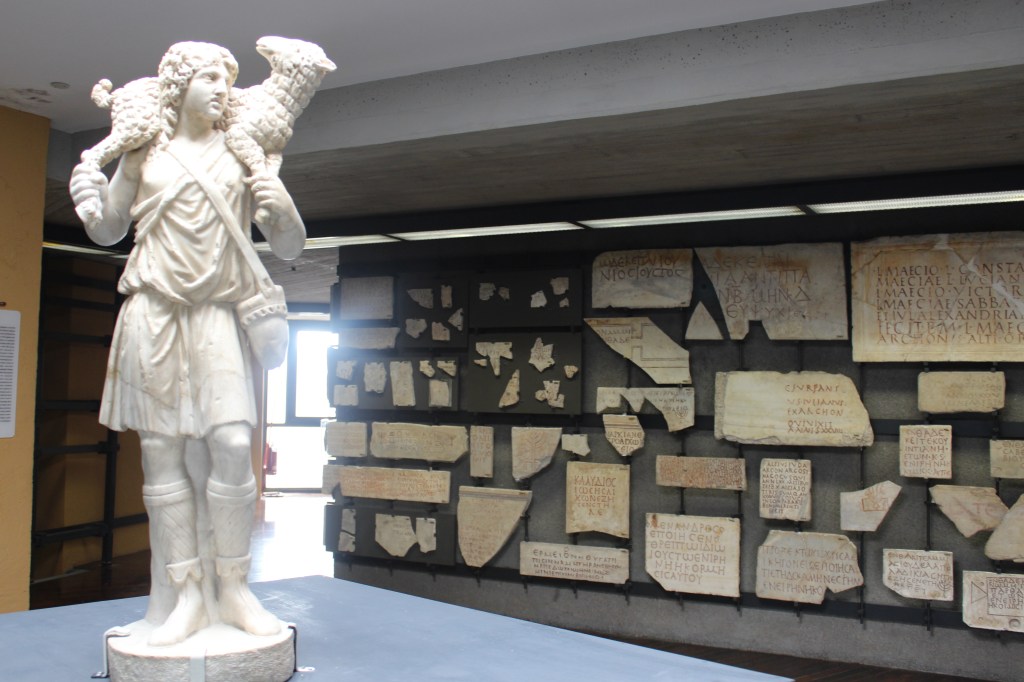
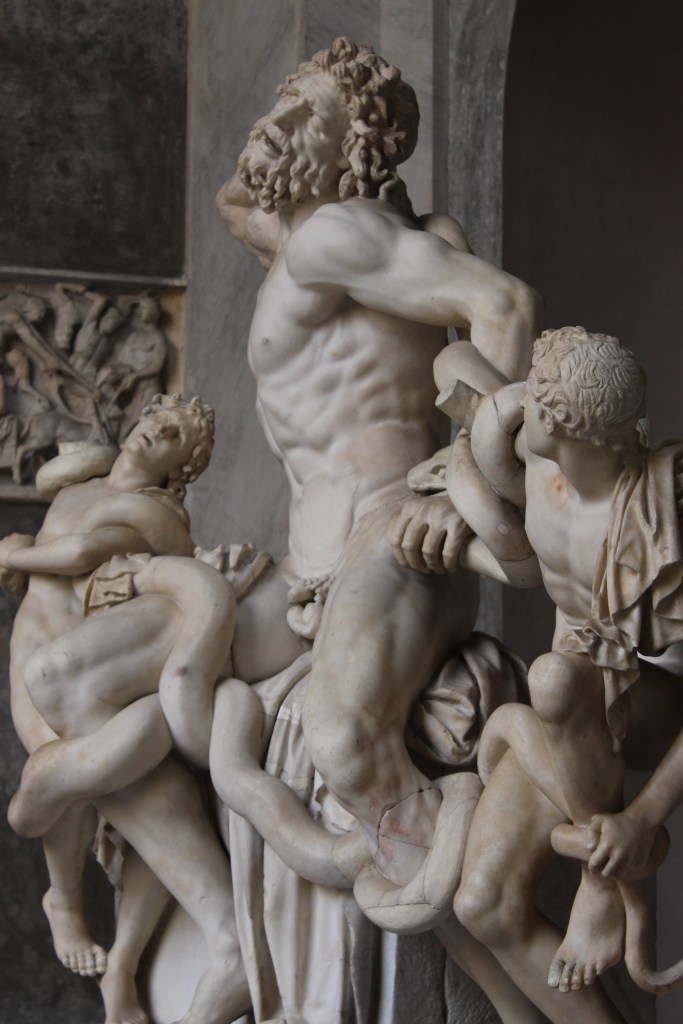
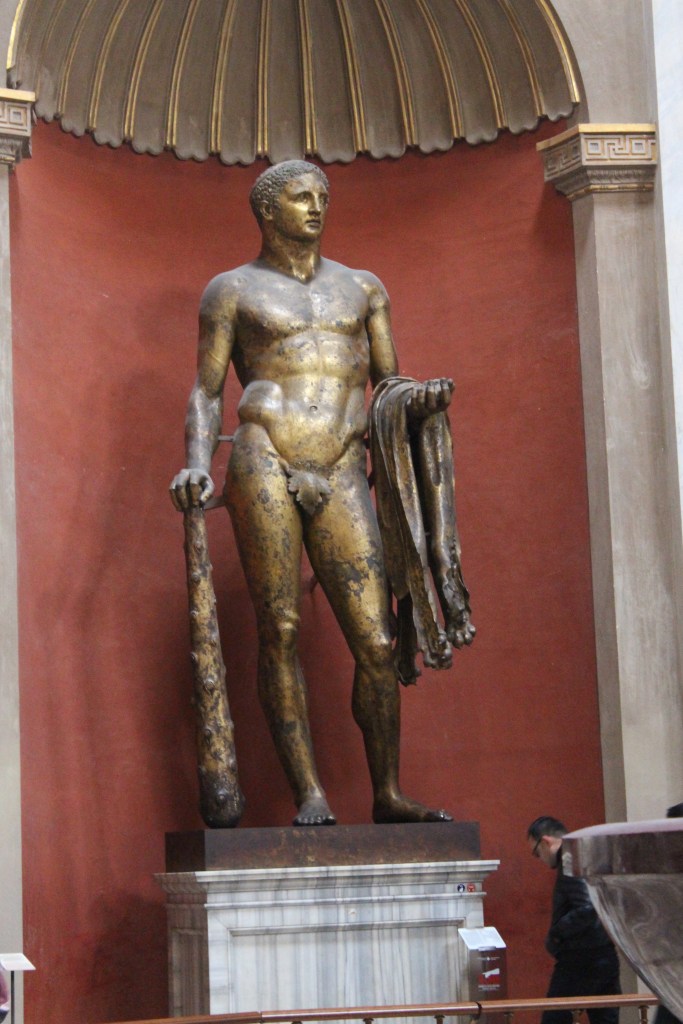
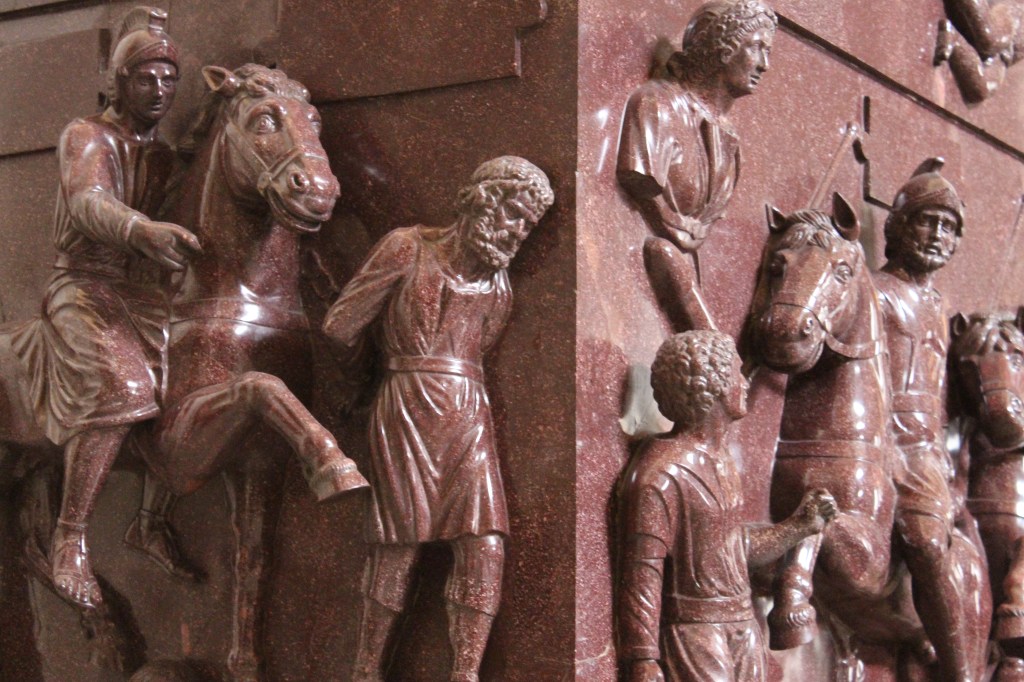
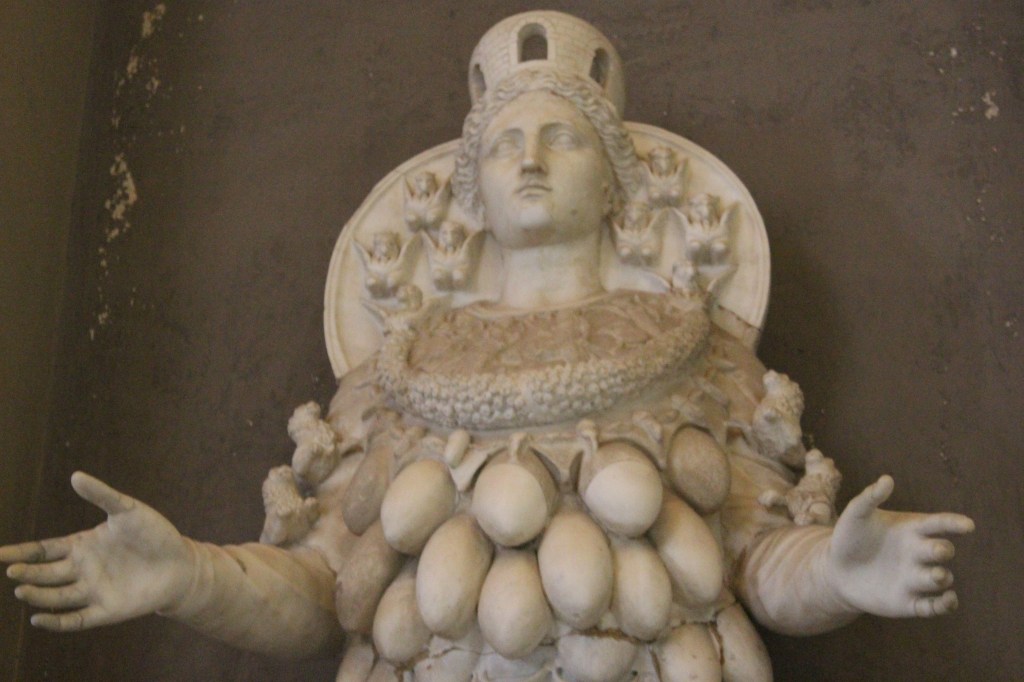
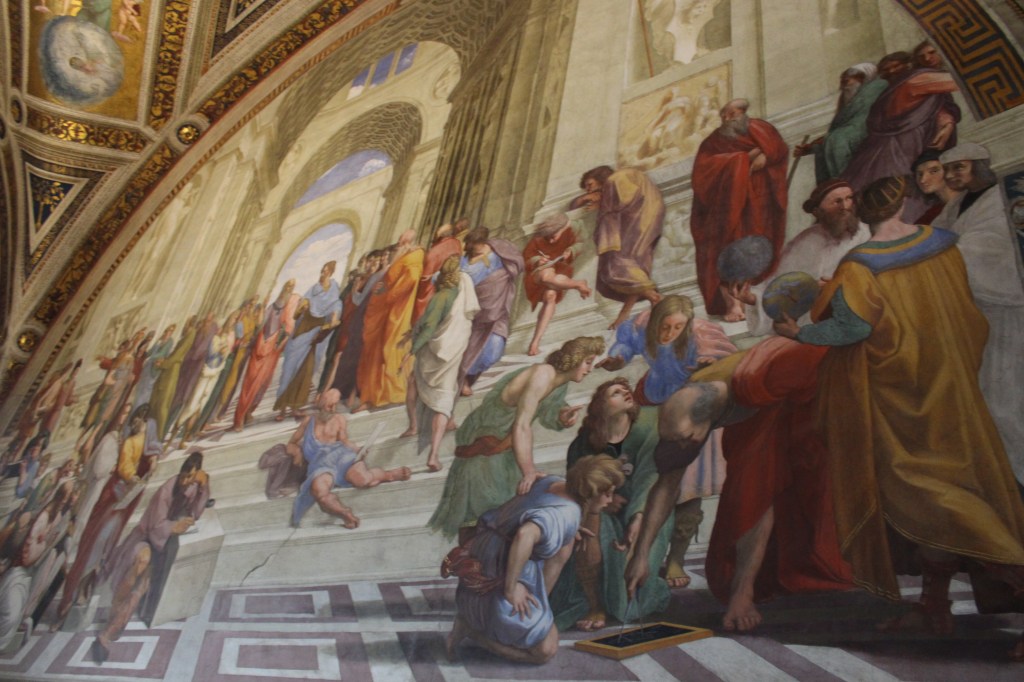
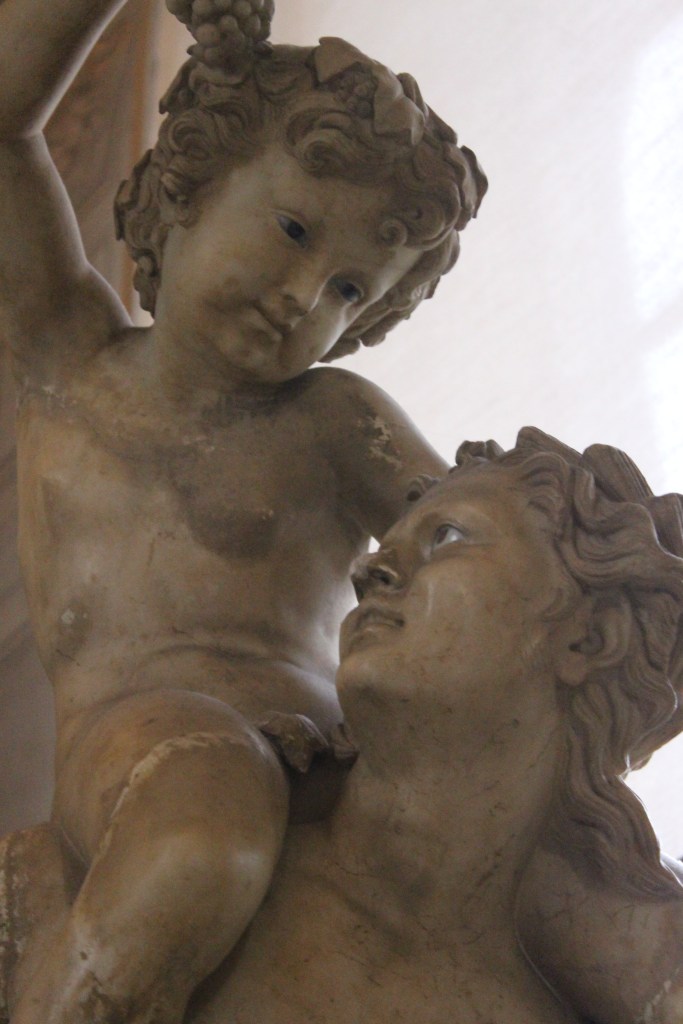
An Art Academy specialized in mosaics and restoration takes care of one of the greatest collections in the world including paintings, statues, tapestries and an immense quantity of various masterpieces.
An advanced Science Academy with its astronomical observatory (Torre dei quattro venti) has elaborated here the Gregorian Calendar in 1582 which was immediately accepted by the catholic countries and later gradually adopted world wide. A 10-day forward switch under Pope Gregory XIII which had become necessary since the time of Julius Cesar.
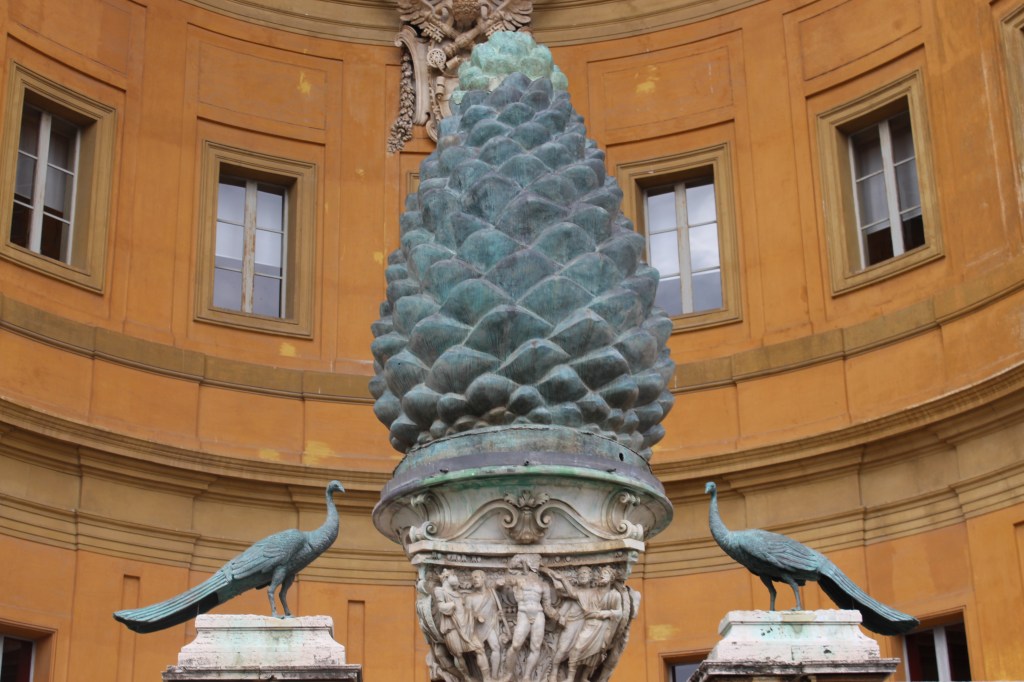
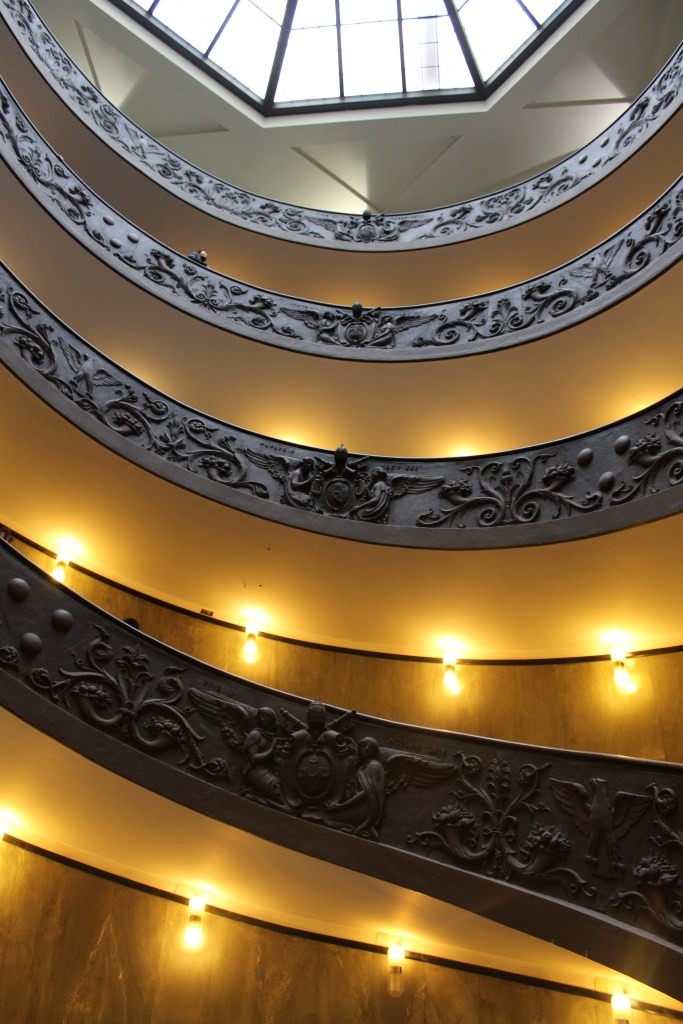
A railway station connected to the italian system and an eliport make the Pope’s travels easy while a radio designed in 1931 by radio’s inventor Guglielmo Marconi has broadcast everywhere for long time. Besides this, you will find a gasoline station, a pharmacy, an old library (Biblioteca Apostolica) with an incredibly wide collection and the famous archives under the Pinecone Courtyard containing documents from the relationships between the Vatican and the rest of the World.
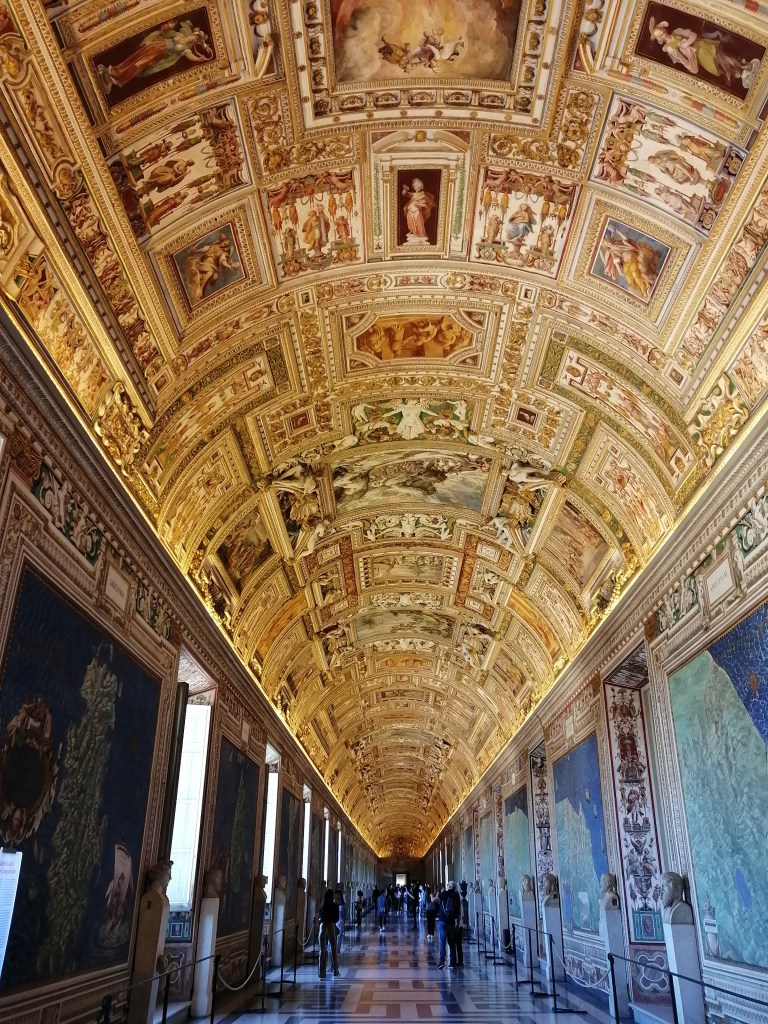
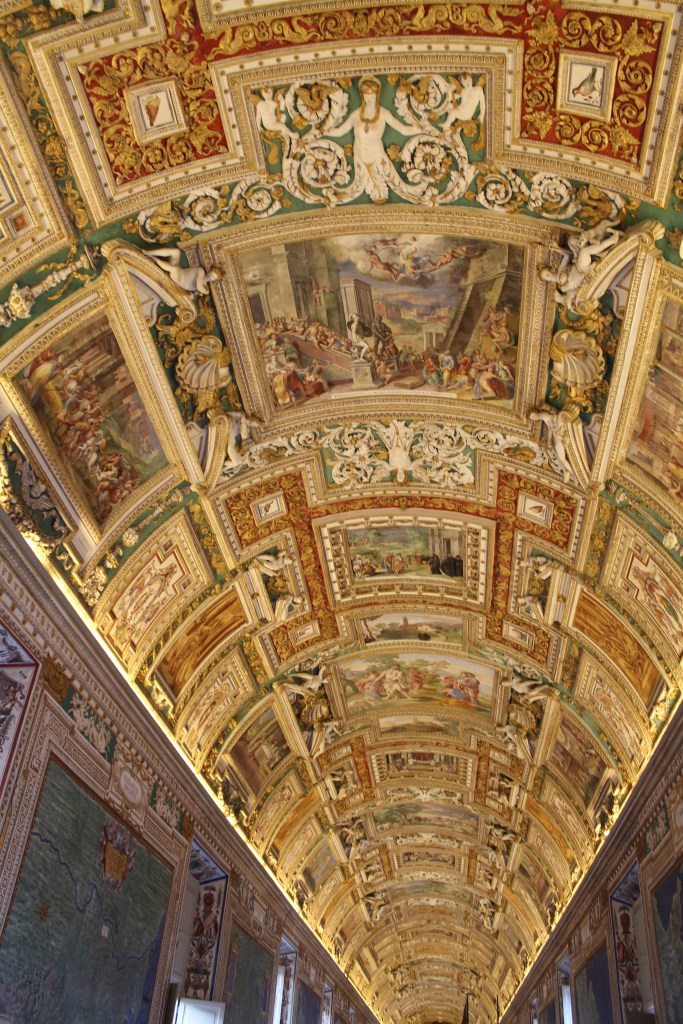
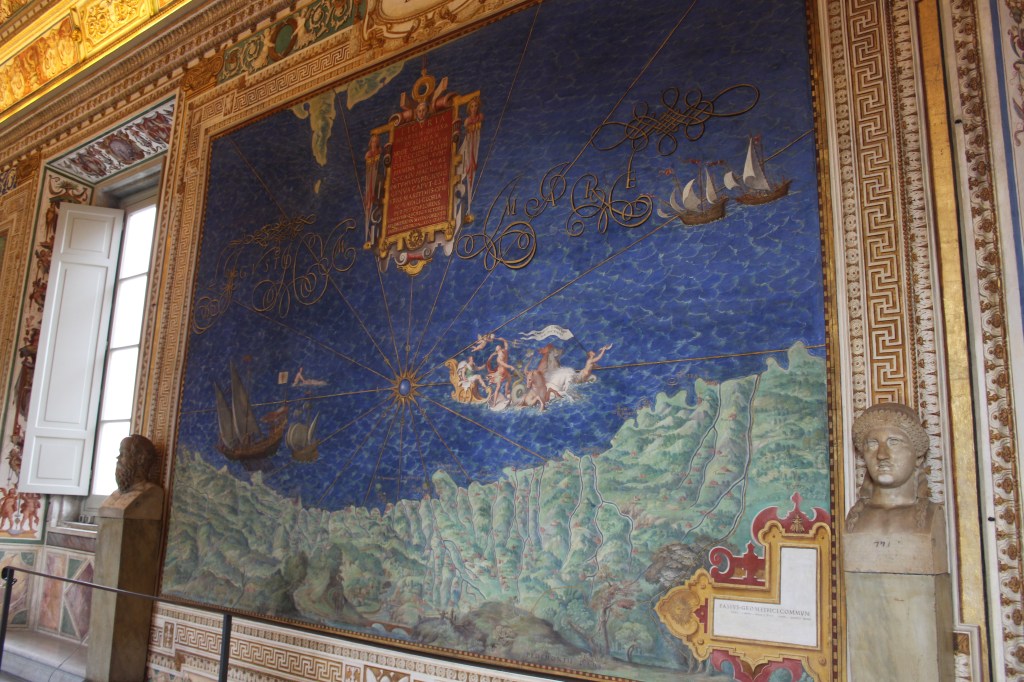
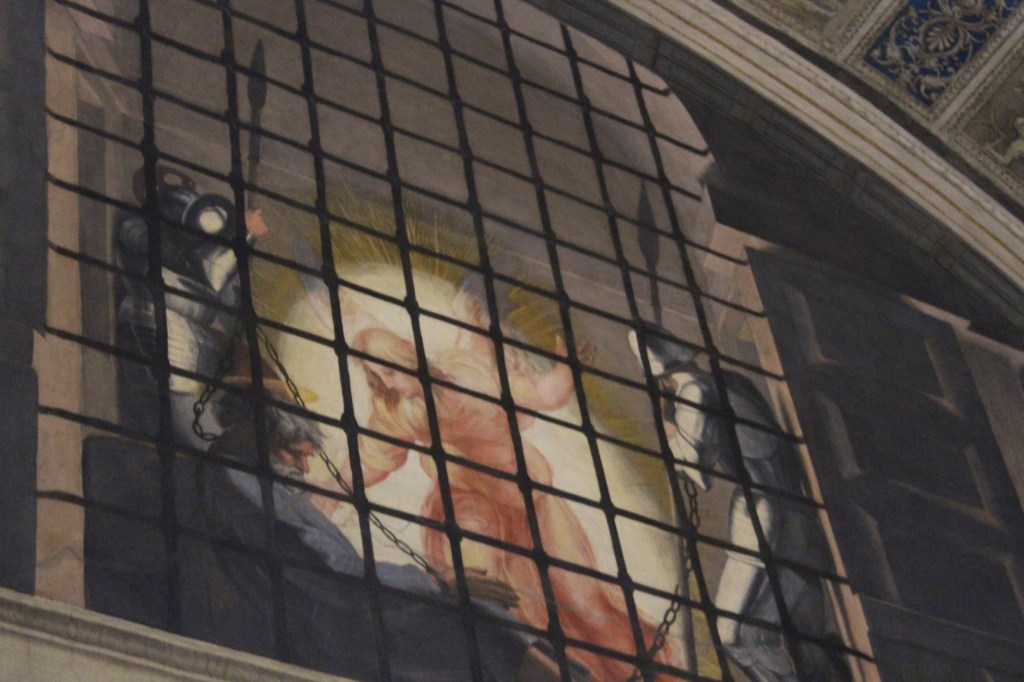
Miles of galleries showing the enormous artistic and archaeological art collection put up during the last 500 years lead to the holy Sistine Chapel built in 1483 to be the private Chapel of the Pope and the Conclave’s venue. Here is where cardinals vote and choose the new Pope burning all their papers to produce the smoke visible for those in St Peter’s square waiting for the fumata bianca. It was decorated by Michelangelo and the ‘Fab Four’ (Perugino, Botticelli, Pinturicchio and Cosimo Rosselli) between 1483 and 1541.
Overlooking Bernini’s welcoming colonnade is the Apostolic Palace, the traditional papal residence in the last centuries which Pope Frances has abandoned preferring the simplicity of the guesthouse where the cardinals stay during the Conclave days. A clear message from a gesuit for a return to a basic life style and to Jesus’ teachings.
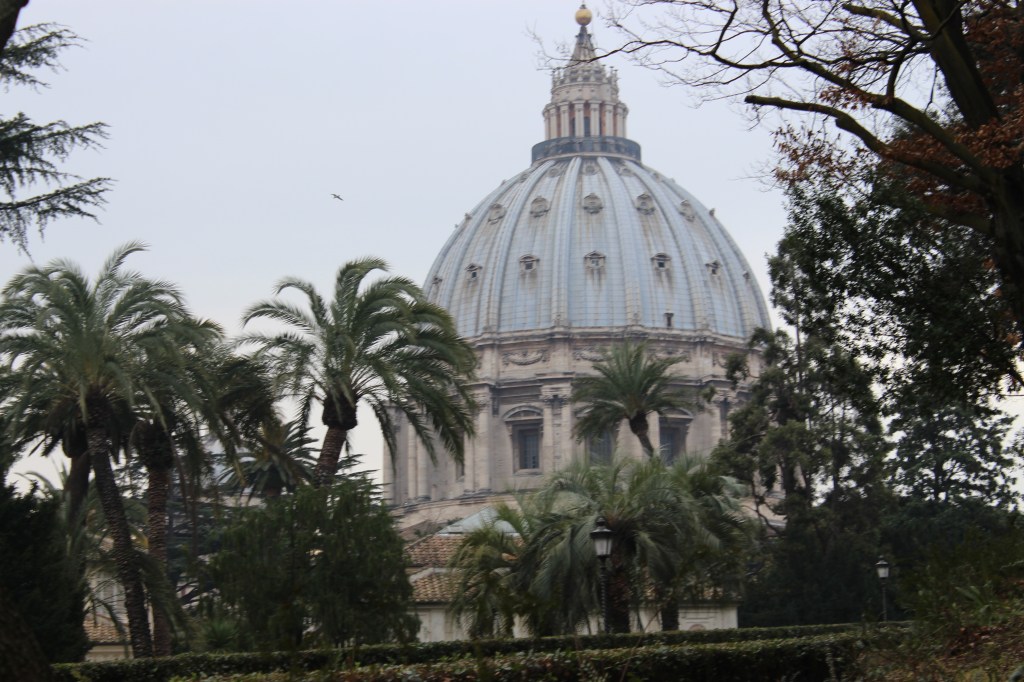
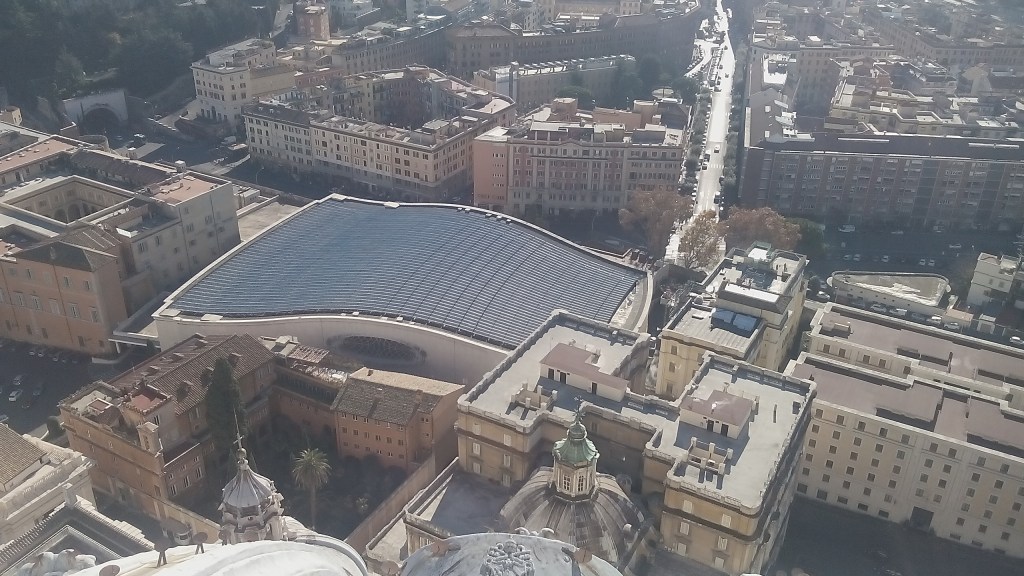
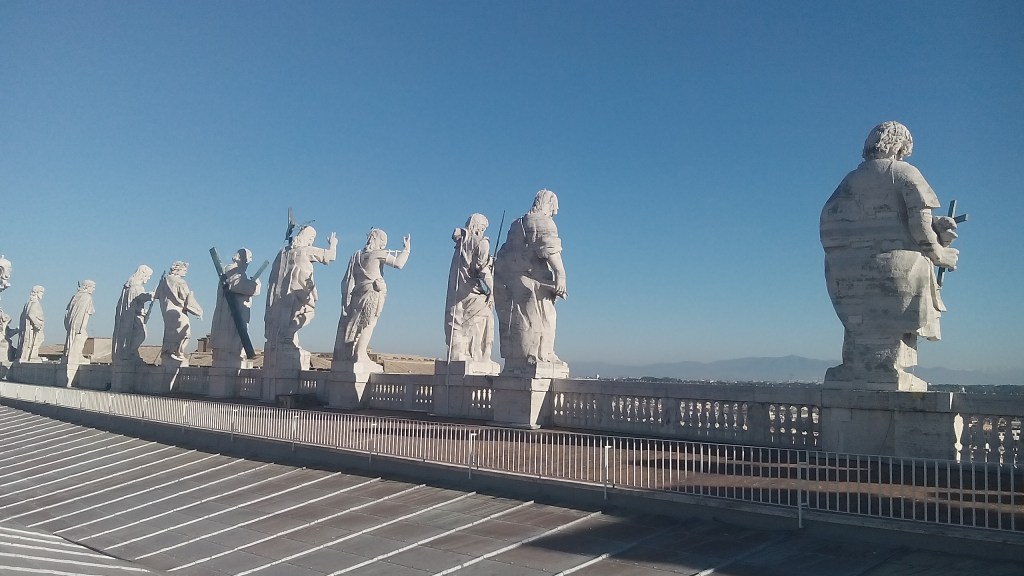
Moreover are several buildings for the state administration, financial and juridical organization. And of course Saint Peter’s Basilica, the biggest church in the world able to host 60,000 people with its fabulous dome from whose terrace one can enjoy unforgettable views since it was completed in 1590 (Michelangelo was one of the architects).
After Climbing the 551 steps to St Peter’s Dome (but you can take an elevator avoiding the first half), you will be rewarded by a spectacular 360° view over St Peter square, the Vatican Gardens and the Eternal City. A sort of a spiritual purification that gives satisfaction and redemption to our soul from the tallest peak of the city (136,5 meters).







The origin of the CONCLAVE:
On November 29th 1268, in Viterbo, Pope Clement IV died.
The cardinals met promptly to elect the new Pope but after months of debate they had not yet managed to agree.
In June 1270 the local population, who traditionally had to feed them during the election, lost patience and attacked the Palace of the Popes, locking the cardinals (“cum clave”, with the key) in the great hall of the Palace, even removing part of the roof to force them to decide as soon as possible who to elect as new Pope.
The cardinals, abandoned to bad weather, had to hurry and on September 1st 1271 Gregory X was elected. The event was so sensational that in 1274 the new rules of the conclave were made official and have remained in force until today.
Want a guided tour of the Vatican?

 Maurizio Rome Guide