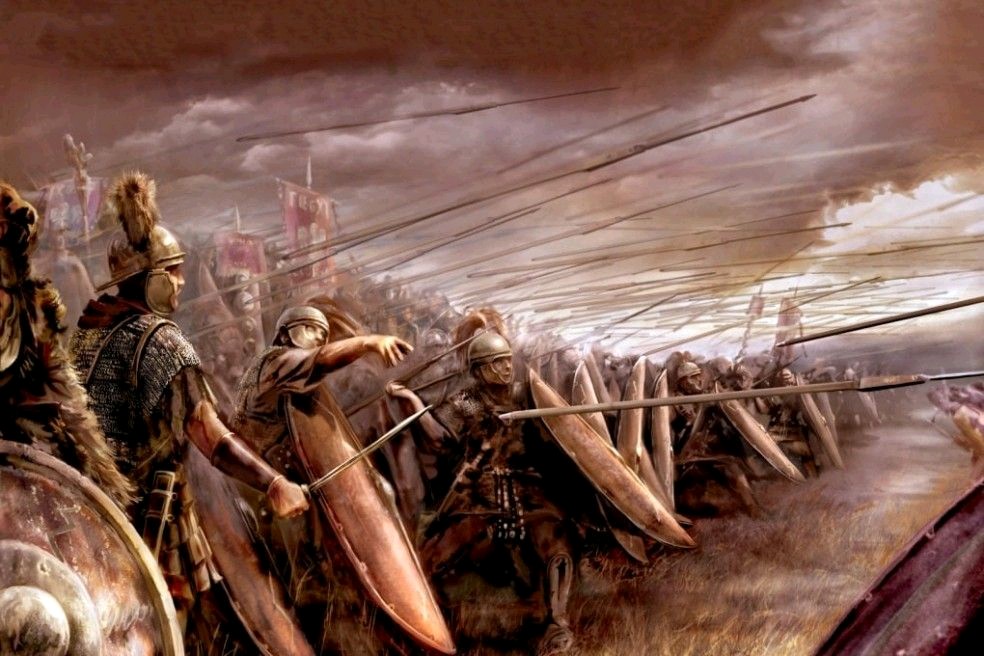
Since the expulsion of the last King, Tarquinius the Proud, accused of abuses and injustices, the Romans had reorganized their society by founding the Republic (509 BC), a community in which the People could participate more in public affairs (res publica) and the power was divided between various figures such as consuls, magistrates, senators who limited each other. This allowed many to access public office and held back the centralization of power in a single person with the creation of various magistracies mainly by annual election.
There was a continuous recycling of characters (many aristocrats and with a gradual increase of plebeian origin) where the political career gave enormous prestige towards the community. Serving it, also donating one’s own money for public works, was highly appreciated and allowed to associate one’s family name with eternal munificence. Exclusively in serious cases of emergency, mainly war, a man was granted the position of DICTATOR but only for six months after which the ‘imperium’ (absolute power) had to be returned to the Senate precisely because of the enormous risk of being able to fall back in the atrocities and injustices of archaic times.
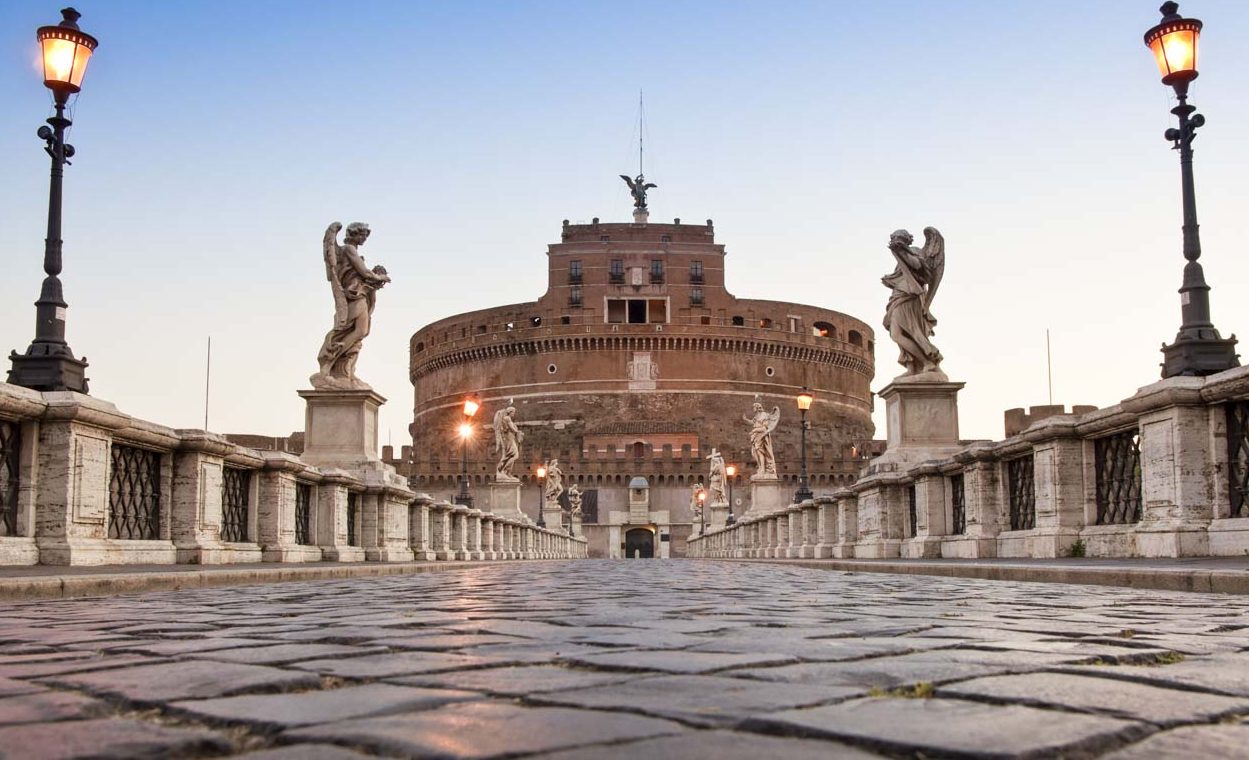
The Consul and General Gaius Julius Caesar, at the end of the Republic, caused the Senate to confer on him the position of ‘Dictator for life’ but the senatorial conspiracy of the Ides of March cost him his life. However, the political change had begun and Octavian, his nephew and adopted son, inherited its property, prestige and power, succeeding where Caesar had failed: after 500 years Rome had an Emperor who, however, did not initially call himself so neither King but ‘Princeps’ or ‘Primum inter pares’ (first among men of equal dignity) even though he held absolute control of the Roman state, concentrating political and religious powers, claiming to be able to bring peace (Pax Augustea) after years of civil war. Furthermore, the imperial divinization typical of oriental absolutist kings began with the Julian dynasty, moving away from the republican political model.
Many of the people accepted it because they saw in Caius Julius and Octavian Julius the defenders of the Community, for the protection of the traditional founding values leading the Senate, which was about to become little more than symbolic, to honor the second with the title of Augustus (venerable) even dedicating two months of the year to them. The subsequent ones did not even have problems to be called EMPERORS or CESARS (in honor of the Divine Gaius Julius Caesar) officially passing to a political model that, without the possibility of being politically opposed, would lead to a dependence on fluctuating wishes of one over a multitude with sometimes dire consequences.
#maurizioromeguide #romeprivatetours #visiteguidateroma #rometourguides
 Maurizio Rome Guide