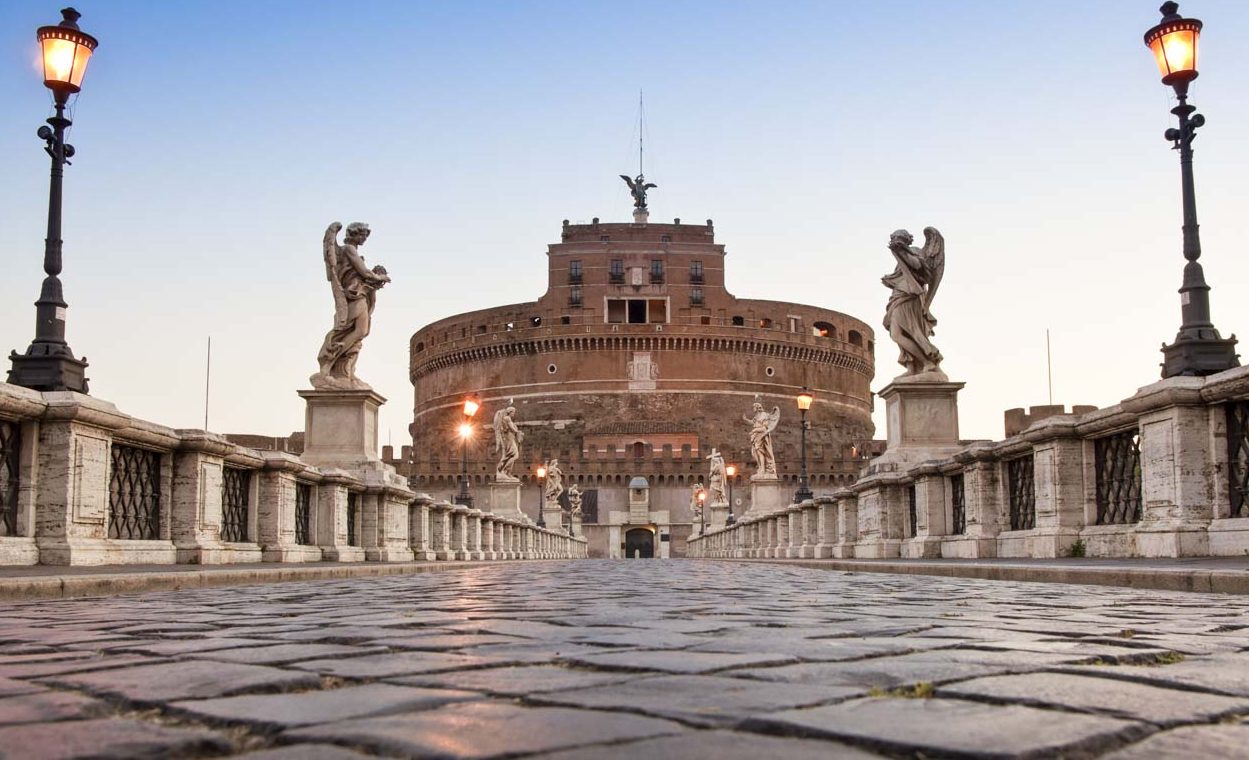

The word ghetto had nothing to do with Jews or segregation.
It derives from a place in Cannaregio (Venice) where the waste from copper processing was thrown.
In 1516 the area was chosen as a place where the Jewish community could live, with lots of restrictions, and nevertheless many Jews moved there to find refuge from the persecutions they suffered in other places all over Europe where they were held responsible for famines and plagues.
Geto (waste in Venetian) became Ghetto after the arrival of the German Jews with their pronunciacion of the hard g and the same word will be reused in Rome in 1555 and in subsequent cities where it will be recreated. Jews could not own properties but had to rent from Christians with a 30% surcharge; they could accumulate coins and in fact they were allowed to lend money at interest, an activity denied to Christians who could not lend money to other Christians since it was deemed sinful but the activity was necessary for the economy.
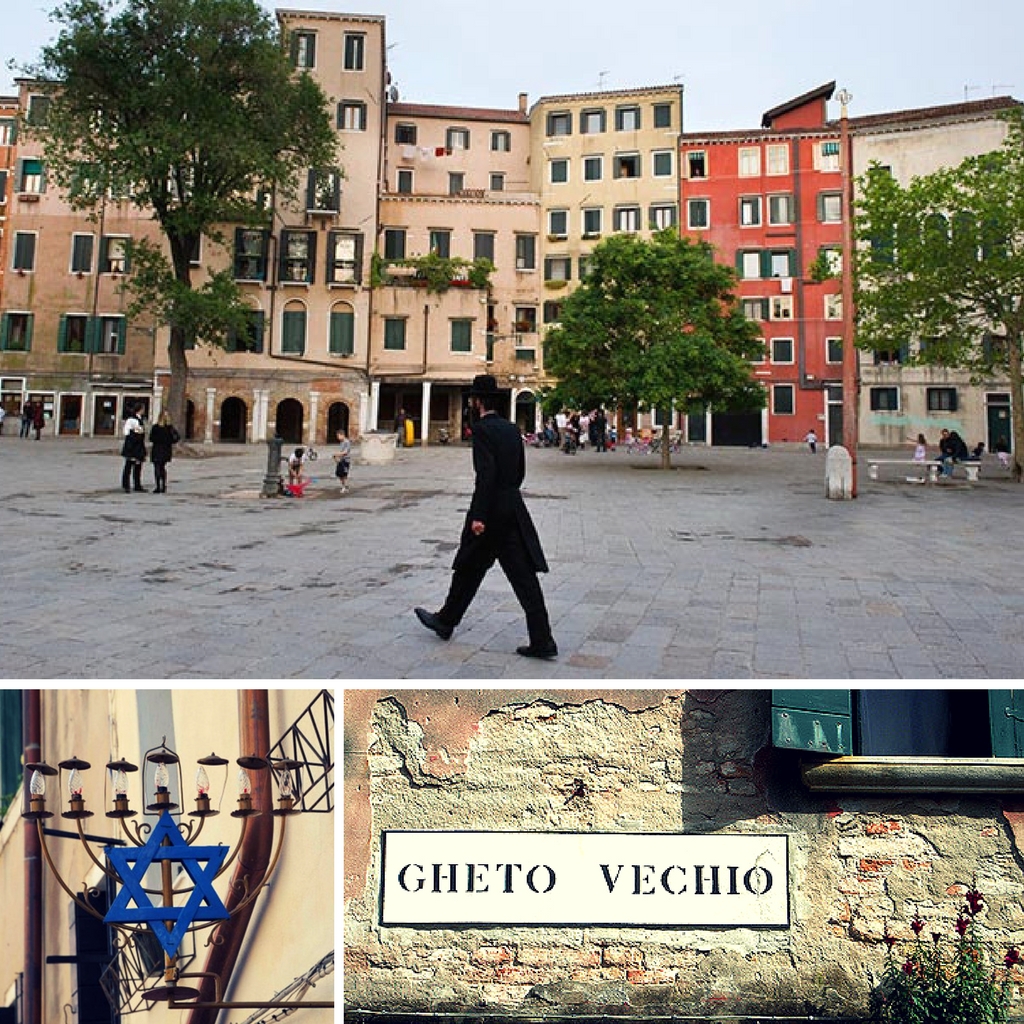
On these activities they had to pay heavy taxes and the main desks were the Red, Green and White Banks so chosen for those who could not read. At the entrance of the doors a tilted sacred symbol was hung named mezuzah, a Jewish ritual objet meaning doorpost.

One of the most important families for money-lending was that of the Calimani.
The Jews were granted those professions that Christians did not do such as sharpening knives, tannering, second-hand clothes selling, button-making from animal bones.
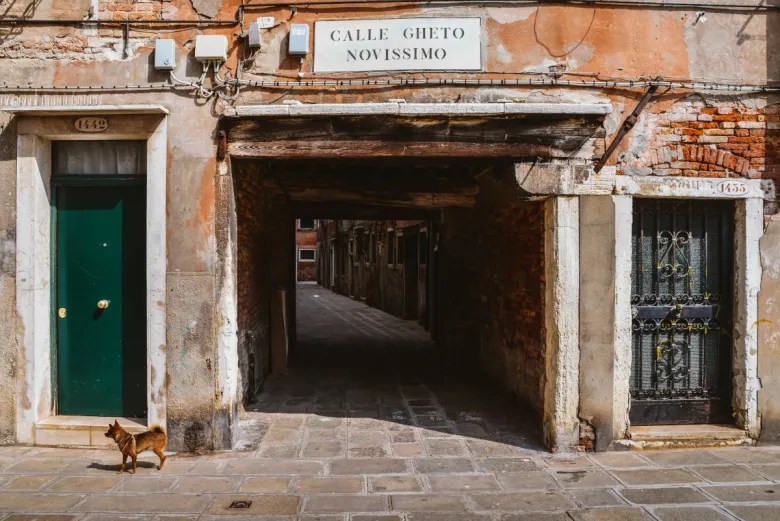
The area of the Venetian Ghetto was surrounded by a canal and had three gates which are still today the passages to enter into this area.
The ghetto excluded the Jews from the city but at the same time protected them, as long as they respected the curfew hours.
Not being able to expand, this area elevated on several floors built shorter than the average to let more people inside the same building and still today in Cannaregio are the tallest buildings in Venice, with the shortest ceilings. In the former ghetto is one of the largest squares of Venice where the Jews could socialize, the kids play and Venetians today like to stop here and relax for its large space in contrast with the claustrophobic atmosphere of the houses.

Jews in the Middle Ages were often considered the cause of famine or pestilence and the establishment of ghettos where they were segregated was an opportunity for the nobles of the time to confiscate their properties by speculating on emergencies and justifying the enormous social injustice to people with the aim of public health and safety.
Finding and fighting a public enemy to protect the community is a strategy that cyclically returns, in different forms, but it has always been an opportunity for someone to get richer to the detriment of those who are easy to attack at that moment
Want a guided tour of the Jewish Ghetto in Rome?
 | Maurizio Benvenuti Official Rome Tour Guide  +39 3275495465 +39 3275495465 www.maurizioromeguide.com ✉️ maurizio.benvenuti@hotmail.com Rome, Italy |
 Maurizio Rome Guide