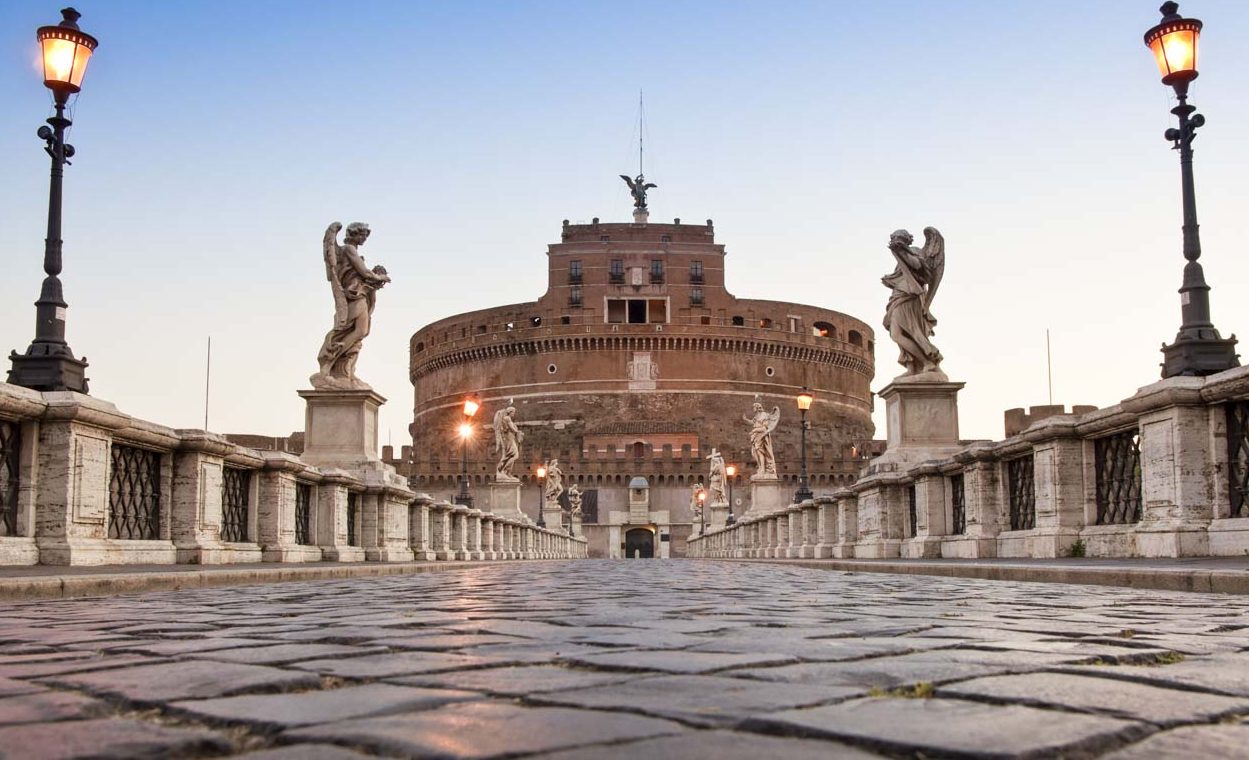
The seven pontifical virtues are: Three theological virtues (concerning God): Faith (white), Hope (Green) and Charity (Red); Four cardinal virtues (related to the human soul and enunciated by Plato): fortitude, justice, prudence and temperance (moderation). Allegories are personifications of ideas, virtues and vices commonly used in the universal artistic language of painting and sculture
Category Archives: Roman history
Forum of Peace
In 70-75 AD. at the end of the civil wars for the succession to the Empire and the bloody repression of the Jewish revolt, the Emperor Vespasian built a sanctuary dedicated to Peace called the Forum of Peace consisting of a large square with porticoes. The complex became part of the five Imperial Forums, theContinue reading “Forum of Peace”
Etruscan Bucchero
Bucchero is the black ceramic produced by the Etruscans. The name derives from the Spanish term bucaro, which designated a black ceramic of South American production imported in the 17th century, very similar to Etruscan ceramics.In bucchero both the dough and the surface are black, which is shiny and compact. The color is not obtainedContinue reading “Etruscan Bucchero”
The muses
Jupiter and Mnemosyne, the titan goddess of Memory, gave birth to the nine Muses who are inspirational goddesses for arts and science.The same word Museum comes directly from the idea of art showroom and preservation where each of them has a specific specialization. Apollo, the god of art and beauty, is their protector. Calliope forContinue reading “The muses”
The Quintili Villa
Five miles from the center of Rome, along the Via Appia, you can see the majestic remains of an ancient suburban villa where the wealthy owners alternated ‘otium and negotium’ (intellectual and work activities). Thanks to the discovery of a lead pipe bearing the name of the owners, it is certain that the complex belongedContinue reading “The Quintili Villa”
The Jewish Catacomb of Vigna Randanini
The excavation began in 1859 on Giuseppe Randanini’s agricultural property between the 2nd and 3rd mile of the Appian Way, after obtaining the permission from the competent authorities. The commissioner of antiquities P.E.Visconti wrote: “I saw there some sepulchres of people of humble rank. These things were discovered in making uprooted to plant vines”. InContinue reading “The Jewish Catacomb of Vigna Randanini”
The Square Colosseum of Rome
The building in the picture is commonly known by Romans as the ‘Square Colosseum’. The real name is ‘Palazzo della Civiltà Italiana’ and is located in the EUR neighborhood, a district with modern buildings recalling ancient monumentality. It was started by Italy’s dictator Benito Mussolini in the 1930s with the aim of hosting ‘Rome’s UniversalContinue reading “The Square Colosseum of Rome”
S. Paul Outside The Walls
It is one of the four major basilicas of Rome and the only one located outside the ancient walls. It was originally built by the Emperor Constantine by the Necropolis (city od the dead) of Via Ostiense, on the burial place of the Apostle Paul who had been condemned to be decapitated at the currentContinue reading “S. Paul Outside The Walls”
Inside the Pyramid of Rome
Pyramid is a greek word meaning ‘fire-shaped’. Its architecure was introduced in Rome after the conquest of Egypt in 31 BC and the arrival to Rome of Cleopatra. The Romans were fascinated by this ancient and advanced civilization and an Egyptian fashion spread out, especially in the capital. Roman women walked around showing Egyptian haircuts and wearing eastern jewellery whereasContinue reading “Inside the Pyramid of Rome”
Colosseum Underground
The Flavian Amphitheater (the original name) was inaugurated in the year 80 AD after 8 years of hard work and financed by the treasures of the Siege of Jerusalem (70 AD) led by the general Titus who will become Emperor after his father’s death. After two years the Emperor Domitian (Titus’ brother) had the tunnels digged under the arena to be usedContinue reading “Colosseum Underground”
 Maurizio Rome Guide