Three theological virtues (concerning God): Faith (white), Hope (Green) and Charity (Red);
Four cardinal virtues (related to the human soul and enunciated by Plato): fortitude, justice, prudence and temperance (moderation).
Allegories are personifications of ideas, virtues and vices commonly used in the universal artistic language of painting and sculture
Faith has the cross and chalice
Faith has the anchor to hold on
Charity nurses the babies
Fortitude looks firm and steady
Justice holds the scale and the sword, sometimes represented blind as it should be
Prudence knows herself, remembers the past and protects herself like a serpent uses its body to protect its head
Temperance holds the bridle and wears a crown of myrtle, a calming herb, on her head. Prudence looks in the mirror while holding an arrow (Immaculate Conception Room, Vatican Museums)
Vicus Caprarius (by the ancient niche with image of a goat) is located 9 meters below the current level and came to light during the renovation of the Trevi Cinema between 1999 and 2001 by the current owner, Cremonini Group. Archaeologists found an insula built under Nero as a testimony of the Nova Urbis that he wanted to build after the fire of 64 AD. Later in the third century AD, the structure was converted into a Domus for an important Roman personality with a water supply pipe from the distribution depot (castellum aquae) of the virgin aqueduct, the only one that has remained in continuous operation since 19 BC. The literary sources documented the existence of 18 castella along the urban trait of this aqueduct which was sponsored by Marcus Agrippa to bring water to the first public Baths located behind the Pantheon.
The aqueduct originates from the south-east of rome, on the 8th mile of Via Collatina, near Salone. It’s there that, according to the legend, Agrippa’s soldiers found a spring thanks to the directions of a maiden. A virgin, indeed, according to the curator aquarum Sextus Julius Frontinus who reported this episode. According to another version, the name derives from the incredible purity of this water. The aqueduct reached Villa Borghese and the Piancian Hill where there is a piscina limaria, a tank for settling water by Trinità dè monti, before continuing on visible arches towards the Campo Marzio. The system works simply by gravity with a difference of only 5,69 meters between the spring and the final point and an overage slope of 30 cms per kilometer.
Some of the rooms of the former insula were turned into a water tank during the age of Hadrian (123 AD) with a hydric capacity of 150.000 liters. The thickness of both the floor and the walls had to be doubled in order to endure water pressure and a thick layer of hydraulic plaster made the walls waterproof. Two ducts are still visible: the biggest had public functions, the smallest (lead pipes) had private functions and can be considered a privilege for few.
Thanks to the discovery of ancient Roman brick stamps, it was possible to set a precise date to the different construction phases that chracterized the history of this place.
In the second half of the fifth century, a fire destroyed most of the decorations in the domus and after the fall of the roman empire, the intensive urbanization of the ancient times was slowly replaced by small rural settlements that reused what had remained of the pre-existing buildings. The medieval sections here date back to the 12th and 13th centuries and are characterized by irregular wall textures. .
Built by Agrippa in the 1st century BC, the Aqua Virgo provided the necessary water for the first public baths in Rome and was restored in the 16th century even if the underground arches now only reach the current Piazza Trevi where in the eighteenth century the architect Nicola Salvi designed the famous Trevi Fountain. Precisely the water that fed the lead pipes still perfectly preserved in situ and that which, filtering through the ancient walls, has flowed for centuries in the rooms and tubs of a luxurious mansion.
Inside the antiquarium we find various interesting finds such as the bust attributed to Alexander Helios, son of Cleopatra and Marco Antonio, pottery from the Middle Ages when it was built over the ancient buildings, over 800 coins of the IV-V century. A.D. and several amphorae of African origin containing mainly oil. Visible in the museum section is a statue of the deceased (for veiled hands) from the sepulchral area, a falcon representing the Egyptian divinity Horus, a mortar, lanterns, decorative fragments and a part of the colored mosaic floor of the domus which suffered a fire in 455 during the siege of the Vandals to the city. Until the first century the mosaics were in black and white then gradually they will acquire colors thanks to the Roman conquests of new territories and their respective mineral resources. In the adjacent museum room, objects from the Middle Ages.
In 70-75 AD. at the end of the civil wars for the succession to the Empire and the bloody repression of the Jewish revolt, the EmperorVespasian built a sanctuary dedicated to Peace called the Forum of Peace consisting of a large square with porticoes.
The complex became part of the five Imperial Forums, the third in chronological order after the Forums of Caesar (46 BC) and Augustus (2 BC) and before those of Nerva (97 AD) and Trajan (112- 113 AD). It differed profoundly from these complexes in terms of its functions. The Imperial Forums were in fact mainly places of administration of justice, actual courts, as well as locations of libraries and legal archives. The Forum of Peace was instead characterized by a rich collection of sculptures and paintings which, together with a famous literary and scientific library (Bibliotheca Pacis), made it a sort of cultural center and a container of the works of human creativity.
Modern view with columns in pink granite from Assuan, Egypt
In this complex you could admire the Menorah brought back by the Roman soldiers after the destruction of the Temple of Jerusalem in 70 AD by Tito, as depicted on his Arch of Triumph. In a room, the Forma Urbis Romae was also preserved, the famous large marble plan of Ancient Rome (12×18 metres) of which some fragments remain preserved in its museum recently inaugurated on the Celian hill. The wall on which the map was affixed corresponds to today’s facade of the Basilica of Saints Cosma and Damian where you can still see the holes left by removing the map metal clamps.
Achilles and Ajax playing dice during the Trojan War, Vatican Museums. 540 – 530 a.C. Exekias, from Vulci
Bucchero is the black ceramic produced by the Etruscans. The name derives from the Spanish term bucaro, which designated a black ceramic of South American production imported in the 17th century, very similar to Etruscan ceramics.
In bucchero both the dough and the surface are black, which is shiny and compact. The color is not obtained with paint but thanks to a particular firing process in the absence of oxygen, which prevents the chemical transformations of oxidation which give the typical orange color to the iron minerals contained in the clay. The appearance and shape of the bucchero vases are very similar to those of the more expensive metal vases, for which they were a substitute.
Jupiter and Mnemosyne, the titan goddess of Memory, gave birth to the nine Muses who are inspirational goddesses for arts and science. The same word Museum comes directly from the idea of art showroom and preservation where each of them has a specific specialization. Apollo, the god of art and beauty, is their protector.
Calliope for Epic Poetry; Euterpe for Liryc Poetry and Singing; Talia for Commedies and Pastoral Poetry; Melpomene for Tragedies; Tersicore for Dancing; Eratro for Love Poetry; Polimnia for Sacred Poetry; Urania for Astronomy; Clio for History
The pictures below were taken inside Villa Torlonia in Rome and the statues were made in the 1800s by commission of Prince Alessandro Torlonia.
Five miles from the center of Rome, along the ViaAppia, you can see the majestic remains of an ancient suburban villa where the wealthy owners alternated ‘otium and negotium’ (intellectual and work activities).
Thanks to the discovery of a lead pipe bearing the name of the owners, it is certain that the complex belonged to the brothers Sesto Quintilio Condiano and Sesto Quintilio Valerio Massimo, members of a senatorial family and consuls in 151 AD.
In 181 AD the Quintili brothers were accused of conspiracy and were killed by order of the Emperor Commodus who confiscated the property and greatly embellished it with an amphitheater and a circus, passing the property to his successors.
Still clearly visible today are the thermal buildings with the pools, the ovens for the production of heat and the pipes in the cavities of the walls to heat the rooms.
For artists and travelers of the Grand Tour, the Villa dei Quintili was an obligatory stop during the explorations of the enchanting Roman Countryside.
The excavation began in 1859 on Giuseppe Randanini’s agricultural property between the 2nd and 3rd mile of the Appian Way, after obtaining the permission from the competent authorities. The commissioner of antiquities P.E.Visconti wrote: “I saw there some sepulchres of people of humble rank. These things were discovered in making uprooted to plant vines”. In 1896 the Randanini family sold the property which, after a series of passages, came to the Marquis Alberto del Gallo of Roccagiovine, whose descendants are the current owners. The archaeological section of Rome has protected it since the 1980s and carried out a restoration campaign between 2001 and 2002, evaluating the state of conservation as satisfactory.
The last updated plan was made in 2009. We are nearby of the Christian catacombs of S.Callixtus, S.Pretestatus and S.Sebastian where the name ‘catacombs’ originated referring to the latin word ‘ad catacumbas‘ meaning by the cavity or by the valley, an important volcanic quarry created by the last eruption of the Alban Hills about 20,000 years ago which will be used to build the Appian Way in 312 BC. The name catacomb will be adopted by the other underground cemeteries and it was not exclusive to Christians.
Just a few weeks after the beginning of the excavation in 1859, the first cubicle (in latin cubiculum) depicting the Menorah, the seven-arm candlestick symbol of Judaism, was found. The Jewish characterization of this funerary context was absolutely surprising even if the desecration in a later period is evident. Until that moment, only the catacomb discovered by Carlo Bosio in 1602 along the Via Portuense in the Monteverde area was known. Subsequently also those along Via Labicana and under Villa Torlonia were also discovered but only the latter is still preserved since the others collapsed.
The Vigna Randanini catacomb covers an area of approximately 18,000 m2. The tunnels develop on two levels: the lower one dug into the tufa stone includes zones A, B, C while the upper one dug into the pozzolan includes zones D, E, F. The tunnels wind for a length of about 700 meters of which 400 currently visitableand are about 10 metersdeep. The sepulchral area that can be visited today was developed between the 2nd and 4th centuries AD without following a homogeneous plan but merging originally separate and autonomous sections with independent entrances, perhaps also connected to different funeral groups (collegia). After the 2nd century, inumation replaced cremation causing an increasing request of larger spaces to contain the bodies which led to the necessity of digging under the former cemeteries. According to the Roman law, the owner of the property only owned the land underneath and this means that catacombs are not all connected one another. Probably the owner of these catacombs, like those of the whole surrounding area, was the wealthy Roman matron Domitilla
Area B was commissioned by Pagans and probably shortly after area C, while the Palm Cubicle dates back to the 4th century. The construction of underground connecting galleries should have begun in the second half of the 3rd century and the funerary purpose perhaps ended in the 5th century when it was ‘visited’ for grave robbing or destructive purposes.
The current access is from Via Appia Pignatelli but originally there were several. There are two open bell-shaped skylights to facilitate the extraction of material and to provide light and air.
The burial types are:
-the niches, wall tombs dug into the tufa parallel to the gallery closed by brick walls or marble slabs, plastered and decorated or marked with the name of the deceased and religious symbols;
-the kokhim, wall tombs dug into the tuff perpendicularly to the direction of the gallery which could house more than one deposition and closed by slabs with symbolic decorations. These were typical of eastern provinces and are not very common in Rome;
-the arcosolia, arch-shaped wall tombs dug into the tufa or (as in the case of the external environment M) built in masonry consisting of an arched niche closed by decorated clay or marble slabs, sealed with lime;
-the pit tombs, dug into the floor of the gallery, devoid of decoration and covered with cement conglomerate, currently in the section not open to visitors.
Despite of the diversity of sepulchral solutions we can imagine that the funerary ritual was common and overall very simple; as the Law prescribed, immediately after death the deceased was stripped and covered with a sheet; around the body, continuously watched over, lights were lit; after the ritual washing (rechitzàh) and the funeral oration the burial took place, possibly in contact with the earth. All of these rites had to be performed in the shortest possible time, preferably on the same day of death, before nightfall.
REGIONS IN DETAIL:
The A entrance hall probably represented a hall reserved for liturgical functions linked to the prescriptions of the Mishnah (Book of ‘repetition’). Region A is characterized by the presence of niches in the upper part of the walls and kokhim in the lower part, at a higher level than the floor.
Region B probably did not belong to the Jewish catacomb initially but was perhaps incorporated in a later period or perhaps simply during the excavation. In fact it is located on a different floor level and contains the Pegasus Cubicle or a figurative decoration chronologically preceded and iconographically very atypical with respect to the usual themes of Jewish cemeteries. It also contains a monumental kokh framed and divided diagonally in two.
It seems that region C was still visible in the 1930s but is now completely inaccessible, while region D has a network of galleries orthogonal to a main corridor, connected to each other by an intermediate arm. The height of the vaults (1.8 MT) is less than the average of 2 meters. Here we find the Palm Cubicle whose rich decoration dating from the end of the 3rd century and the beginning of the next was damaged to make room for new burials which attest to its use at least throughout the 4th century. At the crossroads between the D7 and D5 galleries we find the sarcophagus of Eudoxios.
In region E we find two large galleries with a skylight at the junction point. Region F has a long corridor with six cubicles which house an average of twelve niches. The Menorah Cubicle is the only one that fully preserves the original decoration; it had niches on the side walls and a large niche tomb on the back where a marble sarcophagus was discovered. On both walls of the gallery niches are regularly arranged, some of which partially retain their original closure. Noteworthy is the cubiculum 9 whose door is monumentalized with travertine molded jambs and architrave. The interior was intensively used for burials: pit tombs opened on the floor, niches on the walls, a large arcosolium on the back.
Rooms G and H act as a connection between the cemetery galleries and the external environment M. They were plastered white, traces of which are mainly preserved on the barrel vaults, and here we find a brick well used for purification rites of the deceased, fed by a duct coming from room M. The entrance steps are modern while the ancient passage has been walled up.
The external environment M must originally have been divided into four communicating and vaulted environments. M3 and M4 were divided by a spine containing arcosolia. There are numerous mosaic floor decorations here, some of which are rather rough and can therefore be dated to the 3rd century. It is hypothesized that this environment could initially have been a monumental fountain (nymphaeum) converted into a sepulchral environment only later.
FURTHER INFORMATION
According to Roman law, the tombs had to be located outside the sacred area (pomerium) of the city and inside private properties. Most of the inscriptions are in Greek, the most widespread language in the eastern part of the empire, just as St. Peter’s tombstone found under the Vatican Basilica.
The Jewish community lived mainly in Trastevere, near the river port, had prosperous commercial activities across the Mediterranean Sea and was well integrated in the Roman society. Julius Cesar had established that Judaism was a licit religion and the Jews had several synagogues.
The Vigna Randanini catacombs were visited several times after the discovery and were also used as a refuge during WWII, proved by the several graffiti left.
The kozim served to contain the body for a year until complete putrefaction following which only the bones were placed in the ossuary since it was believed that the flesh weighed down the soul.
The most common Jewish symbols on tombstones are:
-the Menorah, the seven-branched candelabrum (sometimes equipped with oil lamps, a drainer and a vase for oil);
-the Aròn Ha-kodesh, the cabinet containing the sacred texts or the five scrolls of the Sefer Torah (the Pentateuch);
-the ethrog, the cedar symbol of durability frequently combined with the lulàv, the palm branch symbol of justice (which in the Christian world will become a symbol of martyrdom);
-the shofar, the ram’s horn;
-the ivy (as in marble slab below).
The pomegranate is a symbol of life, the peacock of eternity, the jug with water is a symbol of life, the date palm a symbol of Judea and the diaspora.
In the Menorah Cubicle we see an arcosolium tomb containing the sarcophagus of the owner of the room with a Menorah above it and other lateral ones (probably from the same family) including some children near the access door. Above are geometric decorations in red with others in yellow that have almost completely disappeared. In the side spandrels we find ethrogi (cedar symbol of durability).
In the Palm Cubicle are four date palms (Judea and diaspora) on all four sides and a Menorah. Subsequent to the decorations, when it was still in activity, massive interventions were carried out to obtain new funerary spaces both on the vault which was broken down and on the entrance wall for children’s depositions. This damaged the paintings. Also present here is a vase (kantharos) with water, a symbol of purification before the ceremonial.
In the Pegasus Cubicle, probably of pagan origin, we find winged horses that carried the deceased to the underworld. Its decoration interpreted as pagan contrasts with the presence of oriental kochim so that some scholars hypothesized its Jewish origin. There is the presence of graffiti left by visitors and refugees during the Second World War. (Symbology: see notes 31,32,33 p. 57-58.) Central clypeus at the top depicting winged Nike with palm branch, tunic and woman veil (pallium) offering a laurel wreath to a heroically-naked young man holding quiver and flowering branch. There is another depiction of a Fortune allegory, a woman holding a horn of plenty (cornucopia) and offering libation from ceremonial bowl patera. At the four corners, the genes of the seasons representing the passage of time.
In the Tomb of the little girl who died at the age of four we find: Ark of the covenant, lulav, spinning top (symbol of childish play) or oil container, ethrog and an erroneous inscription (bixit instead of vixit)
The Tomb of Petronius Grammateus (secretary, clerk)who lived twenty-four years was dedicated by his father Onoratus Grammateus and his mother Petronia.
The Tomb of Castricus Grammateus (secretary, clerk) was dedicated by his wife Julia to her beloved husband including the symbol of the Torah
CONTACT ME FOR A PRIVATE TOUR OF THE JEWISH CATACOMBS AND THE ANCIENT APPIAN WAY
The word ghetto had nothing to do with Jews or segregation. It derives from a place in Cannaregio (Venice) where the waste from copper processing was thrown. In 1516 the area was chosen as a place where the Jewish community could live, with lots of restrictions, and nevertheless many Jews moved there to find refuge from the persecutions they suffered in other places all over Europe where they were held responsible for famines and plagues. Geto (waste in Venetian) became Ghetto after the arrival of the German Jews with their pronunciacion of the hard g and the same word will be reused in Rome in 1555 and in subsequent cities where it will be recreated. Jews could not own properties but had to rent from Christians with a 30% surcharge; they could accumulate coins and in fact they were allowed to lend money at interest, an activity denied to Christians who could not lend money to other Christians since it was deemed sinful but the activity was necessary for the economy.
On these activities they had to pay heavy taxes and the main desks were the Red, Green and White Banks so chosen for those who could not read. At the entrance of the doors a tilted sacred symbol was hung named mezuzah, a Jewish ritual objet meaning doorpost.
One of the most important families for money-lending was that of the Calimani. The Jews were granted those professions that Christians did not do such as sharpening knives, tannering, second-hand clothes selling, button-making from animal bones. The area of the Venetian Ghetto was surrounded by a canal and had three gates which are still today the passages to enter into this area. The ghetto excluded the Jews from the city but at the same time protected them, as long as they respected the curfew hours.
Not being able to expand, this area elevated on several floors built shorter than the average to let more people inside the same building and still today in Cannaregio are the tallest buildings in Venice, with the shortest ceilings. In the former ghetto is one of the largest squares of Venice where the Jews could socialize, the kids play and Venetians today like to stop here and relax for its large space in contrast with the claustrophobic atmosphere of the houses.
Jews in the Middle Ages were often considered the cause of famine or pestilence and the establishment of ghettos where they were segregated was an opportunity for the nobles of the time to confiscate their properties by speculating on emergencies and justifying the enormous social injustice to people with the aim of public health and safety. Finding and fighting a public enemy to protect the community is a strategy that cyclically returns, in different forms, but it has always been an opportunity for someone to get richer to the detriment of those who are easy to attack at that moment
The building in the picture is commonly known by Romans as the ‘Square Colosseum’.
The real name is ‘Palazzo della Civiltà Italiana’ and is located in the EUR neighborhood, a district with modern buildings recalling ancient monumentality.
It was started by Italy’s dictator Benito Mussolini in the 1930s with the aim of hosting ‘Rome’s Universal Exhibition’ which would take place in 1942, never organized due to the Second World War.
It is currently the headquarters of Maison Fendi and has 54 arches per facade, 6 vertically and 9 horizontally. It seems that this combination corresponded to the number of letters of ‘Benito Mussolini’.
Under the arches, 28 imposing statues in Carrara marble stand out, symbolizing different crafts and fields: music, painting, poetry, philosophy, commerce and agriculture, among others.
At the top of the building there is a phrase stamped on all its sides:
“A people of poets, artists, heroes, saints, thinkers, scientists, navigators and migrants.”
There are Golden Ages in the history of humanity, periods in which some men are particularly intellectually enlightened and this often coincides with periods of particular economic prosperity that allows the affirmation of visionary geniuses.
One of these was the Renaissance, in which even Popes appreciated the ideal canons of beauty of the ancients, despite being linked to other religions, as they referred to the human perception of the ‘Divine in Nature’. Obviously before the revelation of Jesus according to the Christian tradition. In doing so they justified, these refined minds and lovers of beauty, the meaning of the term ‘Pontiff’ intended as a ‘bridge builder’ between the divine and the human as well as between eras and religions.
Many today build walls thinking they are modern without understanding that they are in the declining phase of each cyclical epochal change.
It is one of the four major basilicas of Rome and the only one located outside the ancient walls. It was originally built by the Emperor Constantine by the Necropolis (city od the dead) of Via Ostiense, on the burial place of the Apostle Paul who had been condemned to be decapitated at the current Abbey of the Three Fountains (from the jets of water created by the bounces of the head). It was rebuilt and enlarged considerably , reversing its orientation, by the Emperors Theodosius between 384-6 and Honorius who completed it. It remained practically intact until the terrible fire of July 15th 1823 and whose reconstruction, also thanks to several donations coming from all over the world, took place mostly under Pope Gregory XVI and Pope Pius IX who on December 10th 1854 inaugurated the new Basilica in conjunction with the proclamation of the dogma of the Immaculate Conception (Mary, being the mother of Jesus, was conceived totally pure without the original sin). In the apse of the altar we find the names of the participants to this event that were the College of Cardinals, the Patriarch of Alexandria and 140 bishops.
The basilica on the day after the fire
The new project including the bell tower was entrusted to Luigi Poletti, construction manager from 1833 until 1869, the year of his death, flanked by Virginio Vespignani. During the works, important archaeological discoveries were also made. In 1838 Vespignani carried out some reliefs of the ark of Saint Paul and in 1850 the apse of the primitive Constantinian basilica was found.
Paul never met personally Jesus and for long time He actually persecuted the members of the Christian community before having a vision and hearing the voice of God saying “why are you persecuting my people” on the way to Damascus. He fell blind from the horse that he was riding and converted to cristianity becoming a messenger of God to the Pagans.
Conversion of St. Paul by V. Camuccini in the same altar
He travelled throughout the Mediterranean Sea spreding the message and forming new communities before being arrested in Jerusalem for troublemaking. As a Roman citizen, he had the right of being judged in Rome but once found guilty of causing social unstability he was beheaded (fast death accorded to Roman citizens) and buried along the roman road to Ostia.
Facade
On the facade nineteenth-century mosaics depicting the Prophets Isaiah, Jeremiah, Ezekiel and Daniel with the Lamb of God on the mountain from which 4 streams flow symbolizing the Gospels to which twelve lambs representing the Apostles go to drink with the holy cities of Jerusalem and Bethlehem in the background. From cartoons by Filippo Agricola, the mosaics were made between 1854 and 1874 by the Vatican Mosaic Studio.
External view
In the four-sided Portico, built between 1890 and 1928 on a project by Gugliemo Calderini, there are 150 columns of white granite from Montorfano and Rosa di Baveno (narthex) 10 meters high. The side walls are adorned with symbolic figures of early Christian origin (vine, doves, globe, deer, peacocks). In the center, the Carrara marble statue of Paul by Giuseppe Obici who was involved with Luigi Poletti in the execution of the Column of the Immaculate Conception in Piazza di Spagna for the proclamation of the dogma in 1854. The statue of San Luca was made in 1893 by Francesco Fabi -Altini also author of that of San Simone in the right aisle.
Byzantine Gate
The Holy Door is usually opened every 25 years and then closed with concrete; on the internal side we find the Byzantine Gate known as Pantaleone, from the name of the commissioner, produced in 1070 by Staurachio di Scio in Constantinople (at the time the artistic capital as well as the most important and populous city in the world) and signed by the Greek artist Theodoro. Partially damaged by the great fire, it was previously the central door of the Pauline Basilica and is made up of 56 panels representing episodes from the life of Jesus, the Apostles and the prophets. Pantaleone was a rich patron who donated it to the basilica, as he had done for the Cathedral of Amalfi and the sanctuary of San Michele al Gargano, and who is represented on it prostrated at the feet of the apostles.
The current main access is the 7.5 meter-high Bronze Door made by Antonio Maraini in 1929 with the ‘exaltation of the preaching of the Apostles’ produced in the aftermath of the 1929 Lateran Pacts which had sanctioned the return of the basilica under the jurisdiction of the Holy See.
Crucifixion, Quo vadis Domine, Handing over of the keys of Heaven
S.Paul converting soldiers and his arrival in Rome
The central silver panels depict the salient encounters with Christ: the delivery of the keys and the conversion on the road to Damascus while in the others the fundamental role of the Eternal City. Proceeding from below we have on the right the episodes of Paul: the saint arrives in Rome welcomed by the Roman faithful; conversion of some Romans; his conversion on the road to Damascus; conversion of the centurion; beheading of the saint. On the right those of Peter: the saint baptizes in the catacombs; foundation of the papal seat; delivery of the keys; “domine quo vadis”; crucifixion of the saint.
Main nave
Internally we find 80 Baveno granite columns with Carrara marble capitals, like the original basilica, which divide it into 5 naves making it the second largest in Rome. The neo-sixteenth-century style ceiling in gilded wood was executed in the mid-nineteenth century under Pius IX, the Pope with the longest pontificate (31 years) whose emblem with lions and diagonal bands dominates in the middle surmounted by the keys of St. Peter and the Triregno over the Papal Tiara, consisting of the three authorities of the Pope: as father of princes and kings, rector of the city, vicar of Christ.
Pope Pious IX
Alabaster
Malachite and Lapis
Being the basilica known all over the world, it is not surprising that the alabaster for the windows was donated by the king of Egypt Fuad, the alabaster columns by the viceroy of Egypt and the emerald green malachite by the Orthodox Tsar of Russia. The new San Paolo, in harmony with the work of the Apostle of the Gentiles, became a compendium of liberality and universal wealth which was realized in the precious materials used.
Triumphal Arch & statue of St.Paul
Still under the jurisdiction of the Benedictine monks, on the Ciborium by Arnolfo di Cambio with his signature dating 1285 are remarkable the decorations at the top showing Adam and Eve, Cain and Abel, St. Benedict, St. Peter, St. Paul and St. Timothy follower of Paul, the monk Bartholomew offering the model of the ciborium to St. Paul.
Apse
The apsidal mosaics by Venetian workers (1279-81, only partially original) showing the blessing Christ with Peter, Andrew, Paul and Luke with Pope Honorius III prostrating. Under the ciborium is the Tomb of the Apostle Paul while on the triumphal arch, partly original and restored, you can read in the beautiful mosaic financed by Galla Placidia the inscription celebrating the beginning of construction and the conclusion by the Byzantine emperors Theodosius (her father, the one who made cristianity the esclusive religion of the Empire in 380) and Honorius (the one who elevated the roman walls erected by Aurelian) at the time of Pope Leo the Great (5th century). It refers to the body of the ‘doctor mundi‘ and builder of Roman-Catholic theology. In the same are the symbols of the 4 Gospels and the 24 elders of the Apocalypse with the tribes of Israel gathered on the last day. The thirteenth-century mosaics of the rear part, extensively restored, are by Pietro Cavallini and come from the ancient facade of the basilica with the nineteenth-century inscription of Pope Gregory XVI.
Papal Altar and Confession below
Under the altar are the remains of Paul, the doors of the entrance gate are decorated with the heads of Titus and Timothy disciples of the saint. A double staircase in giallo antico (antique yellow) and bronze descends into the Confession where is the porphyry table containing the remains of the martyr Timothy. In the lunette of the rear niche is the painting ‘Saint Paul kidnapped from the third heaven’ by Camuccini. In the altar of the Conversion are the statues of Saint Bernard and Saint Gregorius.
The medieval 5,60-meter-high Easter Candlestick showing stories from the Passion of Christ (including a scene with a jew being walked over) by Pietro Vassalleto and Nicola d’Angelo is regularly used whereas the Papal Chair by Pietro Tenerani with the ‘handing over of the keys’ from Jesus to the first Pope Peter (tibi dabo claves) dates back to the 19th century.
The Basilica before the fire
Assumption of Mary
In the transept are the Chapel of the Assumption of Mary with a 1867 mosaic from an original by Giulio Romano based on a drawing by Raphael contained in the Vatican Museums and the Chapel of the Conversion of Saint Paul with a nineteenth-century canvas by Vincenzo Camuccini. The malachite and lapis lazuli that decorate them are a gift from Nicholas I, Tsar of Russia.
Condemn of S.Stephen by F. Coghetti
In the Chapel of Saint Stephen is the altar with two red-porphyri columns and the oil-paintings representing the saint condemned by the Sanhedrin (left) by Francesco Coghetti and the stoning of the proto-deacon and martyr (right) by Francesco Podesti who both participated to the stories of Paul along the central nave. It seems from the Acts of the Apostles that Paul met Stephen in this occasion.
The Crucifix
Saint Brigida
The Chapel of the Crucifix or of the Blessed Sacrament was saved from the fire and is a 17th-century project by Carlo Maderno, also architect of the facade of Saint Peter. Inside is the statue by Stefano Maderno representing Saint Brigida having an ecstatic abduction in front of the 14th-century wooden crucifix attributed to Pietro Cavallini, buried in this basilica. The tradition says that in 1370 the crucifix turned his head as she was praying. On the right the venerable wooden statue of St. Paul with missing pieces detached from the faithful as relics while on the left the 13th-century Byzantine Icon representing the venerated Mother of the Lord who inspired here Ignatius from Loyola the foundation of the Jesuit order on April 22nd 1541.
S.Anthony Abbot, S.Denis, Saint Giustina
The Choir
The Chapel of Saint Lawrence, redecorated after the fire, houses the beautiful choir designed in 16th-century style by Guglielmo Calderini and inlaid by Alessandro Monteneri. In the lunettes are episodes from Lawrence’s life by Antonio Vigiliardi: meeting with Pope Sixtus; distribution to the poor by the Church; glory of the saint. Behind is the 15th-century marble triptych with Saint Anthony Abbot, Saint Denis and Saint Giustina previously placed in the counter-façade.
St. Benedict & columns from Veio
In the Chapel of Saint Benedict is the 19th-century sculpture of the saint holding the pastoral and the Rule by Pietro Tenerani, a sculptor close to Canova and Thorvaldsen. Ancient gray marble columns from the Etruscan city of Veio in northern Latium were donated by Pope Gregory XVI, founder of the Etruscan and Egyptian museums in the Vatican. This chapel is dedicated to the founder of the oldest western monastic order that has resided here for centuries.
Some of the last Popes
The Papal Portraits in mosaic inside are a remake of the famous frescoed series in the ancient basilica begun in the fifth century by Pope Leo the Great of which only 41 portraits remain preserved in the Abbey. Carried out by the Vatican mosaic school, the works were designed by a series of painters who later also worked on the cycle of frescoes with Stories of Saint Paul including Bompiani, Canterani, De Rossi, Tojetti, Podesti.
S. Peter
S. Paul
The Basilica measures 128×65 meters (second in size in Rome after Saint Peter’s), is 30-meter high, divided into 5 naves and has 36 frescoes by 22 artists representing the main life episodes of the apostle Paul: Baptism of Paul by Ananìa (Francesco Podesti), Conversion (Pietro Gagliardi), Arrival in Rome (Carlo Cavardini), Meeting between Peter and Paul in prison (Pietro Coghetti ), expulsion of Paul from the temple (Pietro Grandi).
In the north head of the transept which is configured as the second facade of the basilica opens the Gregorian Portico with the 12 original columns in Greek marble that survived the fire and surmounted by modern corinthian capitals. Other twelve of pavonazzetto and pink granite were reused for the interior decoration even if the restoration work made those in the first row completely unrecognizable. The first column on the right of the second row bears the famous dedicatory inscription of Pope Siricius referring to the construction of the Theodosian basilica.
Baptistery
The 1930 Baptistery by Arnaldo Foschini has an equilateral cross plan with a cross placed at the level of the ancient basilica. The walls are adorned with very precious marbles (breccia of Egypt, cipollino, alabaster, pavonazzetto, giallo di Siena) and the baptismal font with malachite, lapis lazuli and mother pearl.
Benedectine Cloister
In the Sala del Martilorogio(martyrs’ room) we find fragments of 12th-century frescoes that survived the fire depicting holy martyrs and the Crucifixion with Mary and Magdalene. Beside is the wonderful 13th-century Cloister of Magister Pietro Vassalletto with valuable zoomorphic and phytomorphic representations of ancient classical tradition. The Latin inscription illustrates the purpose of the place (Hic studet atque legit monachorum cetus et orat = Here the class of monks studies, reads and prays) and the role of the monks in the Middle Age.
Along the external archaeological walk fragments of the remains of capitals and columns and in the back of the basilica, dominated by the bulk of the Bell Tower, between the basilica and the abbey is the entrance to the Gregorian Room erected by Pius IX in 1846-47 to facilitate the access of pilgrims from the countryside.
Bell Tower project
Luigi Poletti’s Bell Tower is 65-meter high and was built between 1840 and 1860 with an internal spiral staircase leading to the top where we find a circular temple crowned by a globe and a cross. The first two floors form the base of the remaining three where we have the sequence of the three geometric shapes square-octagon-circle to which the Doric-Ionic-Corinthian orders correspond.
Plan of whole basilica
Pope John XXIII inaugurated the Second Vatican Council in this Basilica in 1959 for a great renewal of the Roman Catholic Church which will lead, among others, to the abandon of Latin language during the mass for a greater approach towards the faithful from all over the world, right in the place where the apostle of Jesus’ message to humanity rests.
Surving works of art: bizantyne gate, part of the apse mosaic, icon of Mary and Jesus, ciboryum by Arnolfo di Cambio, wooden crucifix and statue of St. Paul, statue of Pope Bonifacius IX, easter candlestick & cloister by Pietro Vassalletto
Authoritarian goverments often lead to internal and external conflicts
Since the expulsion of the last King, Tarquinius the Proud, accused of abuses and injustices, the Romans had reorganized their society by founding the Republic (509 BC), a community in which the People could participate more in public affairs (res publica) and the power was divided between various figures such as consuls, magistrates, senators who limited each other. This allowed many to access public office and held back the centralization of power in a single person with the creation of various magistracies mainly by annual election.
There was a continuous recycling of characters (many aristocrats and with a gradual increase of plebeian origin) where the political career gave enormous prestige towards the community. Serving it, also donating one’s own money for public works, was highly appreciated and allowed to associate one’s family name with eternal munificence. Exclusively in serious cases of emergency, mainly war, a man was granted the position of DICTATOR but only for six months after which the ‘imperium’ (absolute power) had to be returned to the Senate precisely because of the enormous risk of being able to fall back in the atrocities and injustices of archaic times.
The Consul and General Gaius Julius Caesar, at the end of the Republic, caused the Senate to confer on him the position of ‘Dictator for life’ but the senatorial conspiracy of the Ides of March cost him his life. However, the political change had begun and Octavian, his nephew and adopted son, inherited its property, prestige and power, succeeding where Caesar had failed: after 500 years Rome had an Emperor who, however, did not initially call himself so neither King but ‘Princeps’ or ‘Primum inter pares’ (first among men of equal dignity) even though he held absolute control of the Roman state, concentrating political and religious powers, claiming to be able to bring peace (Pax Augustea) after years of civil war. Furthermore, the imperial divinization typical of oriental absolutist kings began with the Julian dynasty, moving away from the republican political model.
Many of the people accepted it because they saw in Caius Julius and Octavian Julius the defenders of the Community, for the protection of the traditional founding values leading the Senate, which was about to become little more than symbolic, to honor the second with the title of Augustus (venerable) even dedicating two months of the year to them. The subsequent ones did not even have problems to be called EMPERORS or CESARS (in honor of the Divine Gaius Julius Caesar) officially passing to a political model that, without the possibility of being politically opposed, would lead to a dependence on fluctuating wishes of one over a multitude with sometimes dire consequences.
In Roman times we can find eminent public figures represented serenely in ‘heroic nudity’ as benefactors of the community and defenders of the homeland at a time when the Honor of great heroes was considered a desirable virtue.
During the Olympic Games held at stadiums, as the one built by Domitian under Piazza Navona, the athletes competed totally naked at the pentathlon (running, fighting, long-jump, disc-throwing, javelin-throwing) showing elegance, beauty and skills.
The ‘athletic bottom’ in the photo belongs to Caio Cartilio Poplicola (=friend of the people), elected eight times Duoviro (very important local office, lasting one year) in the colony of Ostia, inside the pronaos of the Temple of Hercules. Making politics in antiquity was considered an honor and a duty towards the community, it gave a lot of prestige and those who could even went to finance public works at their own expense to associate their family (gens) to collective historical memory.
Ancient Greeks and Romans had great respect for their body and, after the morning business activities, they dedicated time to regenerate in the famous Baths which were gyms, pools and libraries. Their motto was mens sana in corpore sano (healthy mind in a healthy body), a teaching for the next generations.
In Alexandria of Egypt in the third century. B.C. were born the Museum (institution sacred to the Muses, protectors of intellectual activities) and the Library.
The first offered all the equipment for medical, biological and astronomical investigations; the second offered the entire literary production of the Greeks. The complex created by the Ptolemies became the greatest collection of books in the ancient world and attracted mathematicians, astronomers, doctors, geographers who with their discoveries and inventions enriched the city intellectually and economically, demonstrating how culture brings wealth more than any other investment.
The library, which came to contain about 700,000 texts, suffered fires and looting during the Roman invasion and later by the patriarch Theophilus and the Mohammedans. The texts were written in papyrus while in another great intellectual center, Pergamum, a very successful form of production was created: parchment. Obtained by processing sheepskin, thanks to it many works have come down to us.
In ancient Rome, Central Power was guaranteed among the population thanks to highly skilled techniques partly still in use even today in some Modern States: an ideology and a common thought of which to feel part of as a community; participation in frequent ludic-religious festivals in theaters, circuses and amphitheaters (which in fact were state-owned); the granting of citizenship which guaranteed privileges including the free distribution of wheat (panem et circenses). Political ‘propaganda’ took place regularly with public announcements in the Forum that officially informed the people about what was happening, about new laws (the news of the time) and indoctrinated them on what was right or wrong for a good Roman. Unfortunately, there was not much possibility of dissent and often those who expressed contrary ideas were defined as ‘subversives’, deliberately mocked and publicly humiliated to discredit the thinker and thought. In extreme cases, if judged enemies of the Roman State, they were even exiled and their properties confiscated.
Public works often celebrated great men (models to follow) while the ‘enemies of the state’ received the ‘damnatio memoriae’ and their official memory was erased (fame and historical memory were everything for a people who focused on earthly success). The military campaigns were heralded as ‘necessary wars’ to bring order and civilization to the barbaric world beyond Roman borders and the victories were solemnly represented on columns, bas-reliefs and sculptures. Obviously we know that there were also enormous advantages in the conquest of certain territories and many Patritians speculated on this aspect.
The incessant public and private works were possible above all thanks to an enormous quantity of SLAVES, mainly prisoners of war, insolvent debtors or simply children of slaves receiving their mother’s status. Human beings treated as objects: bought, resold, exploited, humiliated or killed.
Christians were the first to speak of SOCIAL AND GENDER EQUALITY or rights that their GOD guaranteed to every believer, bringing an idea of an afterlife attainable thanks to a virtuous life according to the teachings of Christ.
As you can imagine, Christians were seen as subversive, dangerous for the political and communal order that power had under its control. Could certain ideas find space in a society that based its wealth on social control and slavery? Certainly not. At least not in the beginning. In fact, the adhesion and constant voice of the majority of exploited, mainly slaves but also soldiers forced to long military campaigns and plebeians tired of injustice, gradually spread among the population and after almost three centuries the Emperor Constantine, a skilled politician, sensed that the wind had changed and needed the support of a new multitude
The city of Alba Fucens was founded by the Romans in 303 BC along the Via Tiburtina Valeria, in a strategic place placed at the confluence of important roads from which it was possible to easily control the surrounding area, previously inhabited by the people of the Equi. Today it is in Abruzzo, one of the wildest central italian regions
The city extends over a plateau surrounded by three hills; parallel and perpendicular streets divide the space into regular blocks, in which the most important public buildings are located. A mighty city wall, almost three kilometers long and equipped with four gates, surrounds the city protecting it from external attacks.
Cyclopic wall and commercial activities (tabernae)
In the 1st century BC, following the social war fought by the Italic peoples to obtain the Roman citizenship, Alba Fucens became a municipality and its inhabitants Roman Citizens in all respects. In the following centuries the city, enlarged and embellished, enjoyed a period of great prosperity, as shown by many of its buildings; after a period of decline, in the 5th-6th century AD, the city was definitively abandoned.
An ancient temple turned into a church
The sector of the city that can be visited today was brought to light by Belgian archaeologists who conducted the research for thirty years, from 1949 to 1979. The excavations of the Superintendence for Archaeological Heritage of Abruzzo and some Italian universities have been resumed for some years. and foreign
BUILDINGS AND ROADS
The Elephant Street (Via dell'Elefante):
It is the street that, together with Via del Miliario, gave rise to the organization of the city in regular blocks. It was named by archaeologists after the discovery of some reliefs depicting elephants. On the right the Basilica faces it, on the left the portico of the Forum
Basilica:
Building where justice was administered and business dealt. The administrative and political activities of the city took place in the Forum, located to the left of Via dell'Elefante and currently not open to visitors
Street of the Pillars (Via dei Pilastri):
It takes its name from the tall pillars that line the street on the left side. They supported the portico on which the tabernae opened
Tabernae:
Shops intended for the sale of various products. We recognize the thermopolium, a place similar to an inn where it was possible to consume food and drinks
Crosswalk:
Along Via dei Pilastri there are three stone blocks that were used for the crossing of pedestrians
Macellum:
Market where they bought groceries. It has the shape of a circular square around which the shops are arranged; originally it had a square shape
Thermal Baths:
Public place where people dedicated themselves to body care with baths, gymnastics and beauty treatments. The brick columns that supported the floor are still visible, allowing the circulation of hot air (used to heat the room above) and the tub used as a swimming pool. In the baths there were also public latrines, recognizable by the marble seats with a central hole that served as a toilet
Theater:
Place for performances built by exploiting the slope of the hill. Today only a few remains are visible
Sanctuary of Hercules:
Place of worship of one of the most beloved gods in the ancient world, protector of flocks, trade and commerce. It is composed of the chapel, a small room for worship in which a statue of Hercules seated at a banquet almost three meters high was placed and a large rectangular porticoed square
Amphitheater:
It rises not far from the central area of the city, at the foot of the Colle di San Pietro. It is a large building for gladiator games and animal shows. It was built by Quinto Nevio Sutorio Macrone, an important figure from Alba Fucens, with the money from his will. It could hold up to a thousand spectators
Domus:
Large house consisting of the atrium (in which the remains of the impluvium, the rainwater collection tank, are visible) and a large porticoed garden (peristyle) around which there are various rooms with mosaic floors and decorated walls from frescoes. The building was perhaps also used for public functions
Via del Miliario:
It is the street parallel to Via dei Pilastri. It takes its name from the stone Miliary that was found there. Along the road there are various tabernae
Miliary:
It is a column on which is indicated the distance of Alba Fucens from Rome (68 Roman miles, corresponding to about 100 km)
Mount Velino (right peak, 2487 mts) overlooking the site
The Jews of Rome are the oldest Jewish community in the Western World that was able to survive the Pagan Time, the Middle Age, the Papacy, the Inquisition and the nazi persecution. It is a living community, the oldest of Rome, even older than the cristian one considering that their presence in the Eternal City is recorded since the 2nd century B.C.
The word ghetto probably comes from the Venetian word geto (to be read with strong german pronunciation) which refers to the old foundry in the area of Cannaregio where the Ashkenazi (central european) Jews established since the 1300s and where they lived until World War II. Another interpretation connects the word to the Hebrew get which means divorce. At their peak, about 5.000 Jews lived in Venice.
The first Jews arrived to Rome during the 2nd century BC for commercial purposes and established mostly over the Tiber (Trastevere), an area for merchants and foreigners. When Pompey conquered Giudea in 63 BC and when Titus destroyed the Temple of Jerusalem in 70 AD some more were brought to Rome as slaves: the treasure of the Temple finaced the building of the Colosseum and many Jews were forced to work on its building. Even an ancient marble plate, on display today inside the Colosseum, recalls their contribution in the construction. The treasure taken by the roman soldiers included the golden seven-arm candlestick named Menorah that recalls the seven days of Creation and weighted about70 kgs. It was kept for two centuries in the Temple to Peace, the Forum built by the Flavian dynasty, and then sacked or melted down; the Jewish community still hopes to find it again..
This event represents the beginning of the Diaspora, an ancient greek word which means ‘to scatter around’ and their wandering around the world.
Arch of Titus with detail of Menorah
The arch built for the ‘divine’ Emperor Titus by his brother Domitian in the Roman Forum shows the military parade after the destruction of the Temple: the Romans took treasures including the famous Menorah and the Trumpets of the Tribe of Levi.
At least 40.000 Jews lived in Rome in the 1st century AD, even though numbers were probably much higher. Although many of them were not registered in the official records, there are places where we can trace back their lives: their tombs. There were six jewish cemeteries, decorated with their symbols (Menorah, Palm tree, ritual horn, cedar leave) with inscriptions mostly in greek and latin which shows that ancient Hebrew was not commonly used in the community. The most interesting and famous jewish catacomb is Villa Randanini, that shows well-preserved fresco decorations, located along the Appian Way. Pagan Romans considered Cristians as a sect of Judaism and made little difference between the two communities but the Jews suffered less persecutions because they made no proselytism and considerably contributed to commerce thanks to their connections through the Mediterranean.
With the Edict of Thessalonika in 380 AD, Nicene Cristianity became the state religion of the Roman Empire and as a consequence both Pagans and Jews were persecuted, loosing the freedom they had before. Some cristians at that point became more cruel than their previous persecutors.
The Jewish community in Rome began to get smaller and would have never reached the same number peaks.
In the Middle Age the Jews lived mainly in the rioni (districts) of Trastevere and S.Angelo managing their commercial business and living with Cristians, facing highs and lows.
In 1492 all Jews were expelled from Spain and the Borbonic State in Southern Italy and some arrived to the Eternal City. These are the so-called Sephardic (Spanish) and the sinagogues they founded in Rome, with differences in rituals, were called Schola Catalana, Castillana and Siciliana.
On 9 September 1553 (1st day of Rosh Ha Shanà), at the behest of Julius III, the Talmud (rabbi commentaries of the Torah) was publicly set on fire in Piazza Campo dè Fiori in Rome. The Talmud today in Rome is read, studied and examined because it contains chronologically ancient teachings and principles which never cease to surprise for their modernity. The Talmud, after the destruction of the Temple, accompanied the Jews in the Diaspora, keeping the oral tradition alive and today; it involves not only the Jewish sphere but also the whole world of Italian culture.
A stumbling stone in Campo dé Fiori recalling the event
Things were about to dramatically change when the cardinal Pietro Carafa was elected as Pope Paul IV in 1555. After a few weeks from his election, He issued the famous bull ‘Cum Nimis Absurdum‘ that takes its name from its first words: “Since it is absurd and utterly inconvenient that the Jews, who through their own fault were condemned by God to eternal slavery…” and officially began their modern discrimination.
Cum Nimis Absurdum
The bull Cum nimis absurdum was issued on July 14th 1555 with its 14 restrictions to Jews including the institution of the ghetto in the most unhealthy area of Rome, rione Sant’Angelo, often flooded by the Tiber.
In the Middle Age the Jews were skilled in plenty of craft activities but when Pope Paul IV Carafa instituted the Jewish Ghetto, he obliged them (about 3,000 out of 100.000 inhabitans) to move into a restricted area of 3 hectars (7,5 acres) with one entrance and one exit (later they became 5 and 8) opened in the morning and closed in the evening. Jews were not allowed to delay their curfew hours and the gates were efficiently checked.
Due to its size restrictions, buildings developed in height forming the first mini skyscrapers in the city.
This location was particularly unhealthy since it was quite low compared to the level of the Tiber and flooded more than once a year. Dirt, humidity, lack of air were the inevitable features of these places where the hygienic conditions were poor and where life was ardurous. Nevertheless, due to their ritual ablutions, the Jews could avoid many diseases that spread out in the rest of the city.
All the members of this community were forced to sell their properties to cristians and were obliged to wear an identifying mark, a yellow hat for men and usually a yellow headscarf for women (yellow in the middle age was connected to falsity and is the colour normally associated to Judas in paintings). Their activities were strongly controlled and they were only allowed to work as second-hand clothes and antiques dealers, pawnbrokers and later fishmongers. The only university faculty they could study was medicine but they could only cure members of their community. They basically could have no more relationships with cristians and were not allowed to work on Sundays and cristian holidays. Their five sinagogues (three sephardic Schola Catalana, Castillana, Siciliana plus the two roman Schola Nova e Schola Tempio) had to strecth into the same building since no more than one sinagogue was allowed anymore. All this represented a big change in their life but the history of the community shows their strength and faith in the worst situations.
Their conditions slightly improved and got worse continuously, according to the change of the Popes, but gave no stability to establish good commerical activities. Many of them left, crossed the papal border and settled down in Tuscany where the Medici guaranteed more freedoms.
Old ghetto of Pitigliano
Pitigliano, in Southern Tuscany, was the first city outside the Pontifical State where the Jews could take shelter and were given the possibility to continue their commercial activities and keep their freedoms.
Another brutal aspect of the time was the discrimination that Jews had to face during the Roman Carnival when they were forced to run a race along Via del Corso (receiving insults from anybody) and parade to the Capitol Hill bringing tributes to the Senator which financed most of the celebrations. All this went on through the Middle Age up to the 1800s until Pope Pious IX Mastai Ferretti stopped this insane tradition against the Jews.
On their holy Sabbath (Saturdays) a number of Jews were obliged to listen to cristian sermons aimed to convert them inside the Church of S.Angelo in Pescheria (a monumental roman portico converted into an 8th century church), in front of the Chapel of Carmel and by the Church of S. Gregory. Often Jews held wax in their ears to avoid listening but when the pope’s guards found that out they began to check them.
Sant’Angelo in Pescheria
Chapel of Carmel
Pope Paul V Borghese built the famous Aqueduct Aqua Paola, restoring the ancient Aqua Traiana, to bring fresh water to Trastevere and had it enlarged to supply also the jewish ghetto in Piazza delle Tre Cannelle; before their only water came from the Tiber. In 1650, some 4120 people lived here and their cemetery was by Porta Portese. In 1775 it was moved to the Aventine hill which in the 1920s was turned into the Rose Garden, still bearing the Menorah in its path architecture.
Rome rose garden
On April 17th 1848, the evening before Easter, finally the wall and the eight gates of the ghetto were torn down, without any advertisement, by order of Pope Pious IX Mastai Ferretti, the last Pope-King of Rome, who showed to be more liberal towards the Jews’ civil and human rights. However, some Jews decided to leave the city, also supported by the Rothschild family and reach the United States of America. The Rothschild is a german-jewish family who in the 1800s was accounted to have the largest private patrimony in the world and were able to finance the first kindergarten institution in Rome’s ghetto since the 1860s.
Young Jews joined Garibaldi‘s national troops to unify Italy and obtain civil rights. In 1870, 5000 Jews lived in Rome and after the fall of the Pontifical State they became italian citizens and participated to the city cultural events.
Work along the Tiber and destruction of medieval houses
In 1884 large works started around the Tiber and lots of buildings were torn down changing for ever the look of the district. Most of those people were hosted in Trastevere, across the river, in the same district that 330 years before some of them had to leave. During the first years their rent was paid off by the state. However, the most picturesque part of the ghetto has disappeared, replaced by new modern buildings. Thanks to the roman painter Roesler Franz we can still visualize some of its streets, alleys and colors.
Ettore Roesler Franz – Roma Sparita
The building of the new Sinagogue, designed by the italian Costa and Armanni, started in 1901 and was completed in 1904; it has a 46-meter high square dome, the only in Rome, and is catalogud as an assirian-babylonian style. Some of the marbles inside come from the old scholae and the external architecture is liberty, with colourful windows, typical of the time. Still today, it is the largest in Europe and on of the most beautiful.
How it was vs how it is
These were the years of the emancipation of the Jews to whom no carreer or occupation was denied. In 1907, one of the first city mayor was a Jew, Ernesto Nathan, who will prove to be one of the best. The King of Italy Victor Emanuel III came to see the sinagogue but He will be the same man to sign that absurd document which are the Racial Laws.
Early 1900s pictures
In 1938 the Jews become second class citizens again and are discriminated as it was in the middle age. They are drawn with bestial features and described as hopeless money dealers. Doctors cannot work, journalists cannot pubblish, teachers cannot teach, writers cannot write, students cannot attend public schools. In addiction, they had to wear again a mark of their identity: the star of David.
After the armistice of September 8th 1943, Italy joins the allies and Rome is taken by the Nazis on the 10th after winning the local resistance at St. Paul’s Gate. The Jews’ situation gets drammatically worse.
The Germans entered the ghetto and asked for 50 kgs of gold to guarantee their safety but, after having given the amount which even exceeded the requested (also non-jews came to donate), the agreement was not respected.
On October 16th 1943 (the Black Saturday) 1023 Jews are taken from their houses in the ghetto (including 200 kids), brought to Palazzo Salviati and on the 18th sent to concetration camps leaving by train from Tiburtina Station. Including the other districs of Rome, totally 2091 Roman Jews were deported, to be added to other 6000 italian Jews.
Many were hidden inside private houses, convents and hospitals and some Romans proved to be extremely brave hosting them secretly. In the close-by hospital on the Tiber Island, doctor Borromeo was able to hospitalize some of them stating that they had the K disease (with K standing for Kappler and Kesserling, nazi chief lieutenants). Rome was liberated by the allies on June 4th 1944 but only 15 men and 1 woman (Settimia Spizzichino) have come back. No kid has come back home.
In 1939, in Italy were 42.500 Jews and 5.969 were the victims of the Shoah. The total jewish victims of the Shoah were 6 millions.
The oldest sinagoghe ever found in Europe
In 1961, during the works for the building a local road in Ostia, an extremely important site was found: the ancient sinagogue of the jewish community that lived here. It is the oldest ever found in Western Europe, built in 161 BC, and the only one not oriented towards the Temple of Jerusalem which proves it was built before its destruction.
The menorah
Its decorations shows us how the Menorah looked at the eyes of people who were able to see it before being taken by the Romans. An important detail since it stands on a tripod which is missing from the carving on the arch of Titus.
It was a Saturday, a feast day. On 9 October 1982, after the blessing of the children, at 11.55 the Jews who came out of the Synagogue of Rome were overwhelmed by a group of Palestinian terrorists with grenades and machine gun shots: the attack hit the Jewish heart of Rome, a child died of two years, Stefano Gaj Tachè, and forty people were injured.
On April the 13th 1986, Pope John Paul II was the first Pope to visit a Sinagogue: a short distance but a long time to make it. In that occasion He called the Jews elder brothers. Later, also Pope Benedictus XVI and Pope Frances paid a visit to the Rabbi Elio Toaff and the community.
On October 9th 1992 there was another black day for the community and the whole city: a terrorist attack took place on the main entrance of the Sinagogue causing forty wounded and a 2-year-old kid to lose his young life. His name was Stefano Gaj Tachè and a square close by is dedicated to him.
The German artist Gunter Demnig in 1992 started the project of setting about 50.000 cobble stones with a brass plate (stolperstein or stumbling Stone in english) with the name of the victims of the nazi persecution over 18 european countries (207 are in Rome since 2010) and making it the world’s largest decentrilized memorial.
Currently there are 18 sinagogues and 13,000 Jews distributed mainly in the upper-class districts of Esquilino,Monteverde and Marconi with 250 families still living in the old jewish ghetto. A large libyan group of refugees has arrived in 1967, following brutal discriminations in their country, which has enlarged the number and variety of the roman jewish community.
Some 30,000 Jews live in Italy today, mainly in Rome, Milan, Florence, Livorno, Ancona, Ferrara, Genoa.
Below are some pictures I took inside the modern sinagogue, symbol of the life and variety of this community who has accompanied the history of Rome as nobody else, adapting to the many changes and restarting with renovated energy due to its solid faith and culture.
The Synagogue inaugurated in 1904
Gastronomy
The jewish gastronomy of the roman community has always been cosmopolitan and multicultural. Generally speaking, the Jews follow the kasherut wich is the list of regulations to prepare and obtain appropriate (kosher) food.
It is forbidden to cook or eat meat and dairy together in the same meal and is is compulsory to use different utensils for their preparation. The Torah forbides to cook ‘the little goat in his mother’s milk’.
All meat has to be slaughtered according to a precise ritual (shechitah) by a competent and recognized butcher and restaurants need to show their license (teudà).
Fish is allowed only with squales and fins; no crustaceans, mollusks, cuttlefish, eels, snails.
Typical dishes of the roman-jewish tradition are the overcook beef (stracotto di manzo), anchovies and endive (aliciotti e indivia), marinated zucchini (concia di zucchine), jewish-style artichoke (carciofo alla giudìa), cod fillet (filetto di baccalà), fried zucchini flower with anchovies (fiore di zucca fritto), cakes with ricotta and cinnamon (cassola) and biscuits with raisins (pizza di beridde).
Stracotto di manzo
Carciofo a la giudea
Pizza di Beridde
Jewish Calendar and Festivities
The Hebrew Calendar, which derives from the babylonian, is called lunisolar because it is based on the cycle of the sun and the moon. The year does not always have the same duration but is made up of 12 or 13 months (the month of Adar is doubled) and the dating begins with the presumed creation of the world which took place 3760 years before the birth of Christ.
The Jewish day begins in the evening, at sunset or at the exit of the first stars: for example, Sunday, the first day of the Jewish week, begins at sunset on Saturday.
Months, which do not correspond to those of the gregorian calendar, are: Tishri o Tishrei, Heshvan o Cheshvan, Kislev, Tevet, Shevat, Adar, Nisan, Iyar o Iyyar, Sivan, Tammuz, Av, Elul.
Shabbat
Weekly day of absolute rest in memory of the seventh day of creation. It is the most important holiday in the Calendar so observing the Shabbat (from the Hebrew ‘to stop’) is one of the main duties of every observant Jew. It starts on Friday evening at sunset and ends at sunset on Saturday. According to the precepts of Jewish law (halakhah), it is forbidden to work and engage in many normal daily activities during these twenty-four hours. Among the prohibitions (rabbinic legislation indicates thirty-nine): cooking, doing manual work, travelling, driving a car, making money transactions, carrying objects, turning on the light and the TV. It is allowed to visit friends and relatives, attend synagogue services, read, study and discuss the Torah. Part of the celebration is the recitation of Kiddush, the blessing prayer of the special braided bread (challah) and wine, at the beginning of the meals.
Rosh haShanah
It falls in the month of Tishrì (usually between September and October) and corresponds to our civil New Year. It is a solemn occasion in which the creation of the world is celebrated but also a moment of reflection and spiritual renewal. It is celebrated with ritual dinners (Sèder di Rosh Hashanah) bringing firstfruits to the table by reciting prayers and greeting formulas.
It is traditional to exchange wishes “Shana tova u’metukah” (may the year be good and sweet). On the morning of the second day it is a precept to go and listen to the sound of the shofar in the synagogue, the ram’s horn tradition that recalls the animal sacrificed in place of Isaac that exalts Abraham’s faith
Yom Kippur (day of atonement)
It falls on the 10th of the month of Tishri (between September and October). It is the most important day in the jewish calendar to be spent, without doing any activity, between fasting (25 hours without eating or drinking), penance and prayer, reflecting on one’s actions and sins. It is the last of the ten days of repentance that began with Rosh HaShanah
Sukkot
Autumn harvest festival that commemorates the forty years spent in the desert after the Exodus from Egypt which involved, in ancient times, a pilgrimage to the Temple of Jerusalem. It falls on the 15th of Tishrì (between September and October) and lasts 7 days. The ritual involves having at least one meal in a characteristic hut (sukkà) with a roof made of plant material (branches, leaves) so as not to block the view of the sky. Another feature of the festival is to bring a bunch of palm branches (lulav), willow (aravah), myrtle (hadas) and cedar (etrog) to the synagogue for prayers. The general sense of living a few days in a hut, for observant Jews, is to try to give up their comforts and certainties by relying on divine security.
Chanukkà
Festival of lights. It falls on the 25th of the month of Kislev (between December and January) and lasts eight days like Pèsach. It recalls the victory of the Maccabees for the reconquest of the Temple of Jerusalem, desecrated by the Greeks (165 BC) and the miracle of the oil used to rededicate the Temple. According to a midrash (story), a small ampoule found in the sacred building, normally enough to shed light one day, lasted eight days, the time necessary to procure another. In memory of that event, in Jewish houses (near doors and windows so that they are visible from the outside) special nine-branched candelabra (eight spouts plus one – the shammash – used for lighting) are put into operation, called channukkià ( not to be confused with the menorah which has seven) by turning on a light every evening for eight days. The anniversary is also celebrated in many public places in Rome (in front of the Tempio Maggiore and in Piazza Barberini for the Jewish community and in Piazza Bologna for the Chabad-Lubavich group) with an event open to all, citizens and tourists, in which also the Municipality of Rome participates.
Purim
Celebration in memory of the escaped danger of the Jewish people who risked being exterminated by King Ahasuerus at the time of ancient Persia in the fifth century before the Common Era. Also known as the Jewish Carnival, it is a cheerful and joyful occasion in which for adults and children it is customary to dress up or in any case use different clothes from other days. The meaning lies in the very name of the feast of Purim (fate) since the bad luck of the Jews was changed into good luck. It falls on the 14th of the month of Adar (between February and March), the celebrations begin the day before with a fast (known as Esther’s fast) and continue the same day with a banquet, exchange of gifts, reading of sacred texts.
Pèsach
Passover (one of the three great joyful recurrences of the Jewish tradition) remembers and commemorates the escape of the Jews from Egypt and the end of slavery. It is one of the most celebrated in the Jewish world and also known by non-Jews. It falls on the 15th of the month of Nissàn (between March and April) and lasts for eight days, the first and last two being a solemn feast in which it is forbidden to do any work (except cooking) and eat leavened foods (chametz), both starchy and beer. In their place, matzà, unsalted unleavened bread, is brought to the table, and maror, a variety of sweet and bitter vegetables, is eaten to underline the contrast between the hardness of slavery in comparison with the sweetness of freedom. During Pèsach it is also traditional to participate in the suggestive ritual dinners (Sèder) which are consumed by reading the ancient text of the Haggadà and eating special foods, according to a very specific order.
Shavuot
Feast of the gift of the law or the harvest. It is one of the three pilgrimage festivals (such as Sukkot and Pèsach) during which one had to go to the sanctuary of Jerusalem and bring an offering. It falls between May and June, seven weeks after Pèsach, and commemorates the delivery of the Tablets of Laws (Ten Commandments) to Moses on Mount Sinai. It is customary to bring first-fruits to the table, decorate houses and synagogues with flowers and floral-patterned fabrics and after dinner on the eve to read and study the Torah. In Rome and in other Italian Jewish communities, in Shavuot many girls also celebrate their bat mitzwah, a ceremony through which they become adults and ready to enter adult religious life
Tishà Be-Av
It is a day of mourning and fasting that commemorates the destruction of the first and second Temple in Jerusalem by the Babylonians (586 BC) and Romans (70 AD) and the beginning of the diaspora. This date, considered a symbol of disgrace for the jewish people, also marks other tragic moments: precisely on the ninth of Av the Jews were expelled from Spain in 1492. In the synagogues, mourning parades, often seated on the ground and by candlelight, prayers are recited and elegies
Ages of life
Jews are born or made. In the first case, on the basis of materlinear descent, therefore the indispensable requirement is to be children of a Jewish mother. In the second case, becoming Jewish, the matter is more complex and the choice of conversion (which also includes absolute religious observance and respect for the 613 Mitzvot or precepts) involves a long and demanding course of study and deepening, under the supervision of the Rabbinic Court.
Jewish life is marked and sacralized by a succession of rites linked to the fundamental stages of each person’s existence. Here are the main and best known.
Milah
Ritual circumcision of male babies that is practiced on the eighth day after birth and has the meaning of renewing the covenant between God and the people of Israel since the time of Abraham. It is one of the fundamental precepts of the Jewish religion and includes a special ceremony with which the new born is welcomed into the community.
Bar Mitzwah
It represents the entrance into adulthood for males (at the age of 13), the moment in which religious responsibility begins and the obligation to respect the mitzvot. It is celebrated with a special ceremony in the synagogue, after having taken an exam in the presence of the Chief Rabbi.
Bat Mitzvah
It is the moment of entry into adulthood for females (at the age of 12). It involves the same duties as for the males.
Wedding
It is one of the most important duties for observant Jews. It is a specific contract (ketubbà) written on sheep parchment and signed by two witnesses during the wedding ceremony, which is then kept by the bride’s mother. Not surprisingly, because it is the document that in practice guarantees the woman a series of rights and protection even in the event of divorce. In the days of the ghetto of Rome, people used to marry at home while today they go to the Tempio Maggiore where the bride and groom are blessed by the Rabbi under the wedding canopy (khuppà). The most ancient Ketubbot, in addition to their great historical value, are considered real pieces of art for the rich decorations that characterize them: many are preserved in the Archives of the Roman Jewish Community (ASCER) and in the Jewish Museum of Rome.
Avelut
Even the end of Jewish life includes various and complex ritual procedures often with the assistance of a Rabbi, ranging from death to burial on earth in the Jewish wards of the cemeteries of Rome. They also concern the close relatives (avelim) of the deceased, for whom the ‘short’ mourning period (in which working and cooking is also forbidden) lasts 7 days after the funeral while the ‘extended’ one lasts a year. It is forbidden to put photos, sculptures and other images on the gravestones even if in some Roman-Jewish cemeteries this rule is not respected.
Jewish Alphabet
Jewish Terminology
Aliyà – Climb. The return of Jews in diaspora to Israel
Aròn Ha Kodesh – Holy Ark”. It is a cabinet-like piece of furniture, usually richly decorated, which contains the scrolls of the Pentateuch (five books of the Torah) and in all synagogues it is positioned in the direction of Jerusalem. It is so called by analogy with the Holy Ark, which contained, among other things, the Tables of the Law
Special prayer for the sanctification of wine which is recited on the occasion of Shabbat and other religious holidays Beteavon – Good Appetite
Bet ha knesset – Meeting house. Term of Greek origin used as a synonym for synagogue
Berakah/berakot (pl.) – blessing
Bimà – Pulpit
Cabbalà – Transmission of a teaching (Tradition) from the masters of one generation to another
Chanukkià – Nine-branched candelabra that is lit during the eight days of the Chanukkà festival
Etrog – cedar fruit
Halakhà – The complex of rules of the Torah based on the interpretation of the masters of Judaism. It is a complete guide to all aspects (practical and spiritual) of life that an observant Jew must abide by
Kippah/Kippot (pl.) – Headgear always used by male observant Jews and obligatorily in places of worship
Ketubbah/Ketubbot (pl.) – Jewish wedding contract.Made with a personalized text and enriched with different types of decorations, including precious ones, over time it has become a real object of art, often exhibited in museums and exhibitions
Kiddush – Special prayer for the sanctification of wine which is recited on the occasion of Shabbat and other religious holidays
Kaddish – The oldest prayer for the sanctification of the name of God. In order to be recited, it requires the minimum presence of ten Jewish men or boys over the age of thirteen (minian) used in funeral rites.
Kasher (or kosher) – (literally “suitable”) is used to define foods and drinks that comply with Jewish dietary rules
Kasherut – Set of Jewish food rules
Kippah – The traditional head cover that is worn by male Jews, particularly during prayers, study and when entering the Synagogue. According to the Talmud, it is a sign of “Fear of Heaven”, a way of continually reminding ourselves that above us there is a G-d who watches and protects us
Le-chayyim (more commonly le-chaim) – “to life!”. It is the toast that is pronounced while raising the glass before drinking wine or alcohol, the equivalent of “cheers!”
Lulàv – Plant composition formed by three branches of myrtle, two of willow, palm and cedar
Marrano – (in Spanish “pig”) is the derogatory term with which the Spanish Catholics of the sixteenth century designated Jews forcibly converted under the Inquisition and forced to baptism but who continued to practice their Judaism in secret
Menorah/Menorot (pl.) – Seven-branched candelabra (it can also be five or nine), treasure of the ancient Temple of Jerusalem, forged in gold. It was stolen by the Romans at the time of the Judean wars and brought to the capital as booty by the emperor Titus. Probably destroyed or stolen in later times, traces of it have been lost from the 5th century onwards. It is one of the oldest and most well-known symbols of Judaism (together with the lulàv, palm branch, the etrog, the cedar and the shofar, the ritual horn), which over time has also become an important figure in Christian iconography.
Minhag – Rite, a complex of ritual uses
Mikvè/Mikveot (pl.) – Tub containing spring or rain water, built according to certain standards, essential for the Jewish ritual bath
Mishnà – First collection of rabbinic teachings representing Jewish law handed down orally. It includes the discussions of the oldest masters (up to the second century AD) and together with the second part, called Ghemarà, which collects the discussions that developed between the third and fifth centuries, it forms the Talmud.
Mitzvà/Mitzvot (pl.) – Rule, precept. The Torah, the sacred book of Judaism, includes 613 (obligations to do and prohibitions). All must be respected by the Jews
Moadim – Solemn religious appointments
Pogròm – “destruction”. Anti-Semitic popular uprising but also more generally a bloody persecution of a minority. Term of Russian derivation that indicates the popular uprisings with massacres and looting carried out between 1881 and 1921 in Tsarist Russia against the Jews
Rabbi or Rav – master
Séfer – Book. Scroll of parchment wrapped around two wooden supports, on which the text of the Pentateuch (five books of the Torah) is handwritten. It is used for public reading of the sacred text
Sèder – Order. It is the sequence of the different moments of the ritual of some celebrations and festivals of the Jewish culture. It takes place during solemn dinners in Pèsach (Easter) and Rosh haShanah (New Year)
Shechitah – Slaughter of animals allowed, according to the law (kasherut), which can only be performed by a special expert butcher (the schochet) authorized by the rabbinic authorities
Shabbàt – Saturday, seventh and last day of the Jewish week, dedicated to family, prayer and rest
Sofer – Scribe and copyist of sacred texts. He is the expert who, based on the millennial practice of Hebrew writing, can transcribe, according to precise rules and rituals, the scrolls of the Torah and other religious scriptures including ketub (marriage contracts) and gittin (divorce documents). His role in the communities is very important and he is considered a real artist
Shofàr – Ram’s horn played in synagogues during special celebrations (Rosh haShanah and Yom Kippur)
Talmud – Study, education. It is the sacred text that includes the whole of the interpretations and practical applications of the Torah by the rabbis, collected in the first centuries of the Common Era. It is composed of two parts, Mishnà and Ghemarà, and there are two editions: one is broader and more authoritative, Babylonian (which collects not only legal and normative material but also legends, lives of masters, prayers, sayings, midrash, etc.); and a shorter one, Palestinian or Jerusalem
Tallìt or tallèd (for Roman Jews) – ritual shawl worn by men for prayer and on solemn occasions. Square or rectangular, in silk or wool, ends with special fringes on the sides (tzitziot)
Tefillàh/tefillot (pl.) – prayer
Tevilah – Ritual practice of ablution
Teudà – Certificate certifying compliance with Jewish food standards issued by the rabbinic authority
Torah – Lit., “teaching, law”. It is the central reference of the Jewish religious tradition. It includes the set of teachings and precepts recognized by the Jews as revealed by God through Moses. The written Torah consists of the first five books of the Bible (called Pentateuch): Genesis, Exodus, Leviticus, Numbers, Deuteronomy
Yom – Day. Many Jewish celebrations and holidays are indicated with this term
With its 44 hectars (109 acres) surrounded by 5 kms of walls, TheVatican is the smallest country in the world, ruled by a king and a college of cardinals officially established as a state in 1929 following the signing of the Lateran Agreement between Benito Mussolini and Pope Pius XI which clarified the dispute raised after the Italian Unification in 1861 and the annexetion of Rome in 1870.
The Pope had ruled the Pontifical State from here for centuries, over the martyrdom and burial place of the first cristian bishop: Simon, known as Peter that is the ‘rock above which building Jesus’ ecumenic church.
Currently, about six hundred and fifty citizens with a vatican passport live in Vatican territory: members of the clergy, nuns, the Pope Swiss Guards (about 110) hired for three years, administrators and gardeners with their families to whom a kindergarten is provided. Moreover, some italian citizens cross the international border every day for work and cooperation.
A large part of the vatican territory is made of gardens and greenhouses with hundreds of plants and trees donated throughout the centuries by embassadors, presidents and royal members. Students of Rome University come to study the botanical variety and how it has adapted to the local climate.
An Art Academy specialized in mosaics and restoration takes care of one of the greatest collections in the world including paintings, statues, tapestries and an immense quantity of various masterpieces.
An advanced Science Academy with its astronomical observatory (Torre dei quattro venti) has elaborated here the Gregorian Calendar in 1582 which was immediately accepted by the catholic countries and later gradually adopted world wide. A 10-day forward switch under Pope Gregory XIII which had become necessary since the time of Julius Cesar.
A railway station connected to the italian system and an eliport make the Pope’s travels easy while a radio designed in 1931 by radio’s inventor Guglielmo Marconi has broadcast everywhere for long time. Besides this, you will find a gasoline station, a pharmacy, an old library (Biblioteca Apostolica) with an incredibly wide collection and the famous archives under the Pinecone Courtyard containing documents from the relationships between the Vatican and the rest of the World.
Miles of galleries showing the enormous artistic and archaeological art collection put up during the last 500 years lead to the holy Sistine Chapel built in 1483 to be the private Chapel of the Pope and the Conclave’s venue. Here is where cardinals vote and choose the new Pope burning all their papers to produce the smoke visible for those in St Peter’s square waiting for the fumata bianca. It was decorated by Michelangelo and the ‘Fab Four’ (Perugino, Botticelli, Pinturicchio and Cosimo Rosselli) between 1483 and 1541.
Overlooking Bernini’s welcoming colonnade is the Apostolic Palace, the traditional papal residence in the last centuries which Pope Frances has abandoned preferring the simplicity of the guesthouse where the cardinals stay during the Conclave days. A clear message from a gesuit for a return to a basic life style and to Jesus’ teachings.
Moreover are several buildings for the state administration, financial and juridical organization. And of course Saint Peter’s Basilica, the biggest church in the world able to host 60,000 people with its fabulous dome from whose terrace one can enjoy unforgettable views since it was completed in 1590 (Michelangelo was one of the architects).
After Climbing the 551 steps to St Peter’s Dome (but you can take an elevator avoiding the first half), you will be rewarded by a spectacular 360° view over St Peter square, the Vatican Gardens and the Eternal City. A sort of a spiritual purification that gives satisfaction and redemption to our soul from the tallest peak of the city (136,5 meters).
The origin of the CONCLAVE:
On November 29th 1268, in Viterbo, Pope Clement IV died. The cardinals met promptly to elect the new Pope but after months of debate they had not yet managed to agree. In June 1270 the local population, who traditionally had to feed them during the election, lost patience and attacked the Palace of the Popes, locking the cardinals (“cum clave”, with the key) in the great hall of the Palace, even removing part of the roof to force them to decide as soon as possible who to elect as new Pope. The cardinals, abandoned to bad weather, had to hurry and on September 1st 1271 Gregory X was elected. The event was so sensational that in 1274 the new rules of the conclave were made official and have remained in force until today.
The Roman Carnival has been one of the most colorful events in the history of the city. Possibly deriving from the pagan festivities of the Saturnalia that in roman times celebrated an ideal archaic period when the god Saturn ruled a world of equality and no trace of slavery was on Earth. The masquerades level social differences by wearing masks and costumes and everybody gains a certain freedom during those days showing an hidden part of ourself, usually put away in the ordinary days.
Il Carnevale Romano è stato uno degli eventi più colorati nella storia della città. Forse derivante dalle festività pagane dei Saturnali che in epoca romana celebravano un periodo arcaico ideale in cui il dio Saturno governava un mondo di uguaglianza e nessuna traccia di schiavitù era sulla Terra. Le mascherate livellano le differenze sociali indossando maschere e costumi e ognuno guadagna una certa libertà in quei giorni mostrando una parte nascosta di noi stessi, solitamente riposta nei giorni ordinari.
Since the first competitions between the roman rioni (districts) including bullfights in the areas of Testaccio and Agone (Piazza Navona), in 1466 Pope Paul II moved all the important celebrations to the central street, formerly named Via Lata, and then renamed Via del Corso due to the corsa (race) of the berber horses without jockeys. And this just in front of his brand-new palace in the old Piazza San Marco now known as Piazza Venezia.
Fin dalle prime gare tra i rioni romani comprese le corride nelle zone di Testaccio e Agone (Piazza Navona), nel 1466 Papa Paolo II spostò tutte le celebrazioni importanti nella via centrale, anticamente denominata Via Lata, e poi ribattezzata Via del Corso dovuto alla corsa dei cavalli berberi senza fantini. E questo proprio di fronte al suo palazzo nuovo di zecca nella vecchia Piazza San Marco ora conosciuta come Piazza Venezia.
The Roman Carnival lasted nine days and started with an official parade of the Senator (the governor of the city) along the Corso and the ring of bells from the Town Hall on the Capitol Hill. Only after this ceremony, everybody was allowed to show off on the road with all different types of masks according to personal possibility and creativity including trades and typical italian characters such as Pulcinella, Harlequin and Rugantino; only military and ecclesiastical costumes were forbidden with the pillory always well visible as a deterrent to crimes. The balconies were adorned with colorful banners and flowers as people threw little chalk confetti at others making everybody look, at the end of the day, as whitewashed as a baker.
Il Carnevale Romano è durato nove giorni ed è iniziato con una sfilata ufficiale del Senatore (il governatore della città) lungo il Corso e il suono delle campane del Palazzo Comunale in Campidoglio. Solo dopo questa cerimonia, a tutti è stato permesso di mettersi in mostra per strada con tutti i diversi tipi di maschere secondo le possibilità personali e la creatività inclusi mestieri e personaggi tipici italiani come Pulcinella, Arlecchino e Rugantino; erano vietati solo i costumi militari ed ecclesiastici con la gogna sempre ben visibile come deterrente ai crimini. I balconi erano adornati con striscioni colorati e fiori mentre la gente lanciava piccoli coriandoli di gesso agli altri facendo sembrare tutti, alla fine della giornata, imbiancati come un fornaio.
Every day there was a competition, mainly a race, for the youth, the seniors, the Jews, donkeys and horses on the last day, martedì grasso, with cash prizes and a palio (silk banner) given to the winning animals and owners. All this before the last incredible event which was also a symbolic funeral of the carnival: la festa dei moccoletti (the candle party) when everybody holded a lit candle and tried to blow out anybody’s candles screaming “sia ammazzato chi non porta il moccoletto!” (whoever not holding a candle shall be slayed). This was the last event before Ash Wednesday and the beginning of Lent (Carne Levare that is ‘meat removal’). This is why Tuesday was a ‘fat day’, the last time to eat abundantly before the forty days of penance.
Ogni giorno, l'ultimo giorno, martedì grasso, c'era una gara, principalmente una corsa, per i giovani, gli anziani, gli ebrei, gli asini e i cavalli, con premi in denaro e un palio (stendardo di seta) dato agli animali e ai proprietari vincitori. Tutto questo prima dell'ultimo incredibile evento che era anche un funerale simbolico del carnevale: la festa dei moccoletti quando tutti tenevano una candela accesa e cercavano di spegnere le candeline di qualcuno gridando "sia ammazzato chi non porta il moccoletto!" (chi non tiene in mano una candela sarà ucciso). Questo è stato l'ultimo evento prima del Mercoledì delle Ceneri e dell'inizio della Quaresima (Carne Levare cioè 'rimozione della carne'). Per questo il martedì è stato un “giorno grasso”, l'ultima volta a mangiare in abbondanza prima dei quaranta giorni di penitenza.
Accidents were frequent during the horse races and when Queen Margherita assisted to the death of a boy who was run over as He crossed the road, in 1883 the long-lasting event described by several writers (Goethe, Henry James, Charles Dickens, Belli) and pictured in so many works had to be abolished since it was considered not suitable for the modern times.
Gli incidenti erano frequenti durante le corse dei cavalli e quando la regina Margherita assistette alla morte di un ragazzo investito mentre attraversava la strada, nel 1883 il lungo evento descritto da diversi scrittori (Goethe, Henry James, Charles Dickens, Belli) e raffigurato in tante opere dovette essere abolito poiché ritenuto non adatto ai tempi moderni.
Below you can freely download my University Thesis (in italian) on the Roman Carnival
William Kentridge is a renowned artist from South Africa who decided to leave a temporal trace over the banks of the Tiber river removing the silt brought over them in the last decades. The pictures He designed on these huge cartoons recall the ancient and modern history of the eternal city in a musical parade that blends most of its symbols. War, Cinema, Politics, Religion. All together. One next to the other.
The open air masterwork is 550 meters long with 80 figures up to ten meters high.
The inauguration was held in 2016, April 21st, on the day of the legendary foundation by Romulus.
Unfortunately after only 4 years the images on the walls are already disappearing but pictures like these, taken when they were still visible, give us the opportunity to watch them again and defeat the passing of time
William Kentridge è un rinomato artista sudafricano che ha deciso di lasciare una traccia temporale sulle rive del fiume Tevere rimuovendo il limo portato su di esse negli ultimi decenni. Le immagini che ha disegnato su questi enormi cartoni richiamano la storia antica e moderna della città eterna in un corteo musicale che fonde la maggior parte dei suoi simboli. Guerra, cinema, politica, religione. Tutti insieme. Uno accanto all'altro.
Il capolavoro a cielo aperto è lungo 550 metri con 80 figure alte fino a dieci metri.
L'inaugurazione si è tenuta nel 2016, il 21 aprile, nel giorno della leggendaria fondazione da parte di Romolo.
Purtroppo dopo soli 4 anni le immagini sui muri stanno già scomparendo ma foto come queste, scattate quando erano ancora visibili, ci danno la possibilità di rivederle e sconfiggere il tempo che scorre
The Vittoriano National Monument was built to celebrate the 50th anniversary of the Italian Unification (1861) and is also known as the Altar to Fatherland. Its construction started in 1885, was inaugurated in 1911 but was only completed in 1935 after 50 years of work. The Monument was designed by Giuseppe Sacconi and completed after his death by Gaetano Koch, Manfredo Manfredi and Pio Piacentini, father of the famous architect Marcello.
Il Monumento Nazionale del Vittoriano fu costruito per celebrare il 50 ° anniversario dell'Unità d'Italia (1861) e inaugurato nel 1911. La sua costruzione iniziò nel 1885 e fu completata solo nel 1935. Il Monumento fu progettato da Giuseppe Sacconi e completato da Gaetano Koch, Manfredo Manfredi e Pio Piacentini, padre del famoso architetto Marcello.
It is in the main square of Rome, Piazza Venezia, and celebrates the first king of Italy and the new born country, unified after the war won by the national hero Giuseppe Garibaldi and his red-shirt troops against Pope Pius IX and the French troops arrived to protect the Pontifical State. King Victor Emmanuel II is represented as the man riding the horse in the centre, the biggest bronze statue in the world (12 mts high and 10 mts long, designed by Emilio Gallori and big enough to host twenty workers who were able to drink and sit around a table inside the horse’s belly!)
Si trova nella piazza principale di Roma, Piazza Venezia, e celebra il primo re d'Italia, unificato dopo la guerra vinta dall'eroe nazionale Giuseppe Garibaldi e le sue truppe in maglia rossa contro Papa Pio IX e i francesi giunti a protezione dello Stato Pontificio . Il re Vittorio Emanuele II è rappresentato come l'uomo che cavalca il cavallo al centro, la più grande statua in bronzo del mondo (alta 12 metri e lunga 10 metri, disegnata da Emilio Gallori e grande abbastanza da ospitare venti operai che hanno potuto bere e sedersi intorno a un tavolo dentro la pancia del cavallo!)
Statue being transported to the altarWorkers in the horse belly
King Victor Emmanuel II
Before 1861 Italy was a puzzle of independent states and kingdoms and the Pope was the religious and political leader of the Pontifical State with Rome being its capital where he lived as a king owning several residences and palaces. Power was in the hands of the clergy and the noble families who sponsored their members to become cardinals and popes to gain more political influence and favor their business.
Prima del 1861 l'Italia era un puzzle di stati e regni indipendenti e il Papa era il capo religioso e politico dello Stato Pontificio con Roma come capitale dove visse come re possedendo diverse residenze e palazzi. Il potere era quindi nelle mani del clero e delle famiglie nobili che sponsorizzavano i loro membri perché diventassero cardinali e papi per ottenere maggiore influenza politica e favorire i loro affari.
Ancient, medieval and modern together
In the 1800s a wind of democracy blew over the world coming from the ideals of the French Revolution, spreading ideals of patriotism, freedom and social equality. Young Italians, tired of secular arbitrary power of the Church, joined the cause of the Savoy royal family and the army of Giuseppe Garibaldi who aimed to make a modern ley state based on a territorial Italian identity without pre-established privileges for the ecclesiastical and aristocratic classes.
Nell'Ottocento soffiò nel mondo un vento di democrazia proveniente dagli ideali della Rivoluzione francese, diffondendo ideali di patriottismo, libertà e uguaglianza sociale. I giovani italiani, stanchi del potere secolare arbitrario della Chiesa, si unirono alla causa della famiglia reale sabauda e all'esercito di Giuseppe Garibaldi che mirava a fare un moderno ley state basato su un'identità territoriale italiana senza privilegi prestabiliti per l'ecclesiastico e l'aristocratico classi.
The monument clearly recalls the ancient architecture in the columns, capitals, the two bronze chariots with Victories (representing Unity by Carlo Fontana and Freedom by Paolo Bartolini) and in the many marble statues representing allegories of Italian virtues and values (Strength, Action, Sacrifice, Concorde, Laws, etc). Others are personifications of the Tyrrhenian and Adriatic Seas, Italian regions and cities.
Il monumento richiama chiaramente l'architettura antica nelle colonne, nei capitelli, nei due carri di bronzo con le Vittorie (visibili dalle colline della città) e nelle numerose statue in marmo che rappresentano allegorie delle virtù e dei valori italiani (Forza, Azione, Sacrificio, Concorde, Leggi, ecc.). Altri sono personificazioni del Mar Tirreno e Adriatico, regioni e città italiane.
Goddess RomeAdriatic SeaLawsConcordeNaples
I personally like the monumental style of the project and the general redesign and enlargement of the square which aims to celebrate the ‘Third Rome’ even if a lot of Romans have found its proportions inappropriate to the city and to the ancient background: a huge amount of historical buildings were torn down during its construction that luckily are still visible in the first b&w pictures.
Personalmente mi piace lo stile monumentale del progetto e il generale ridisegno e ampliamento della piazza che mira a celebrare la 'Terza Roma' anche se molti romani hanno trovato le sue proporzioni inadeguate alla città e allo sfondo antico: una quantità enorme di edifici storici furono abbattuti durante la sua costruzione che per fortuna sono ancora visibili nelle prime foto in bianco e nero
It is the tallest monument in Rome (81 mts) not considering the Dome of St Peter (133 mts) which is in the Vatican State that is a different country officially established in 1929, 68 years after the Unification of Italy and 17 years before the fall of the Savoy Kingdom and the birth of the modern Italian Republic, a lay state without an official religion based on the same ideals of liberty, brotherhood and equality.
È il monumento più alto di Roma (81 metri) senza considerare la Cupola di San Pietro (133 metri) che si trova nello Stato del Vaticano che è un paese diverso ufficialmente istituito nel 1929, 68 anni dopo l'Unità d'Italia e 17 anni prima Caduta del Regno di Savoia e nascita della moderna Repubblica Italiana, uno stato laicale senza religione ufficiale fondato sugli stessi ideali di libertà, fratellanza e uguaglianza.
This massive monument hosts a museum dedicated to the Independence of Italy (Risorgimento) and the tomb of the Unknown Soldier from World War I, the body of an unidentified soldier arrived on Nov 2nd 1921 and representing the sacrifice of many during the Great War.
Questo imponente monumento ospita un museo dedicato all'Indipendenza d'Italia (Risorgimento) e la tomba del Milite Ignoto della prima guerra mondiale, il corpo di un soldato non identificato che rappresenta il sacrificio di molti durante la guerra.
Take the glass elevator to the panoramic terrace of the Vittoriano to enjoy a magnificent view of the Eternal City..
Prendete l'ascensore di vetro fino alla terrazza panoramica del Vittoriano per godere di una magnifica vista sulla Città Eterna..
View over the jewish neighborhoodView on Ancient RomeSeagullsView over Piazza Venezia
Tivoli is a very old settlement and, from its 235 meters above sea level, looks towards its historically rival city of Rome. The modern town has 60,000 inhabitants, is located 33 kms east of Rome and has the imperial eagle on his flag permitted by Frederick Redbeard in the XII century. Its citizens are proud to live in a city even older than the capital: ancient Tiburn was founded by the Greek Tibur (son of Catillo, to whom the mountain above the city is dedicated) on April 5th 1215 BC in the same years when they believed the Greeks were sieging the city of Troy.
It was later conquered by the Roman general Furio Camillo in 338 BC and connected to Rome by the Tiburtina road (Roman roads were named after their destination or by the politician who built it): it was in a very happy position, in the middle of important commercial routes.
Villa d’Este
According to the myth, this territory had been taken by some of the Argonauts and were involved in the battle against the trojan Aeneas who had arrived on the coast of Latium and married Lavinia, daughter of Latino. The strong rivality against the Romans continued for centuries and Tivoli always tried to keep a certain independence: a proud city aware of its excellent position in a fertile and rich land, close to a the river Aniene, a tributary of the Tiber.
Waterfalls and Temples
The so called Temple of Vesta and Temple of the Sybil probably were dedicated to Hercules and Tiburn (II cent BC) and stand nowadays next to the Gregorian Villa, on top of the ancient acropolis and by the waterfall created in 1835 after excating the mountain and changing the river bed to prevent natural disasters. Nearby are the Gregorian Bridge built in 1834 by Pope Gregory XVI (bombed by Nazis and reconstructed) and the charming Gregorian Villa which blends ancient roman villas and natural settings. An interesting structure looking like a mini Pantheon and known as the Tempio della Tosse (corruption of the Tuscia family who probably financed it) has not been interpreted but could be likely used also as an astronomical watch. All above-mentioned temples were turned into churches in the Middle Age. The monumental Sanctuary of Winning Hercules stands next to old foundries and factories showing the industry of the town.
Rocca Pia built by Pope Pious II in mid 1400s
The Rocca Pia is a castle built by Pope Pius II to protect the land when the city had to give up his aspiration of independence and became a ‘comune’. It hosted several important personalities and here is where Pope Paul III met and authorized St Ignatius to form the Gesuit order in 1539. In the 1900s it was used as a jail and now it is a free museum open on weekends.
Drawing with Mausoleum and bridge built by the Plautii family
Approaching the city, it is still possible to see the ancient bridge and the Mausoleum of the Plautii, the most considerable local family that reached the consolate in Rome during Augustus’ times. A few kilometers before, along the Via Tiburtina, are the quarries of travertine which is the most common stone used for the Roman monuments, including the Colosseum, the basilica of St Peter and the fountain of the four rivers.
Villa d’Este
Also known as Tivoli Gardens, Villa d’Este was imitated all over the world for its elegnace, sense of beauty created by the harmony between nature and architecture. Five hundred fountains supplied by the water of Aniene [ani’n] river, a tributary of the Tiber, digging a tunnel of 280 meters under the city.
It was commissioned in 1550 by Cardinal Ippolito d’Este, a member of the wealthy ferrarese family of Este and son of Lucrezia Borgia, after being appointed Governor of the town by Pope Julius III Del Monte. An old benedictine monastery was turned into a magnificent villa, inspired by the splendor of imperial residences with specific reference to the nearby Hadrian’s villa.
Oval Fountain
Magnificent renaissance suburban villa where to invite important guests and spend pleasant hours surrounded by nature and the sound of water coming from its spectacular fountains. An oasis of refreshment during the hot and humid summer months.
An Italian Garden with its geometrical and linear planning as opposed to the English Garden with its romantic ideal adapting to the natural forms of the location.
Designed by the genius of Pirro Ligorio with works of the well known neapolitan sculptor Gian Lorenzo Bernini, the water plays and hydraulic system were designed by Tommaso Ghinucci.
HYDRAULIC ENGINEERING
Fishponds with Fountain of the hydraulic Organ at the end
When cardinal Ippolito died in 1572 (he’s buried in the Roman basilica of st mary major), the villa passed to the properties of the Este family but a few years later, due to the wedding between Beatrice and Ferdinand Asburg, passed to the austrian family and unfortunately was left in decadence until the Italian state acquired it in 1918 and renovation work could then start. The direct branch of the family is extinct today.
Villa d’Este Central Hall
After entering you are welcomed in the courtyard (old cloister) by a Sleeping Venus. The palace has 10 rooms decorated by Livio Agresti, Antonio Tempesta, Cesare Nebbia, Annibale Carracci, Perin del Vega and others representing biblical stories, historical and mythological episodes, result of the education and culture of the cardinal.
The Este coat of arms is the eagle holding the hesperides apples, one of the labours of Hercules witch is Tivoli’s and commercial activities’ protector. The villa has had several special guests: important Popes such Gregory XIII, artists and musicians such as Franz Liszt.
The Banquet of the Gods
The upper apartment was where the Cardinal lived, including the Room of the Throne, the Library, his Bedroom showing a wooden ceiling by Bolingier, the Chapel. The lower apartment was for social activitues including the Central Hall with its panoramic frescoes and the vault, painted by Girolamo Muziano and Federico Zuccari, representing the Banquet of the Gods; in the corners are representations of Apollo, Bacchus, Diana, Ceres and on one side a fountain decorated with mosaics and a painted view of the Temple of Vesta; on the opposite side is the view of the Villa that shows the villa project in the 1500s.
King Anious drowning as chasing his daughter’s kidnapperCatillus approaching Latium
In the other rooms are the frescoes representing: Catillus, general of Evandro’s fleet, approaching Latium; Catillo’s family; the response of the foretellers; the construction of the city walls: the fight against the surrounding populations: the choice of the name Tibur; stories of Tibur, the chariot of Apollo; stories of King Anious and the girl Inone who will become the Sibyl of Tivoli; stories of Noah and Moses; the labours of Hercules; the Hall of the philosophers with the Allegories of Virtues, Sciences, Arts and the busts of some philosophers.
The chariot of Febus (Apollo) Spring Albula
During the Renaissance, period of rediscovery of the ancient times, it is common to find pagan and fantastic figures: it is the result of erudite reflections hiding virtuos meanings connected to the cristian world.
The most famous fountains are:
Sleeping Venus, at entrance in Piazza s.Maria maggiore
Fountain of the Bicchierone (big glass, designed by Bernini in 1660 using poor materials)
Fountain Rometta (little Rome) with statues representing the goddess Roma and its iconic sights.
Viale (Avenue) of a hundred fountains
Fontana dell’Ovato (oval) or Tivoliwith nymph, Sybil and Pegasus
Fountain of the hydraulic organ, designed by Claude Vernand, produced pleasant relaxing sound using water, pipes and air. It plays from 10.30 every two hours
Fountain of the dragons, built to honor the visit of pope Gregory XIII in 1572
Fountain of the night and lowes
Fountain of Neptune
Fountain Nature of Artemis from Ephesus
3 fishponds
Closed on Monday mornings (it reopens at 2 pm)
Canopus in Hadrian’s Villa
Due to its large quantity of water, salubrious air and fertile land, in the ancient Roman times Tivoli was chosed by some important personalities for their villas of cultural activities and meditation (otium) such as Propertius, Horace and the emperor Publius Helios Hadrian who planned a residence away from the hustle and bustle of the Capital.
As an anchitect, he designed a villa which could as well reproduce some of the marvels of his trips and the recall the beauty of the places He visited. The vicinity to the travertine quarries provided enough building material and the surrounding forrests gave the emperor the chance to go hunting.
Throught the twenty years of his principate he dedicated accurate attention at this place that he was able to enjoy here the last 4 years of his life when he stopped travelling.
So called Maritime Theater
A theater for the music and plays, a reproduction of the stoah (pecile) courtyard of Athens, barracks for the imperial guard (cento camerelle), thermal baths, a library, fishponds, underground tunnels for the servants to move the goods by carriage unseen by those on top, a circular porch (so called ‘maritine theater’) of similar proportion to the Pantheon where Hadrian could isolate, a reproduction of the canal connecting Alexandria to the city of Canopus where his young lover Antinoo drowned.
His desperation for Antinoo’s death was so enourmous that he decided to divinaze him and built hundreds of themples all around the roman empire.
Many statues found here are now hosted at the Vatican and Capitoline Museums. The total extension of Hadrian’s Villa is 120 ectar (300 acres).
Cathedral of St. Lawrence
Visit the Cathedral of Saint Lawrence (celebrated on August 10th) which was probably chosen because in Ancient Rome Hercules was celebrated on August 12th. In this church is the body of St Generosus killed during the Gothic-Bizantine Wars and Totila’s invasion in 545. Santa Sinforosa is the third patron saint of the city since she is a martyr persecuted with her family by Hadrian.
Weight and measure table (Mensa Ponderaria)
Next to the Cathedral is where the standard weights and measures were stored (mensa ponderaria). They were used to make sure that shopkeepers and traders were effectively selling their customers the correct weight or amount of produce.
Nine round holes in a limestone block situated in a niche on the outer wall of the Temple of Apollo were used as standard measures. Here, under the supervision of the town magistrates, produce was weighed by placing it in the round cavities and then removed via the holes made below the counter.
This public service had already been introduced in the Samnite period, but after 20 B.C. the measures – including three additional ones on a new counter – were adapted to the new parameters of the Roman system of weights and measures, as is explained on an inscription that the Duumviri had engraved on the stone block.
Suggested Restaurant in Tivoli:
La Sibilla overlooking the Aniene waterfalls and the trails down to the Gregorian Villa – closed on Mondays
Sibilla Restaurant
Suggested Book: Hadrian’s memoirs by Marguerite Yourcenar (1953)
“When the Colosseum falls, Rome will fall; when Rome falls, the entire world will fall”
Venerable Veda
WAS THE COLOSSEUM THE FIRST AMPHITHEATER IN ROME?

Absolutely not.
With increasing importance and prestige, the gladiator games deserved a better location than the simple city squares, set up for the occasion with temporary stands. In 52 BC Curione, on the occasion of the munus in honor of his father, wanted to amaze the people or, better said, his potential electors, by having two theaters built against each other, which could rotate by means of pins, to form a construction the only hemicycle able to host the shows.
🔹The shape was considered functional to gladiator games and the Romans thus realized that they had invented a new architectural form: the amphitheater. The first was built by Statilius Taurus in 29 BC, did not last very long and was destroyed by the terrible fire of 64 AD.
After the devastating fire of August 64 AD that probably started from wooden structures at the Circus Maximus, which destroyed much of the center of Rome, the Emperor Nero began the construction of a new residence, which for its splendor and grandeur went down in history with the name of Domus Aurea (golden house).
Designed by the architects Severus and Celer and decorated by the painter Fabullus, the palace consisted of a series of buildings separated by gardens, woods, vineyards and an artificial lake, located in the valley where the Colosseum stands today, for which an aqueduct branch had been designed.
Colosseum is a medieval name never used by ancient Romans that derives from the Colossus of Nero that stood 30 mts high nearby. Its official name was Flavian Amphitheater (literally double theater), built by the Flavian imperial dynasty (Vespasian and his two sons Titus and Domitian) who dismantelled most of the Domus Aurea, giving this public area back to the population after it had been confiscated.
The Colosseum was not the oldest Roman amphitheater ever built but the largest with approximately 80.000 spectators ( 50.000 seated) who could use the 80 numbered lower arches to access and reach their place according to their gender and social status. The plebe and slaves required a free invitation, distributed days before when the event was announced to the city by the heralds. Important personalities reached their seat directly on the lower level, separated from the other social classes. The plebe sat in the middle level whereas slaves and women stood on the top level, divided in diferrent sections: this system kept a social stratification and avoided promiscuity.
Lenght: 187 mts – Width: 156 mts – Height: 48 mts
Bakeries and entertainment buildings such as the Colosseum and Circus Maximus were efficiently run by the State to provide free bread and fun (panem et circenses) to the Roman citizens to keep the social stability and prevent riots.
Its building started by Vespasian in 70 AD, financed by the siege of Jerusalem by general Titus, his first son, who completed the top floor and inaugurated it in 80 AD offering 100 consecutive days of games and over 5000 animals to be killed.
Completed by Domitian in 82 AD with the underground rooms and corridors where animals and criminals were kept before being lifted up.
The wooden arena was covered with sand (arena in Latin) to absorbe the blood and facilitate the cleaning. There were 28 trapdoors and central winches to lift materials, animals and sceneries. Spectators were protected by a metal net, elephant tusks and archers. Sailors outside could open the velarium, a retractable ceiling in hemp to protect the crowd from sun and rain. In case of emergency, the building could be evacuated in 15 minutes using the fast inclination of the vomitoria stairs all around.
Public latrines located at the lower level completed the organization as a modern stadium.
Gladiator is a general word deriving from gladio, the short sword used by the legioneers but more technical names were assigned according to their fighting equipment (Trax, Secutor, Retiarius, etc). They were mostly war prisoners trained to become professional fighters obliged to win to survive and save money to buy their freedom (a wooden word called rudus).
Their diet was mostly vegetarian: proteins from beans and carbs from barley.
A day at the Colosseum is long and well organized: animal hunts and shows in the morning, capital executions at 12 (roman citizens were killed fast, non-romans were killed spectacularly even reenacting episodes of Greek-Roman Mythology such as Orpheus playing music to the animals), gladiator combats in the afternoon organized in sophisticated way to entertain the crowd.
Q1: Did gladiators die all the time?
A1: absolutely not. He or She (yes there could be women) could be spared if they had shown their courage and skills. A gladiator’s training required time and money, represented an investment by the lanista (owner of the gladiator’s school) which had to be refunded in case of death.
Q2: Were cristians killed here?
A2: no literary nor historical evidence has been found to state it but the catholic church believes it and still celebrates here the stations of the cross on Easter. I believe that some Christians could be executed in this building since they were for long considered enemies of the state and criminals against the emperial authority and the social stability.
Q3: Did they bet money?
A3: Archeologists have recently found coins and dices in the sewer system which is the evidence that betting was widespread even between the games and shows
Gladiator combats were abolished in 437 AD but huntings went on until 523. During its 443 years of activity, it is estimated that 2 5 million animals were killed around the roman empire.
During the Middle Age it was used as a quarry where to take metals, marbles and rubble to be recycled for churches and aristocratic houses; filled with workshops in the outer arches and a private fortress built by the Frangipane family in the 12th century. Some Popes had projects to turn it into a wool factory and a church but could not live enough to realize it.
The fresco with an ideal view of the city of Jerusalem, painted on the walls of the Colosseum in the seventeenth century
Heavily damaged by several earthquakes (extremely strong the one in 1349), it was abandoned until the first restorations in the mid 1700s.
The Passion of Jesus lives again in the Colosseum starting from the 18th century. In the Holy Year of 1750, announced by Pope Benedict XIV, 14 shrines (1 still visible) and a large cross were erected in this place. By the will of the Pope himself, on 19 September 1756 the monumental amphitheater was consecrated to the memory of the Passion of Christ and the Martyrs.
The brick corner spears were built to reinforce it in the 1800s by Raffaele Stern and Giuseppe Valadier (same restorers of the Arch of Titus).
UNESCO site since 1980 and recently voted as one of the new 7 wonders of the world since 2007, nowadays the Colosseum is a national monument visited by 35,000 people everyday.
Do not miss to visit the Roman Forum (former market) & the Palatine Hill with its Imperial Palace and several fountains (Fontana delle pelte).
In Agnone, Abruzzo, the tradition of merging and forging the metals is 2500 years old. The area had been inhabited by the Samnites since the Bronze Age and later taken by the Romans by the 3rd century BC.
During the Middle Age, probably due to the conventual nature of the rich and industrious city, it specialized on sacred bronzes and the first productions of Marinelli family date back to 1339. Bells were used not only for religious purposes but also to determine the beginning and the end of the work in the fields. Nowdays in Europe twenty foundries survive (six in Germany, four in Italy) and with its eight centuries of constant activity, Marinelli is the oldest in the world. The business is in the hands of the brothers Armando and Pasquale: the foundry produces about 50 bells a year and currently employs 12 people.
In 1924, Pope Pious XI assigned the foundry the honorary title of Pontificia (pontifical) which has become part of their name and the special relationship with the Vatican City (90 % of their work arrives from the Roman Catholic Church) has been confirmed by the visit of Pope John Paul II in 1995, to whom the modern museum is dedicated.
In 1950, after a major fire, the foundry was moved from the historic centre of the town to the suburbs, in the large area of a barn. Here the masters repeat the old craft of their ancestors and produce refined and artistic bells that are shipped all over the world.
Their bells today can be seen at the Vatican, St John in Lateran, St Paul outside the walls, St Agnes in Piazza Navona, the Trinity at the Spanish Steps, Pisa tower, Pompei Sanctuary, Montecassino Abbey, San Giovanni Rotondo and abroad up to the Sinai Mountain, Cape North, Addis Abeba and Indianapolis, requested for the purity of their sound and exclusivity of their decorations.
The largest one was produced for the Jubilee of the year 2000 and blessed by Pope John Paul II in St Peter’ square.
Jubilee 2000
It has a diameter of 2 meters with a weight of 5 tons and was donated by the Regione Molise, where Agnone is located.
Now it is inside the Vatican gardens and enriches the beauty of this magnificent green area.
The making of a bell requires about three months and has been the same procedure since the medieval times. The method is called colatura a cera persa (lost-wax casting) and was largely used in Ancient Greece to produce fine bronze sculptures and decorations.
It starts with a model made by anima (inner soul), falsa campana (fake bell) and mantello (mantle).
The anima is made of a wood and brick structure covered with clay; the falsa campana, above the anima, is made of clay with inscriptions, pictures and decorations in wax; above it, the mantello (mantle) covers it up with one more layer of clay. The whole structure is cooked and the inner wax melts, leaving the artistic composition in negative.
At this point, the mantello is lifted, the falsa campana destroyed, and then located above the anima. Now the model is interred and, through a sophisticated system of canals properly designed to address the casting, the metal fusion takes place at 1200°C (2192°F) and lasts 2,20 minutes, full of tension. When making a bell, a priest comes to read the Bible and bless it. The bronze for bells is a metal alloy made of 78 parts of rame (copper) and 22 of stagno (tin). The melted bronze is poured into the room between anima and mantello. After a slow cooling down, the bell is taken out from the fosso di colata (casting ditch), cleaned and chiseled. A battaglio (clapper) is added and the musical test can be done.
Maestro Campanaro
The diameter of the bell determines the tone so that, for example, a 1.60 meter diameter produces the note Sib (Bb) and bells with specific diameters are used to produce different themes.
It also determines the proportions of the bell: it has to have the same height, has to be double of the spalla (upper side) and the thickness of the bell has to be 1/28 of the diameter. The clapper weighs 3% of the bell. These proportions were scientifically studied since the 1500s and are still in use.
Famous bells in the world
The Zarina of the bells – Cremlino/Moscow – 1733
Wanted by the Empress Anna Iwanowna, it is the largest in the world with its 6,60 mt diameter and 200 tons.
Damaged during the fire of Moscow in 1737, it sank 10 meters into the ground where it stayed for a century. In 1836, 600 soldiers lifted it and located it under the tower of Ivan the great, next to its broken part which weighs 2 tons.
Liberty Bell – Philadelphia – 1752
Cast in 1752, it is associated to the American Revolution and rang after the battles of Lexington and Concord. On July 8th 1776, at its calling, the population gathered to read the Declaration of Independence. It is largely recognized as a symbol of freedom and visited daily in the LB center.
The Campanone (Big Bell) – St Peter/Vatican – 1786
With its 2,30 mt diameter and 11 tons, it is one of the most majestic and richly decorated bells in the world. Cast by Giuseppe Valadier, the project with the twelve standing apostles belongs to his father Luigi, a well-known goldsmith. Its bell rings far away to announce the death of the Pope and the election of his heir.
Mater Dolens – Rovereto (Trento) – 1924
Cast using cannon bronze from 19 nations involved in the 1st World War, it the largest bell in Italy with its 3 meters of diameter. Daily, it rings 100 times at the sunset to remember the casualties in all the conflicts in the world
My intention is that this sanctuary for all the Gods reproduce the similarity of the terrestrial globe and the spheres of the planets. The dome must reveal the sky through a large opening in the center, alternatively showing light and shadow
Hadrian
The first structure was built between 27 and 25 BC by Marco Vipsanio Agrippa who was the general of the roman navy, the son in law of Emperor Augustus and a fine engineer. Some consider it as the calidarium of its public thermal baths but it is not certain. Due to fires, it was rebuilt by tbe Emperors Domitian and later by Hadrian as we see it today between 118-125 AD, reusing the inscription dedicated to M. Agrippa but apparently reversing the entrance to North to let the sun in from South. The Temple, dedicated to all gods (from the greek pan theion literally ‘all the divine’), had the statues of the seven planetary divinities: Diana for the moon, Mars, Mercury, Jupiter, Venus, Saturn, Apollo for the sun in the seven niches inside and was a solar watch to calculate the equinozes.
On the original floor the circle represents the Sky and the square represents the Earth with its four elements: the Pantheon is where the divine meets the human world
Surprisingly, it still has the original 15-meter-high columns of granite shipped from Egypt and its seven-meter high bronze door. The original geometrical floor made by imperial red porphiry and grey granite from Egypt, yellow giallo antico from Tunisia , pavonazzetto from Turkey was restored in 1872.
Many colors to show the vastity of the Roman Empire
Its dome in concrete, the largest unreinforced in the world, is a blend of roman cement, broken bricks and pomice stone wisely combined in different proportions from the wider base to the thinner top where a centered 9-meter-wide big opening (oculus) lets the sunlight in. The rain goes efficiently into the sewer system by the 22 drainage holes on the floor and the building never gets flooded.
Drone-view of the dome
Close to cult in 399, it was donated by the bizantine Emperor Phocas to Pope Bonifacius IV in the year 608 AD and turned into the church of St. Mary of the martyrs in 609 AD. It now hosts the statues of the Holy Family and masses are celebrated on Saturday at 5 pm and on Sunday at 10 am. Its almost non-stopping use preserved the structure and many internal decorations even if outside it was deprived of the gilded bronze dome cover, bronze capitals, colossal statues of Augustus and Agrippa, marble decorations over the walls. It is the tomb of Raphael (its desire in his will was to be buried in Pantheon where the sun sets down), Annibale Carracci, Baldassarre Peruzzi, King Victor Emanuel II, King Umberto, Queen Margherita, Baldassarre Peruzzi, Perin del Vaga, Taddeo Zuccari, Giovanni da Udine, Vignola (without plate being lost), Flaminio Vacca and the musician Corelli.
Until the 1800s the building was still attributed to Agrippa but in 1892 the archeologist Beltrami found the structural bricks dating to Hadrian and its perspective totally changed.
It was petfectly designed to contain a perfect sphere of 43,3 mt diameter
The most spectacular temple left from ancient Rome shows us after two thousand years its astronomical calculations, still surrounded by mystery. The sunlight, entering and projecting over the North side, used to show the dates of solstices and equinoxes. On early April and September, the Pantheon gives us an amazing show: at 1 pm (noon in ancient Rome due to solar time change) the sun enters from the oculus shining over the entrance arch with such a perfection that amazes every spectator inside.
In Ancient Rome, festivities dedicated to Cybele the Mother-Earth were held between April 4th and 10th (Ludi Megalenses) whereas to Jupiter between September 5th 19th (Ludi Romani) and these light shows were connected to those religious festivals when stadiums, theathers and circuses were full of entertainment and competitions to honor the Gods.
The light of the sun within the days slowly moves down towards the gate and on April 21st, the legendary foundation date of Rome, it shines with its solar circle exactly over the entrance for the Emperor, the Pontif Maximus (the highest priest), who entered as a ‘bridge-maker between the human and divine’.
These light shows were not uncommon in the ancient times and sites such as Abu Simbel, Stonehenge and Chichen Itzà confirm the importance given to the Sun by ancient populations.
The Emperor Hadrian in particolar was a keen traveller and was probably inspired by the Egyptian culture, its god-sun Amon-Ra and their obelisks that were considered petrified rays of light and used as sundials.
Below is the solar effect between 12.30 and 1 pm, registered on April 8th 2017.
The intrados of the dome of the Pantheon has 28 caissons and this number is obtained by adding the first 7 numbers (1 + 2 + 3 + 4 + 5 + 6 + 7) as well as being a multiple of 7. The number 7 in fact had a magical-symbolic value in antiquity and not by chance we find it in the 7 wonders of the world, in the 7 kings and in the 7 hills of Rome, in the 7 visible planets associated with the 7 divinities from which the 7 days of the week nowdays derive. The choice of this number associated with the dome or the celestial vault therefore evokes the concept of perfection associated with the divine entity.
In 1975 some students of the American Center for Classical Studies in Rome were allowed to climb to the top to enjoy the view
Pyramid is a greek word meaning ‘fire-shaped’. Its architecure was introduced in Rome after the conquest of Egypt in 31 BC and the arrival to Rome of Cleopatra. The Romans were fascinated by this ancient and advanced civilization and an Egyptian fashion spread out, especially in the capital. Roman women walked around showing Egyptian haircuts and wearing eastern jewellery whereas the obelisks which served as solar calendars, once shipped over, embellished the squares and the public areas: the ones in the Circus Maximus and the Meridian of Augustus were the most famous.
Caius Cestius, a member of the Septemviri Epulones (an important college devoted to organize the religious festivities) requested in his will a Pyramid made of Carrara marble to guard the urn with his ashes! And when He died, all was done and the door ‘walled’ not to let anybody in. Unfortunately We do not know much about the contents of the tomb since Pope Alexander VII Chigi in the mid 1600s ordered its opening and the central room was found empty. A couple of corridors had already been digged by the treasure hunters but today, using the same corridor of Pope Alexander VII, we can admire part of the original fresco decorations.
The Pyramid has a square base of 26 meters per side, it is 36 meters high and was built in 12 BC after 333 days of work. Restored by Pope Alexander VII in 1663 (who decided not to leave his name on it), it was recently whitened in 2014, after 327 days of restoration: the two million euro cost were donated by the Japanese fashion entrepreneur Yuzo Yagi. ARIGATO!
Yuzo Yagi, Japanese sponsor for the restoration of the Pyramid of Cestius (Piramide Cestia), poses on site on July 15, 2014 in Rome. The pyramid was built about 18 BC12 BC as a tomb for Gaius Cestius, a magistrate and member of one of the four great religious corporations in Rome. Measuring 100 Roman feet (29.6 m) square at the base and standing 125 Roman feet (37 m) high, the pyramid is made of brick-faced concrete covered with slabs of white marble standing on a travertine foundation. AFP PHOTO / ANDREAS SOLARO
Ostia is the archaeological site in the world with the largest number of stone mosaics.
However, not many people have a chance to see the ancient but still well preserved frescoes inside the houses in Ostia Antica, the oldest seaport of Rome, 20 kms south-west of the historic centre.
Frescoes were produced by experienced and talented artists who painted on wet plaster letting the natural colours being absorbed and becoming part of the wall. This technique had been invented by the Greeks and adopted by the Romans; later during the Renaissance artists painted recalling this classical art.
The wealthy Romans loved to embellish their houses (Domus) with warm colours as red and yellow but here you can also find bright blue and green over the sides of the rooms to enrich the atmosphere with sophistication. Both geometrical patterns and mythological stories widespread over the empire, according to the leading fashion. The floors were usually in stone mosaic work or geometrical in-laid marble and the glass windows let the light in shining over those artistic masterpieces.
Even some blocks with condominiums (Insulae) where the working class lived used to have rooms and courtyards with colorful walls and story-telling.
Walking around these places full of history and stories I realize how modern these people were in their research of beauty and harmony between nature and architecture.
Insula of DianaLead water pipesIn-laid marble floorFrescoed wallsInsula with fresco of Jupiter & Ganimede Geometrical frescoesMythological GodsMythological stories
Theater masks
One of the largest walls Insula of the Muses
Apollo and Mnemosine had nine daughters, the Muses patron of arts: Clio for history, Euterpe for lyric, Thalia for comedy, Melpomene for tragedy, Tersicore for dancing, Erato for love poetry, Polimnia for ritual and sacred hymns, Urania for astronomy, Calliope for epic poetry
Muse Calliope for epic poetry
Muse Thalia for comedy
Apollo, the father and patron of the muses
The muse Urania for astronomy
Houses with gardens
The Decorated Houses can be visited every Sunday morning at 10.30 joining a free guided tour in Italian. Reservation required emailing the site at pa-oant.domusostia@beniculturali.it including names of participants, a phone number and specifying in the subject APERTURA CASE DECORATE DEL (date)
There’s many places where I love walking around in Ostia Antica and one of them is definitely the Domus of the Fortuna Annonaria (food fortune).
Domus is a latin word meaning house and specifically referring to an aristocratic house. Modern words as domestic and dome come from this root.
Even just this site is worth the trip for the quantity and quality of well preserved mosaics and marbles that still decorate portions of this important house that dates back to the 4th century AD, built after readapting a previous republican costruction. Here you can live again the past and the atmosphere of an elegant residence with its everyday life and social events.
Off the main road oriented East-West (Decumanus Maximus) you can only get here if you know the way and for this reason most of the times the Domus is empty and gives its lucky visitors the privilege to enjoy the large spaces exclusively. Fountains and flowers used to decorate the courtyard (peristilio) as well as statues in marble including the Fortuna Annonaria’s (food fortune) which names it and probably protected the business of the wealthy owner. After all, storing large quantities of wheat was an important role of Ostia and the local barns would feed the Capital. Romans had protecting Gods for everything and, being very supersticious, their life was strictly connected to the divine world.
The house was built on two levels, in a silent residential area, decorated with floor mosaics of the She-wolf with Romulus and Remus, Atteon turned into a deer for having spied Diana having a bath in a river and has a well preserved private latrin in the back of the house!
The Flavian Amphitheater (the original name) was inaugurated in the year 80 AD after 8 years of hard work and financed by the treasures of the Siege of Jerusalem (70 AD) led by the general Titus who will become Emperor after his father’s death.
After two years the Emperor Domitian (Titus’ brother) had the tunnels digged under the arena to be used as the backstage where the fierce beasts could suddenly be lifted from. Its corridors and rooms were used for the preparation of the shows and as the waiting area where to keep costumes, animals and settings for the Romans’ entertainment.
The arena (a latin word which means sand) could be filled with water (before the underground was digged) to organize sea battles (naumachiae) thanks to the aqueduct built by Nero for his Golden House and reenact important past events.
Below You can see those sections most visitors do not see since a special exclusive ticket plus a view from the third level where the lower class used to sit.
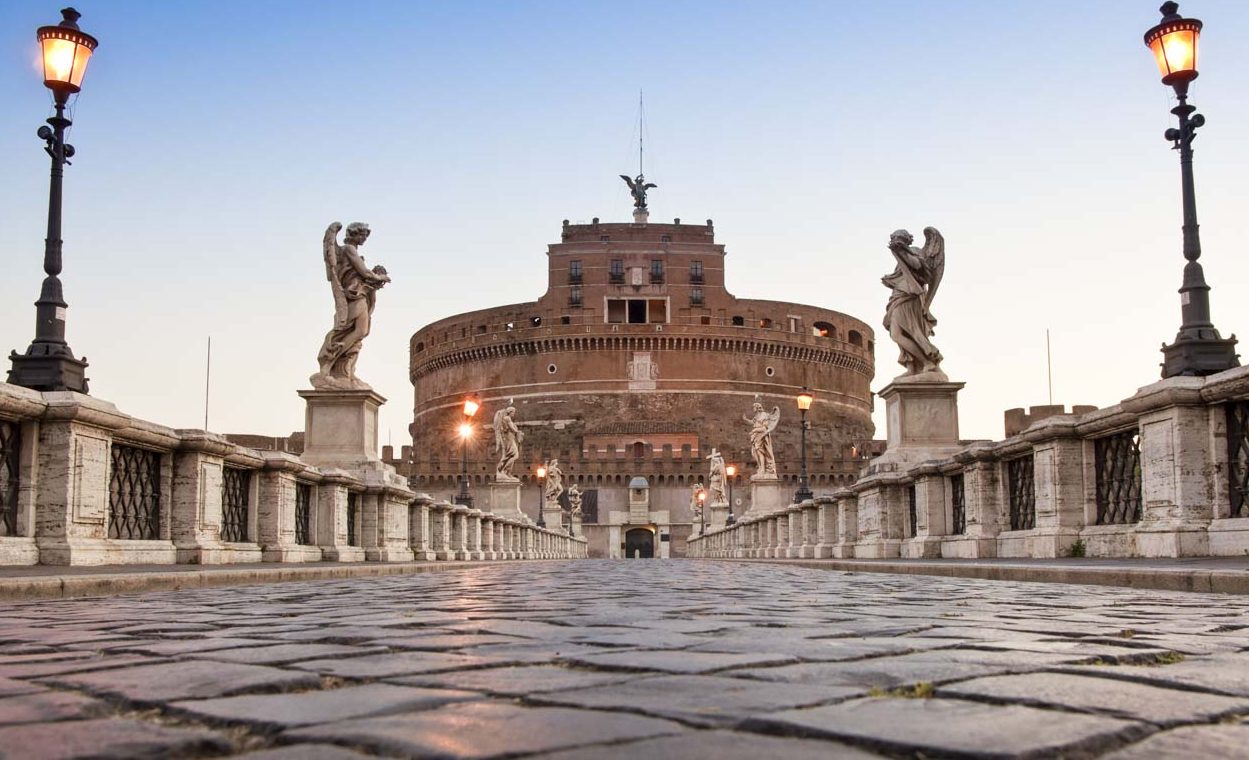


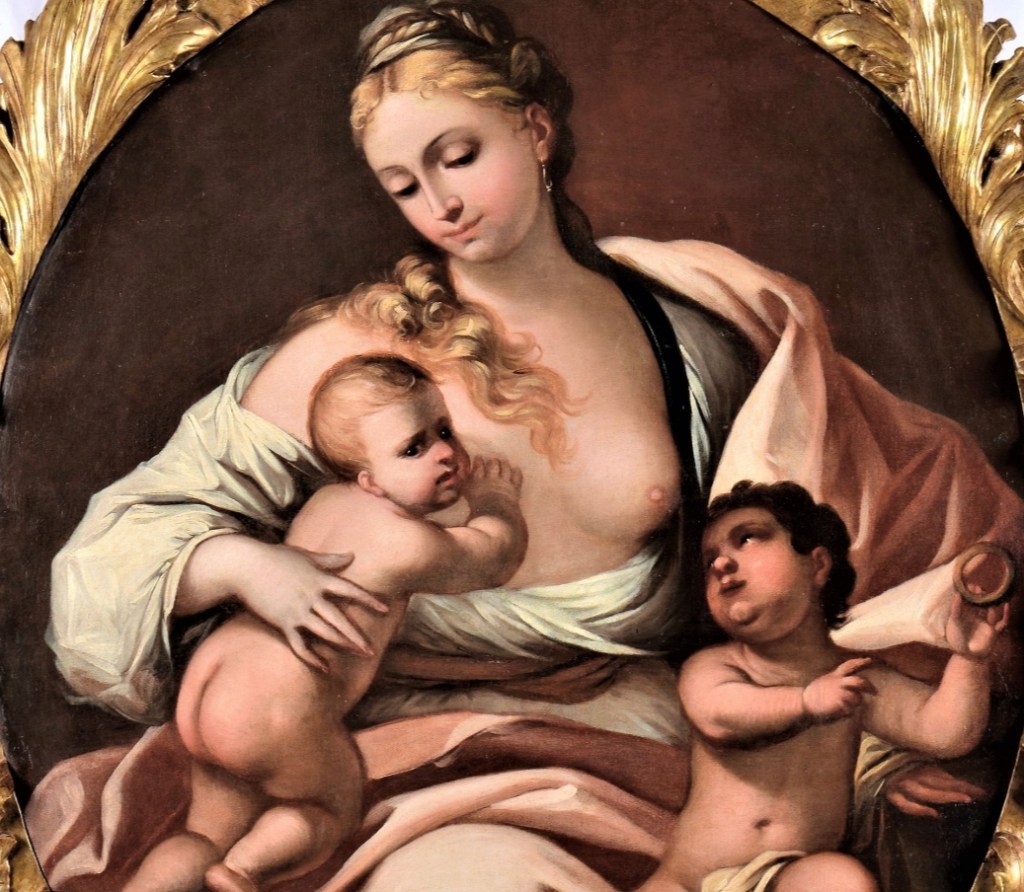
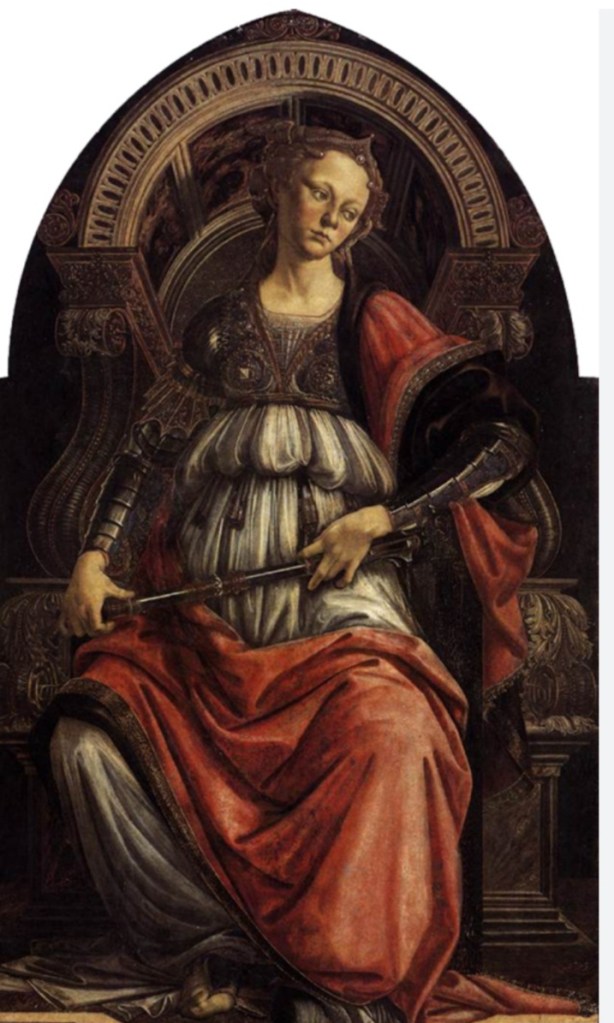
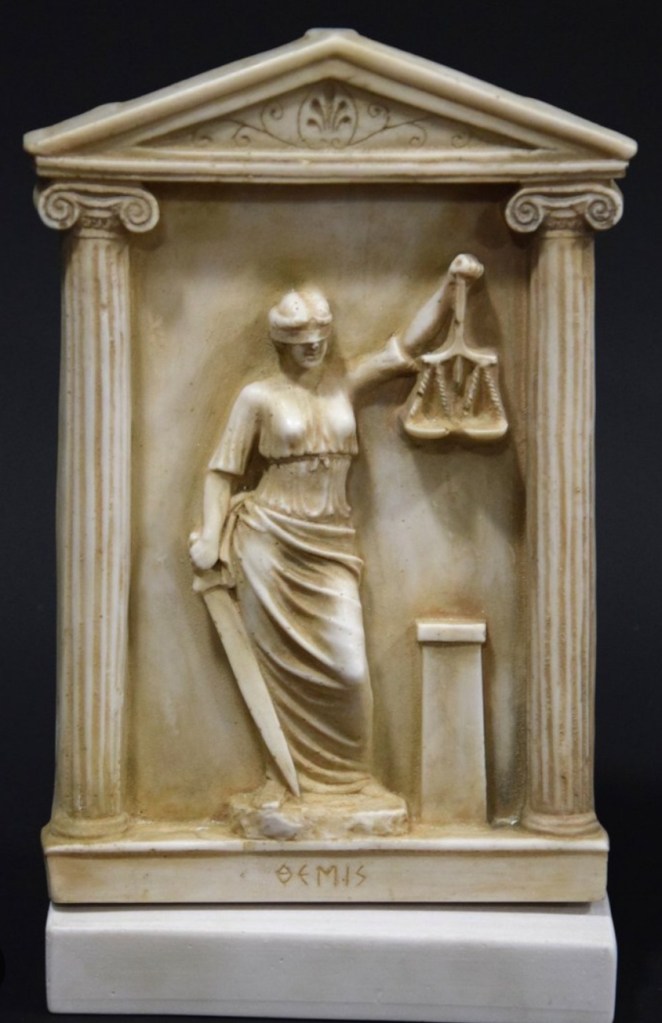


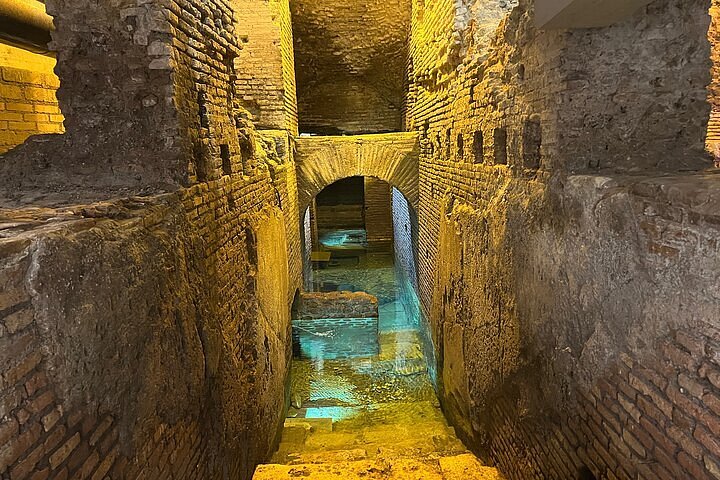
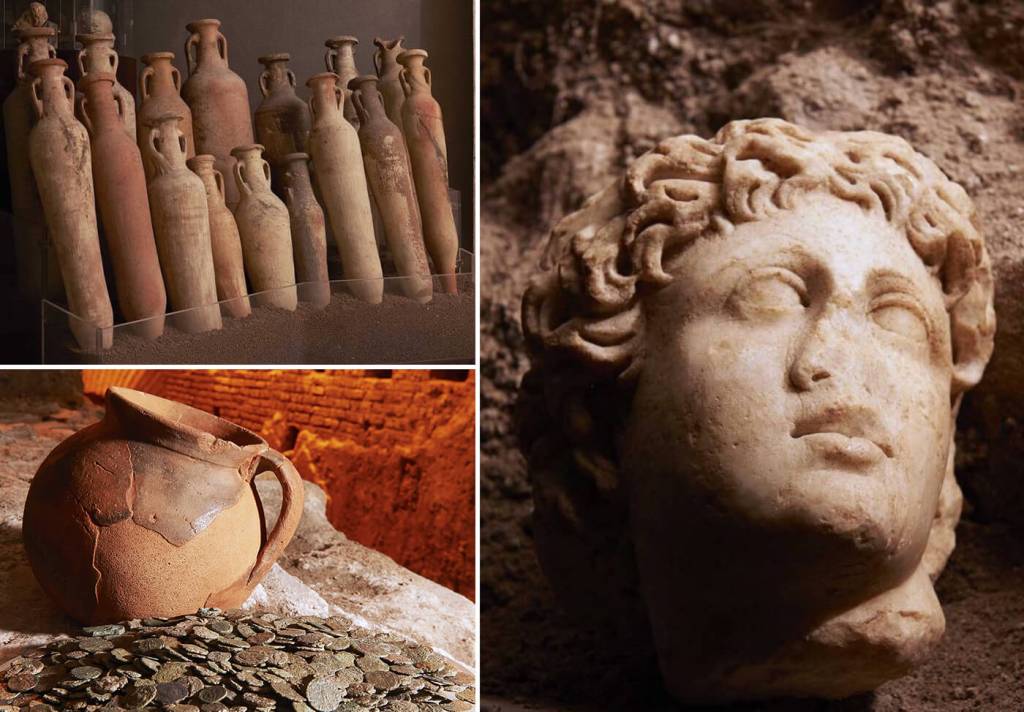
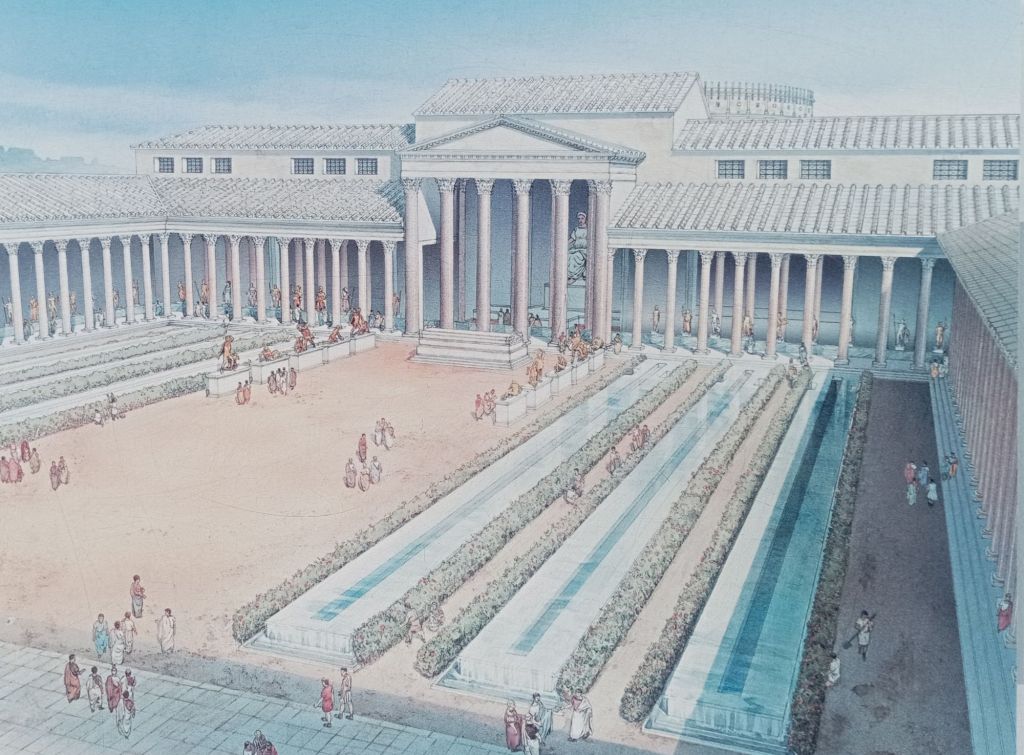
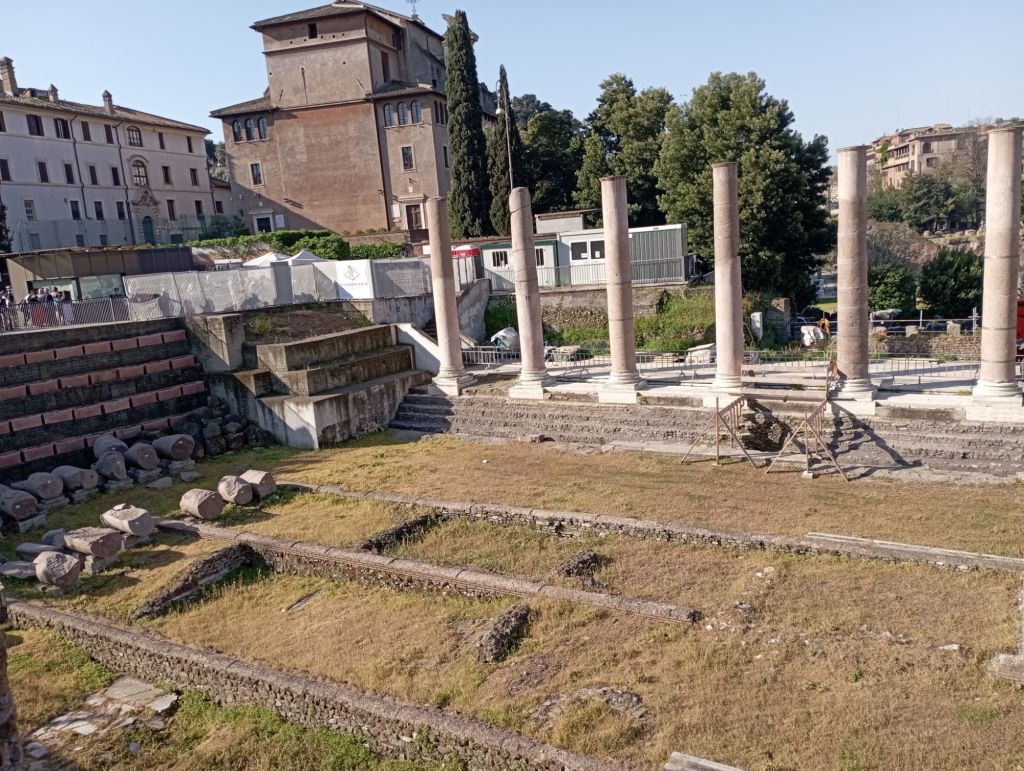
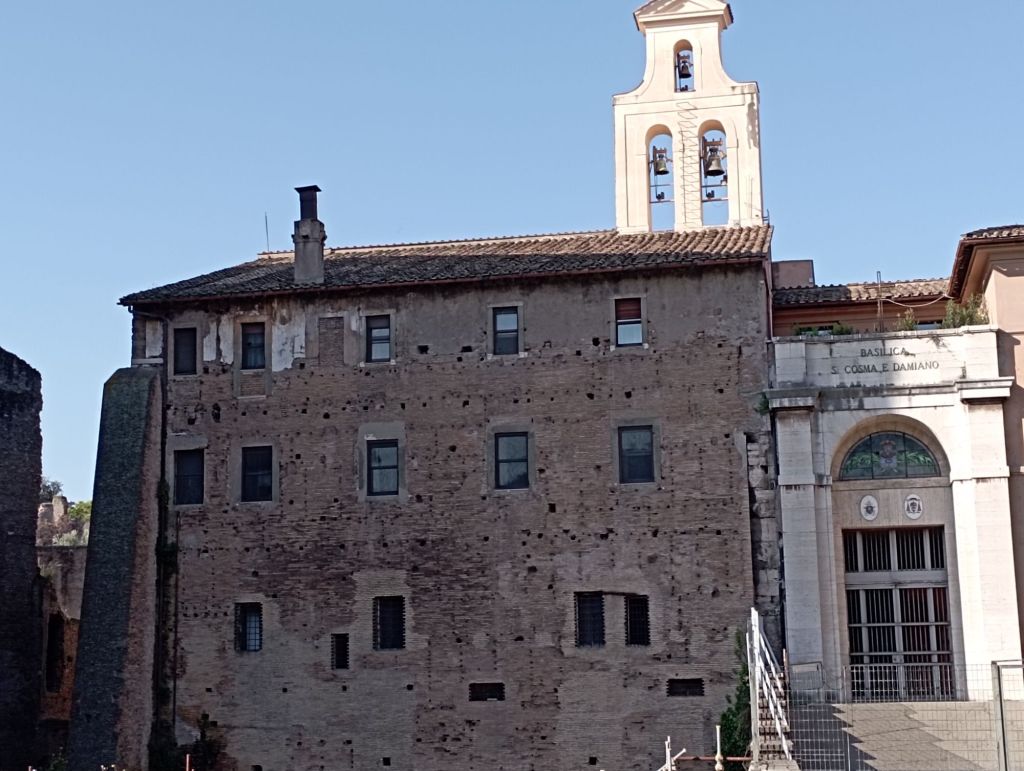

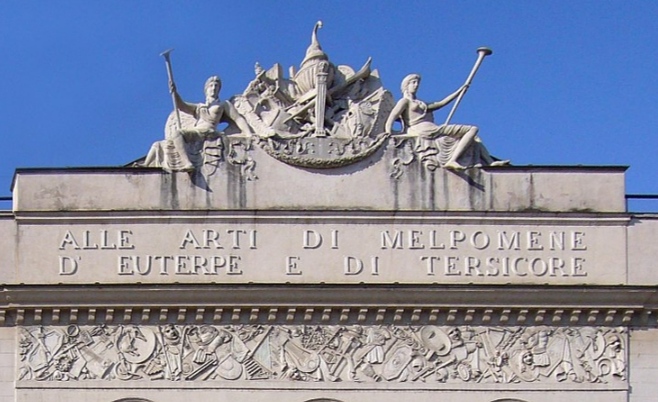


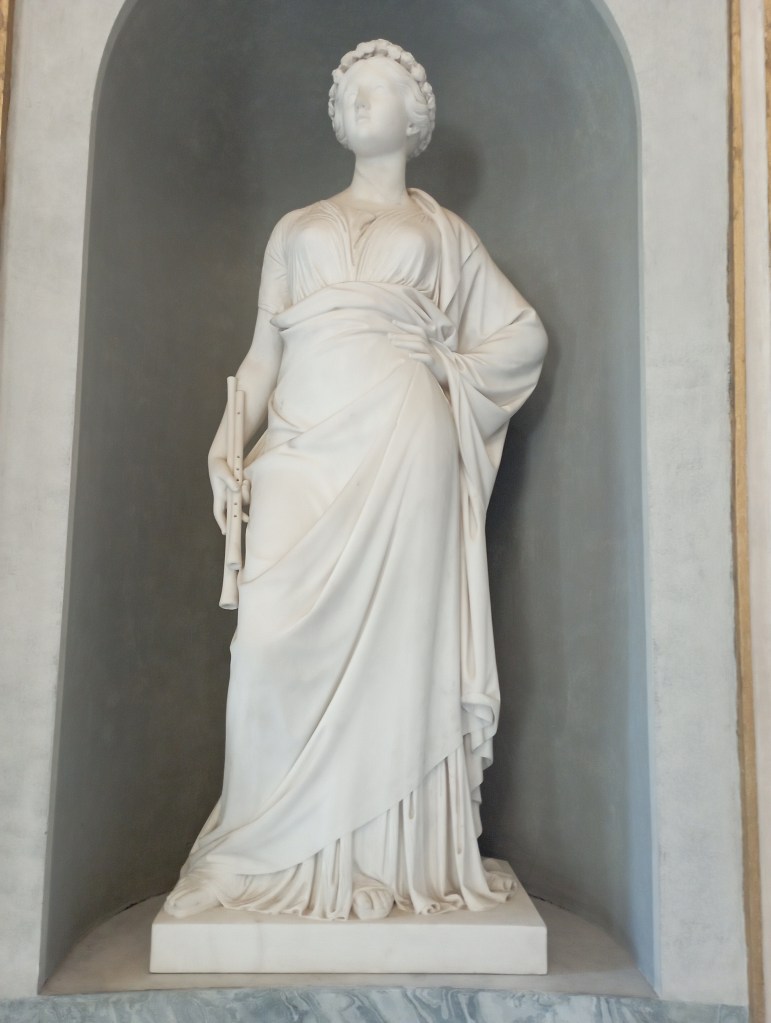
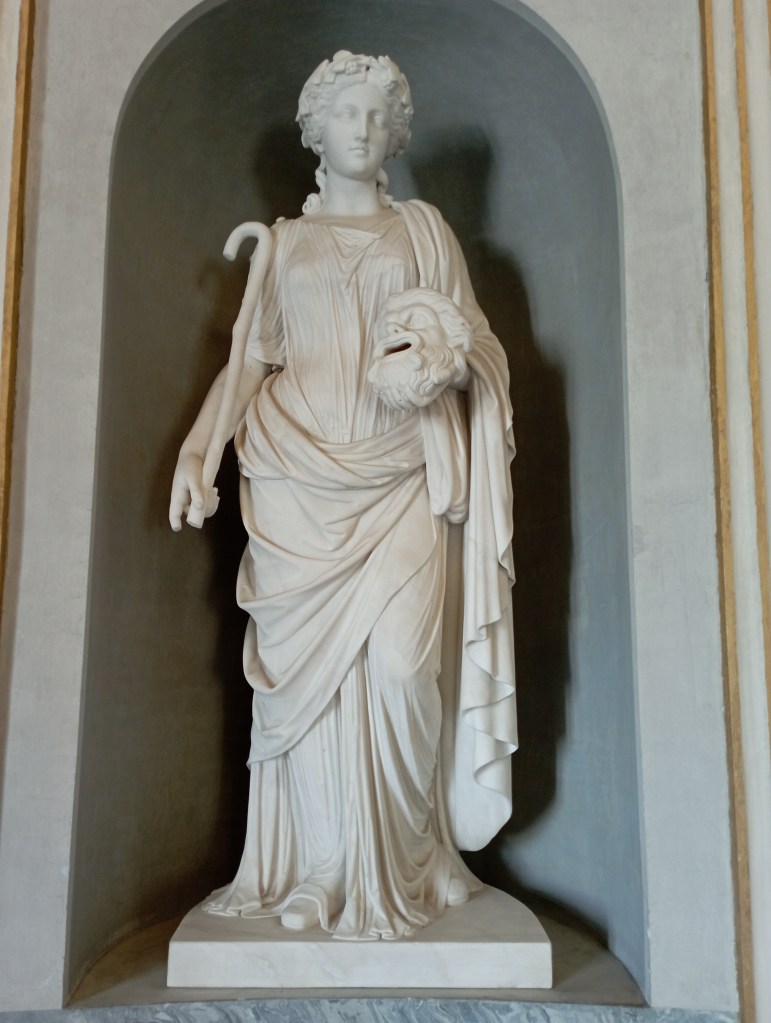

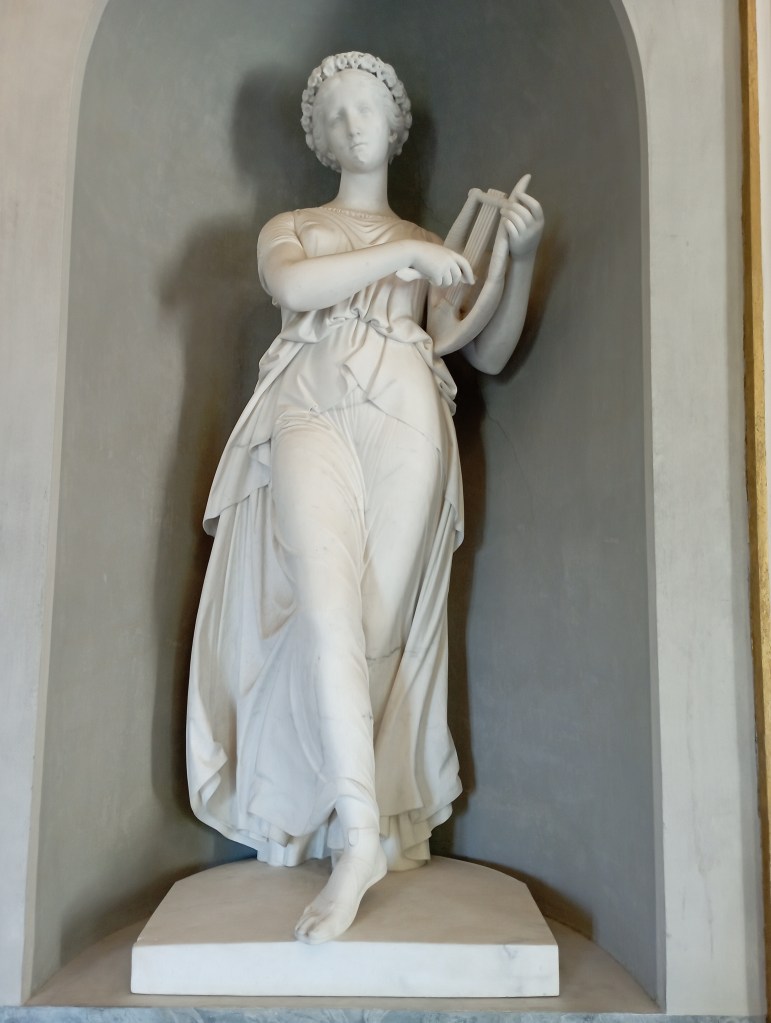

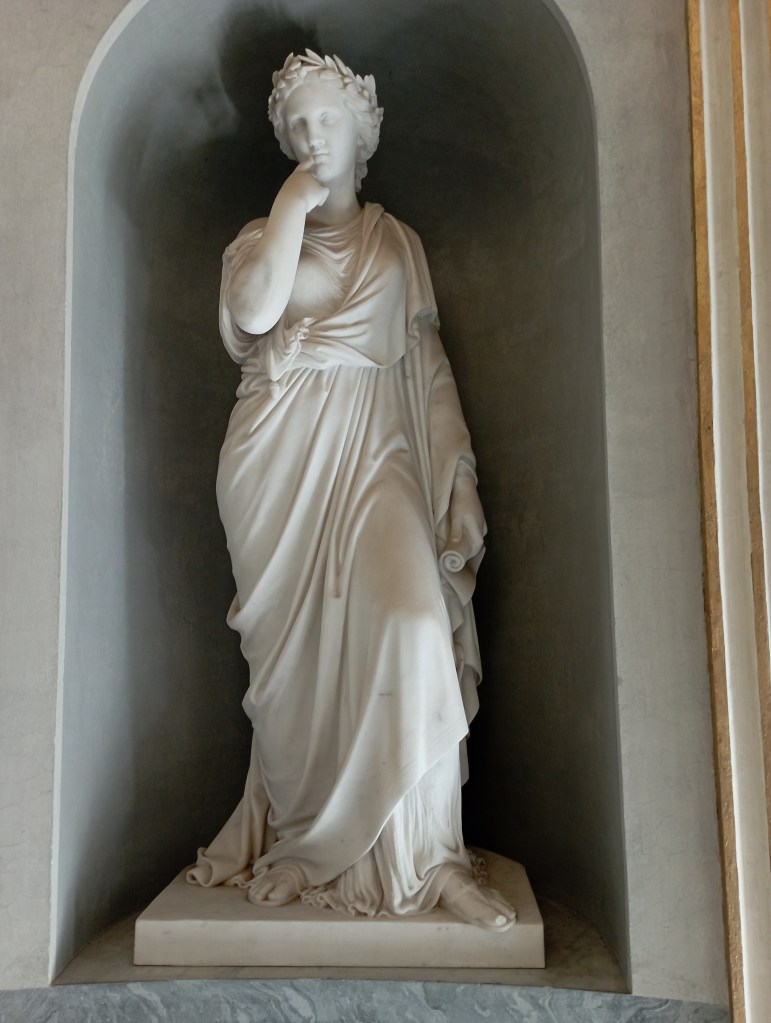
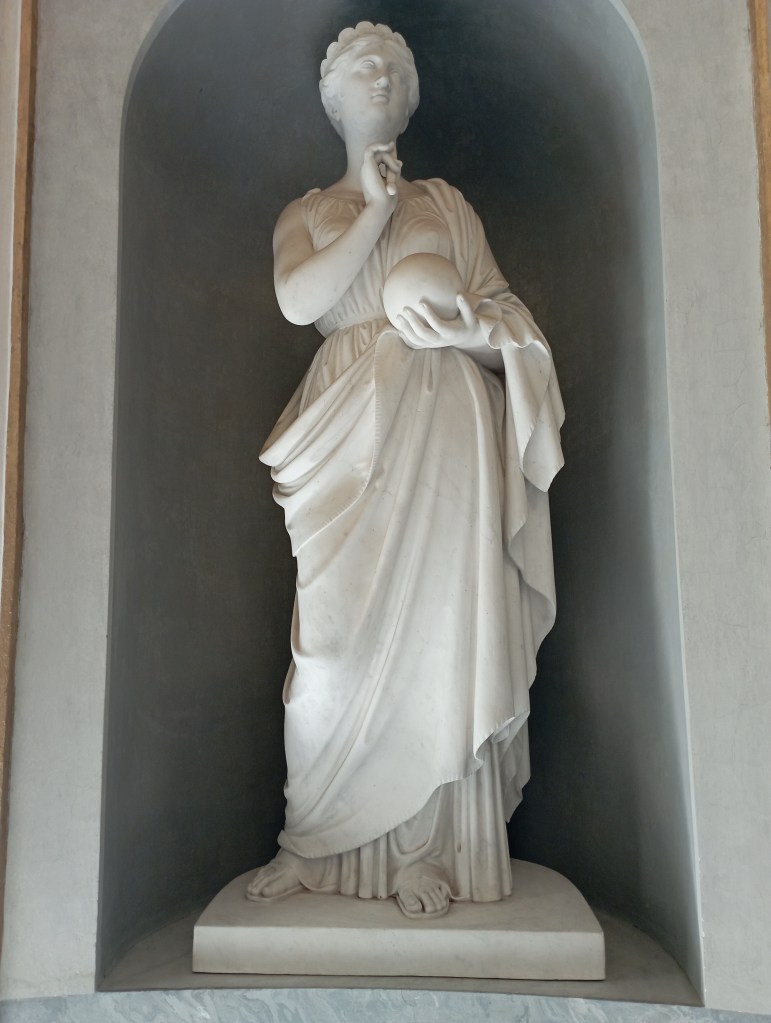


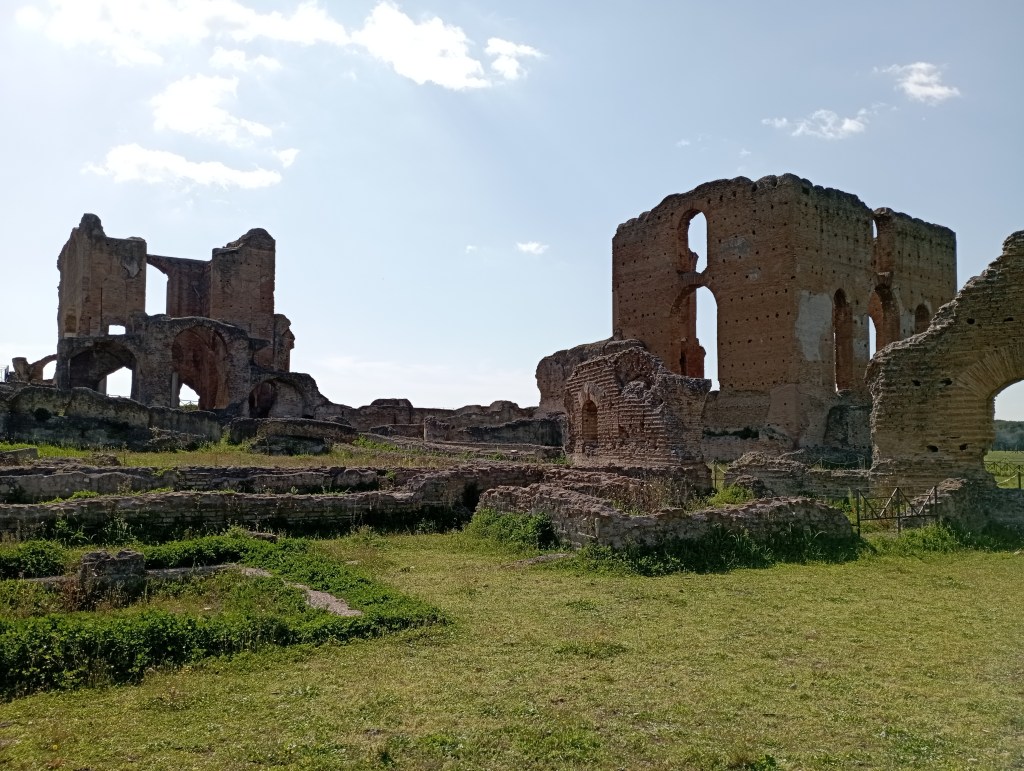
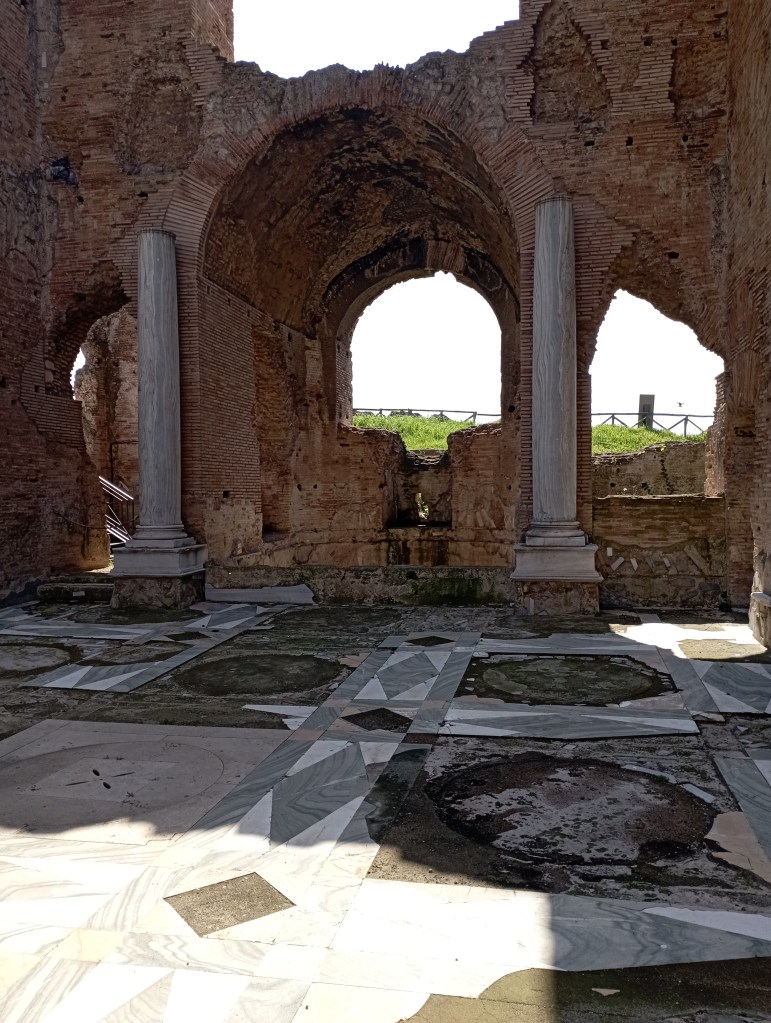

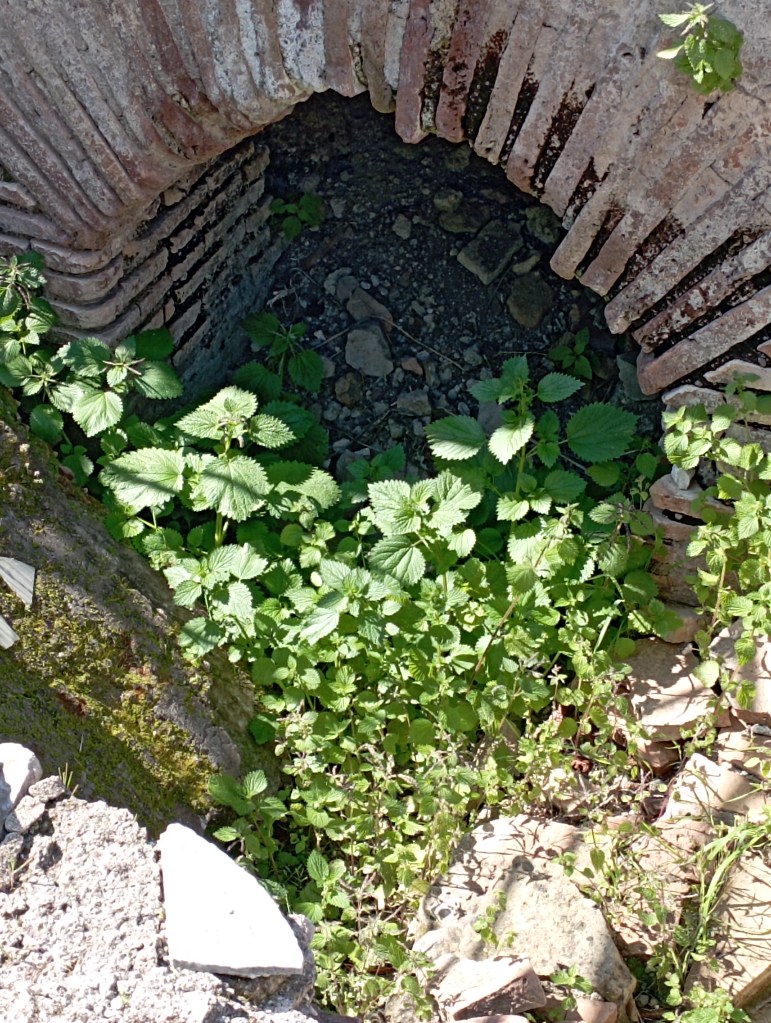

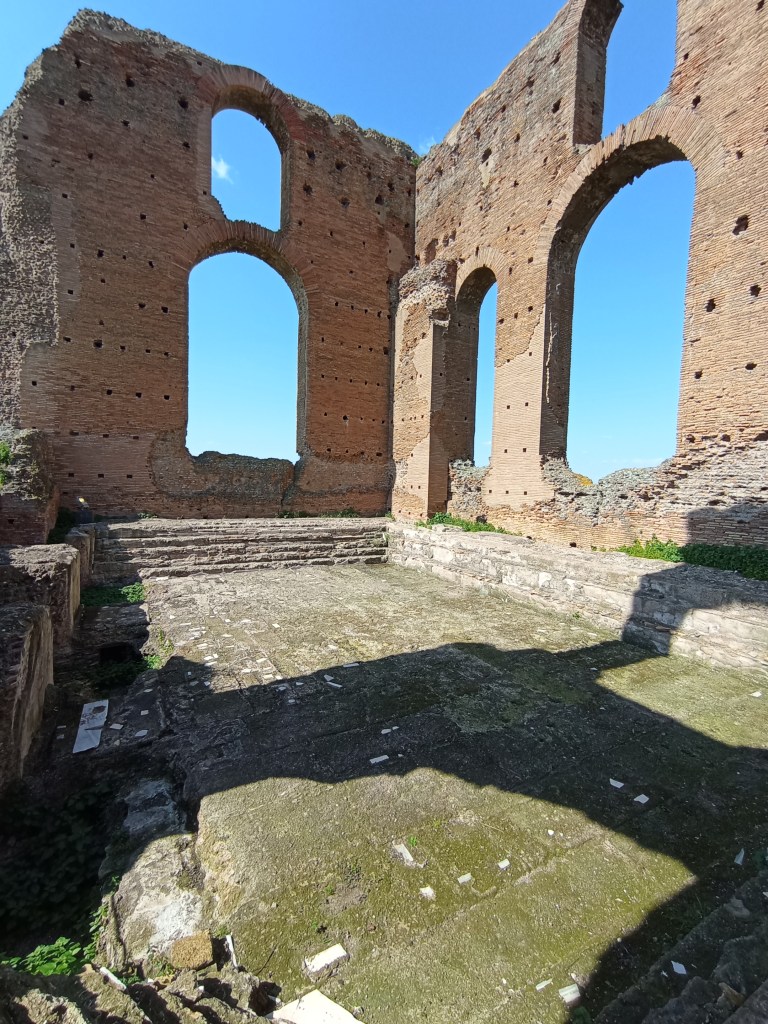
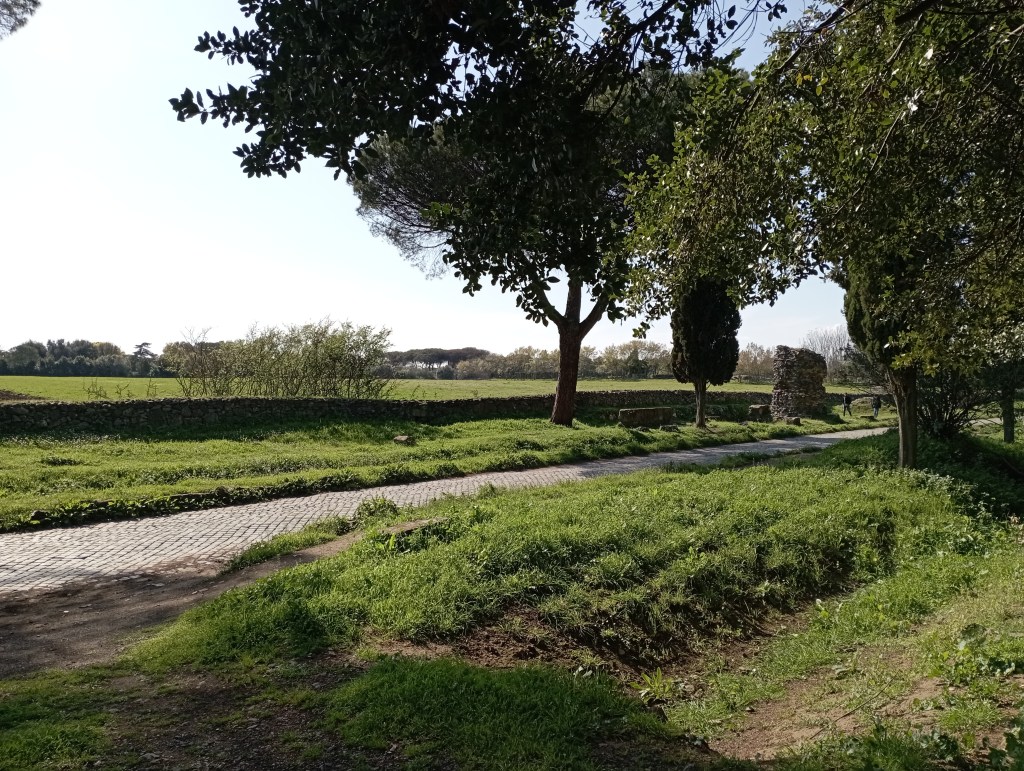


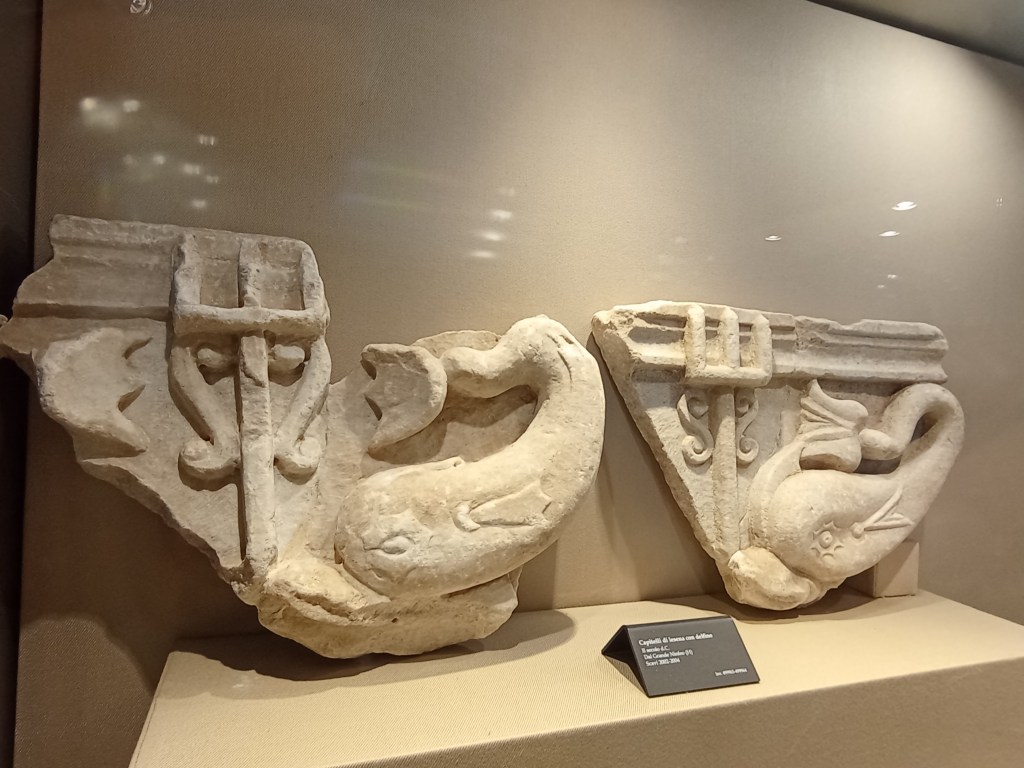


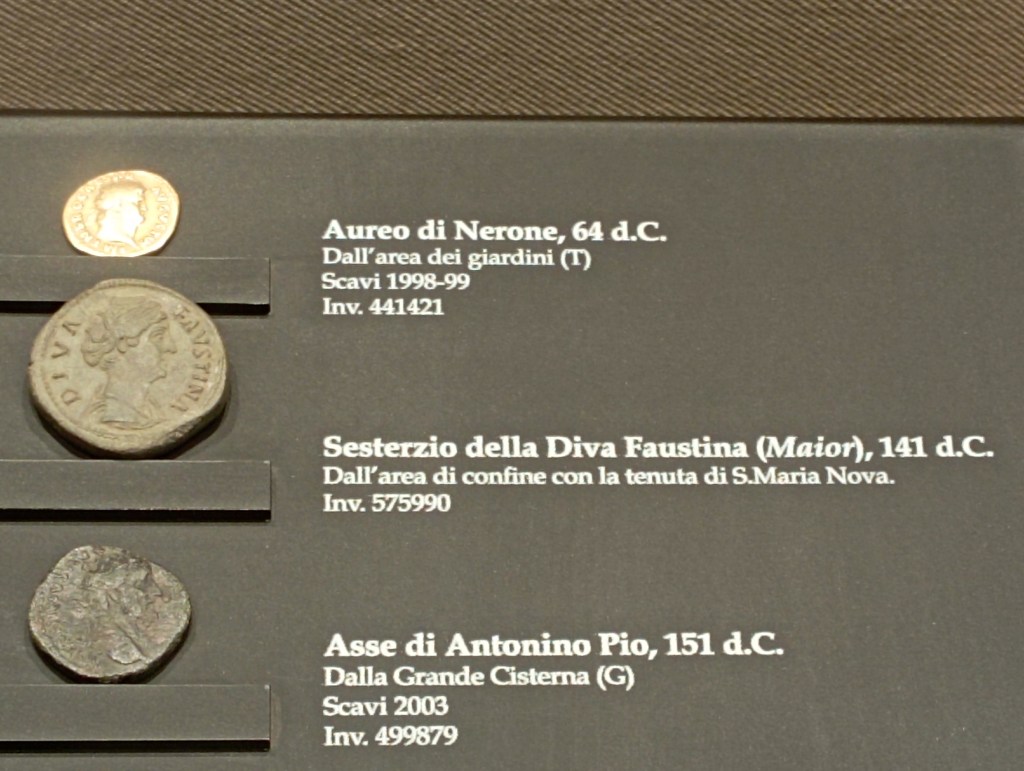


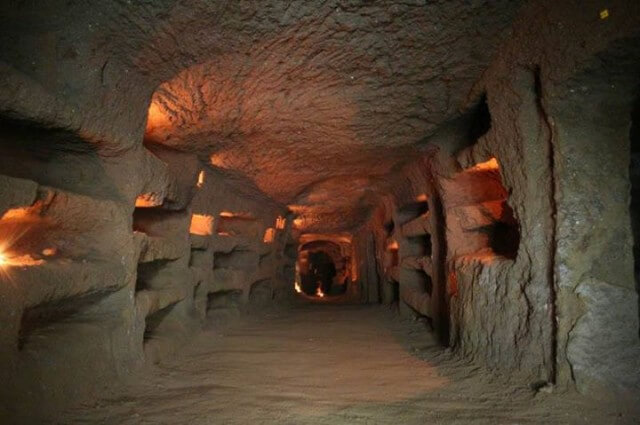
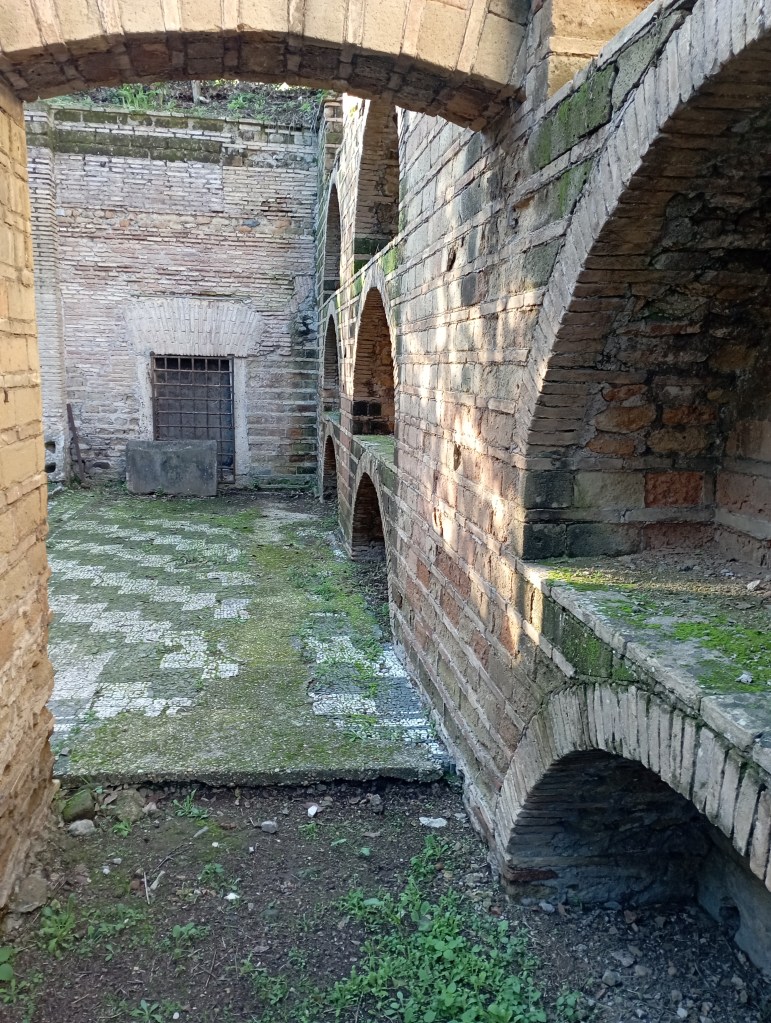


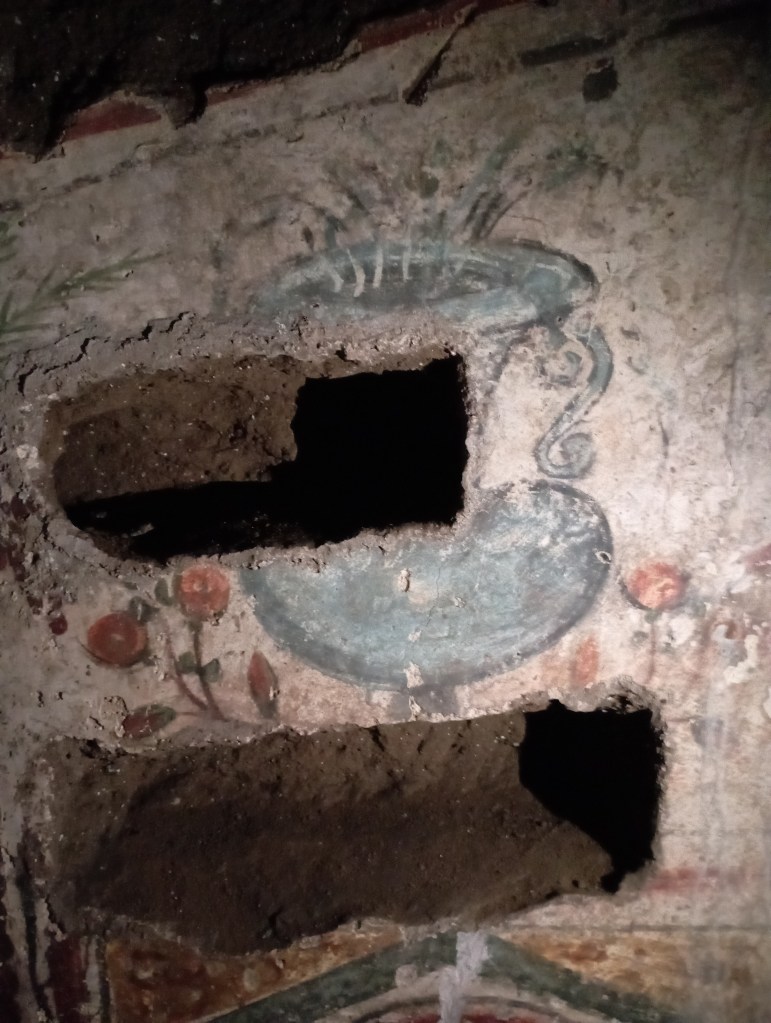
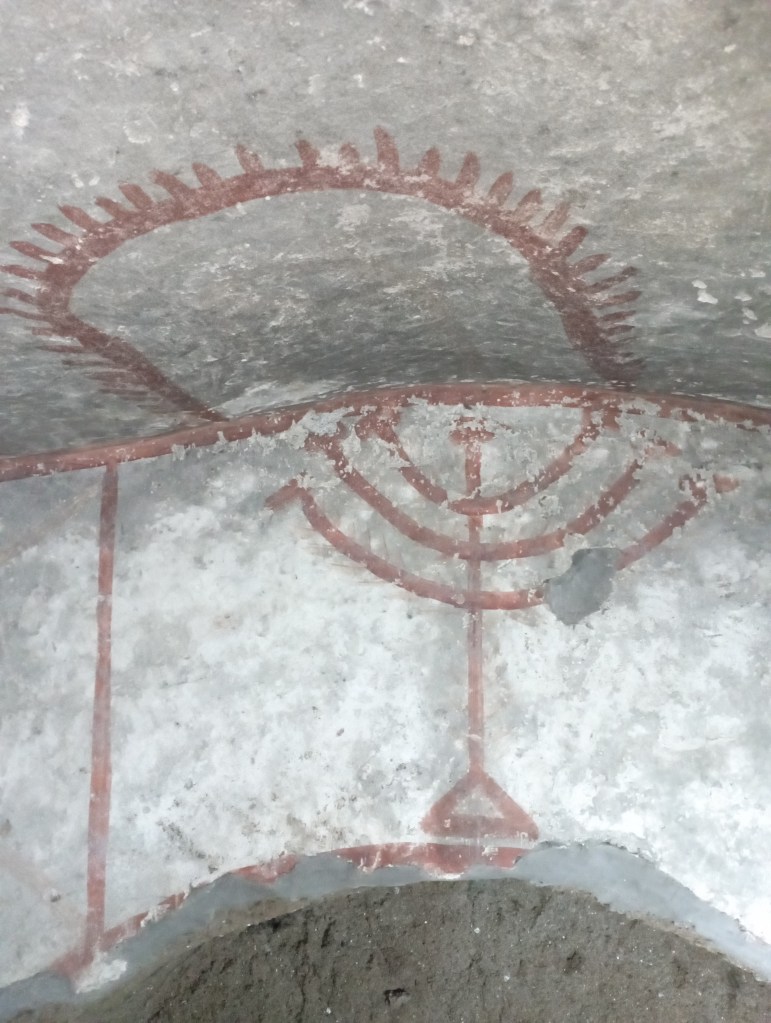
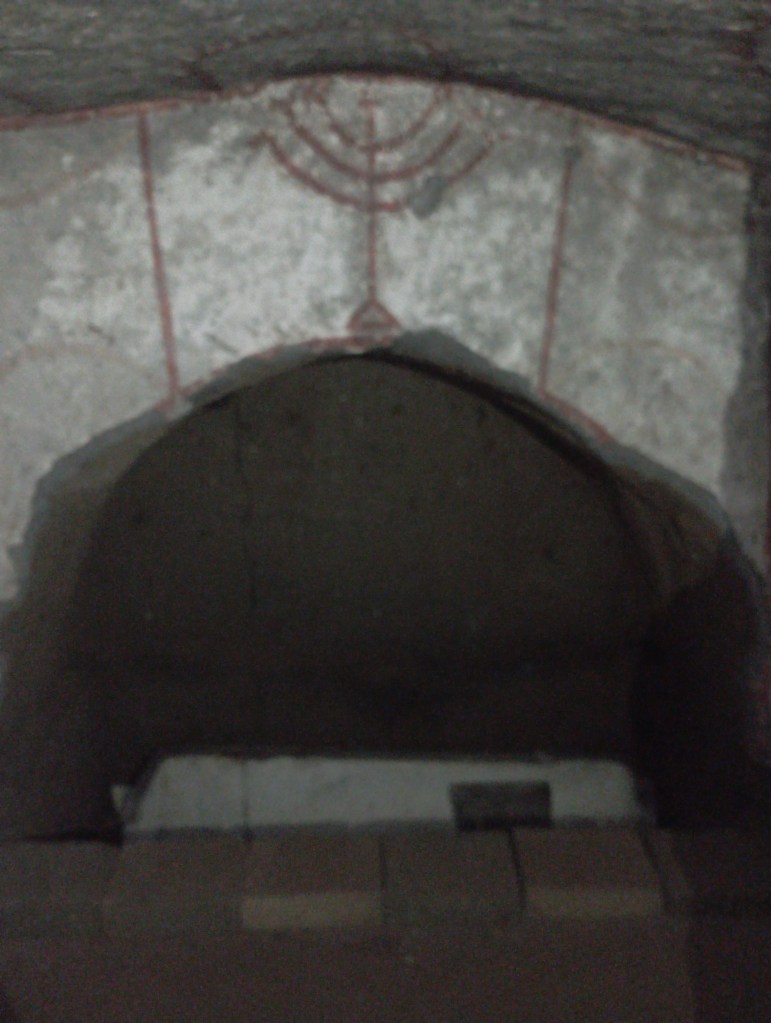
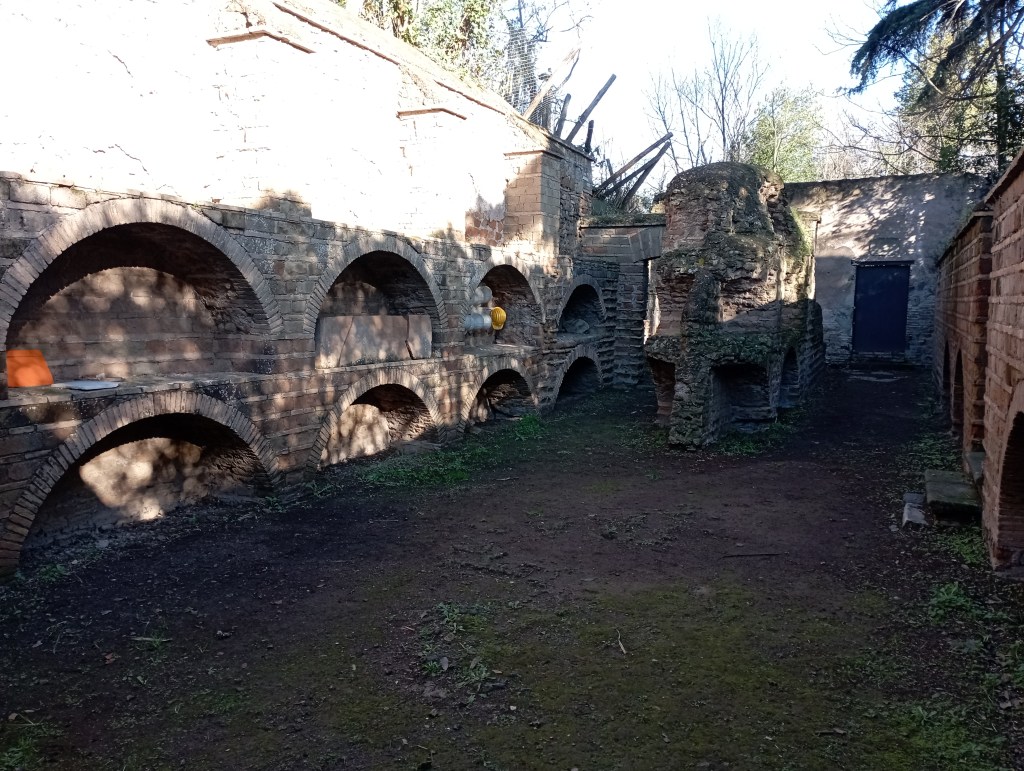
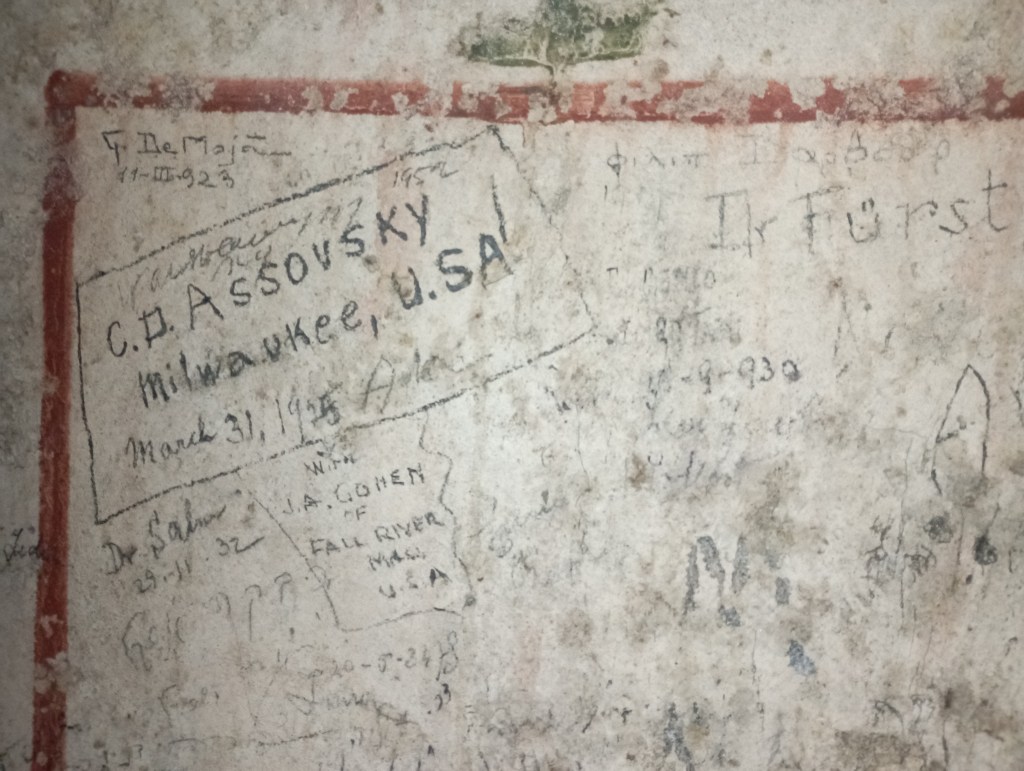
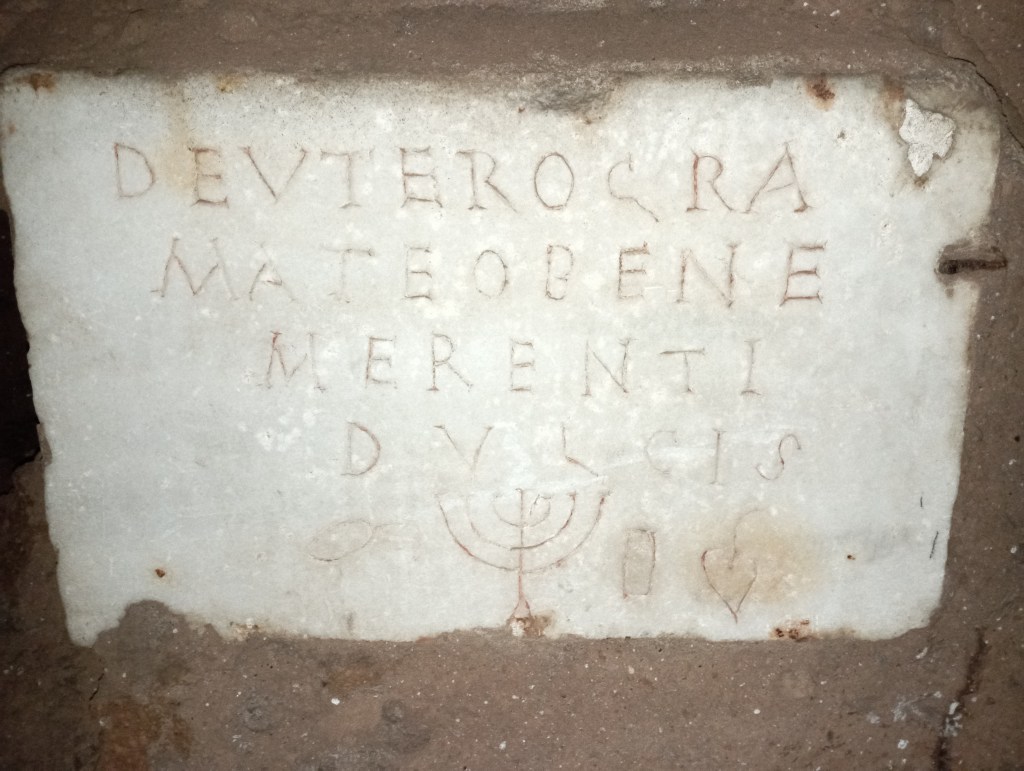

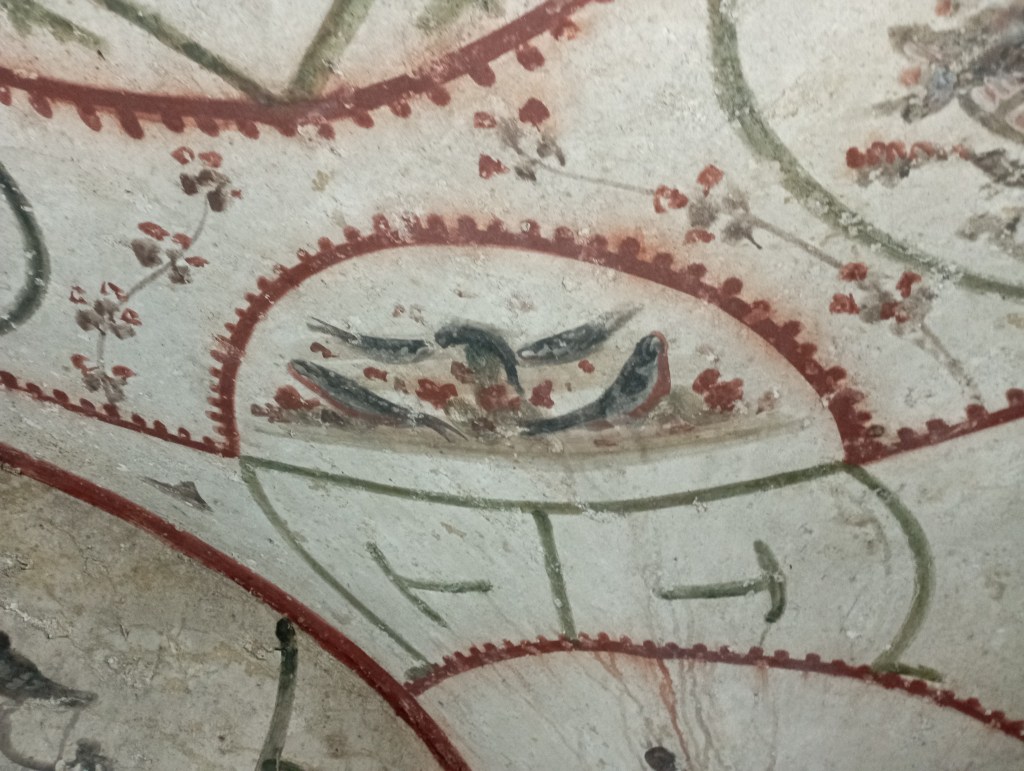

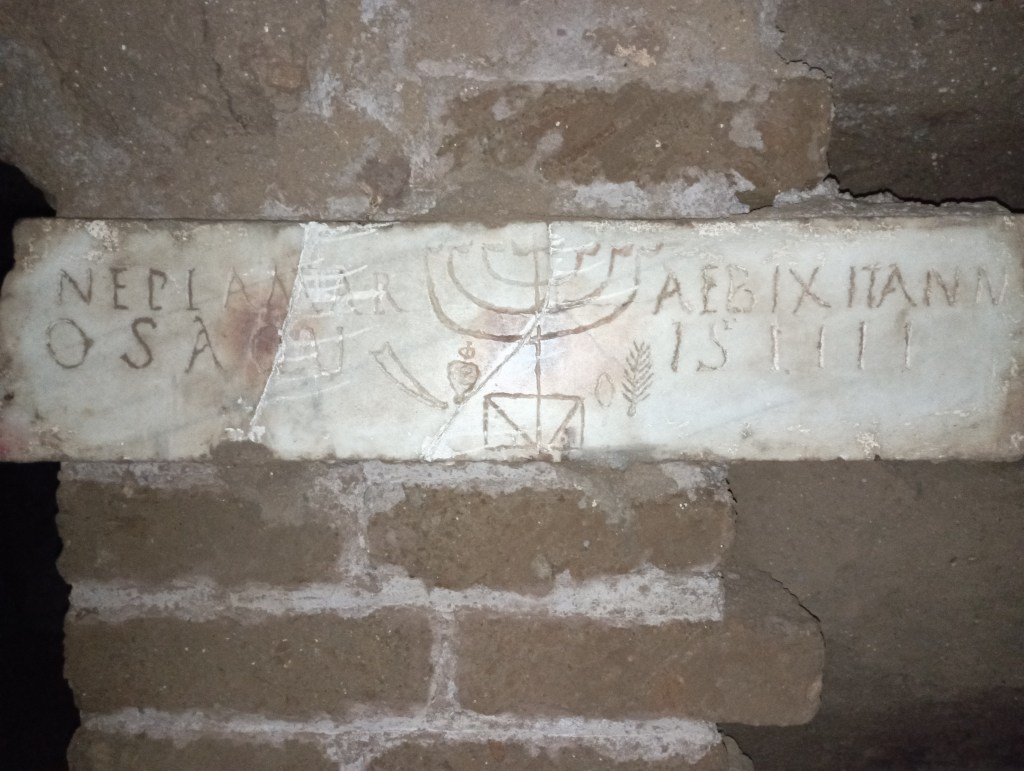
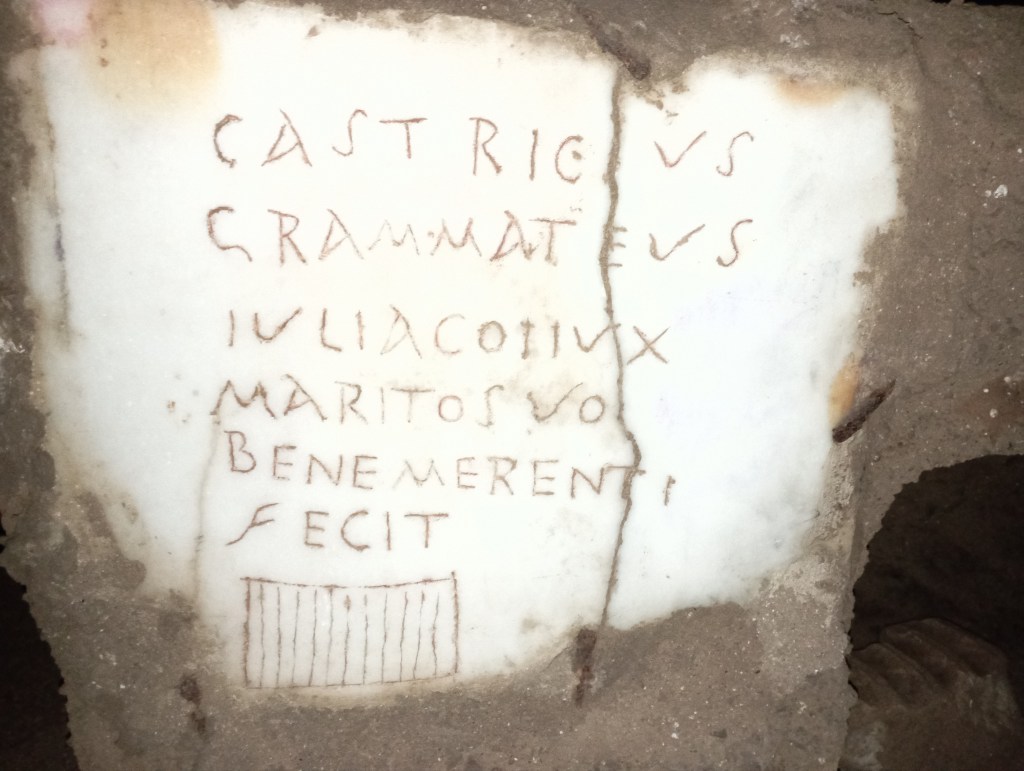

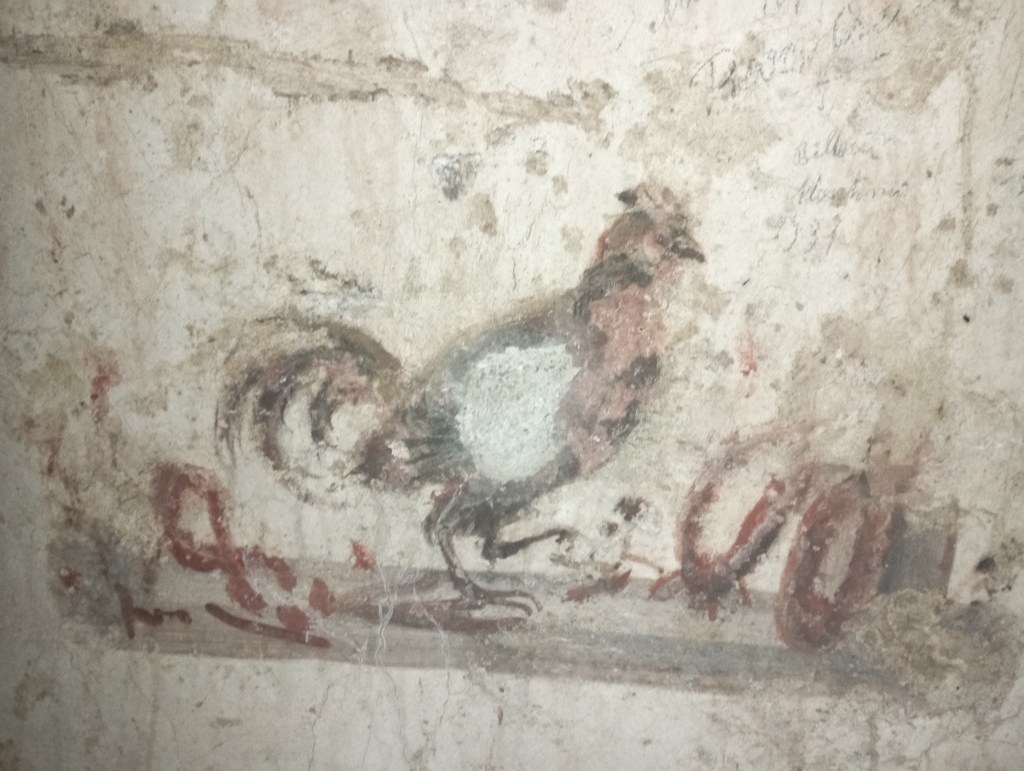

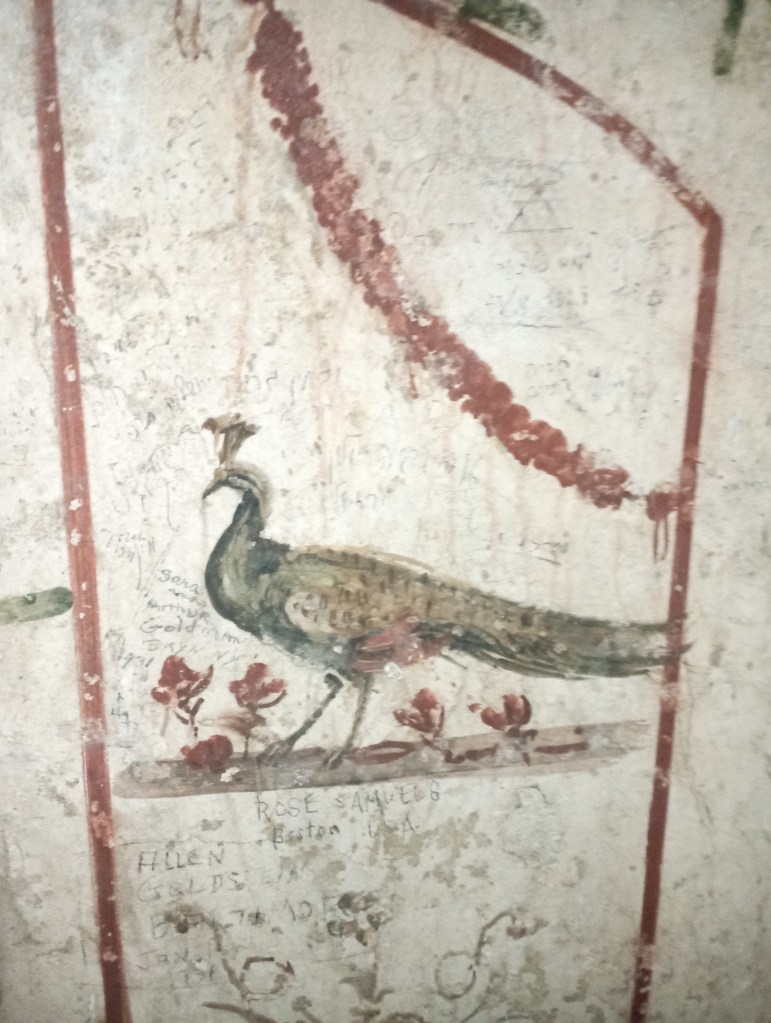
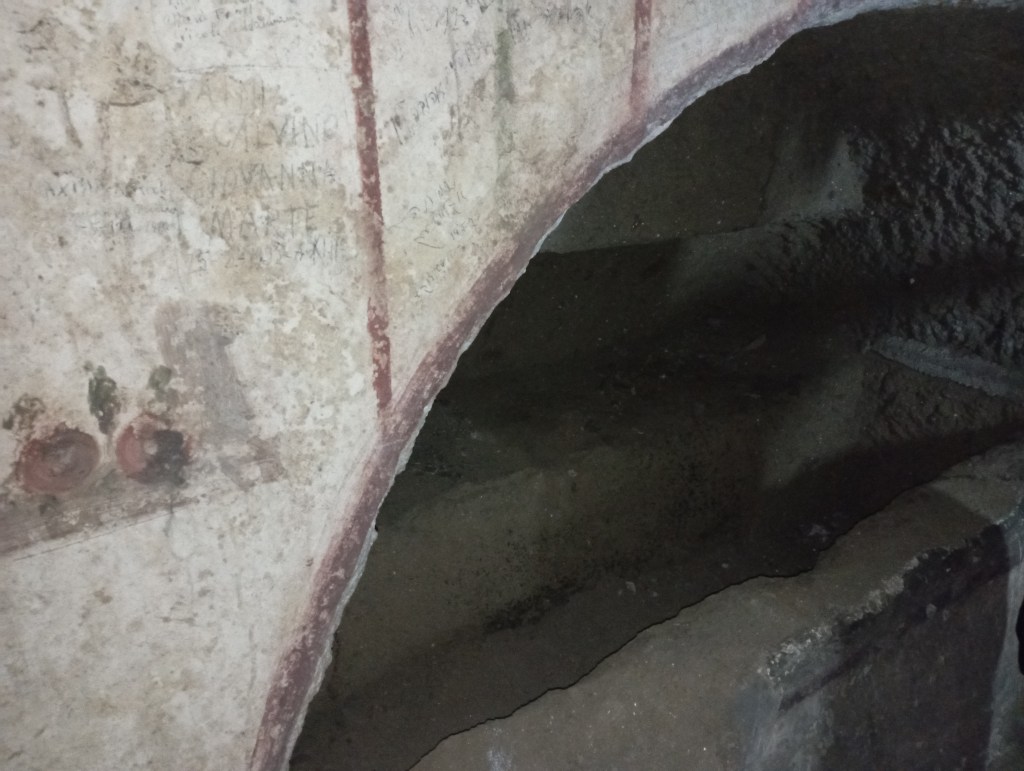
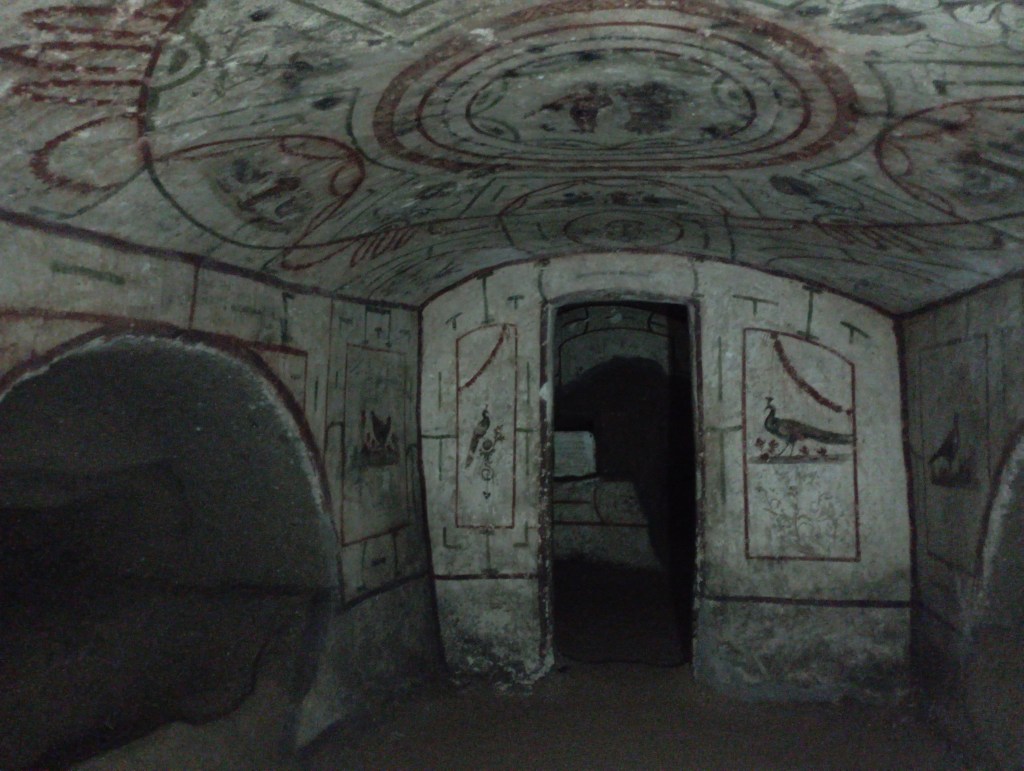

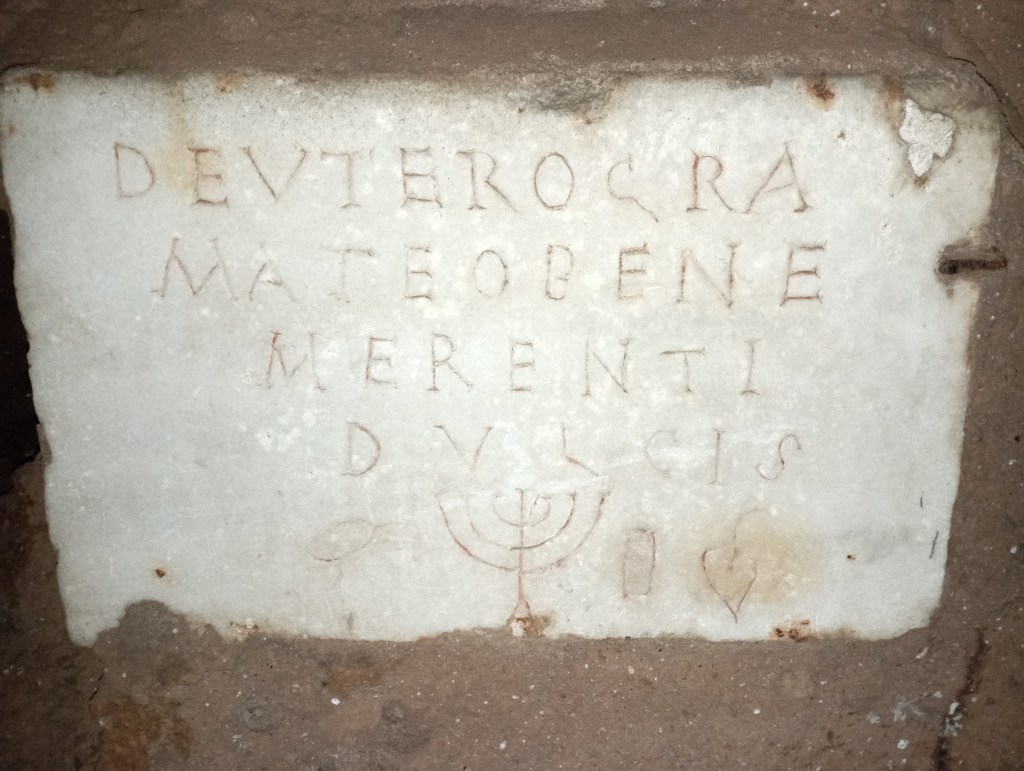
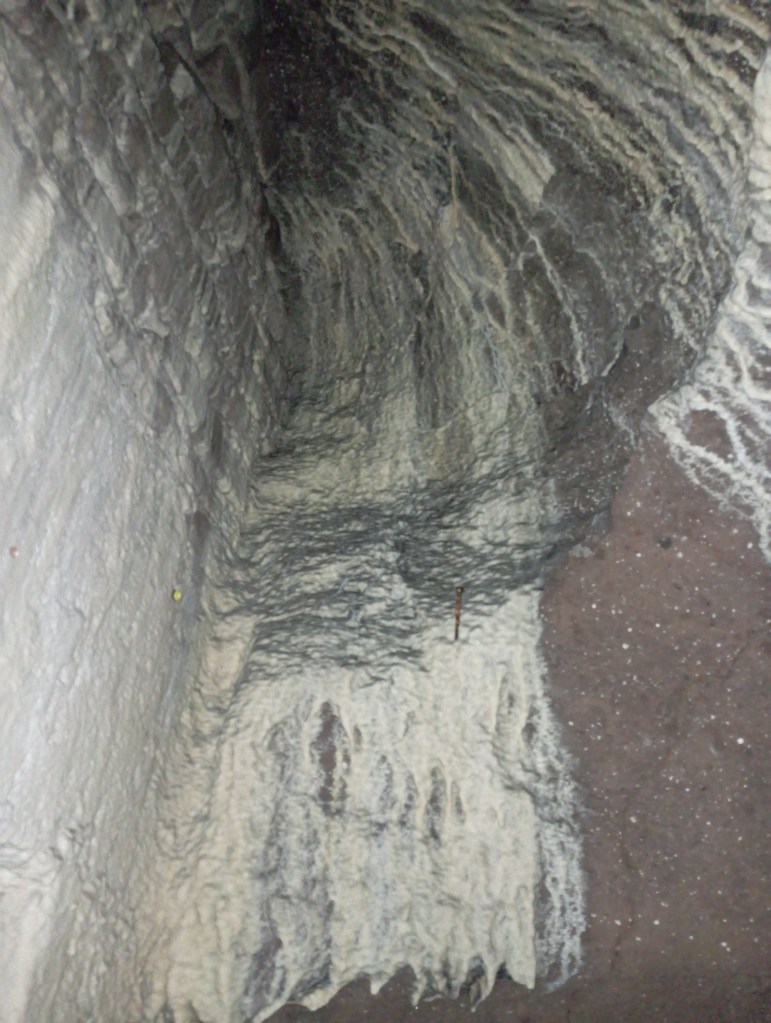
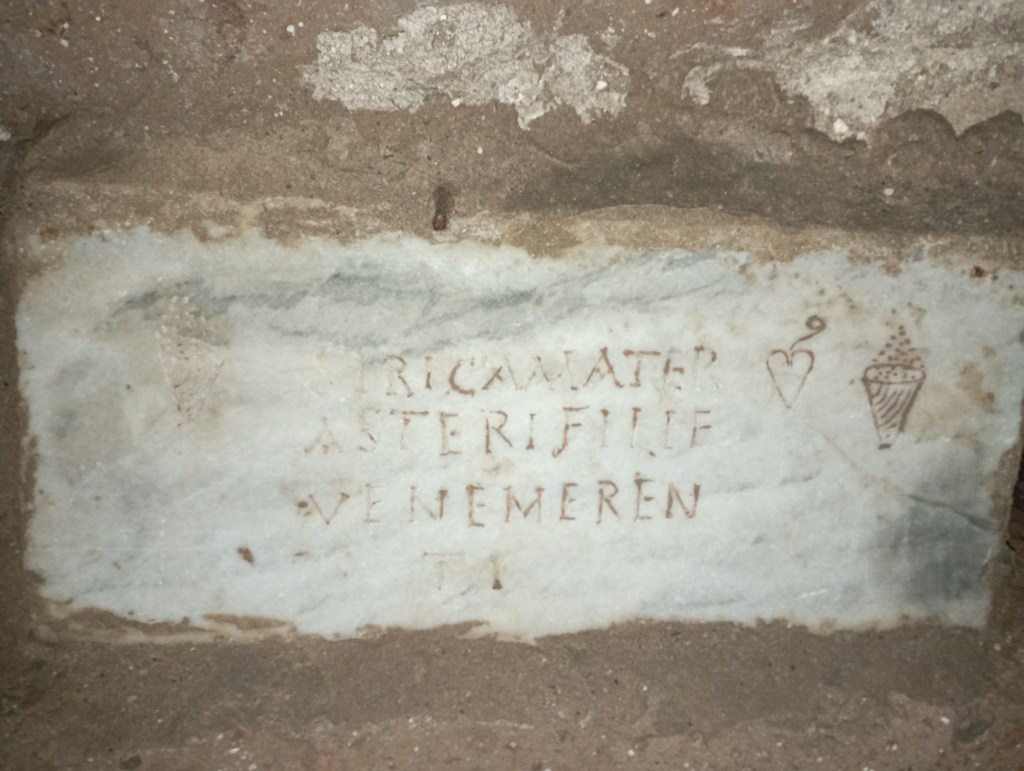
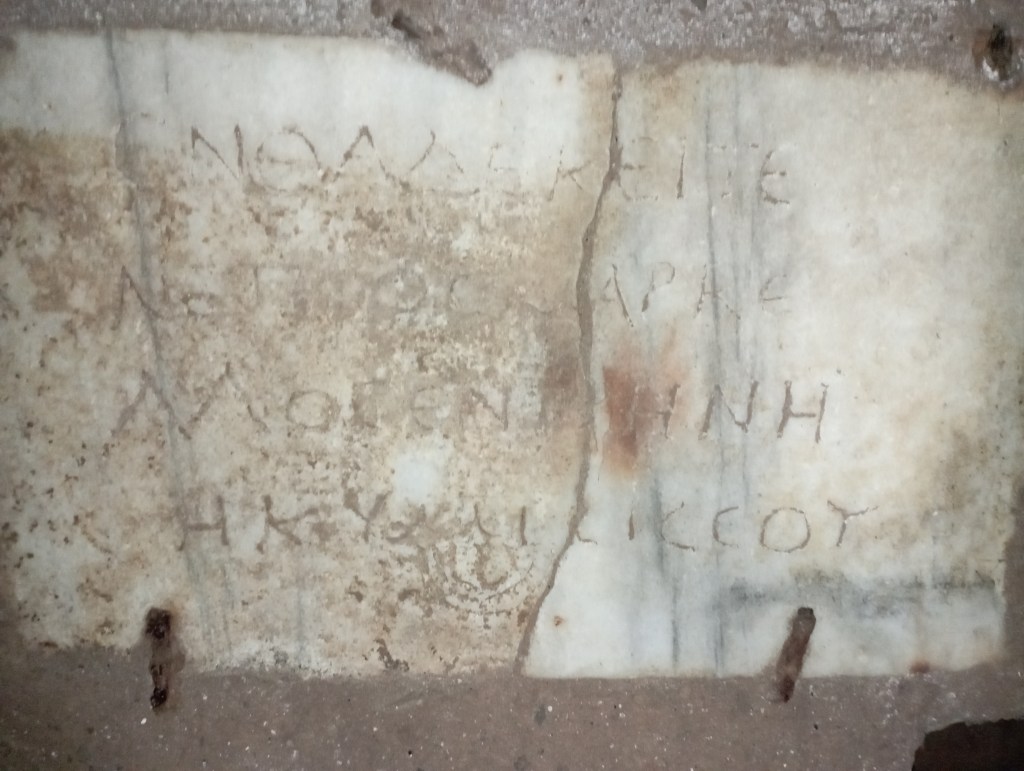


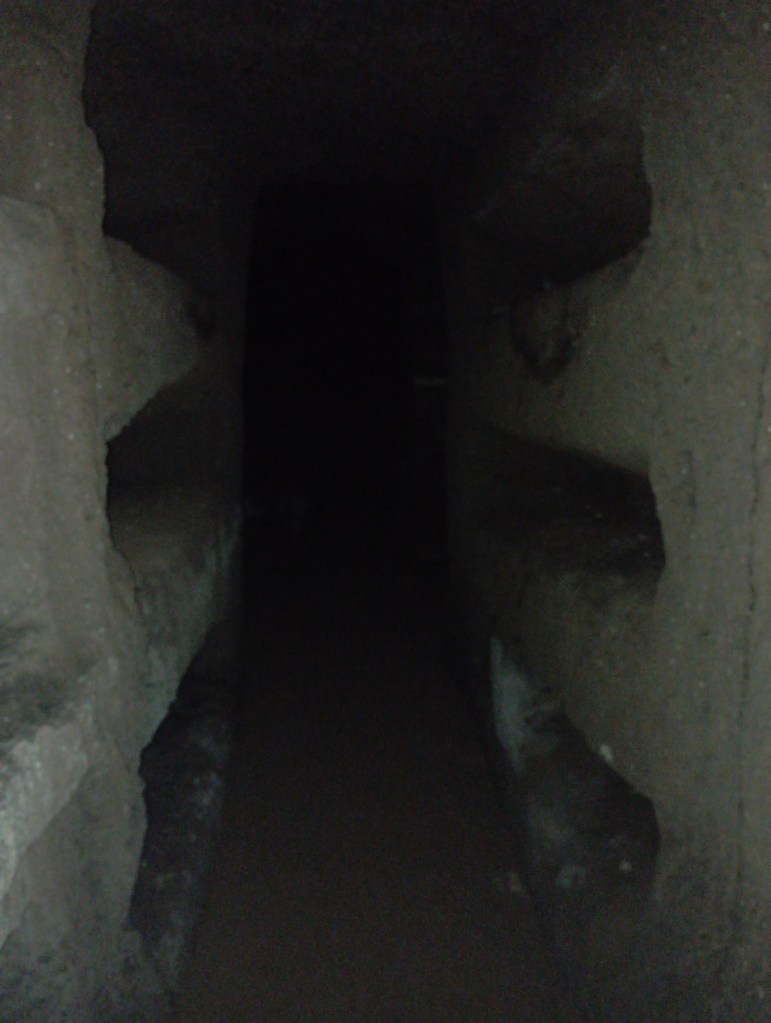



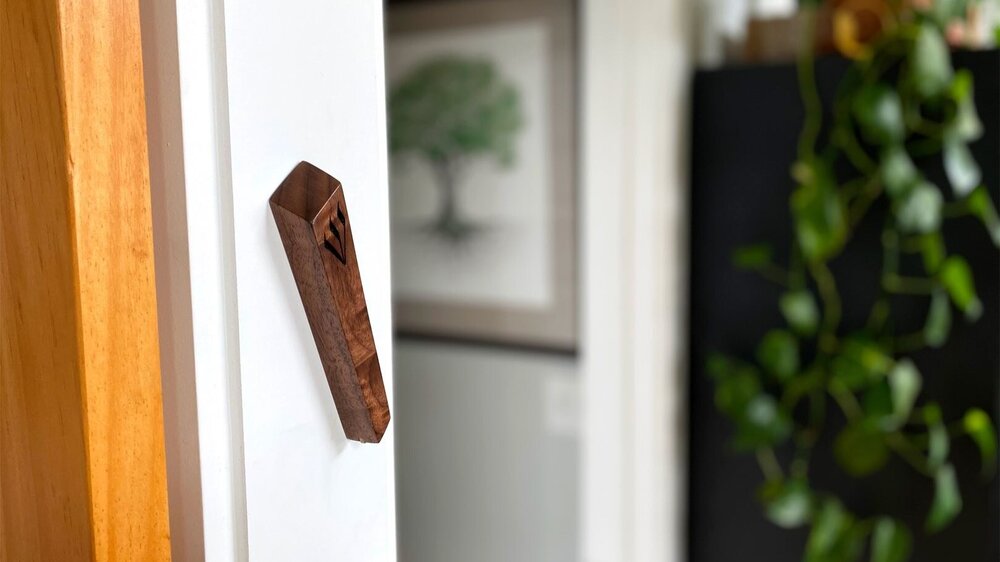
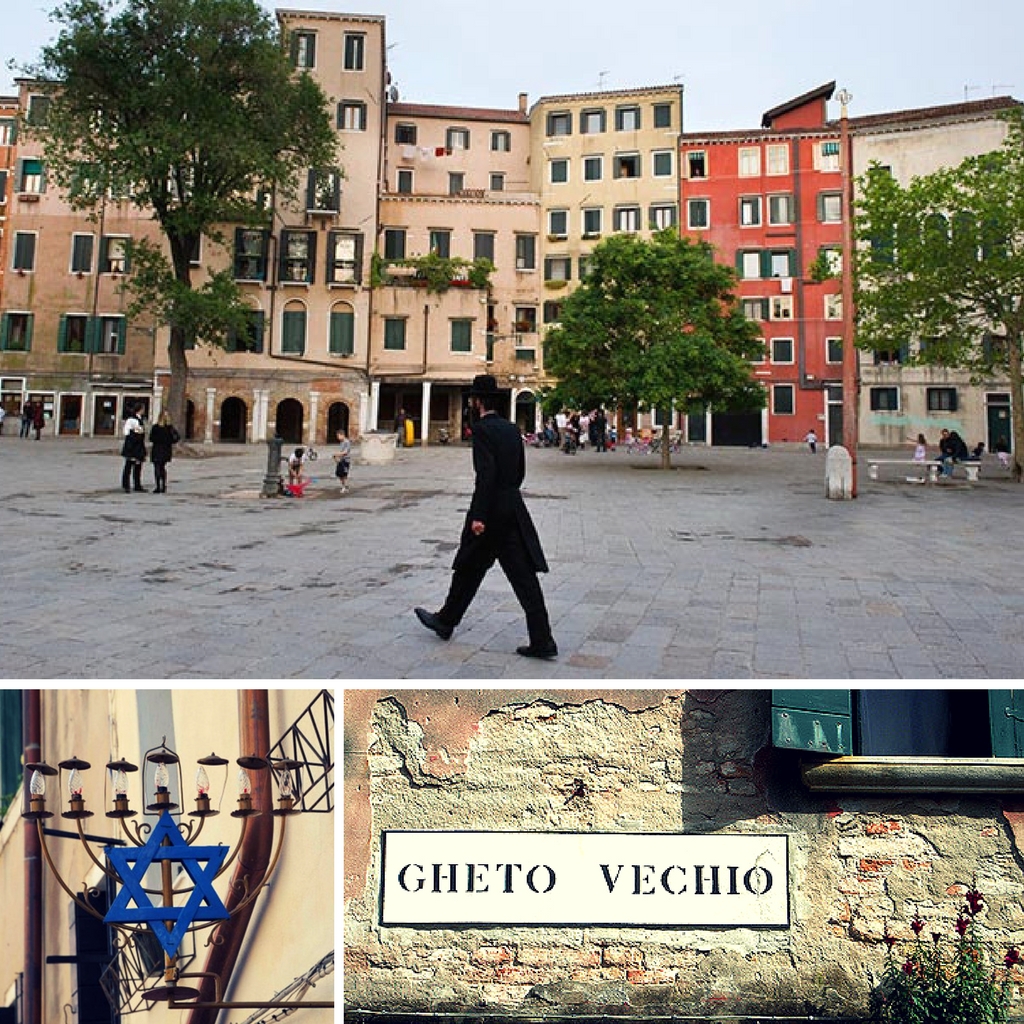
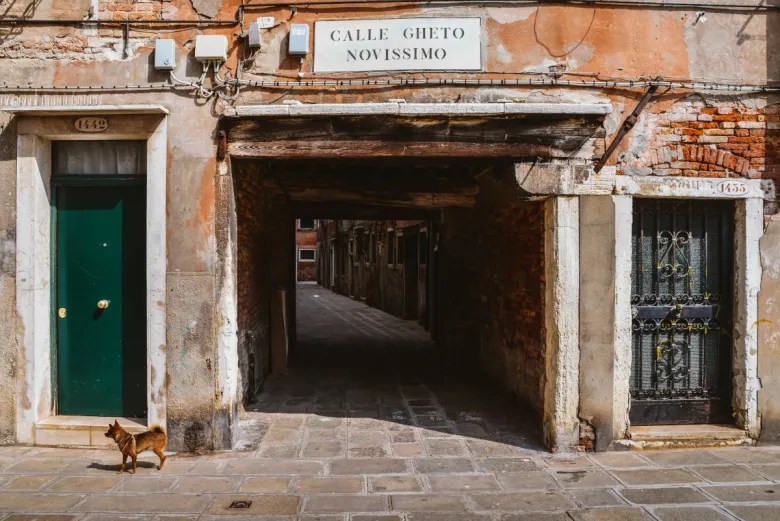

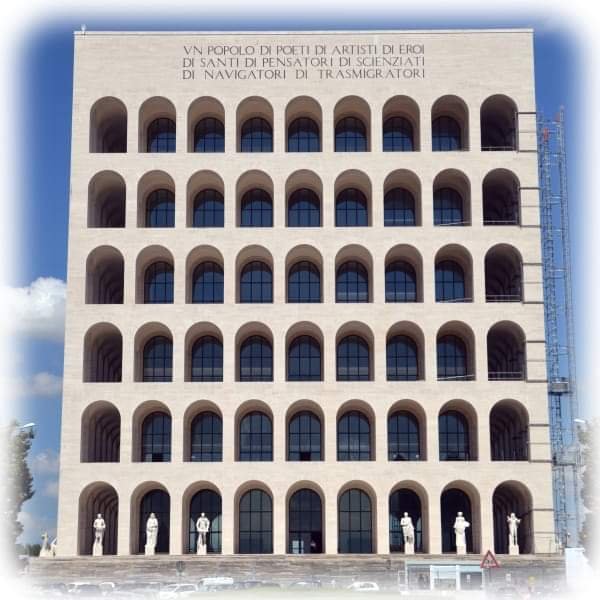
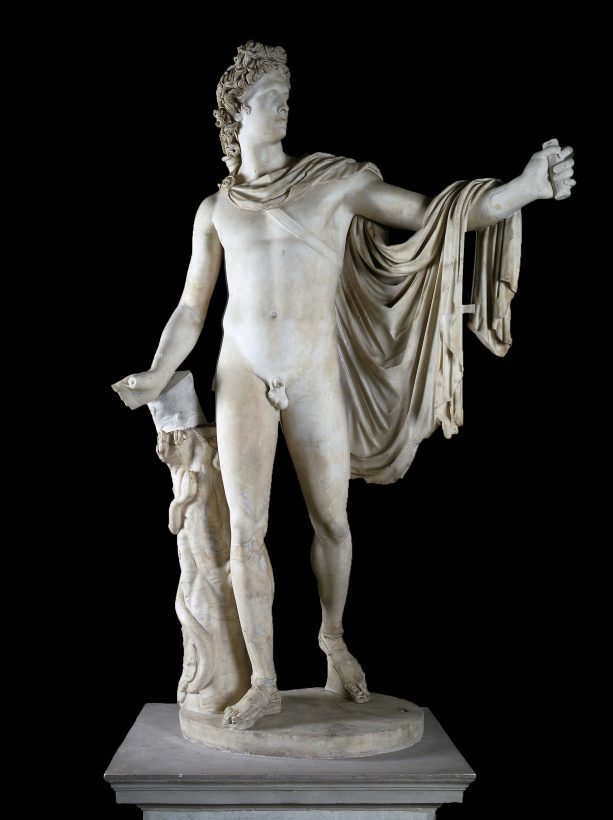

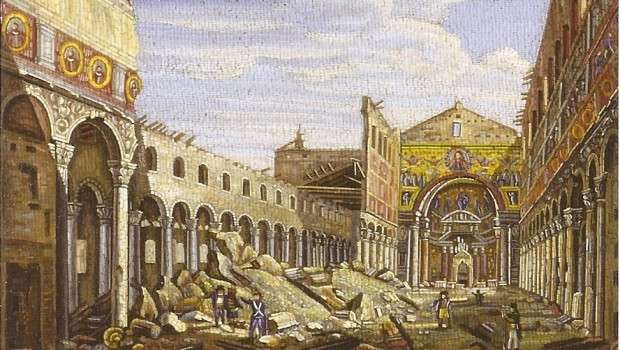
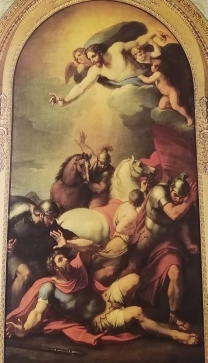


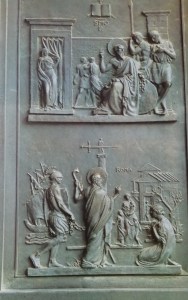
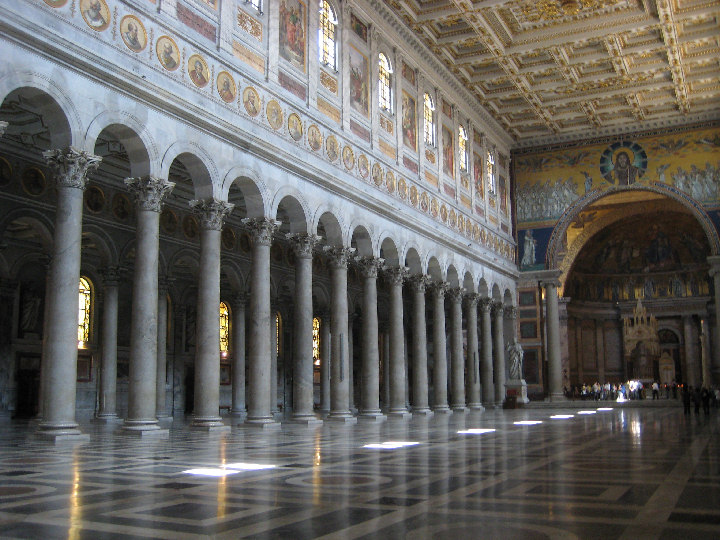
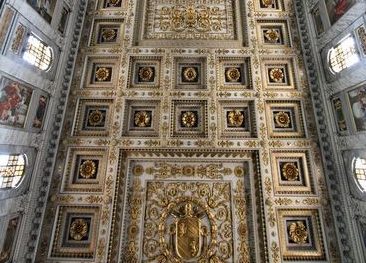
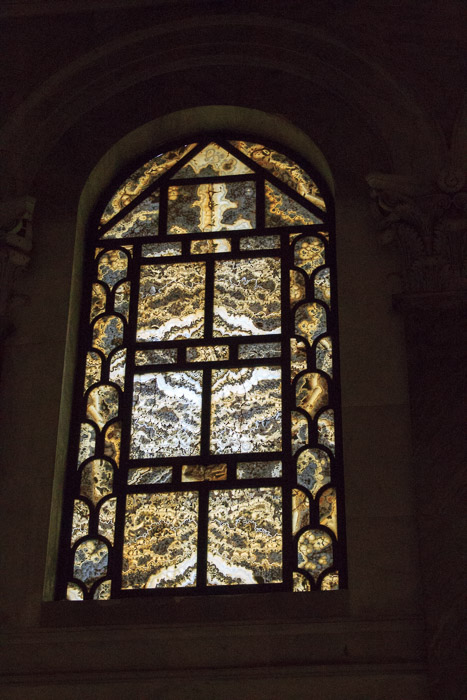

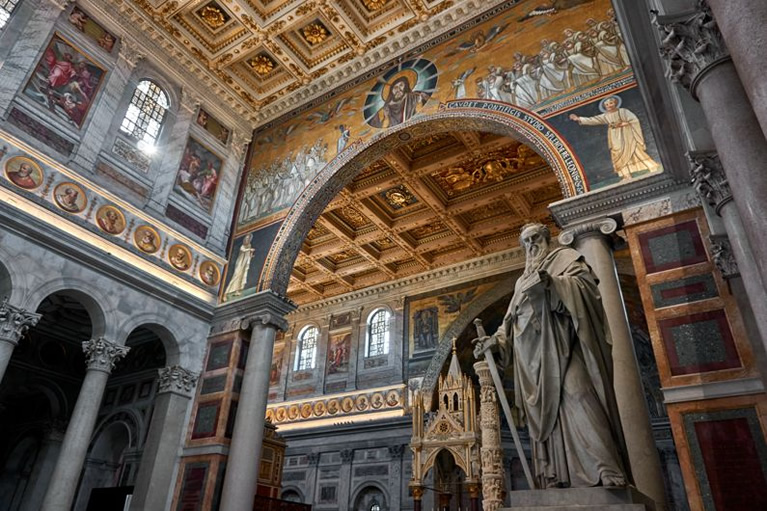


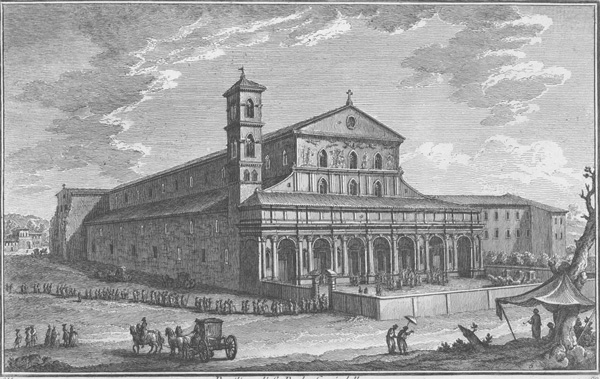

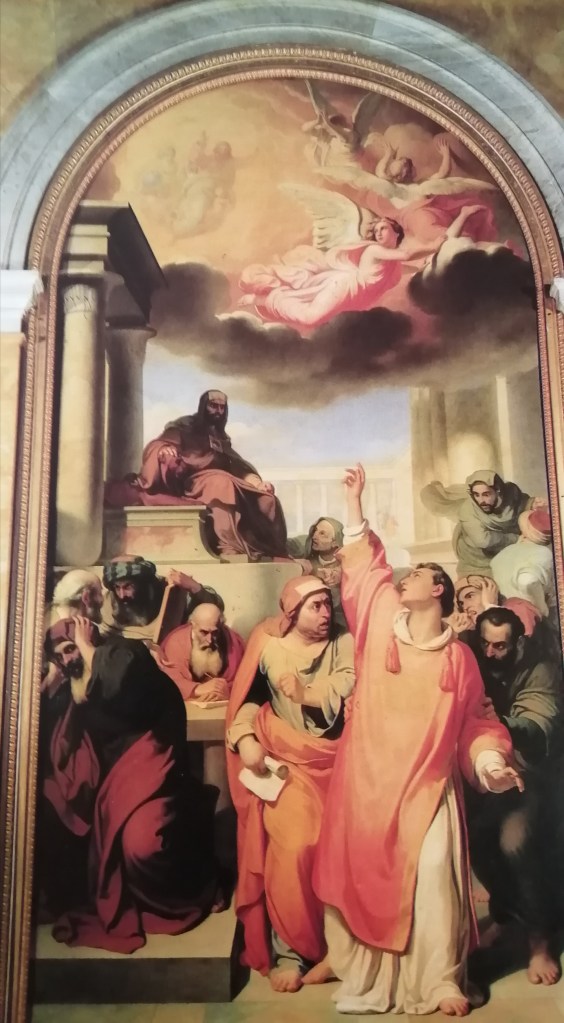
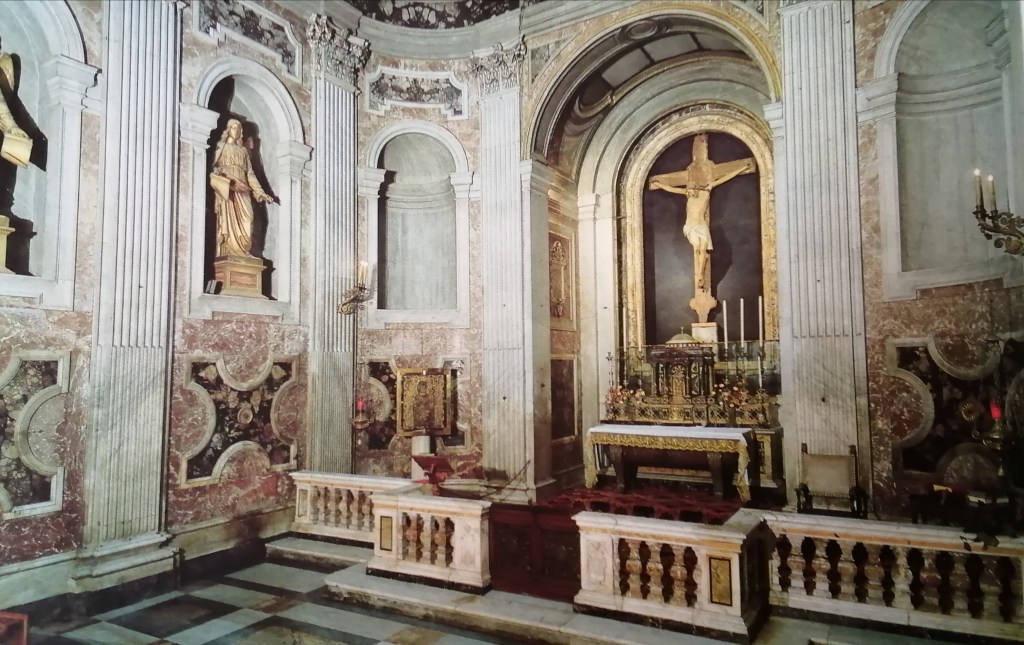


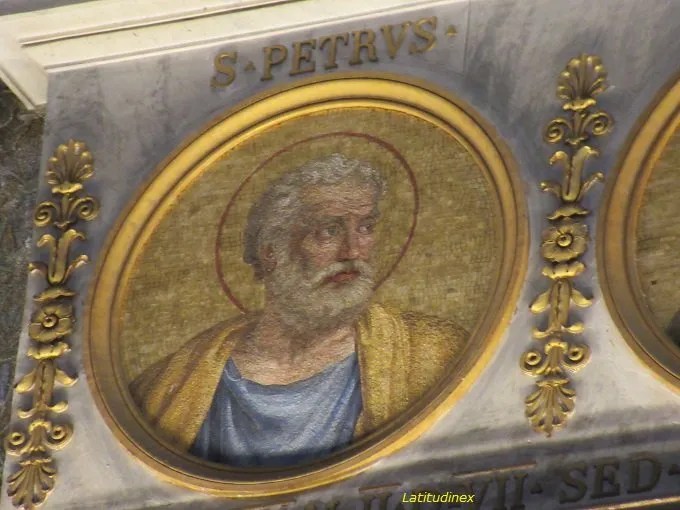
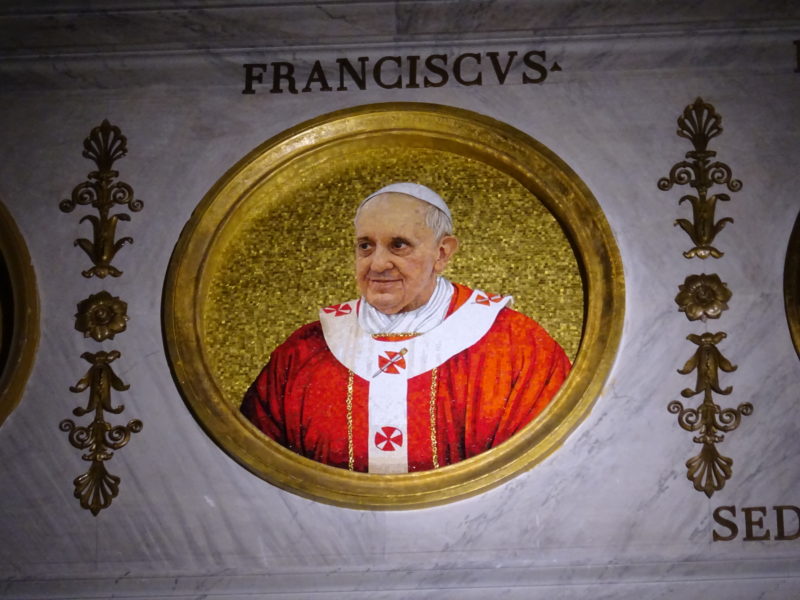

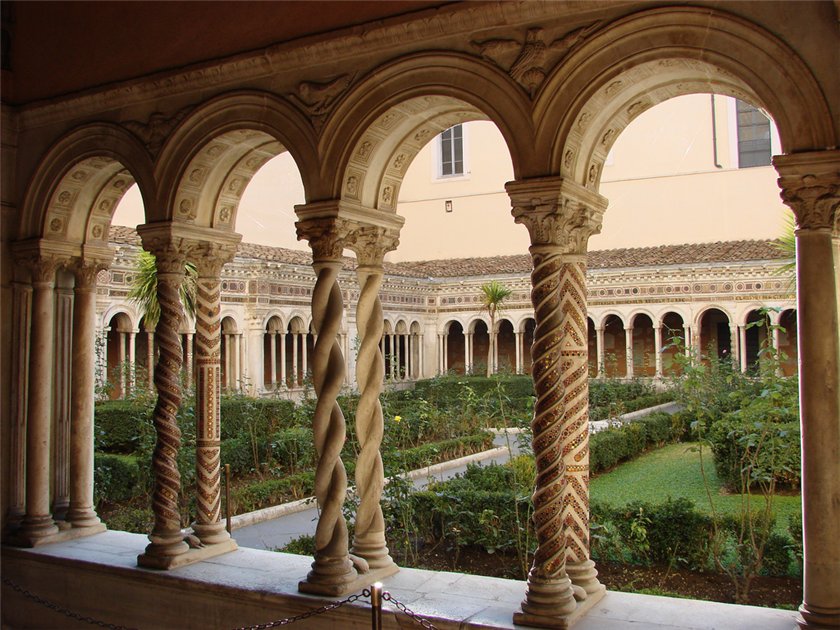
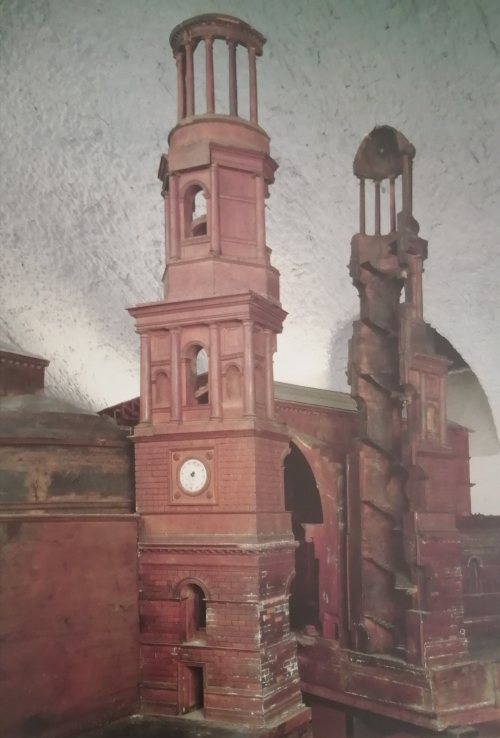
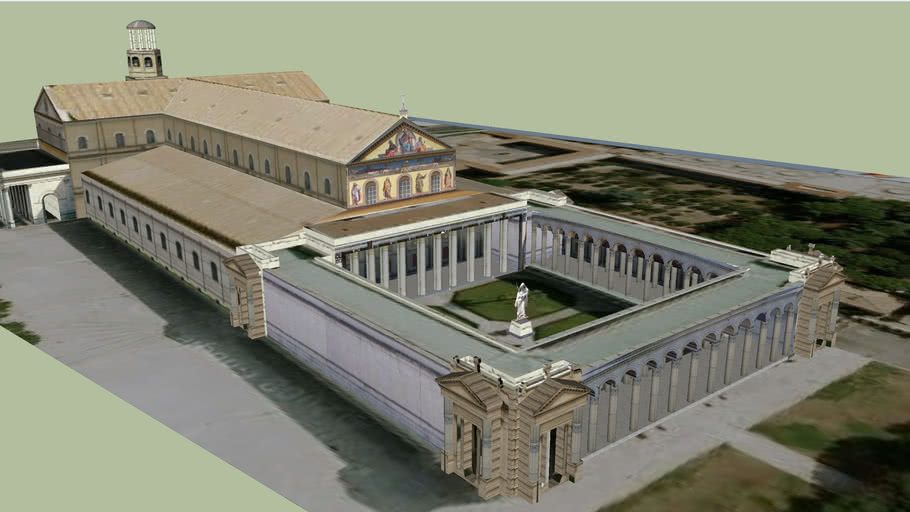
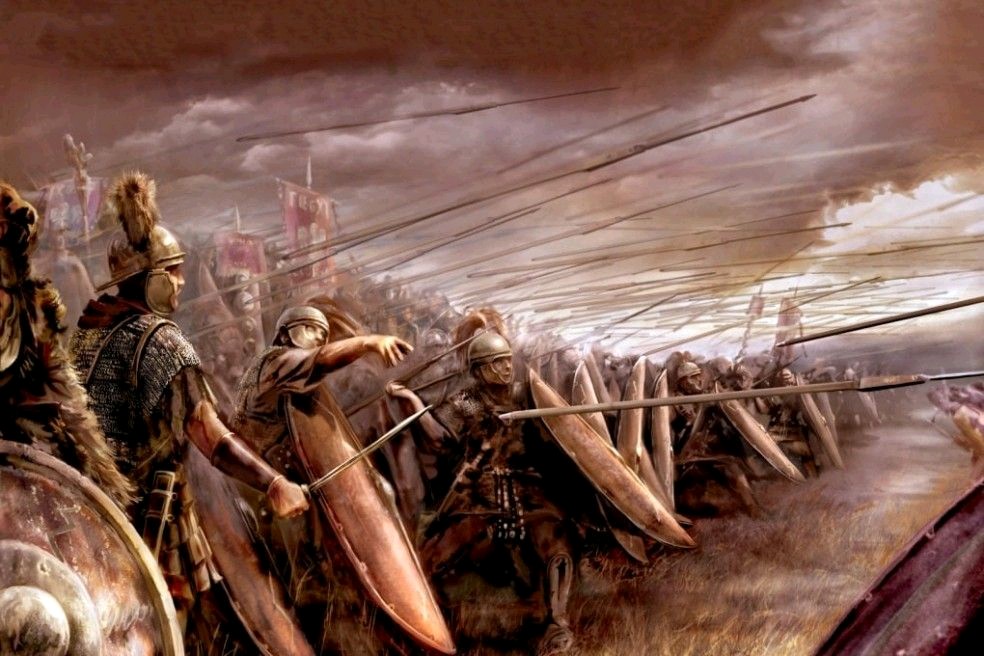
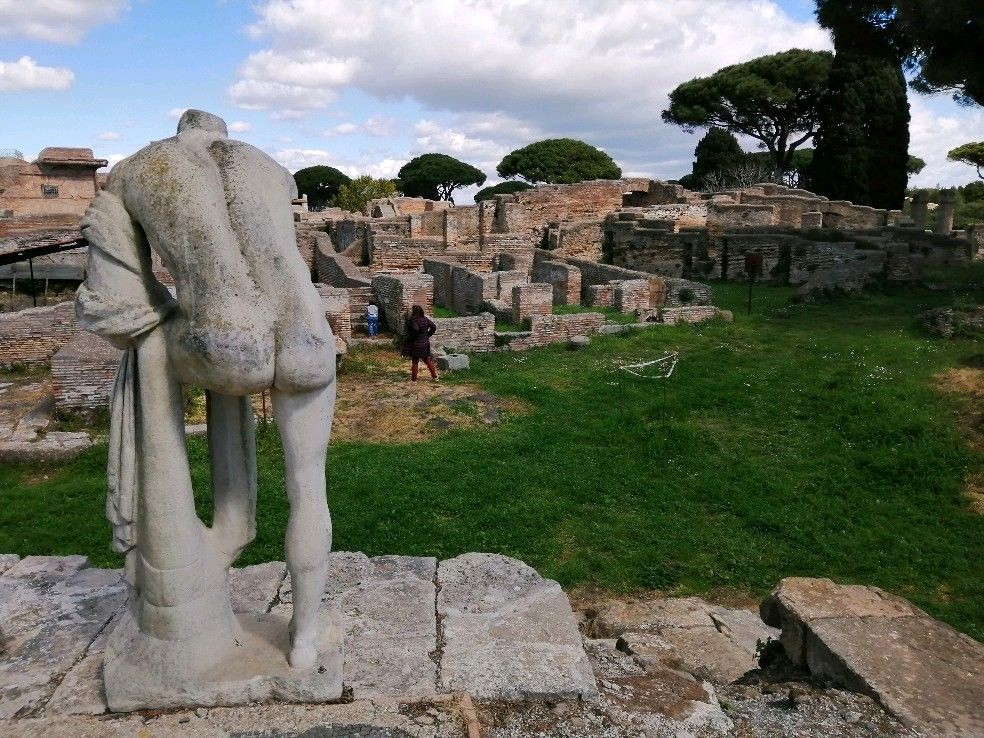
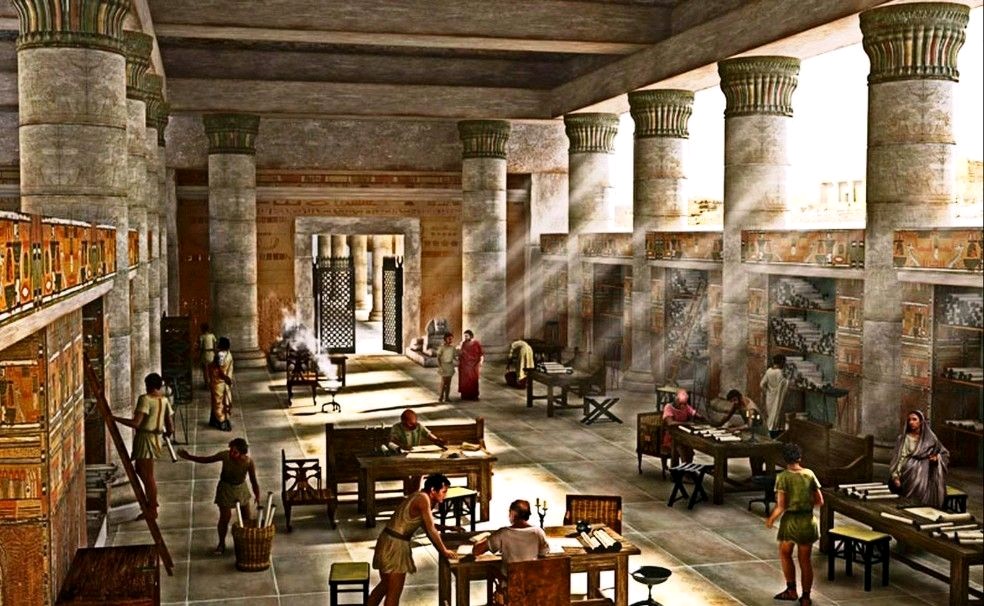
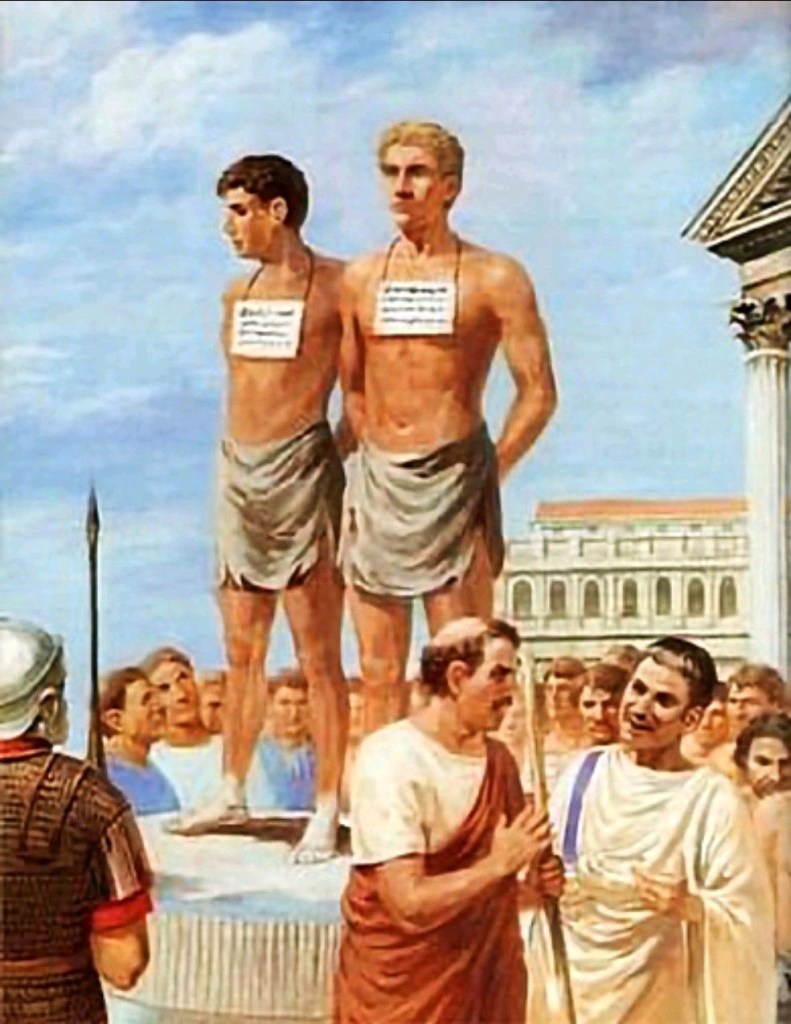
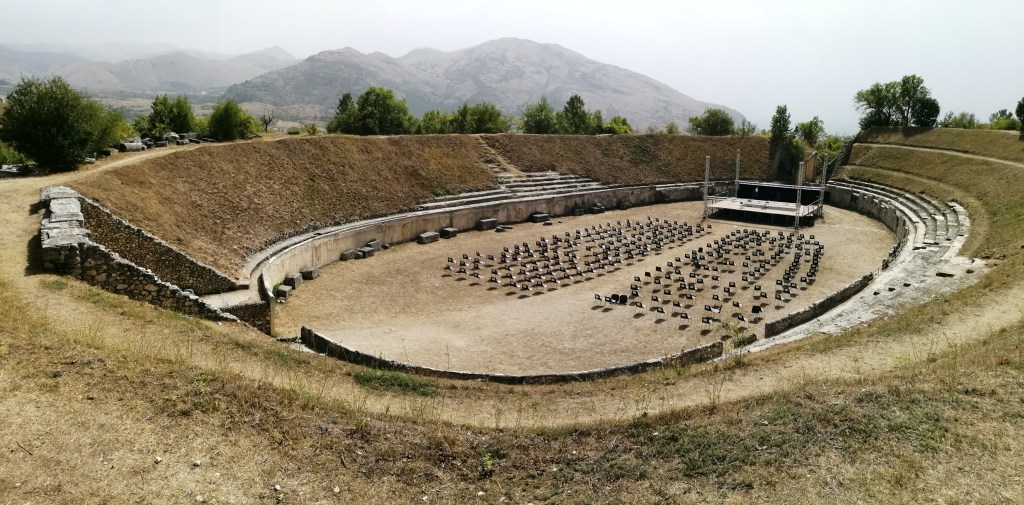
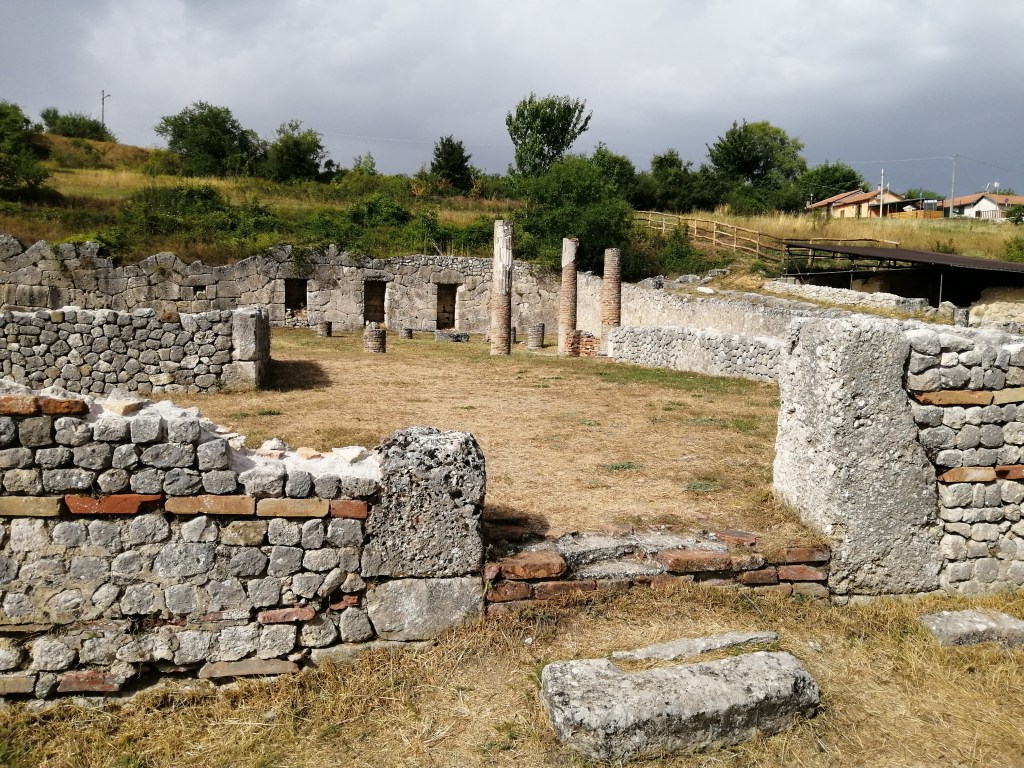


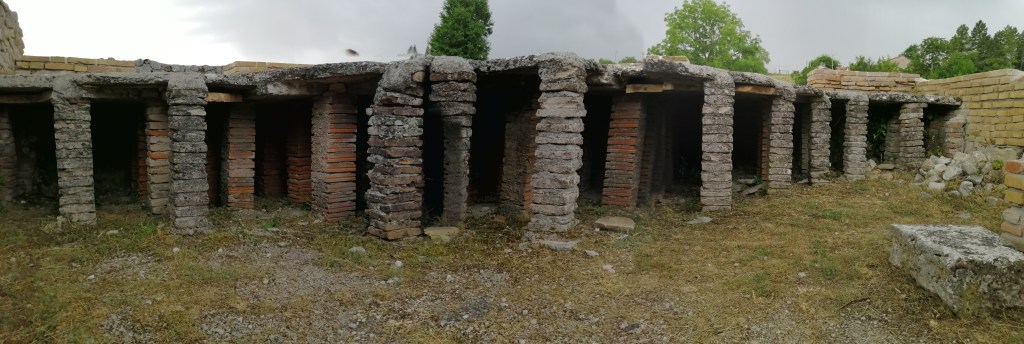
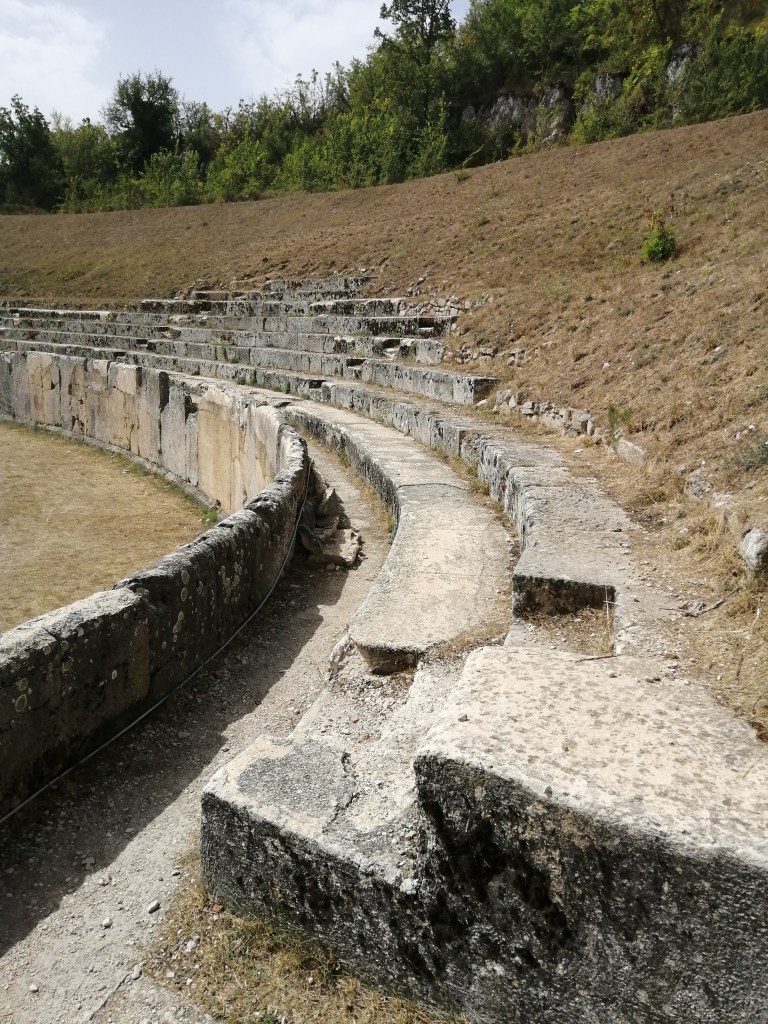

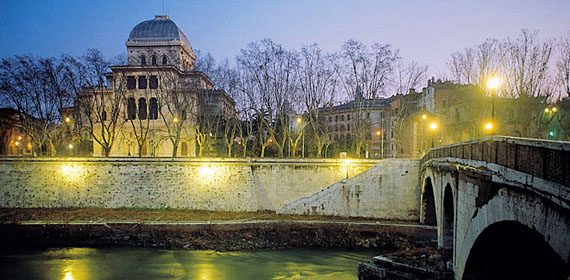
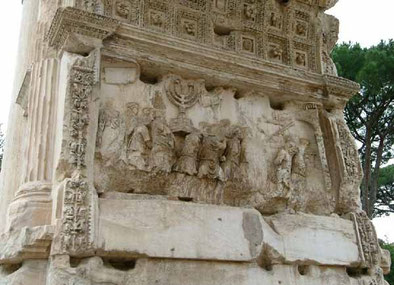

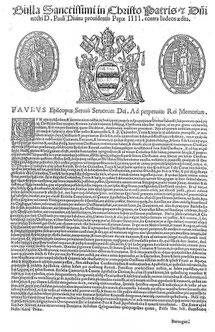
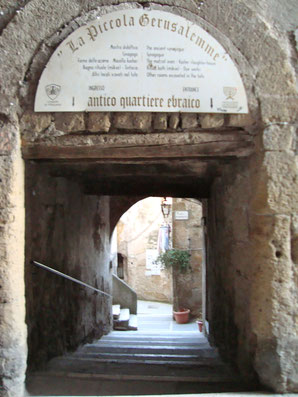
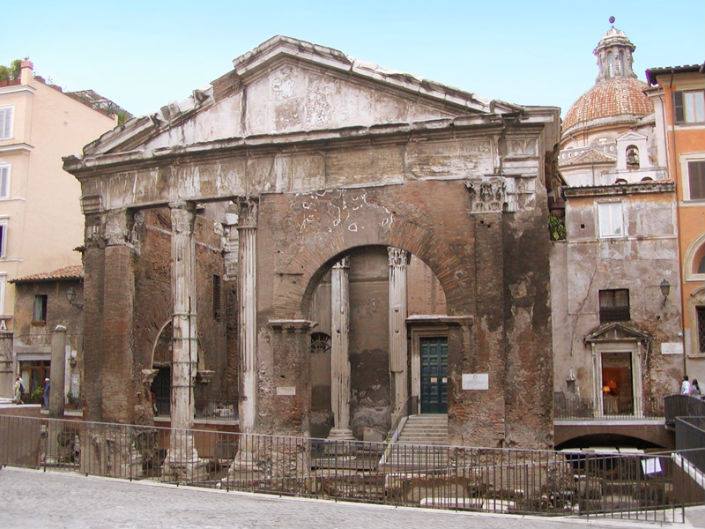


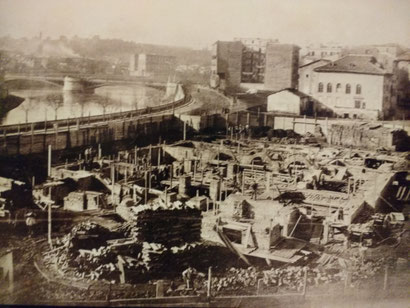

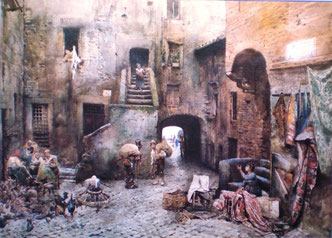
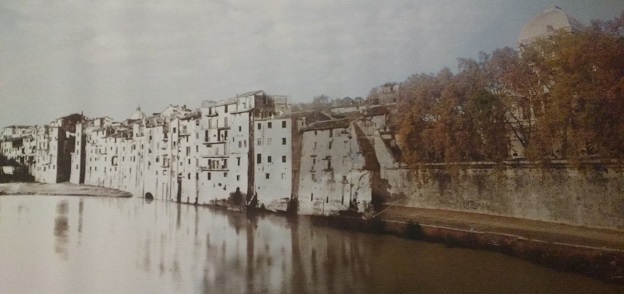
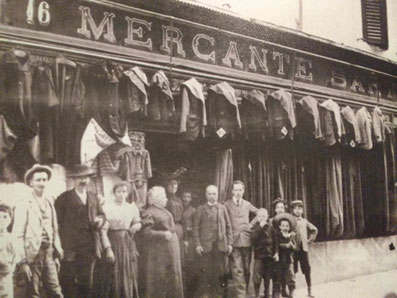

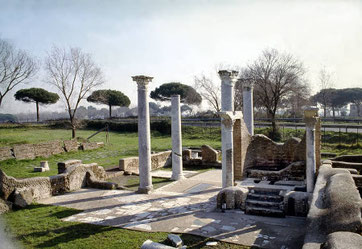
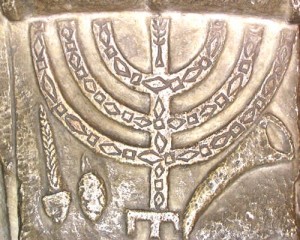
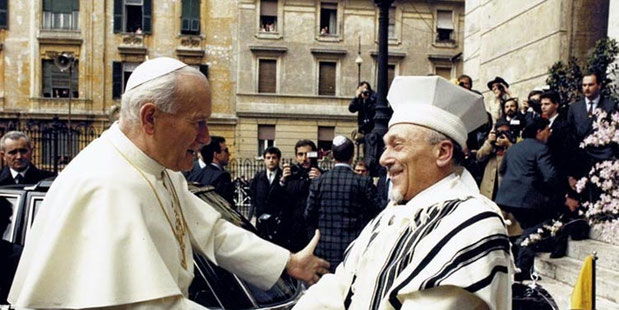
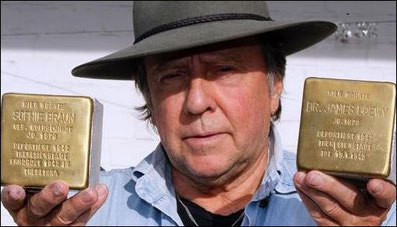
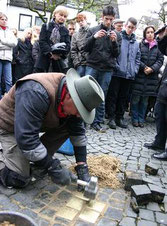
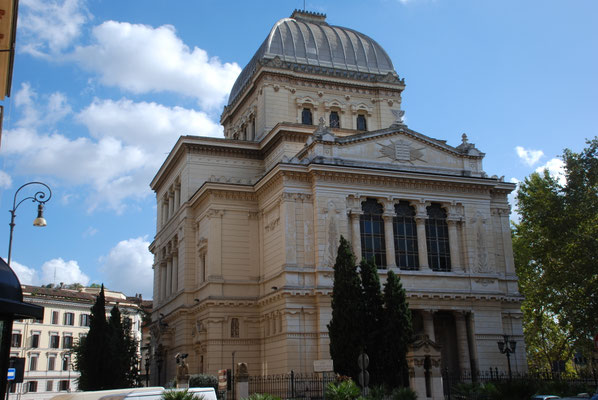
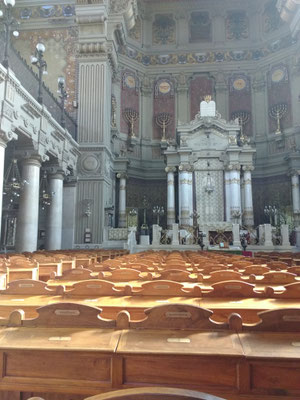
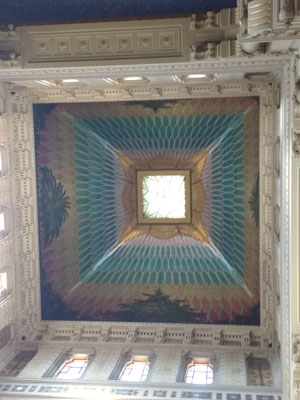
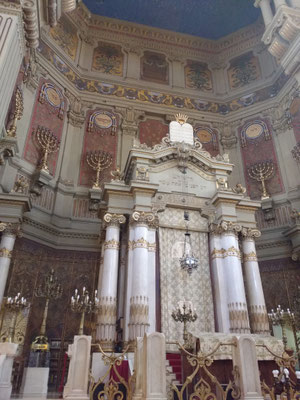
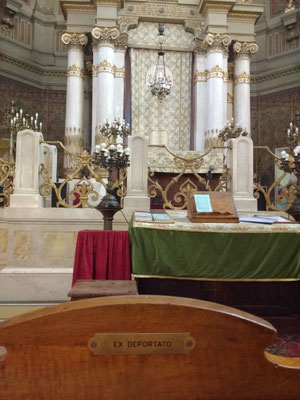
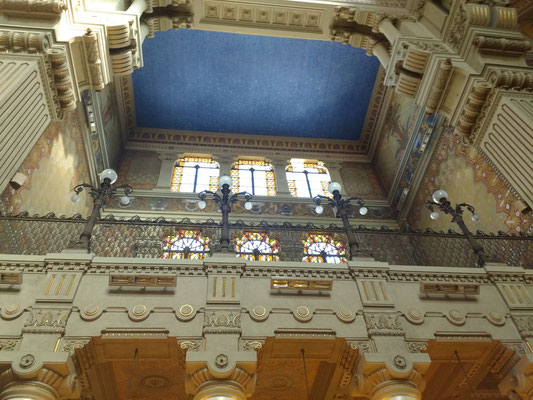

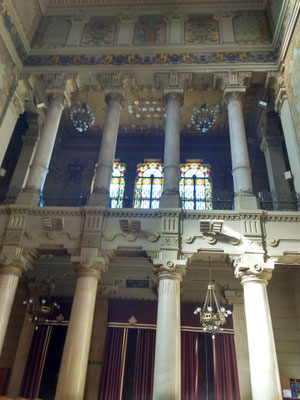
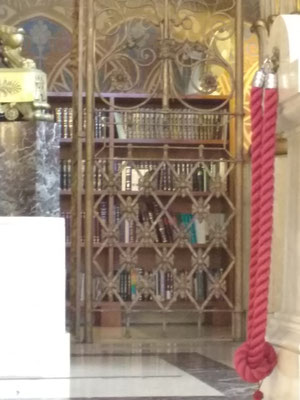

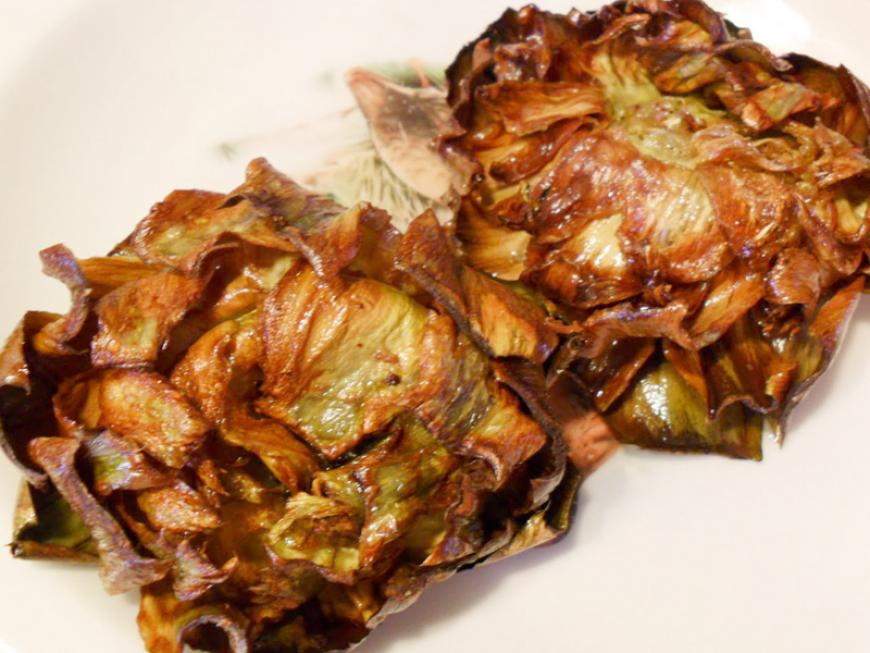

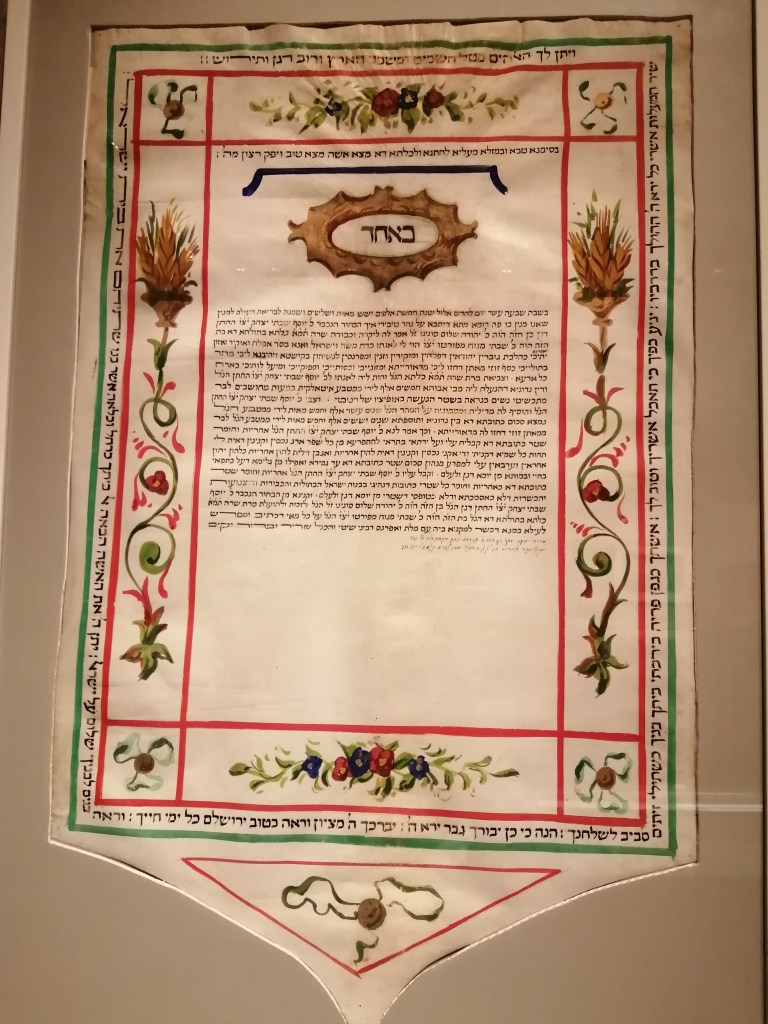
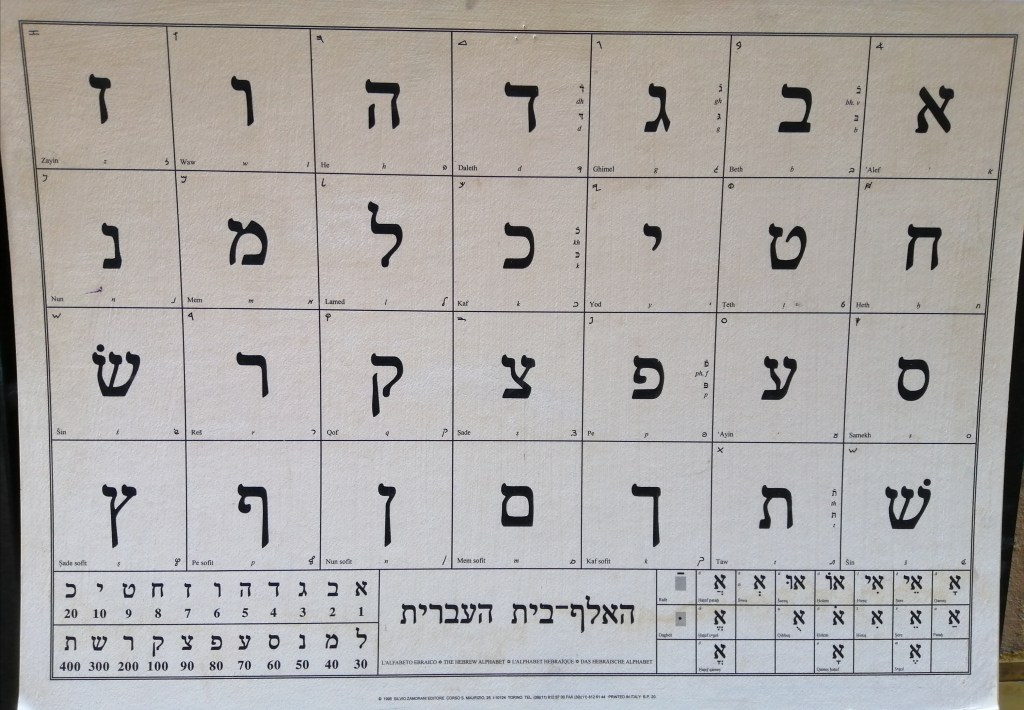

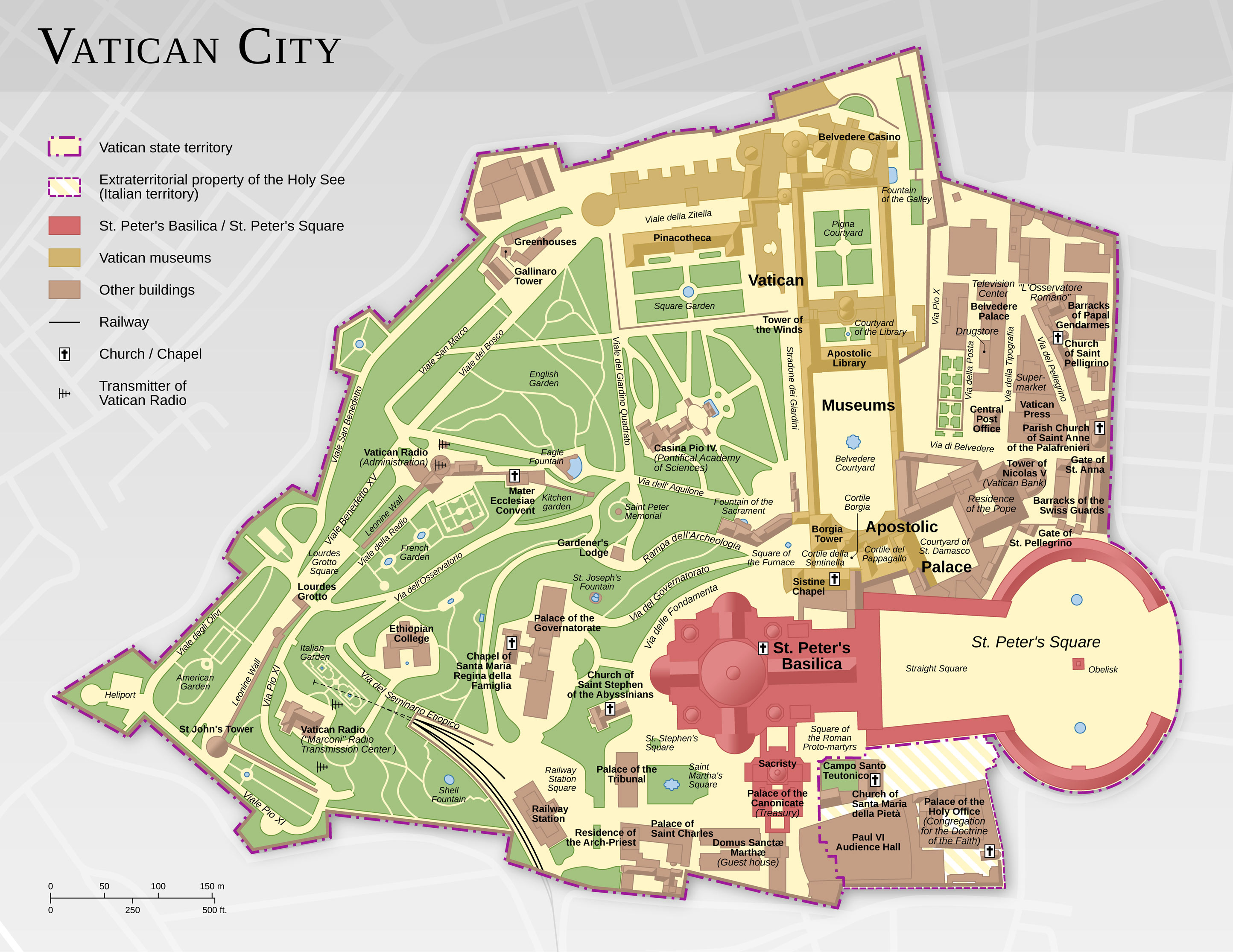
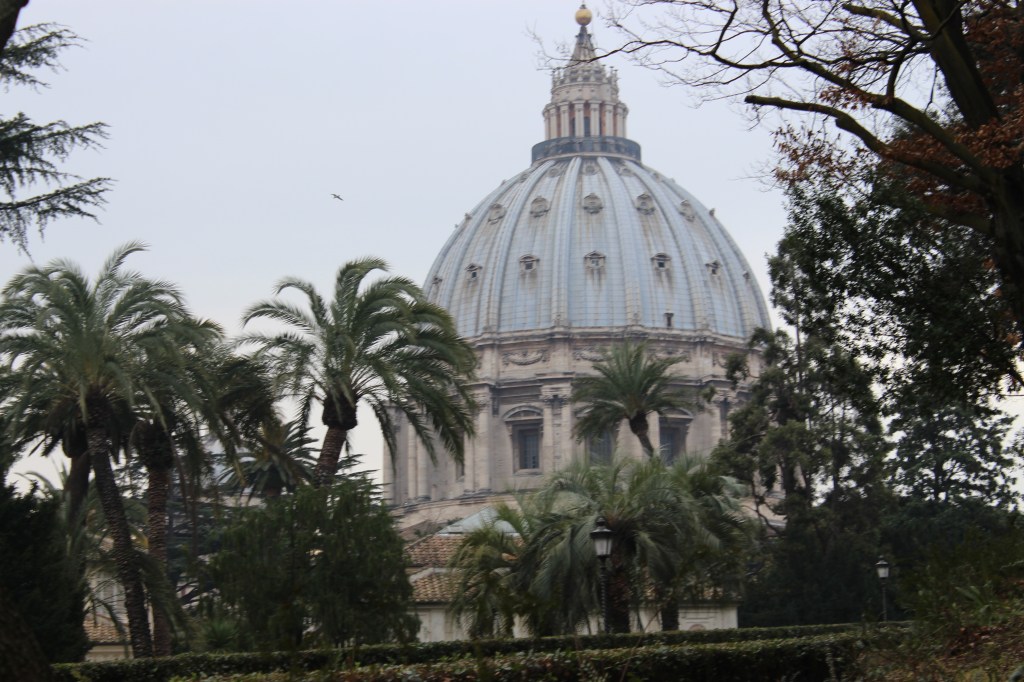
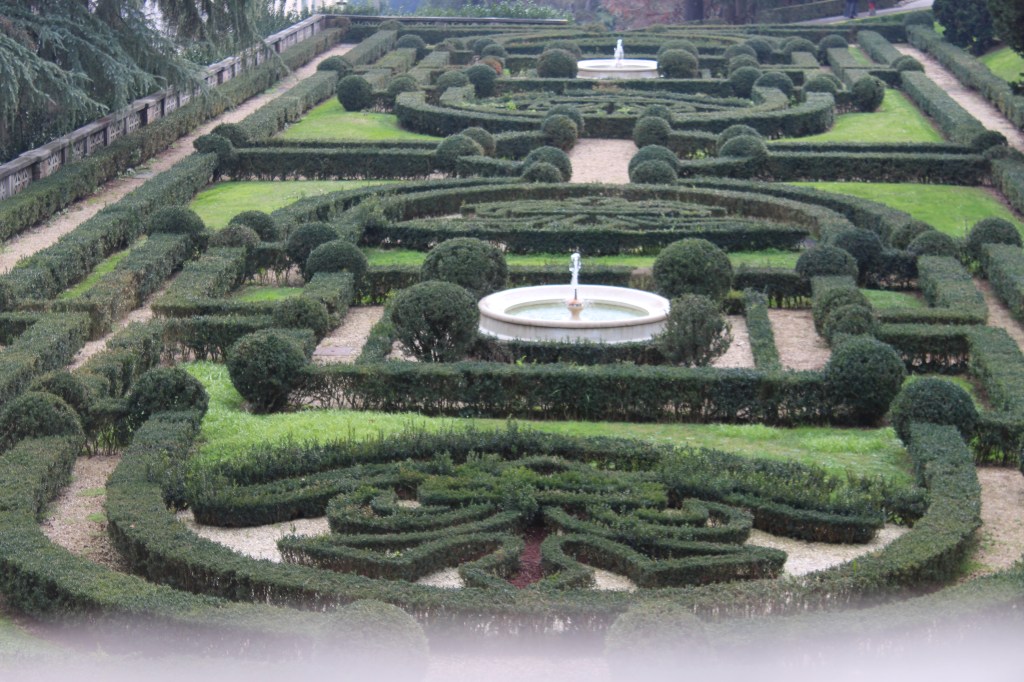
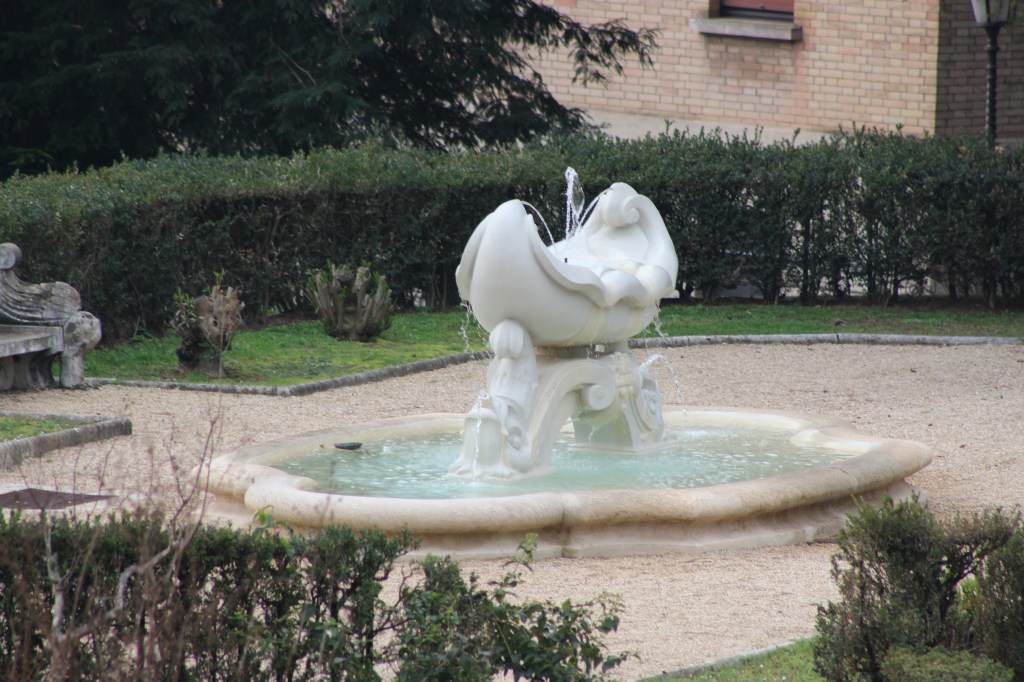

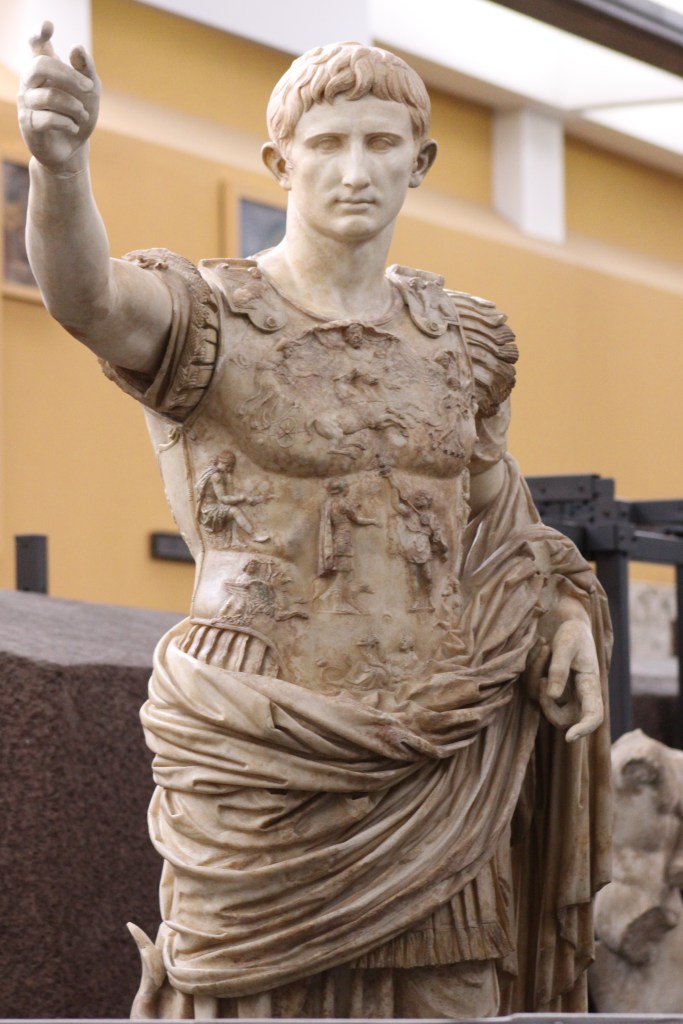
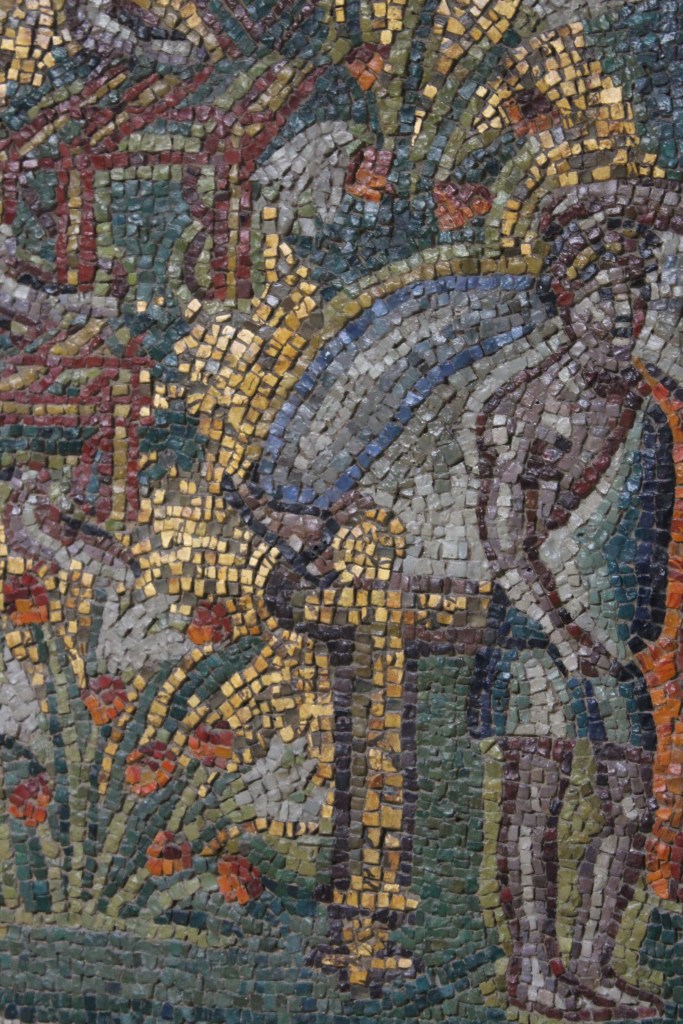
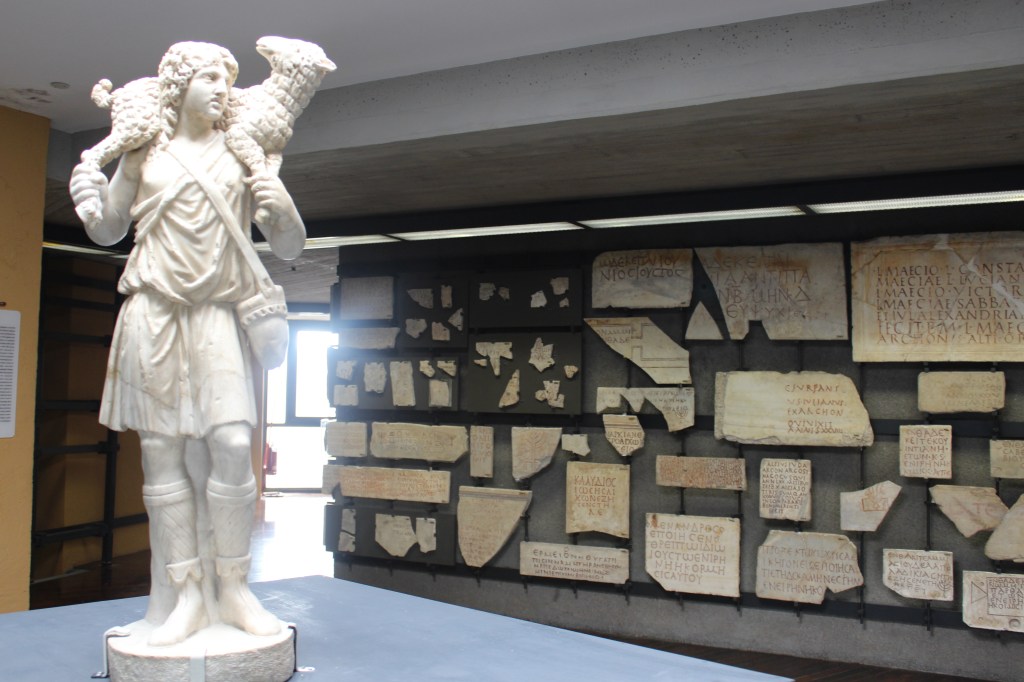
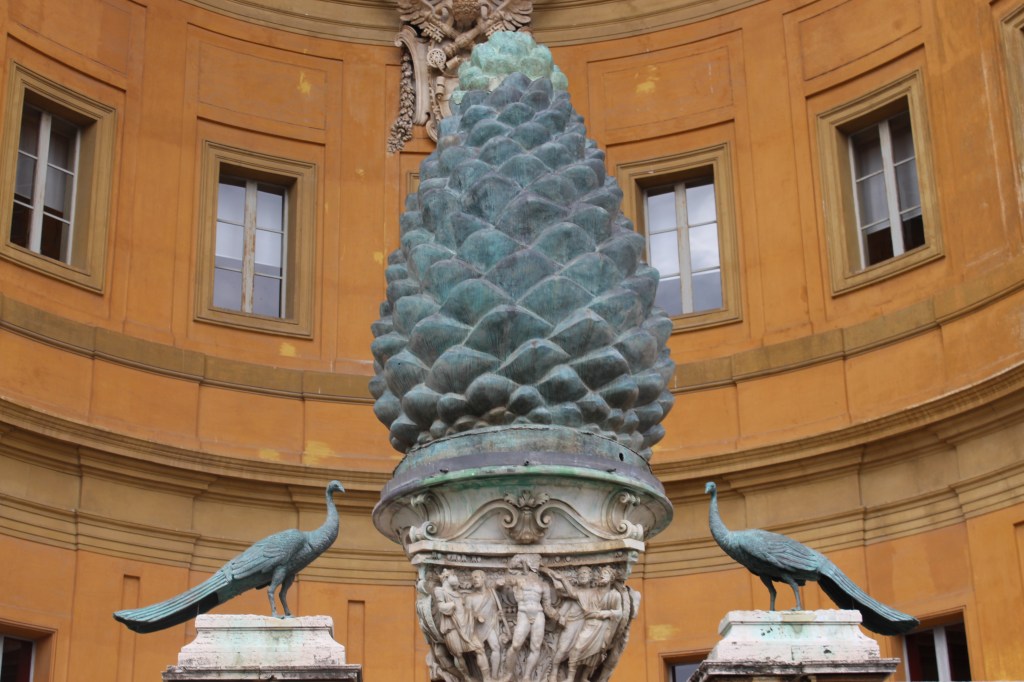

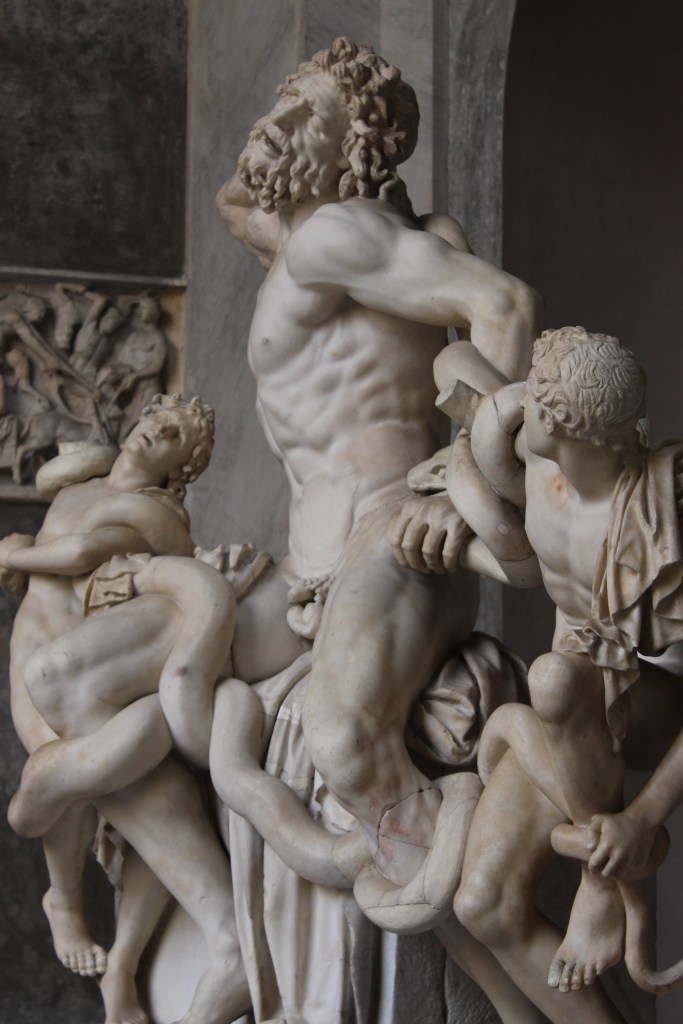
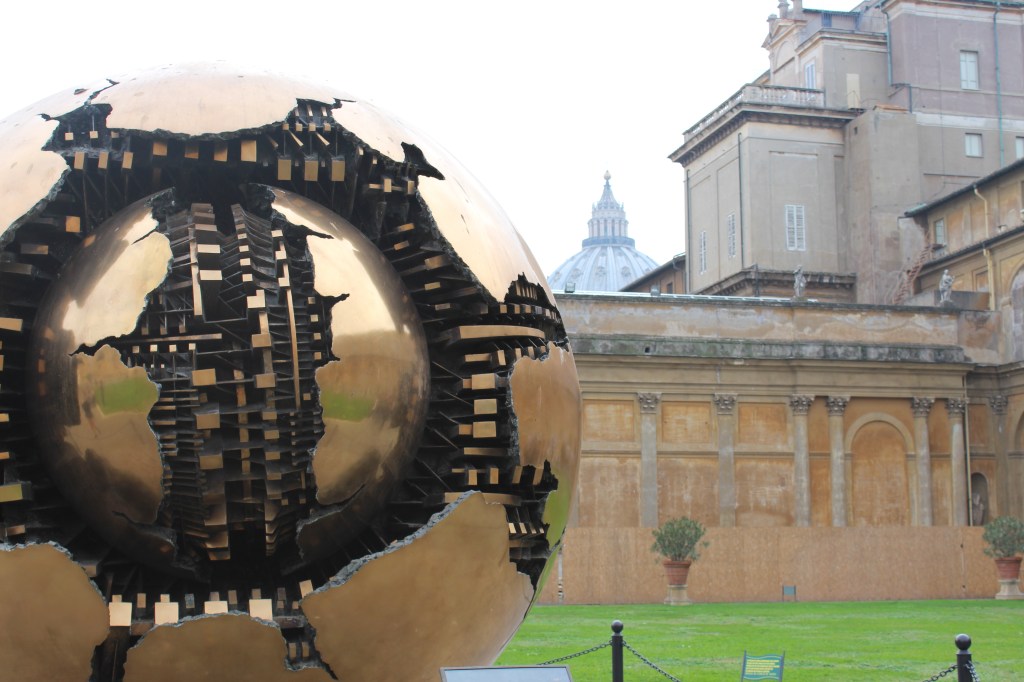

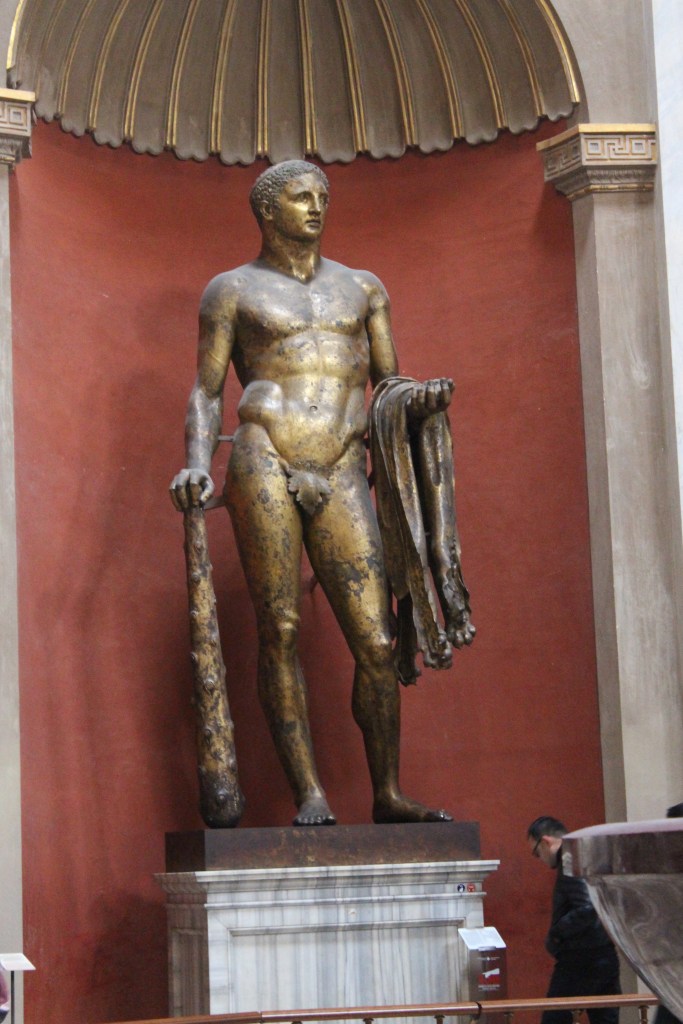
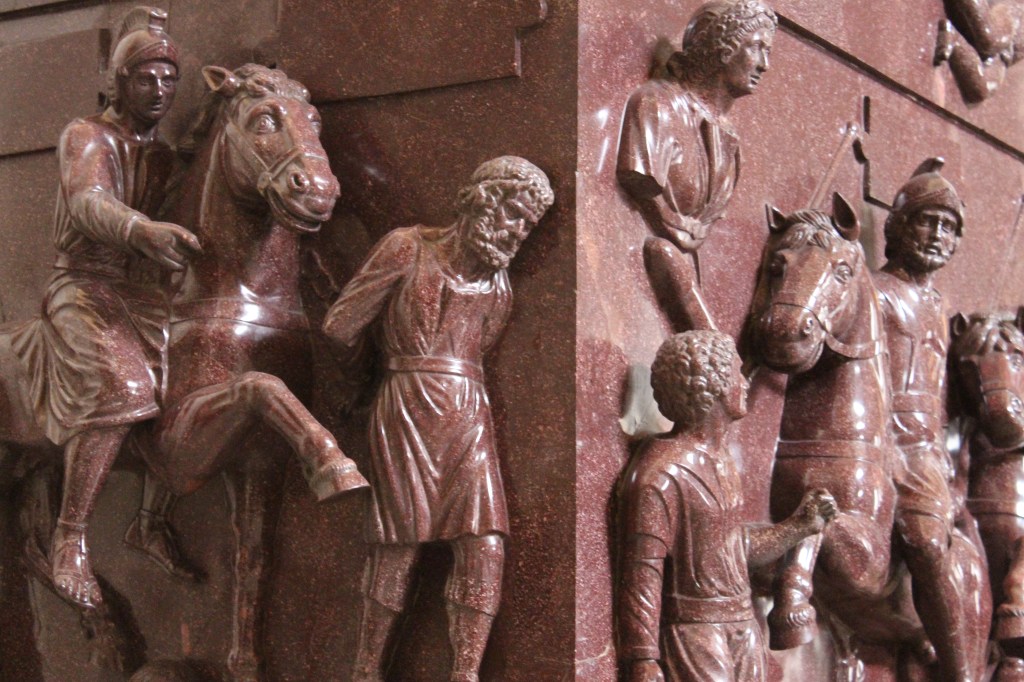
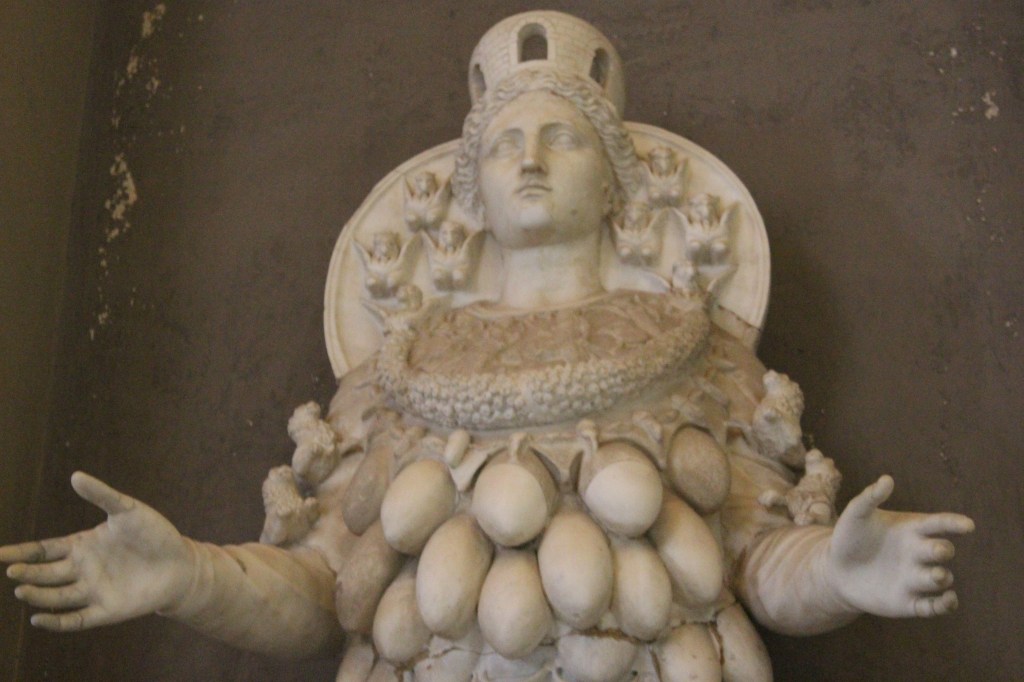
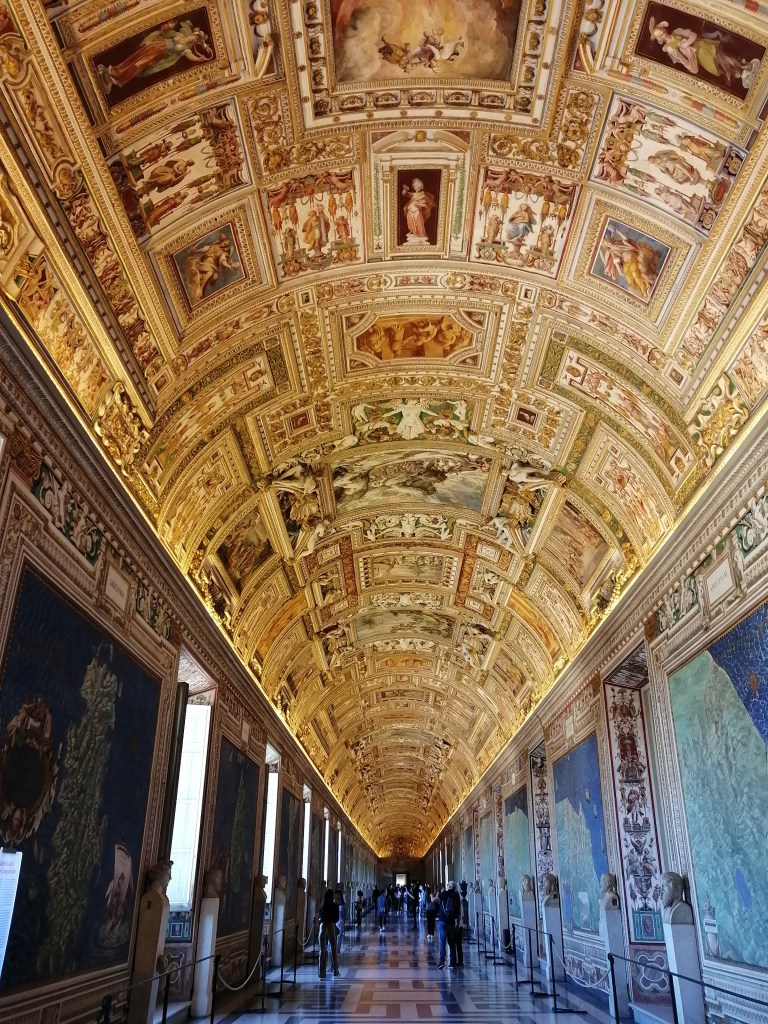
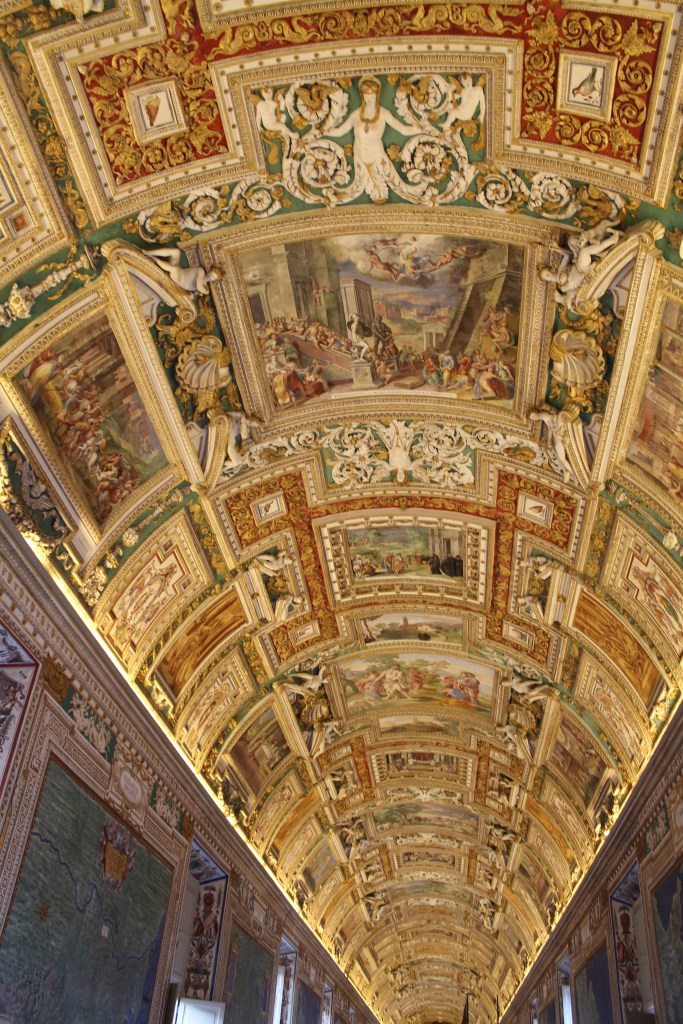
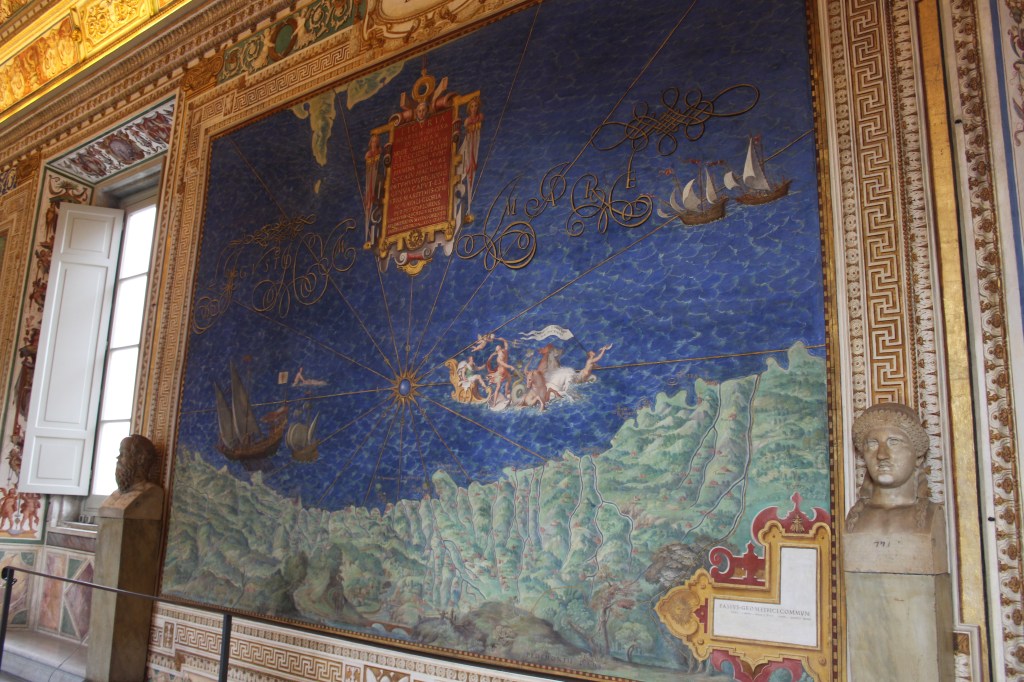
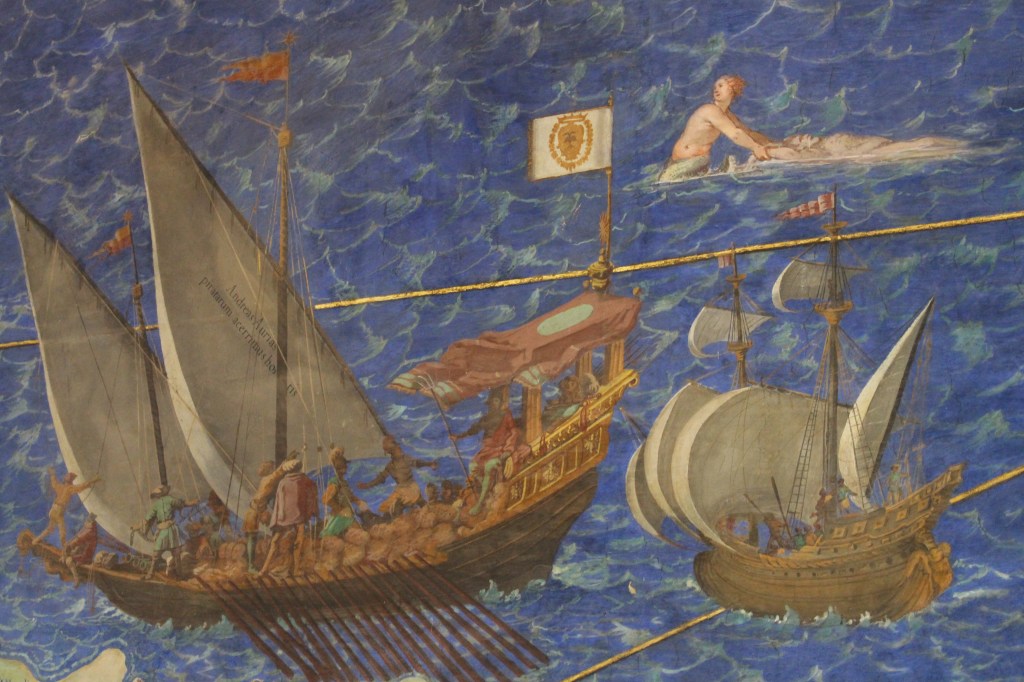
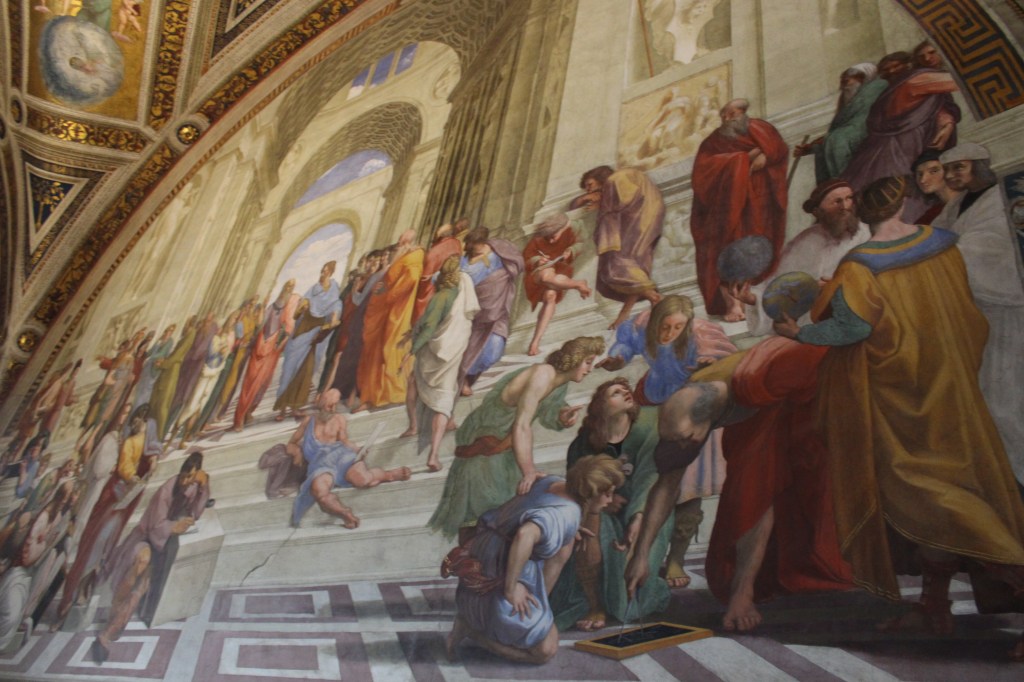
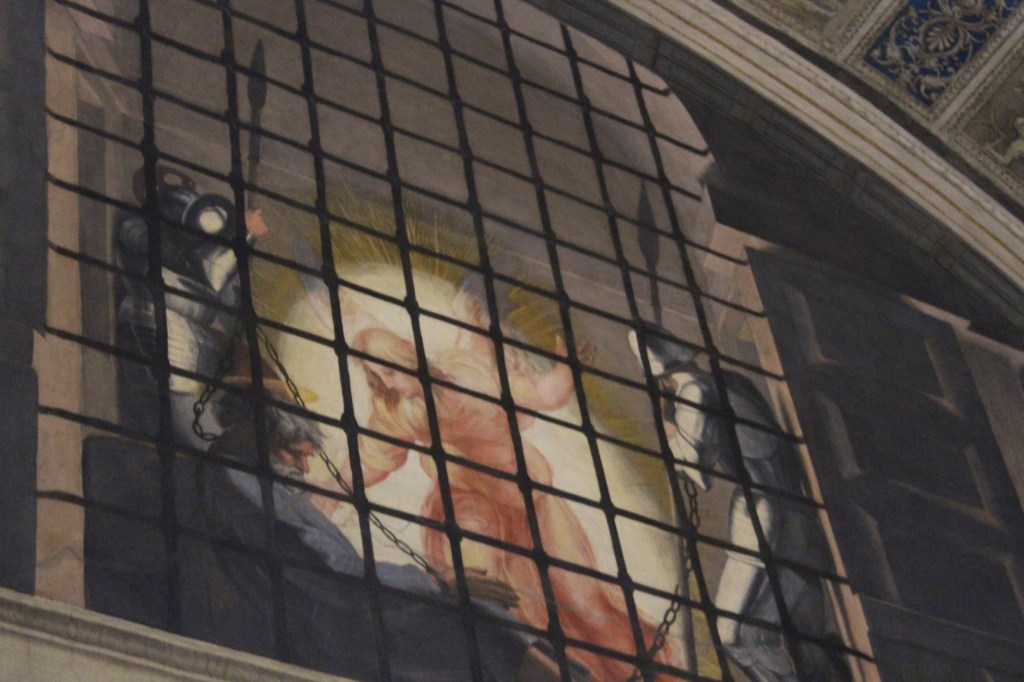
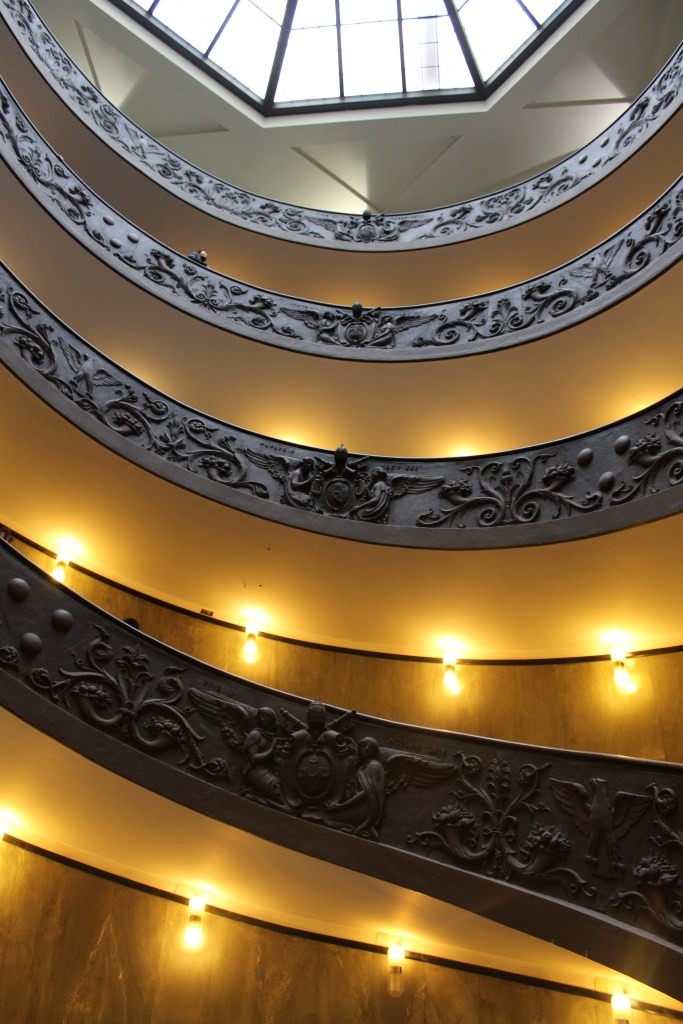
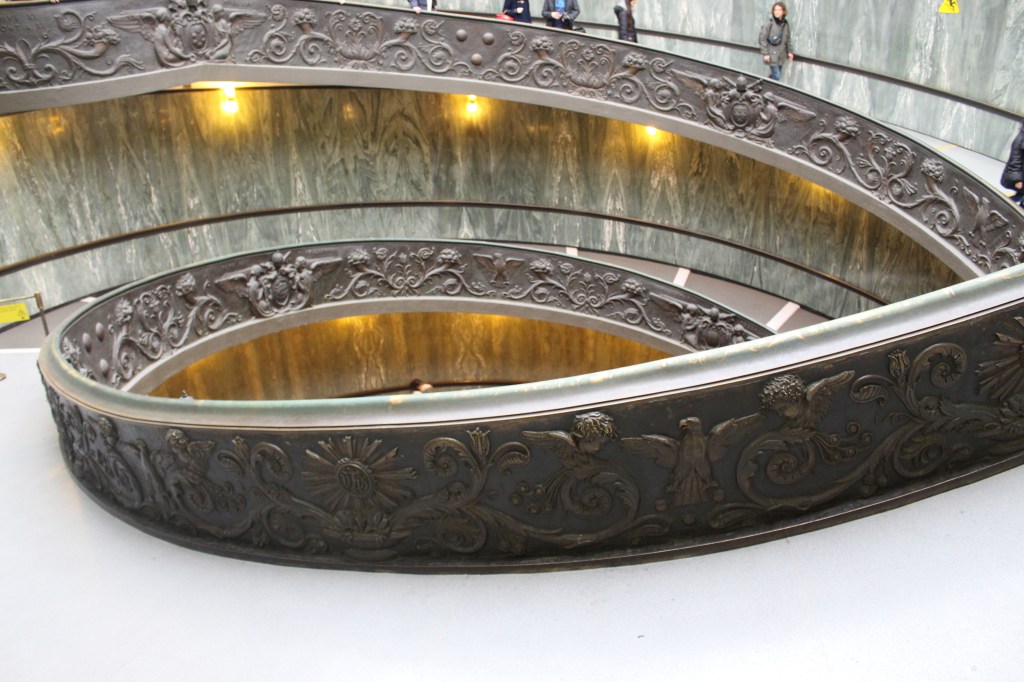

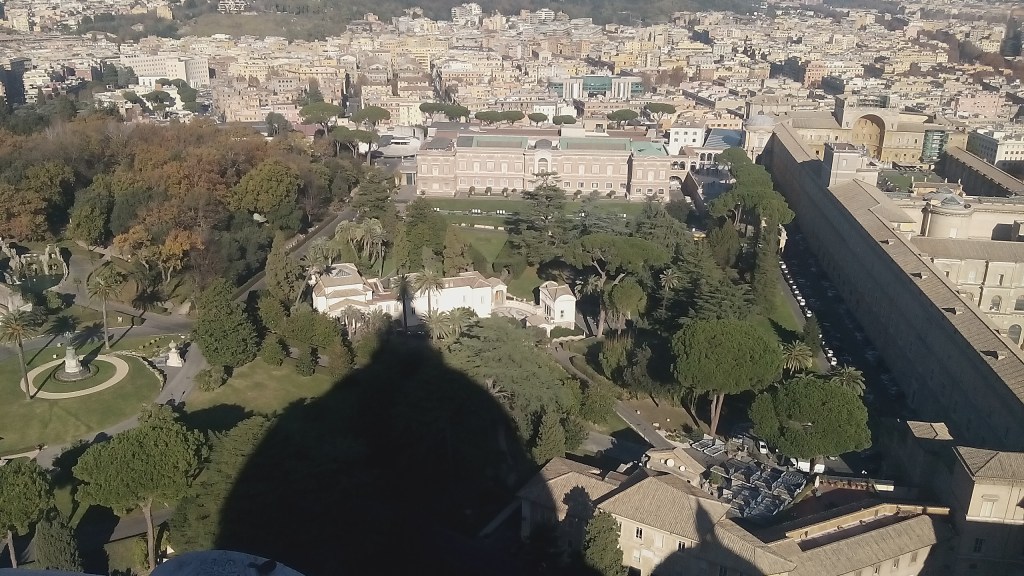
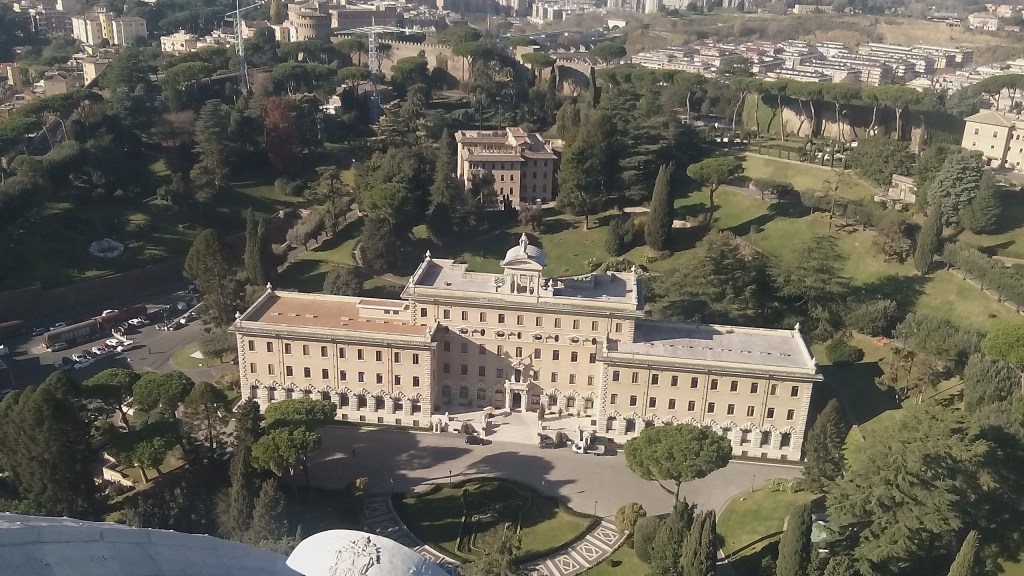
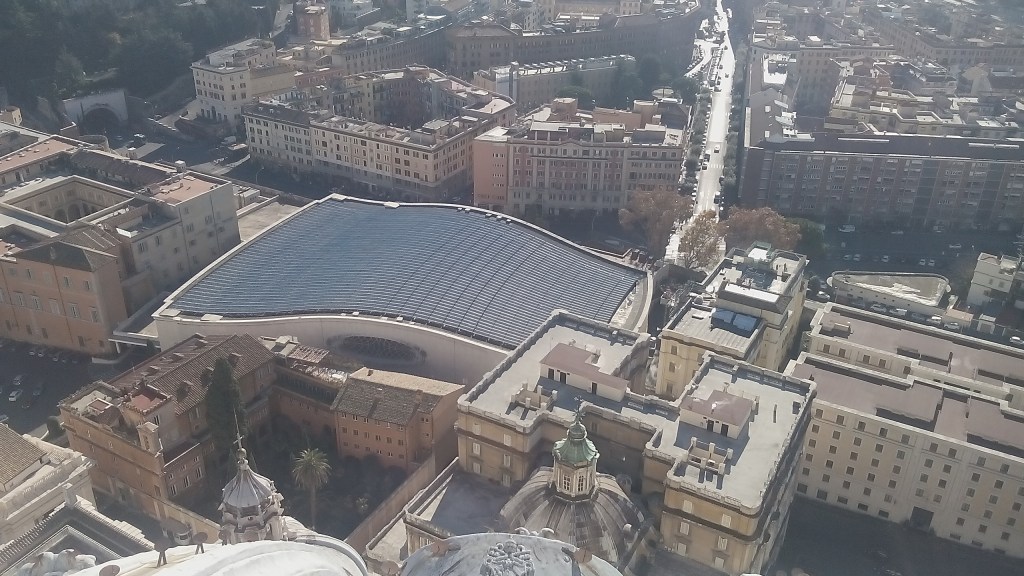


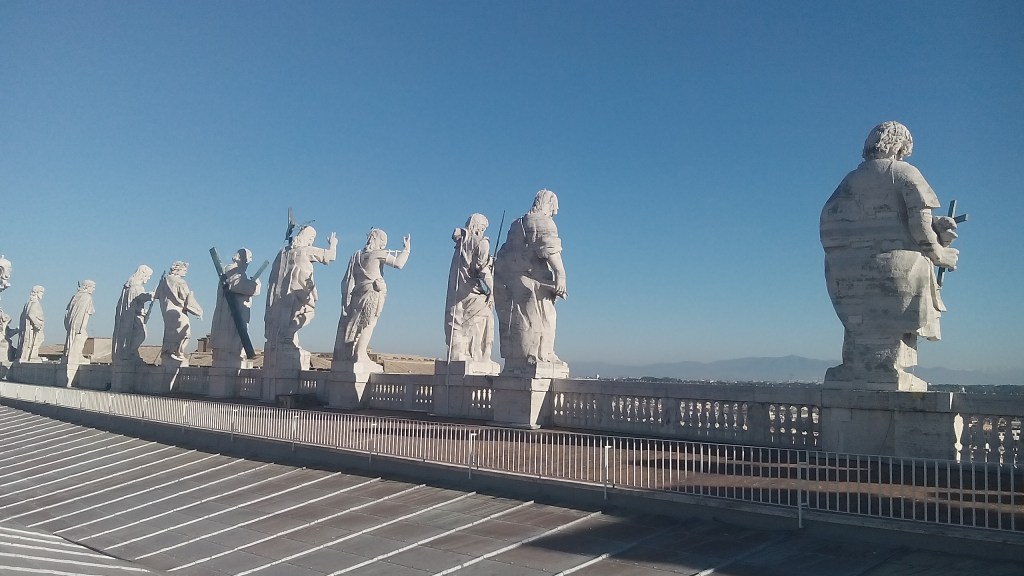
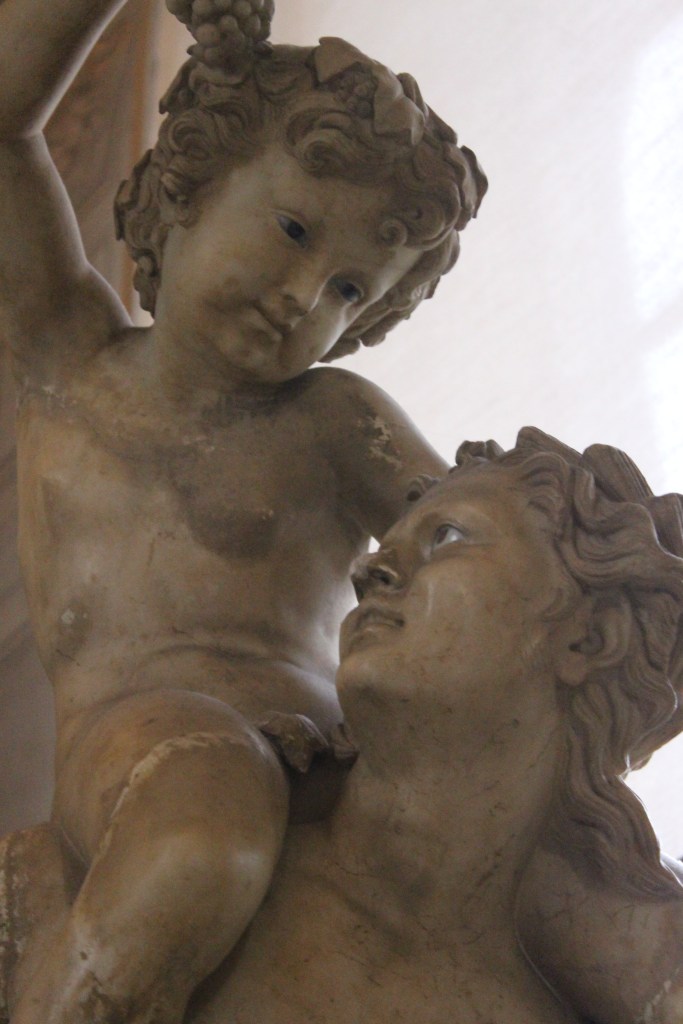


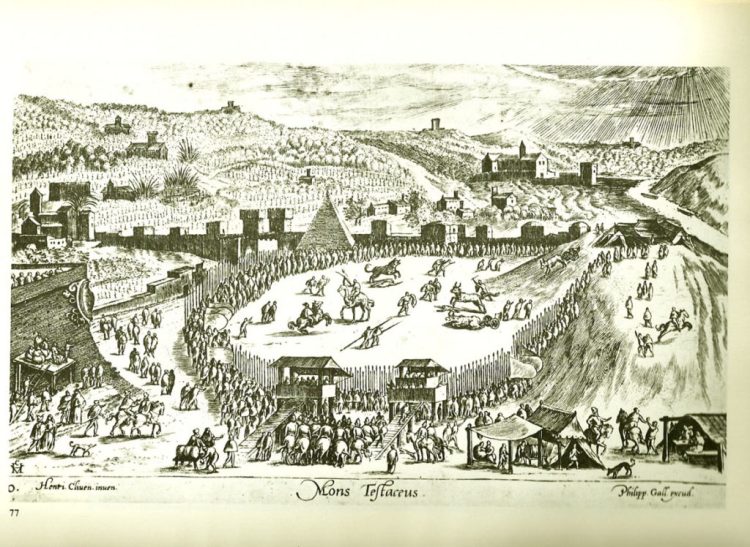

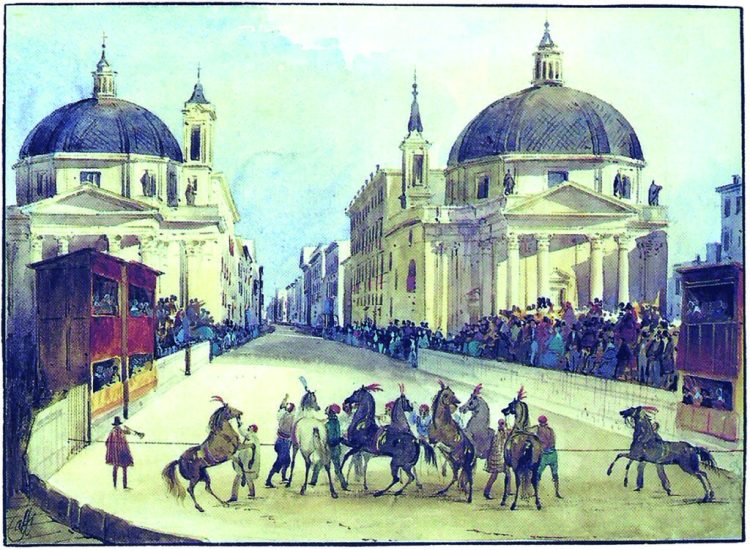
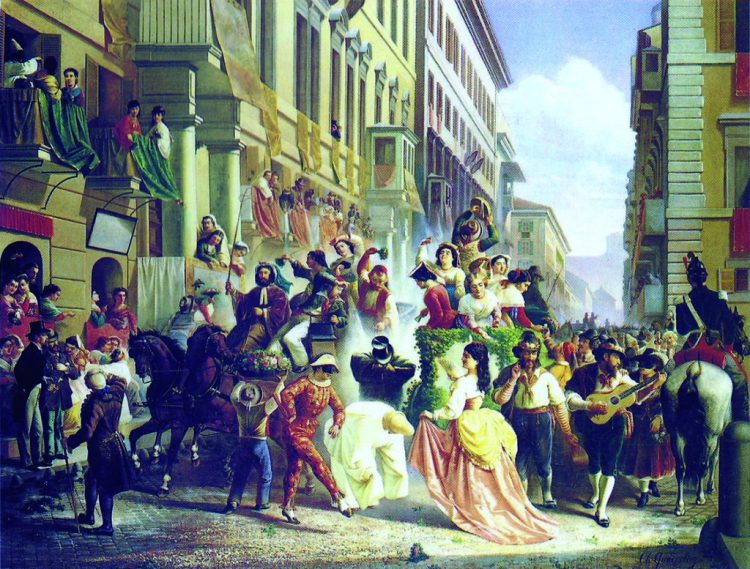
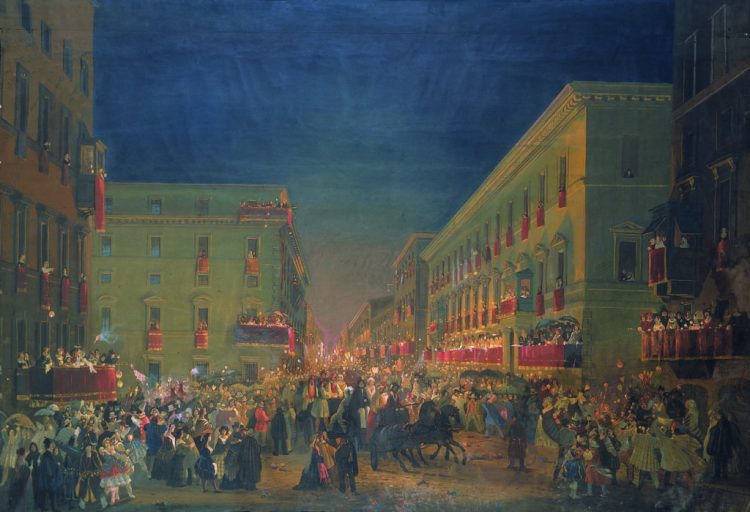
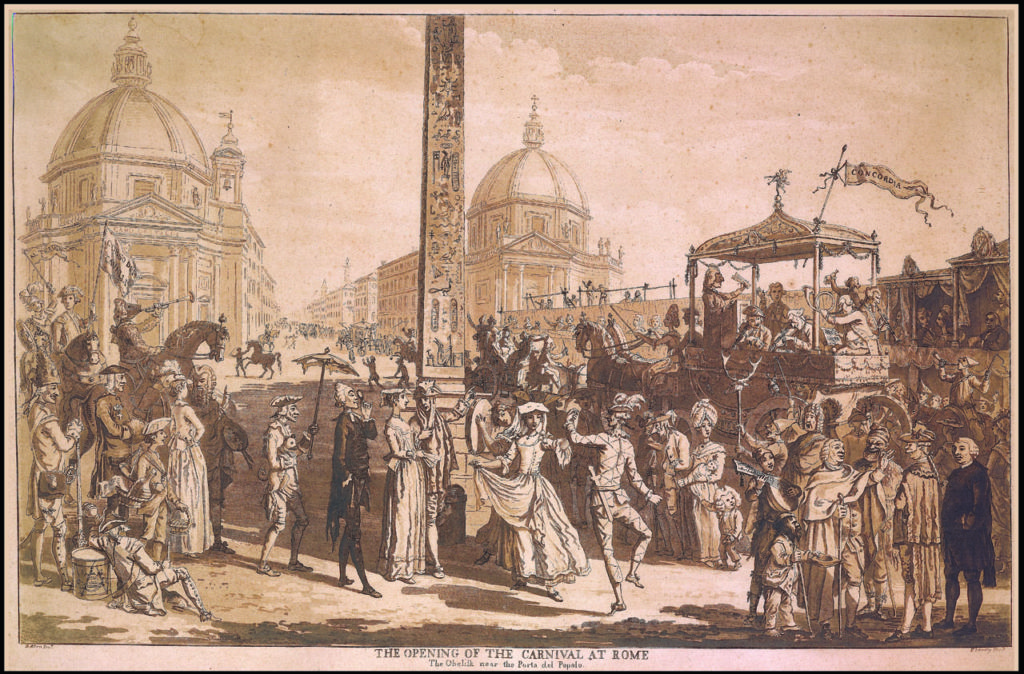

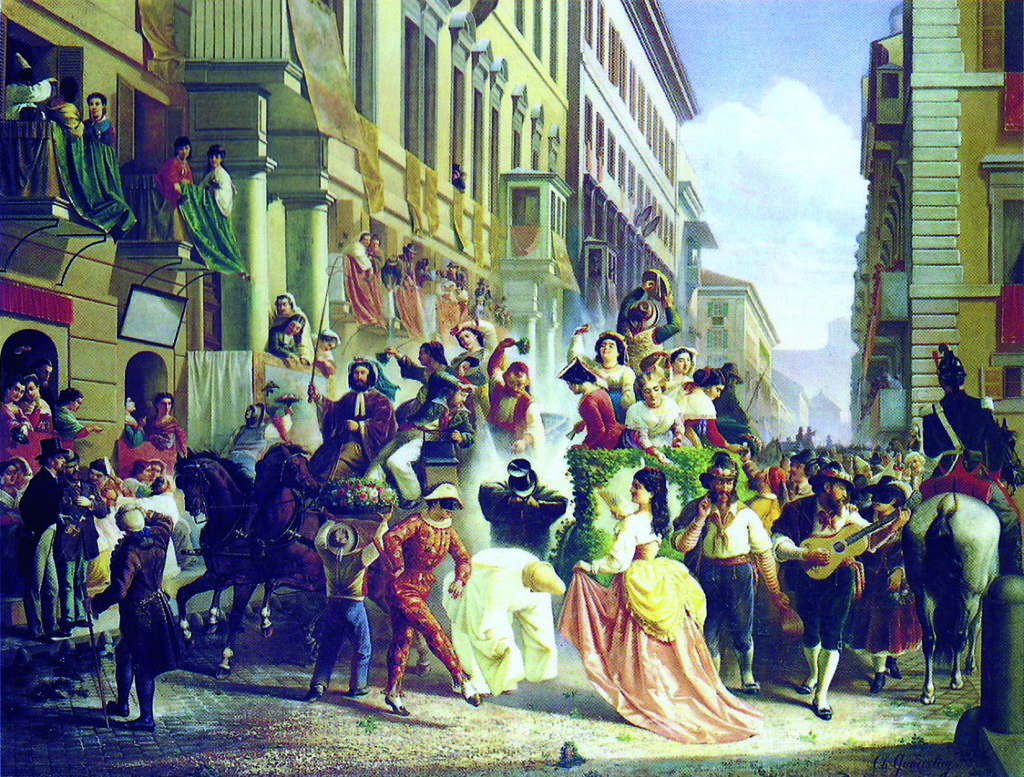
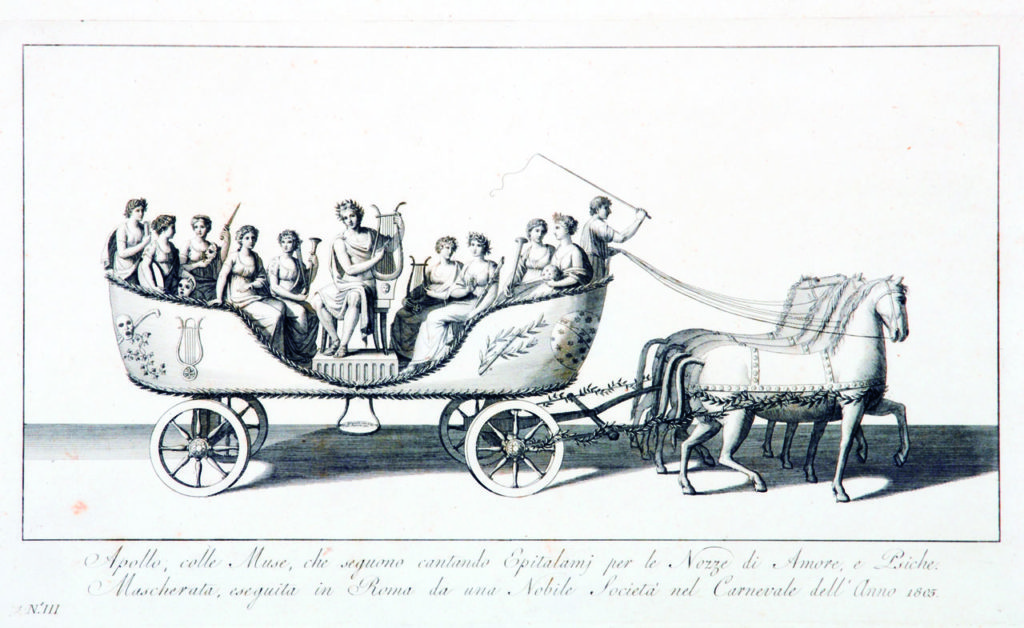
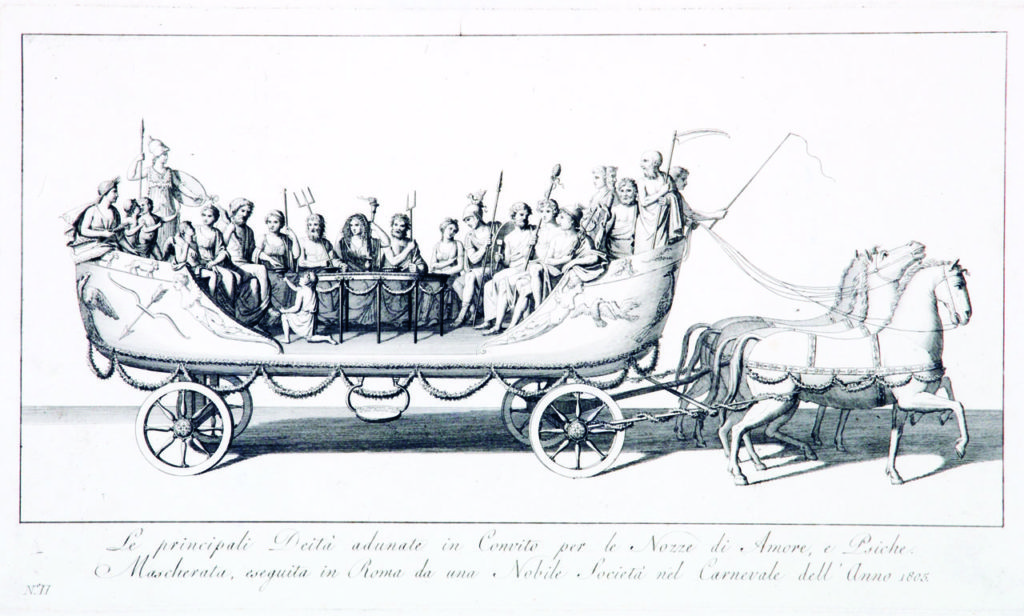
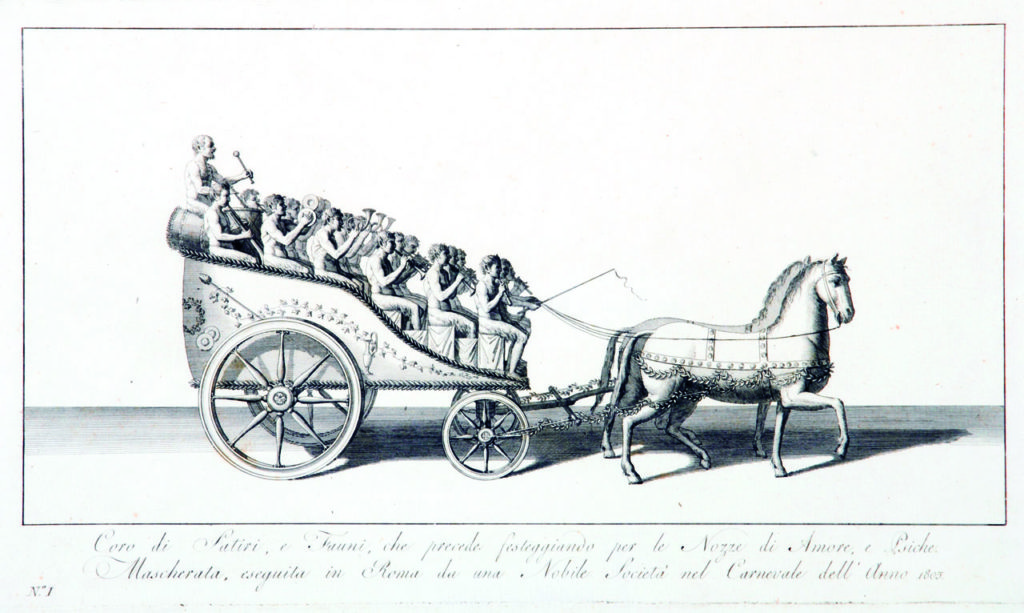
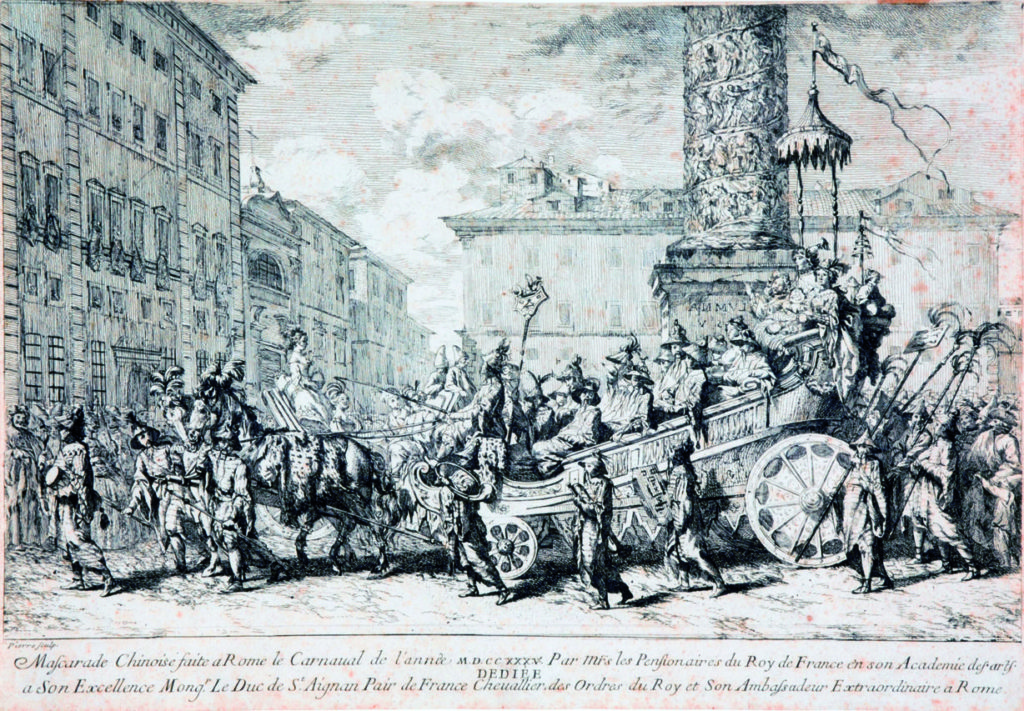

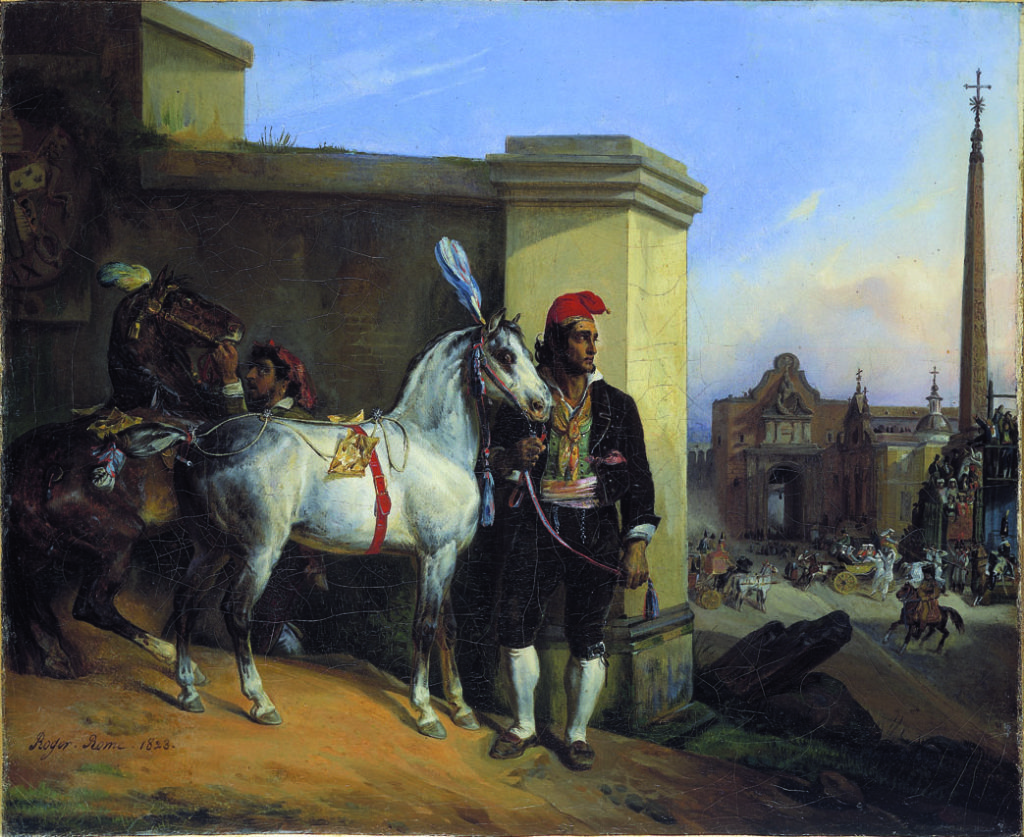
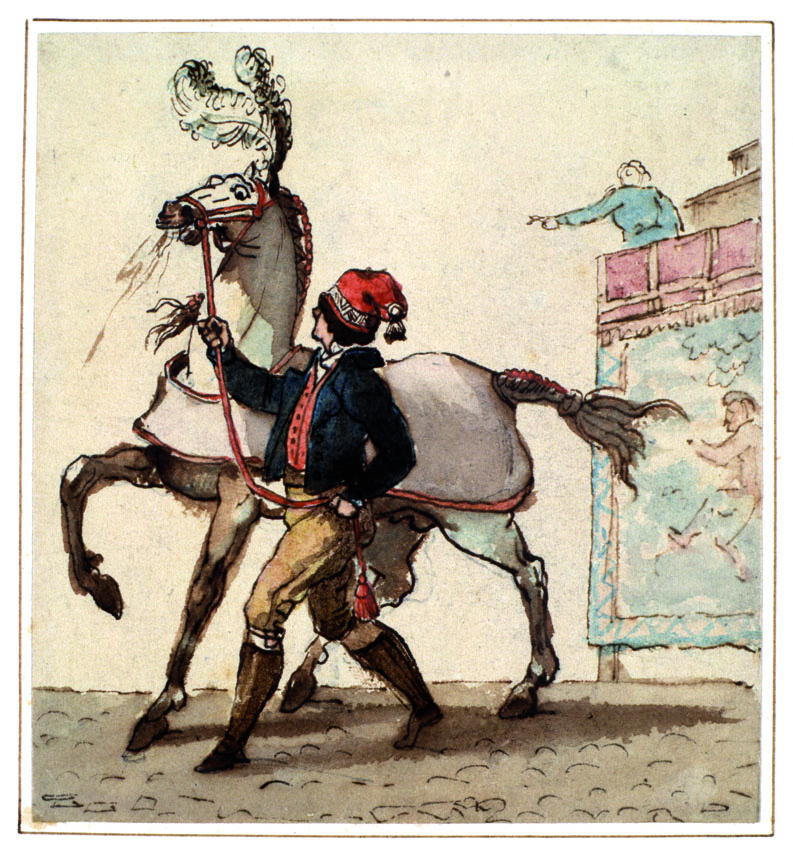
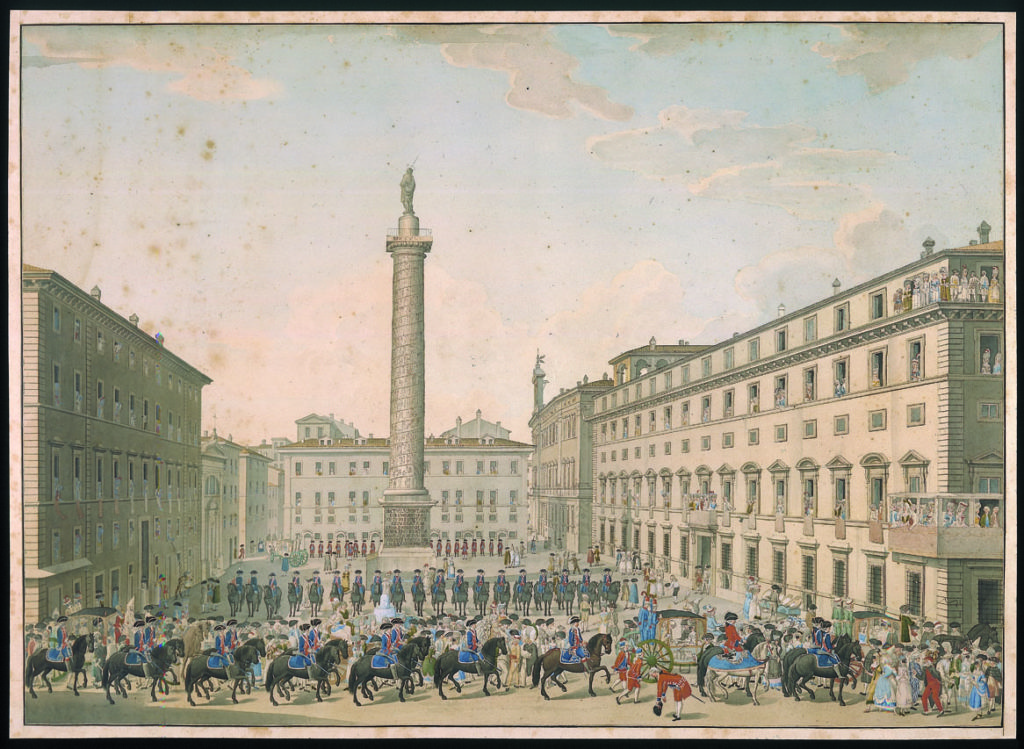
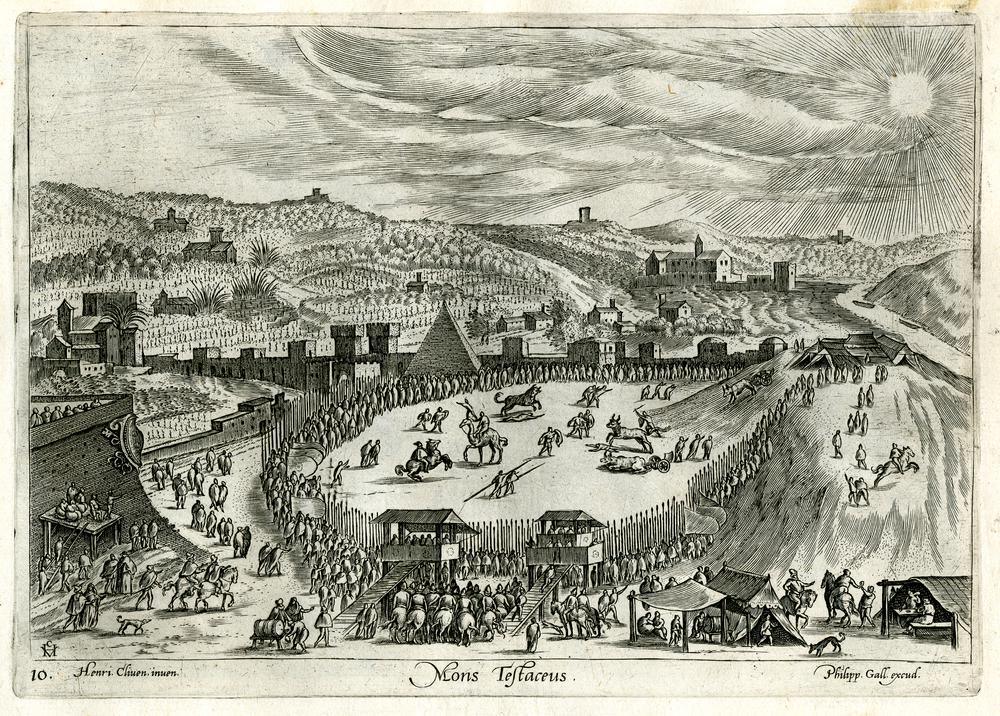


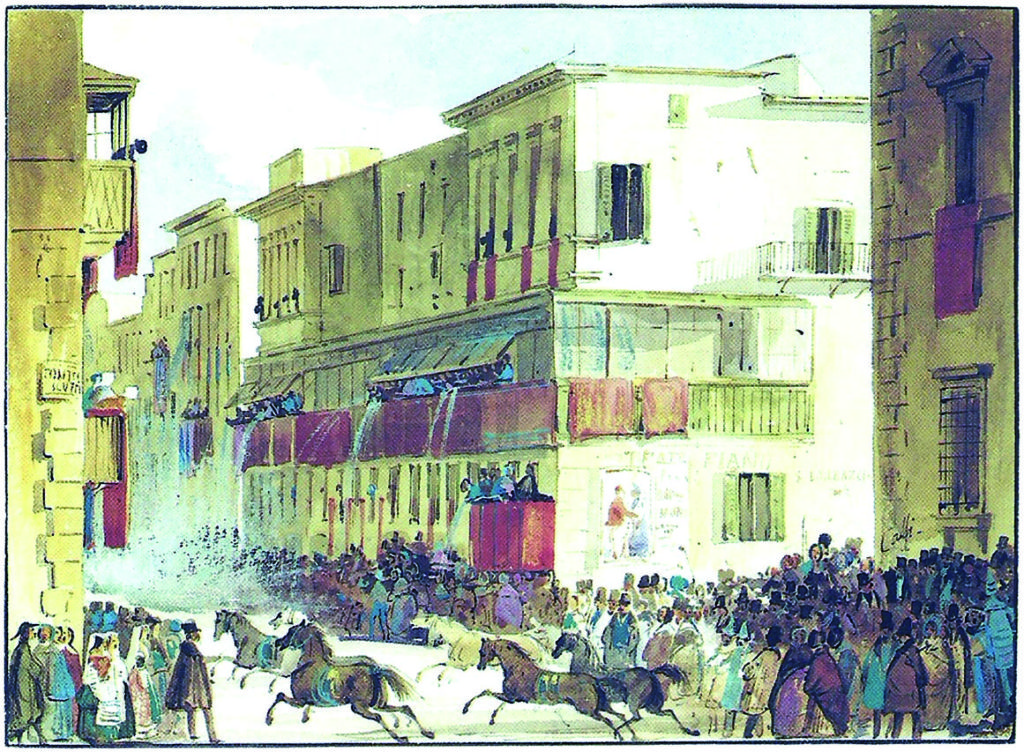
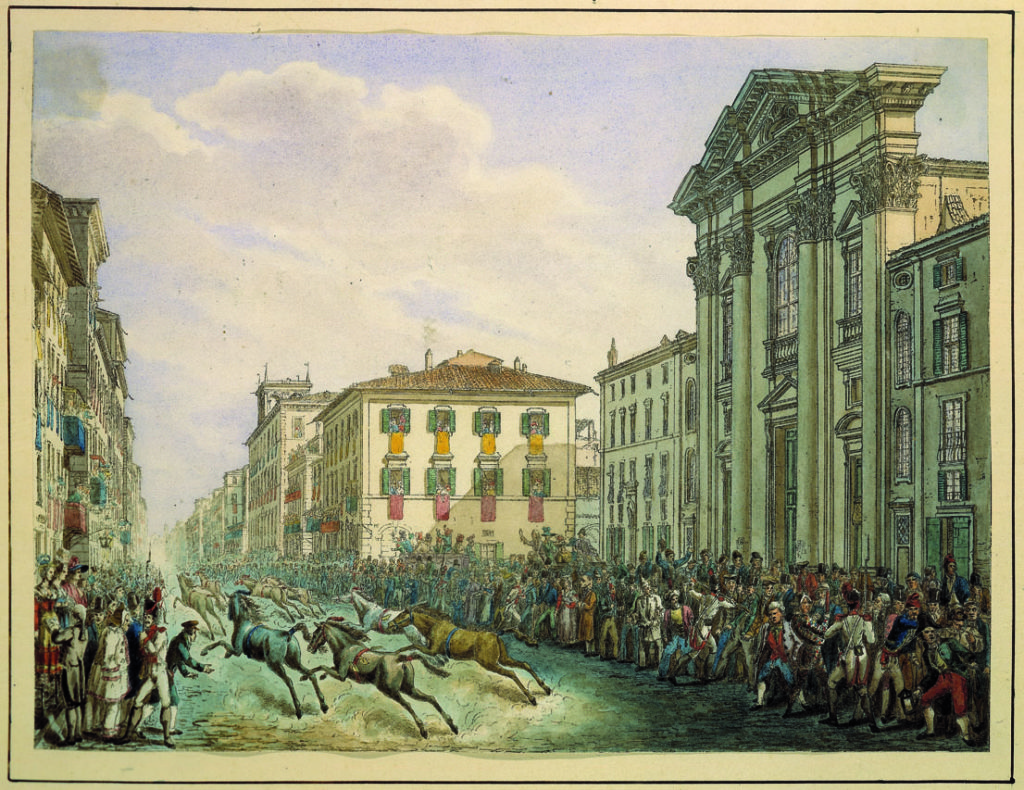

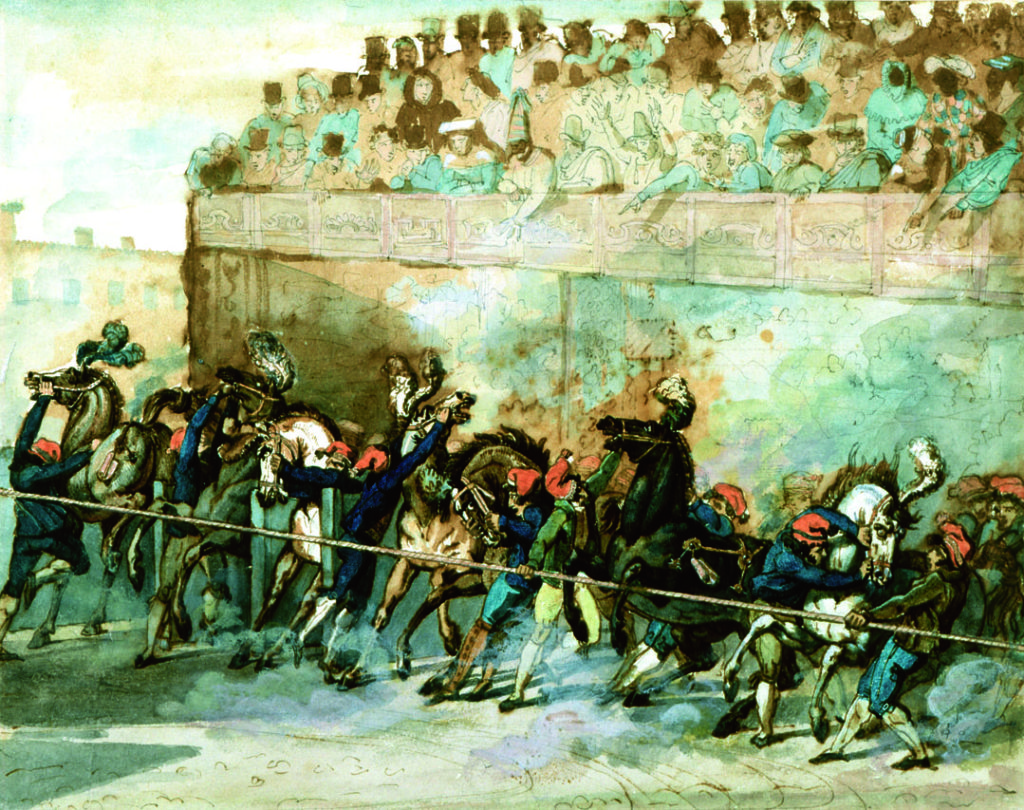

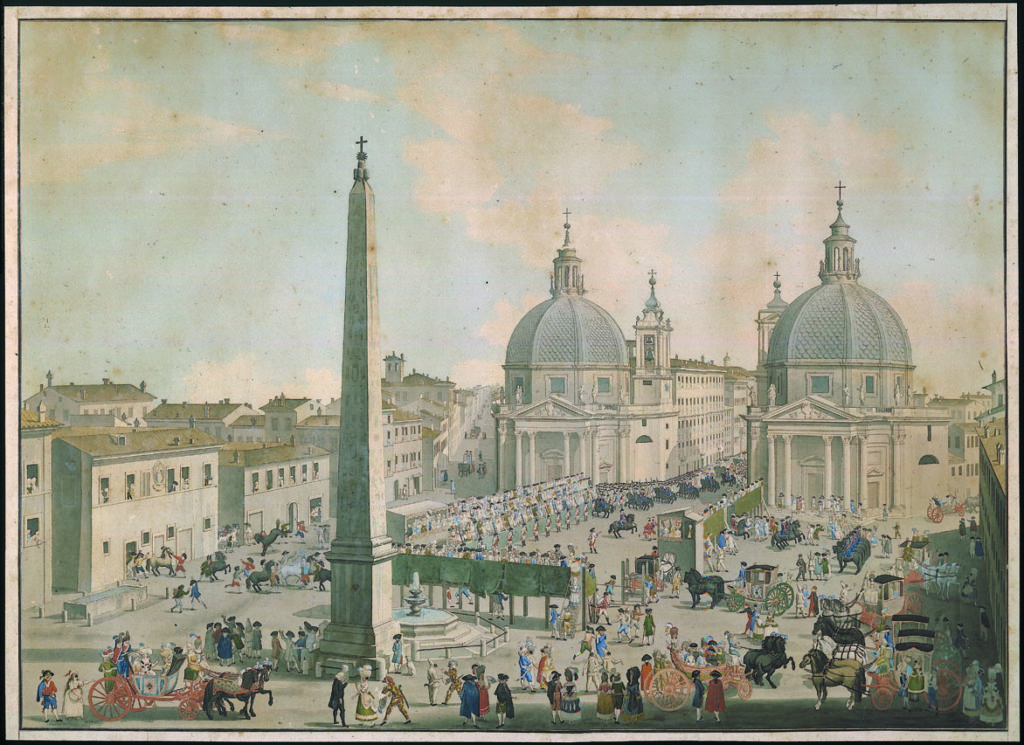
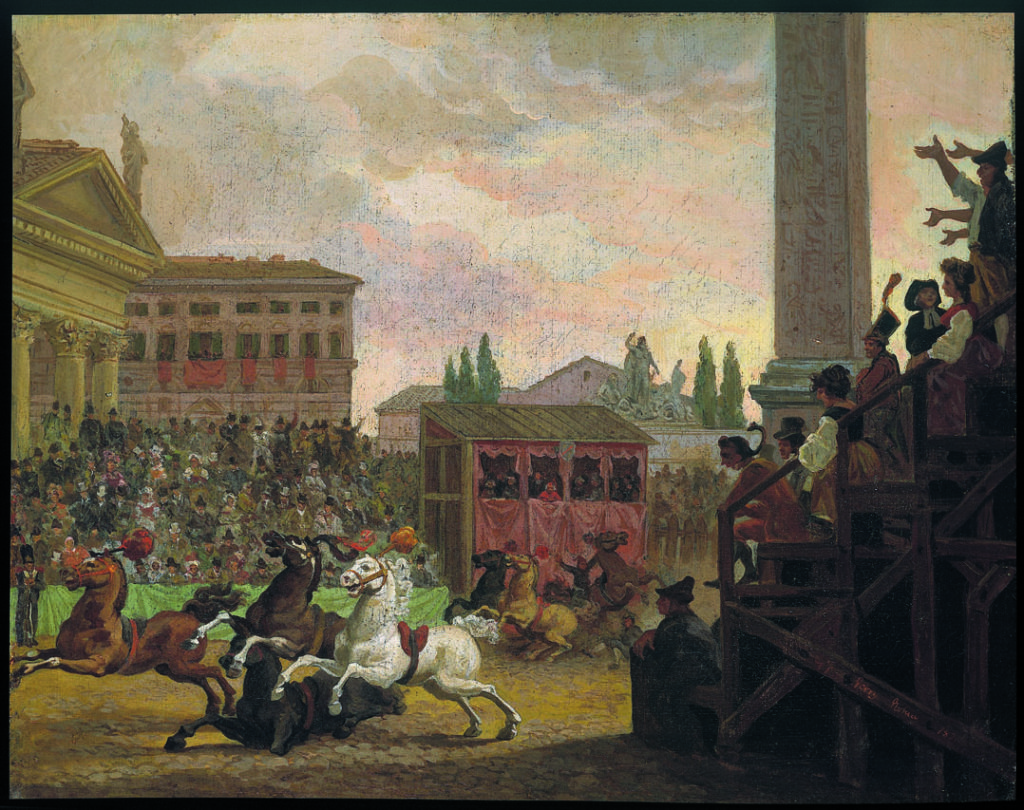
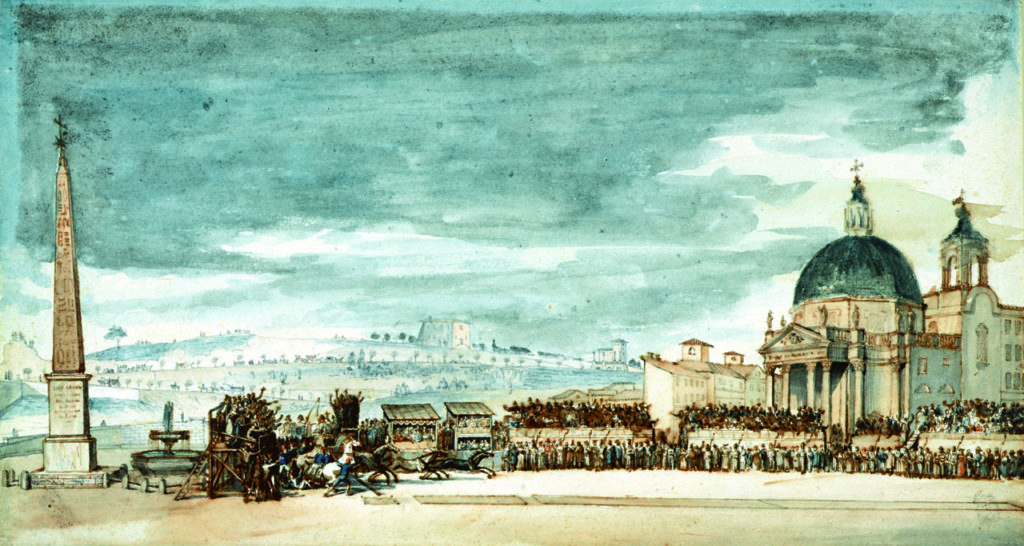
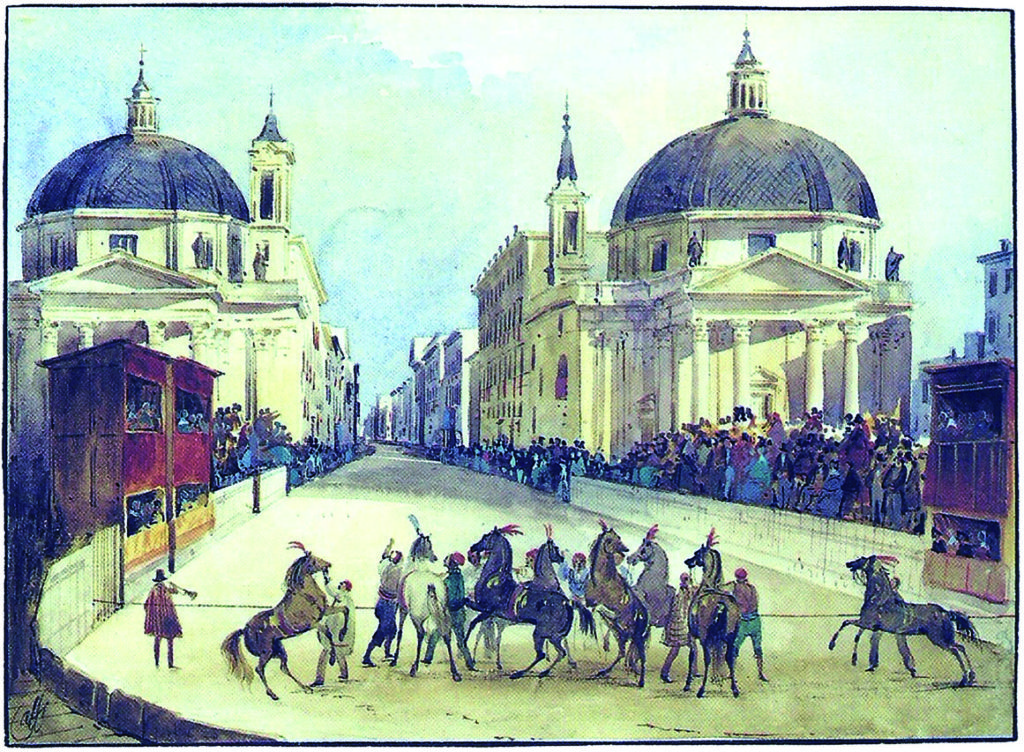
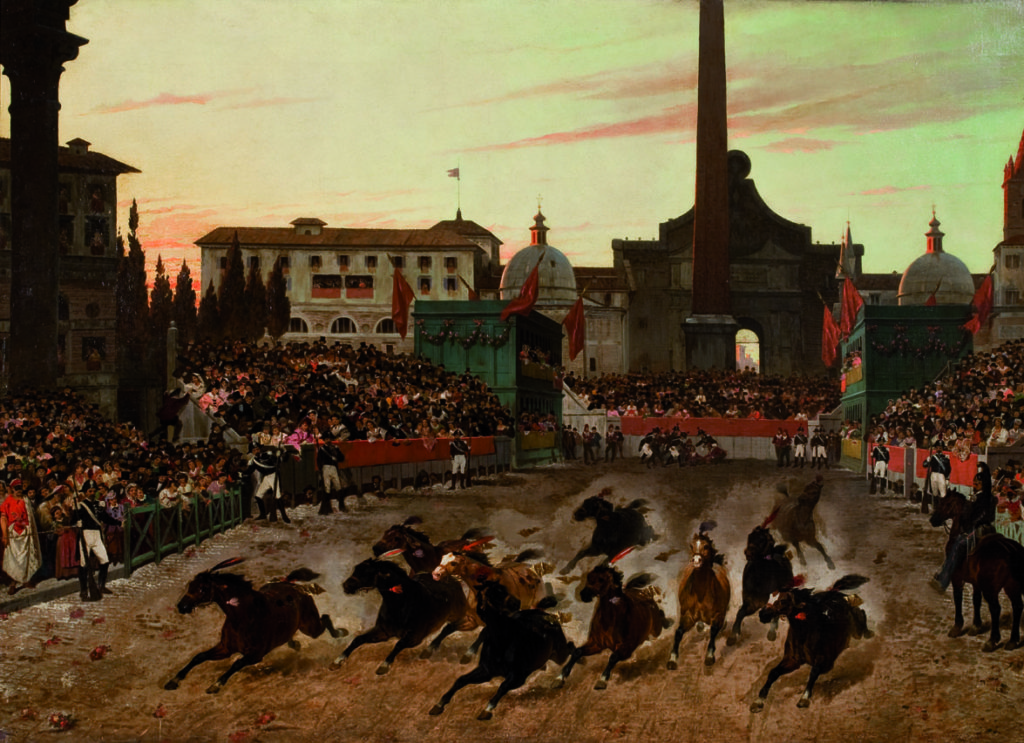


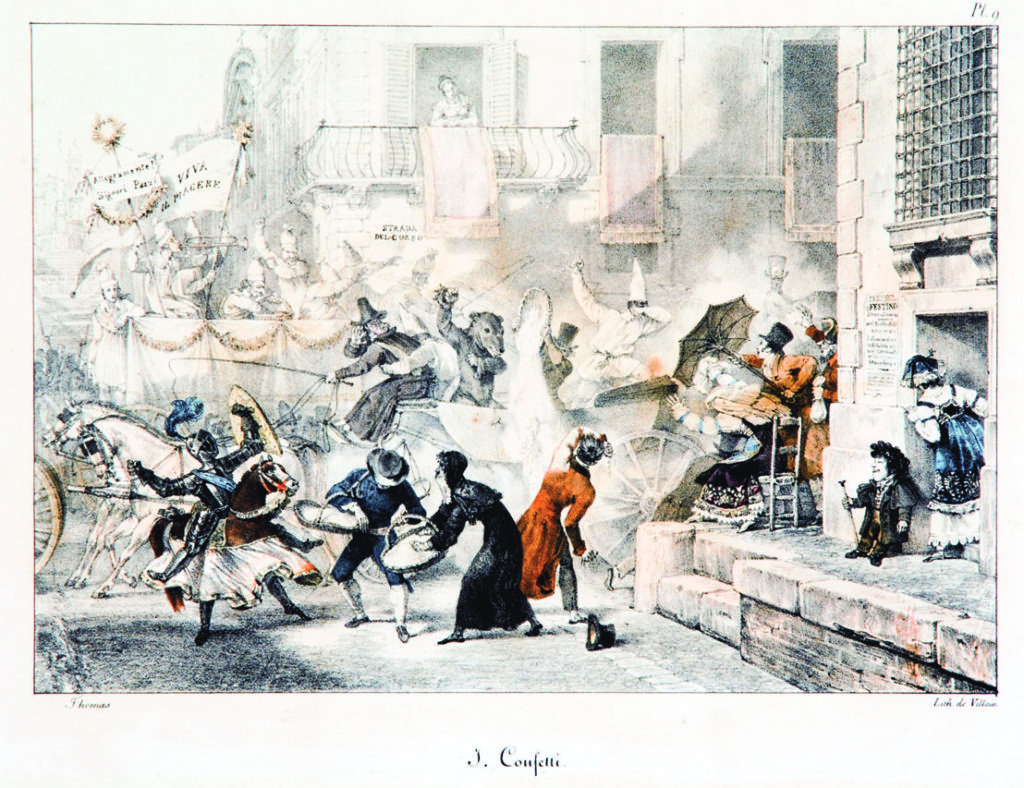


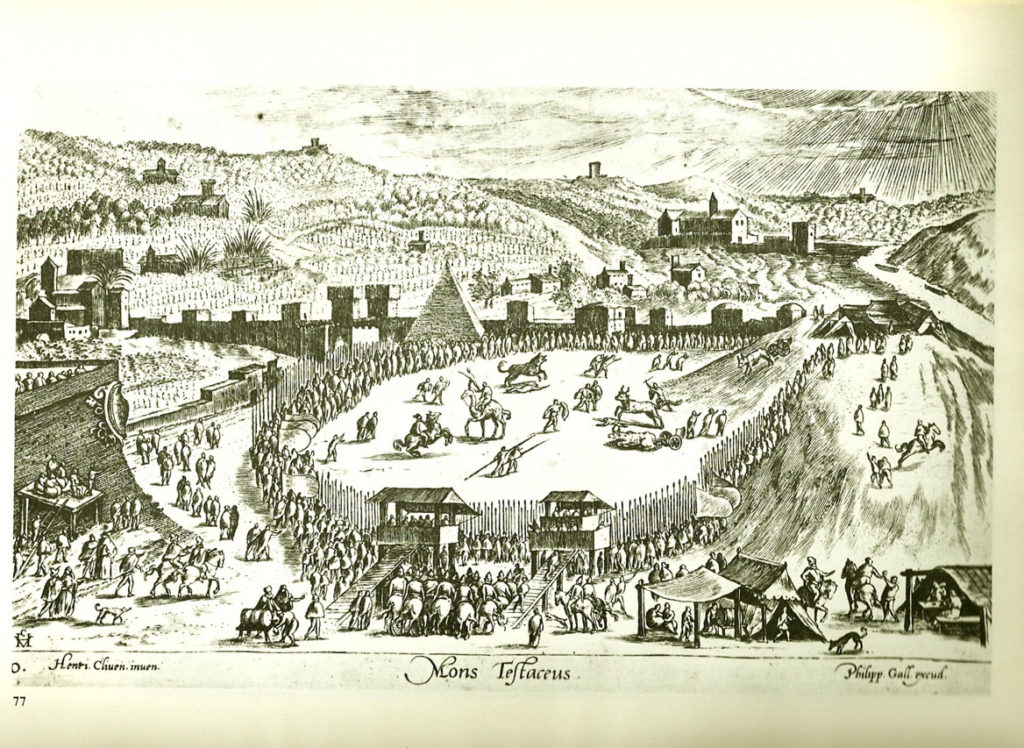
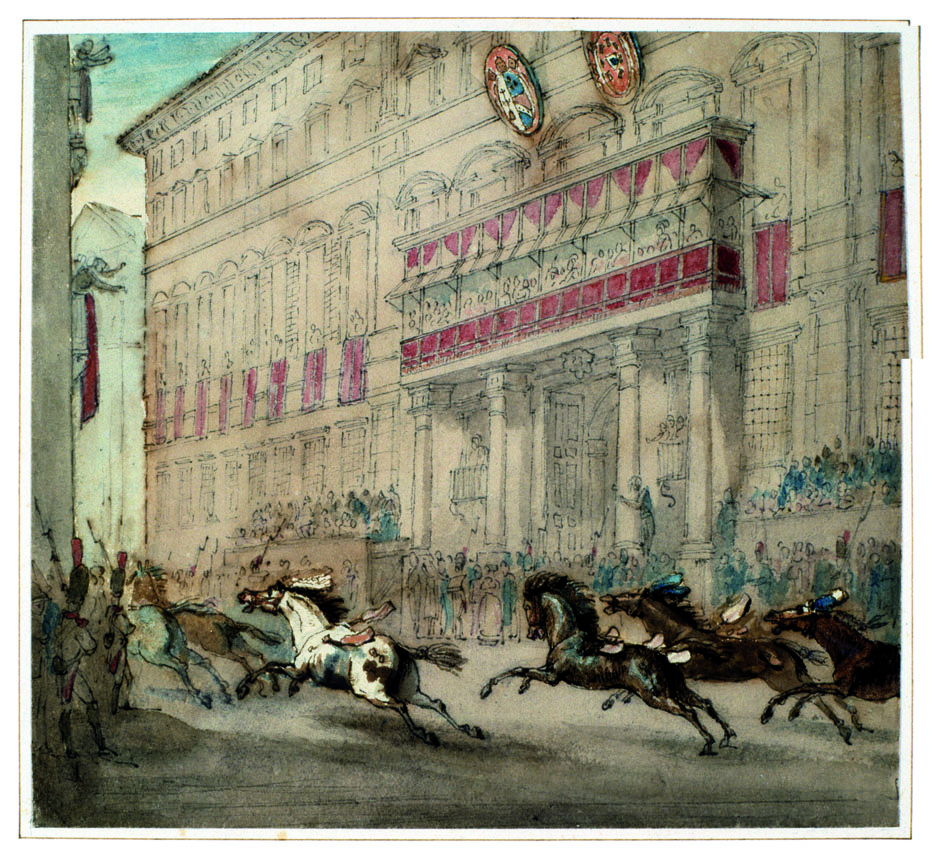
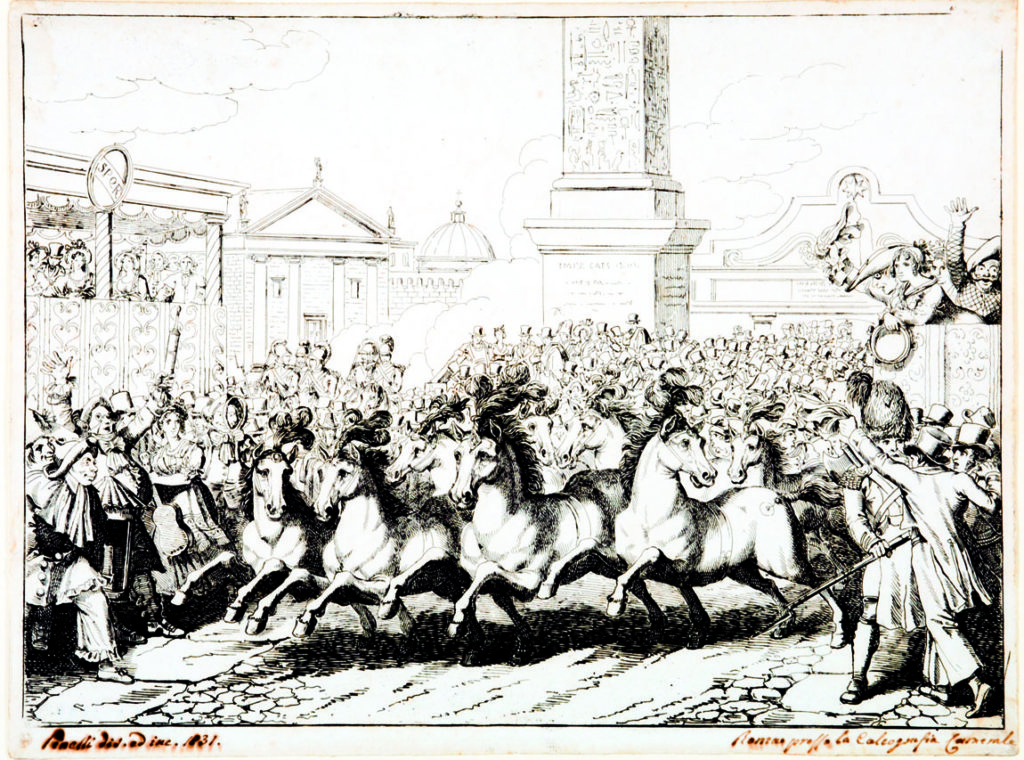
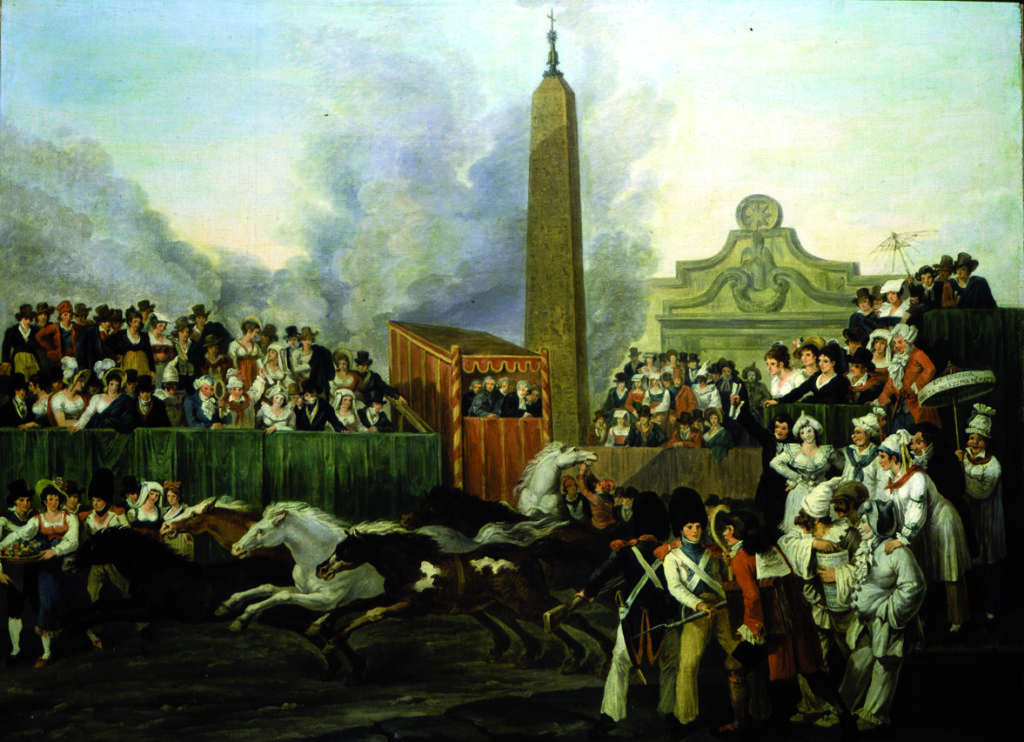


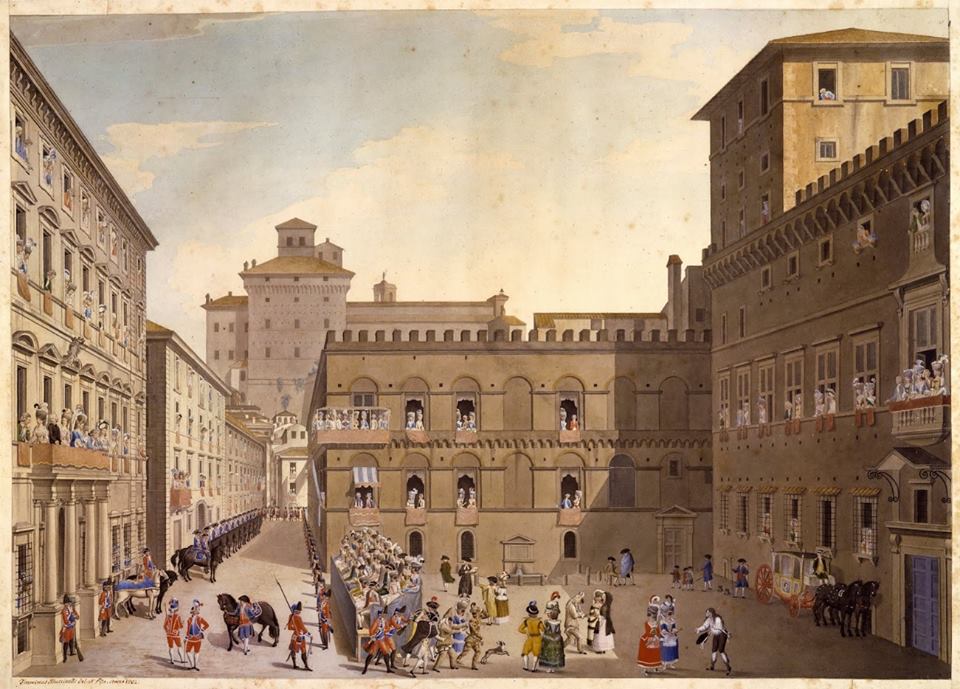
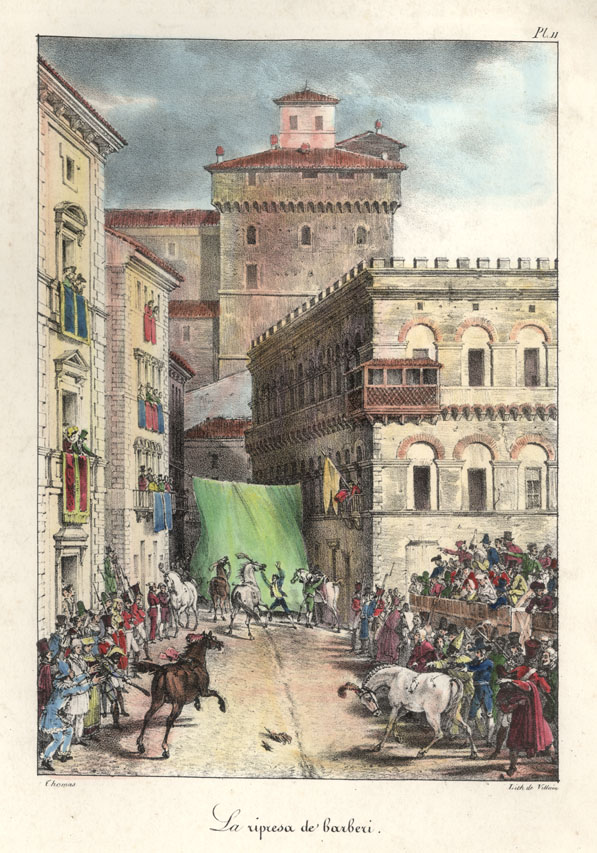
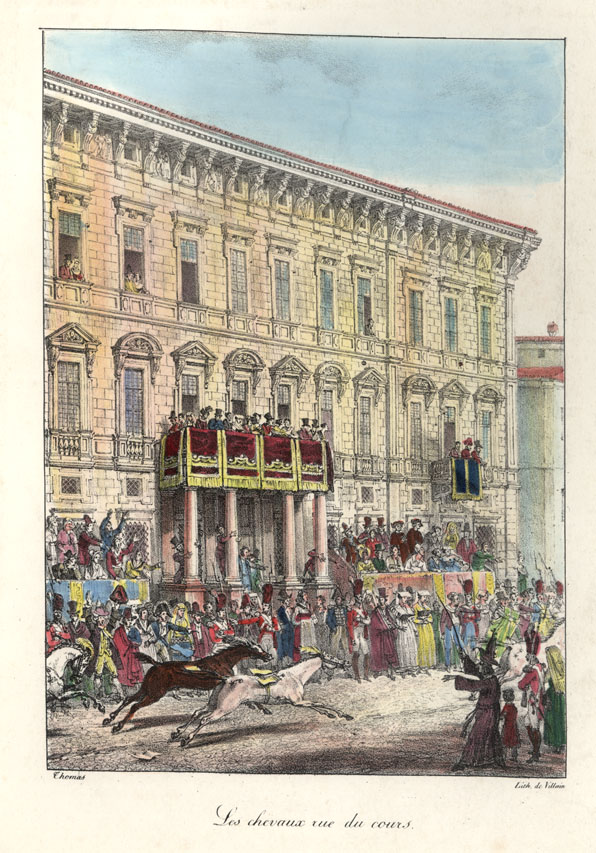
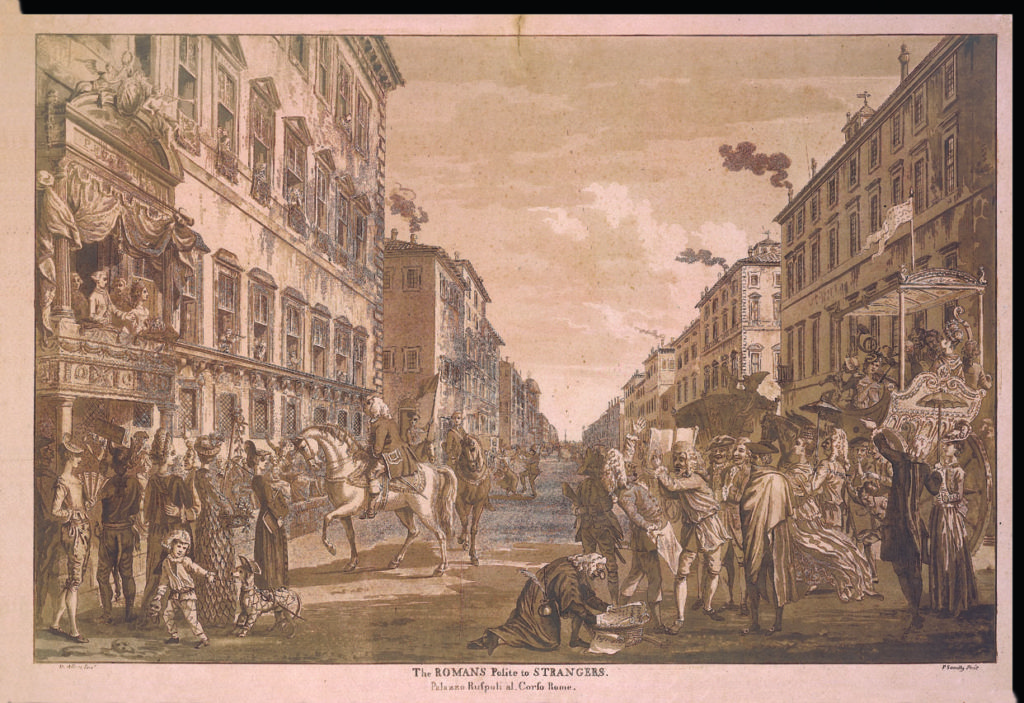


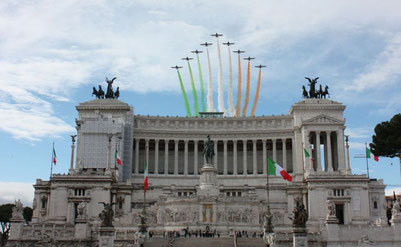
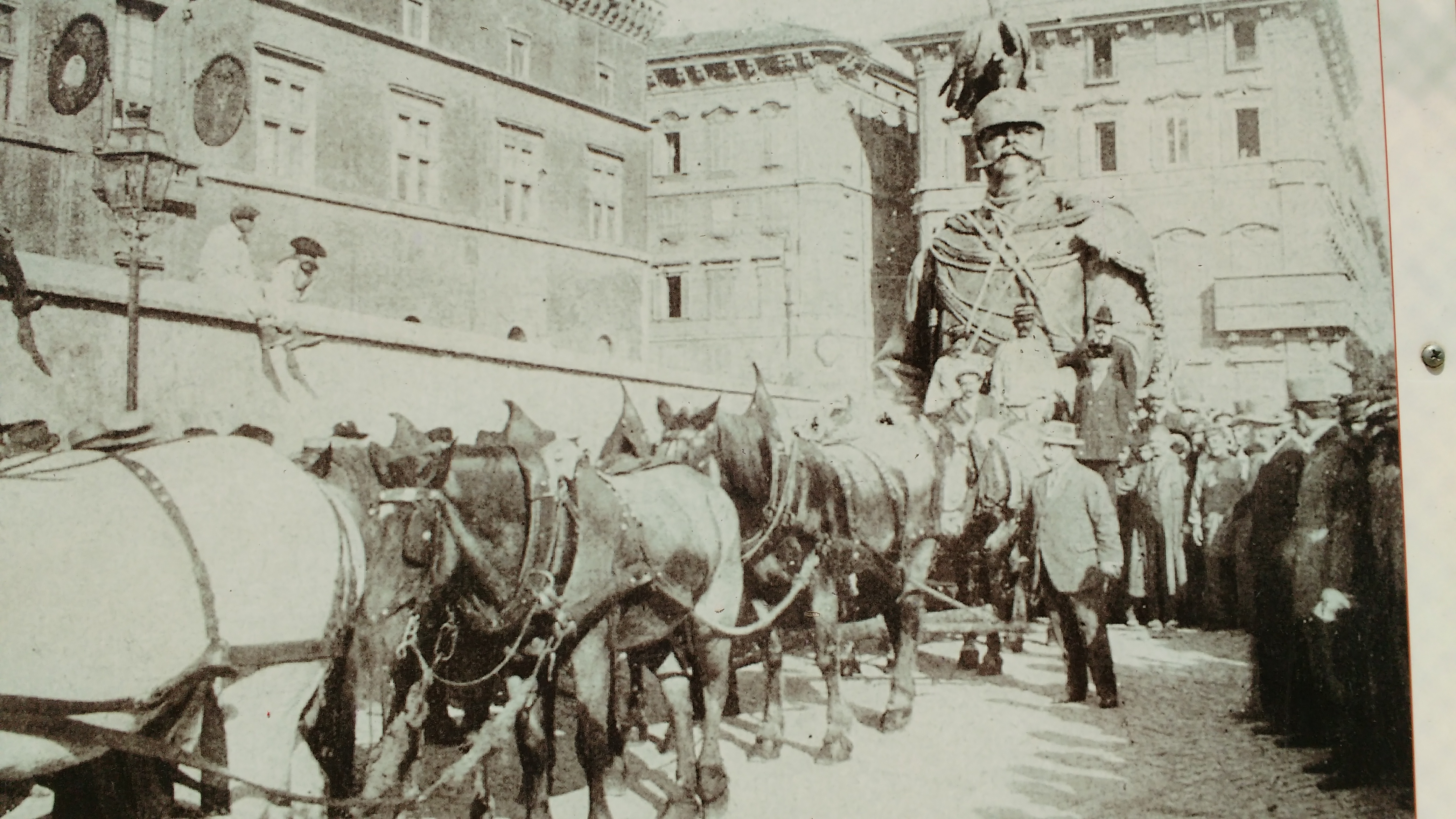
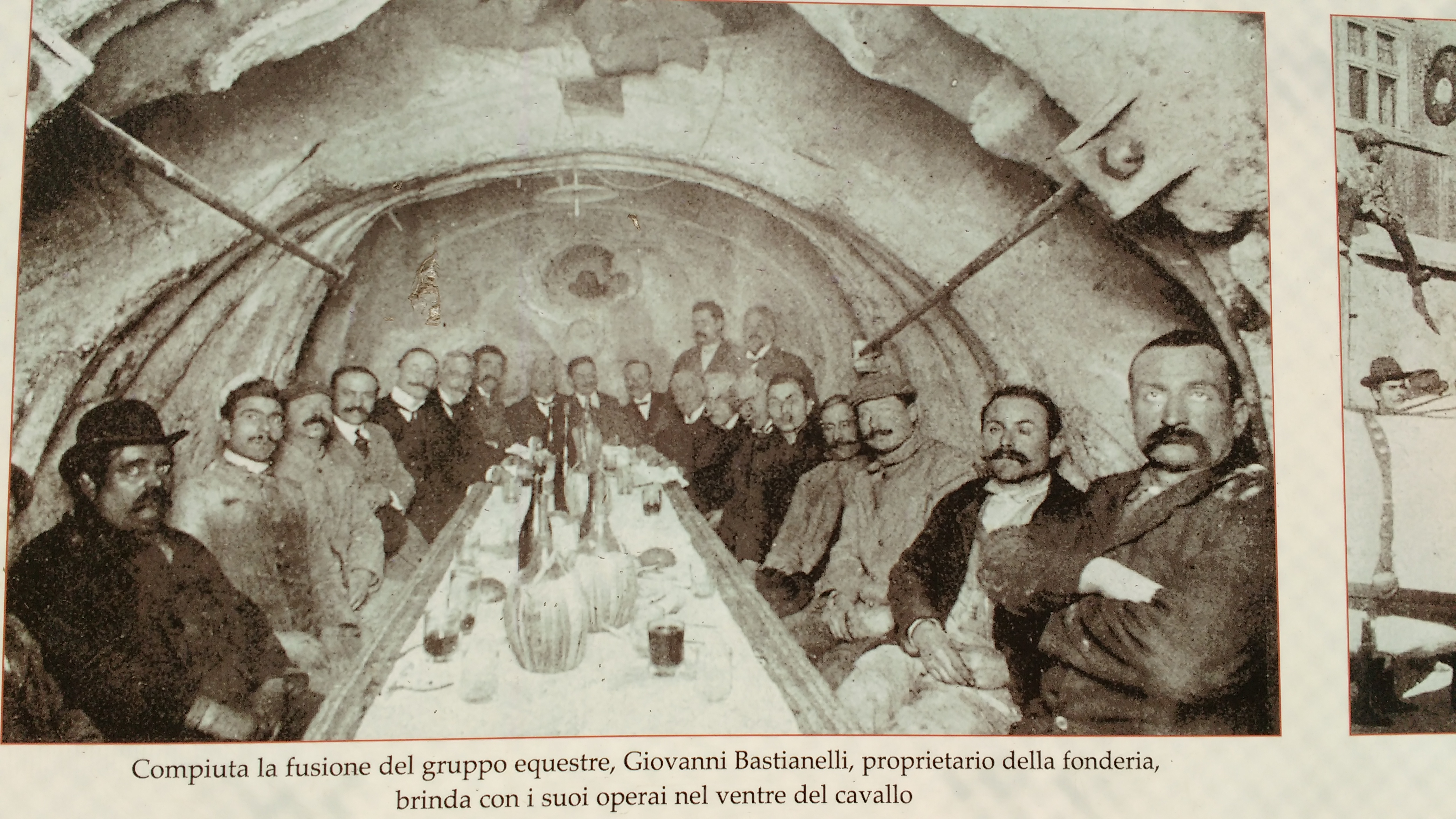

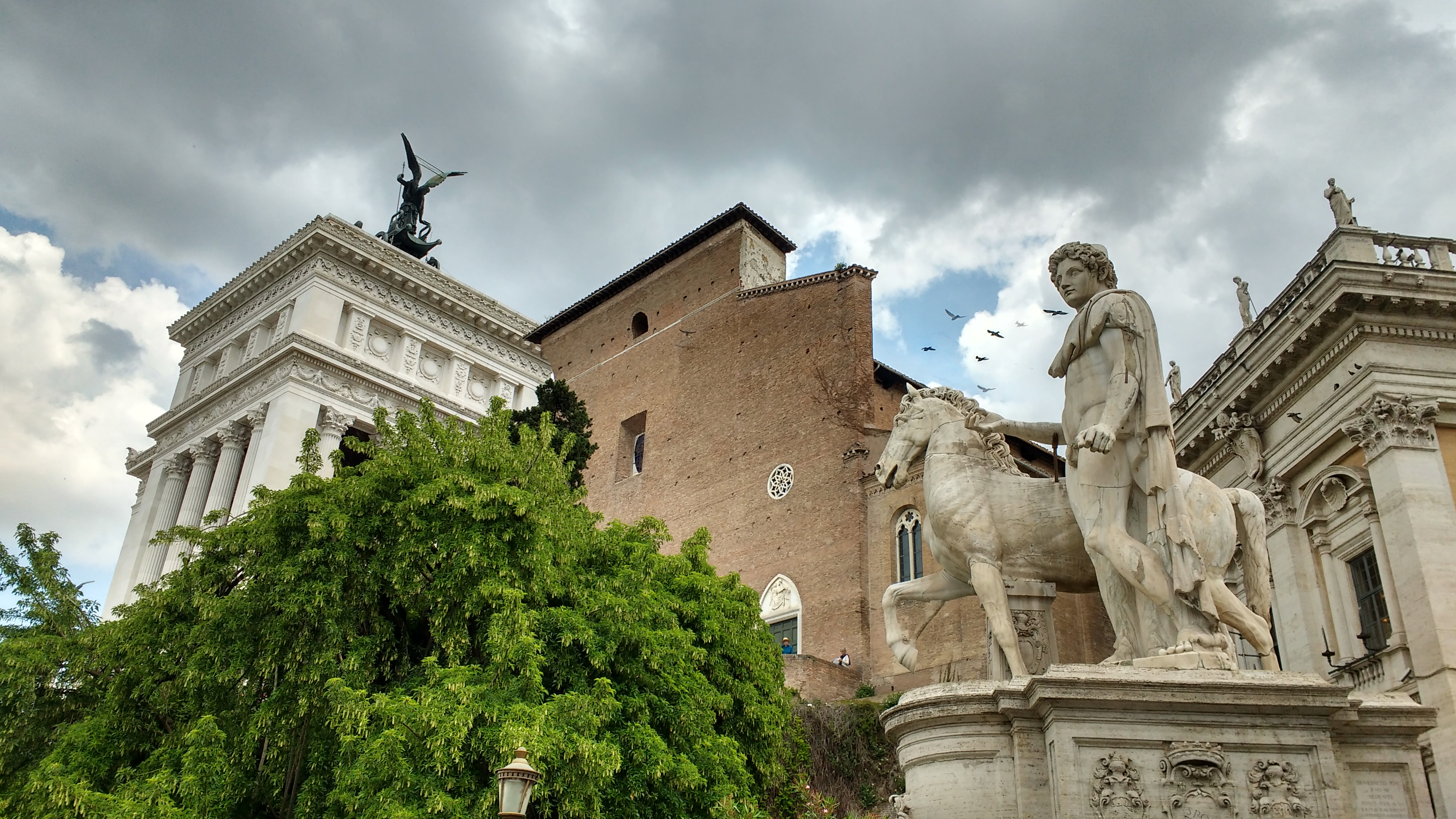

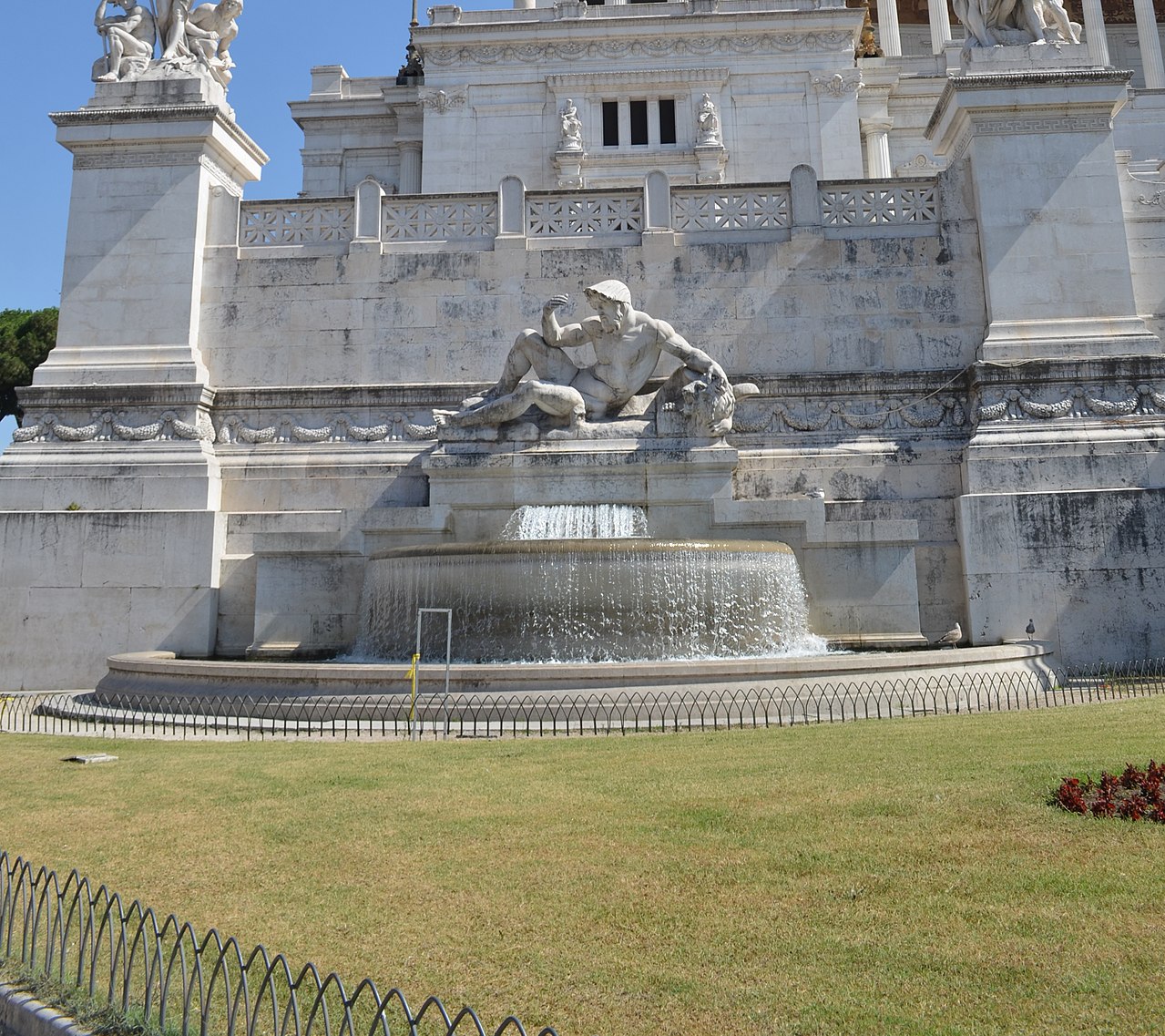

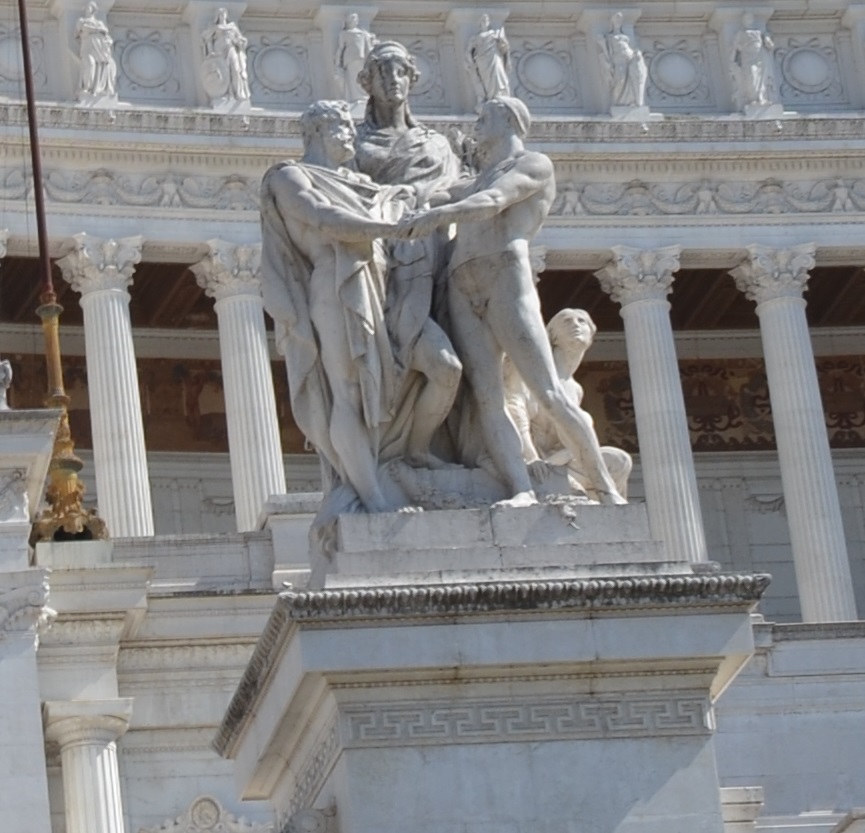
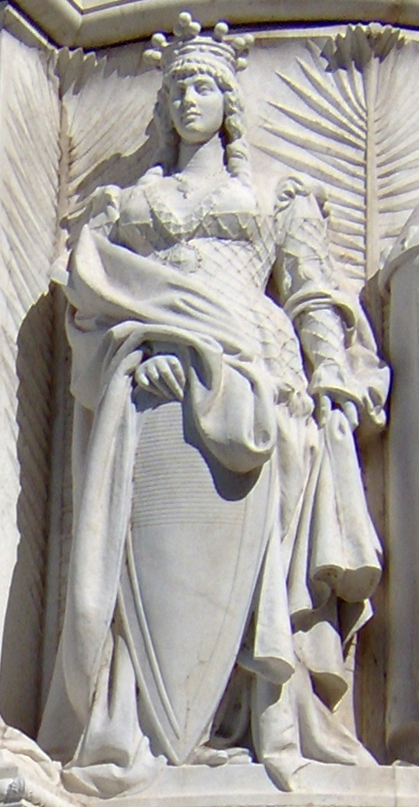
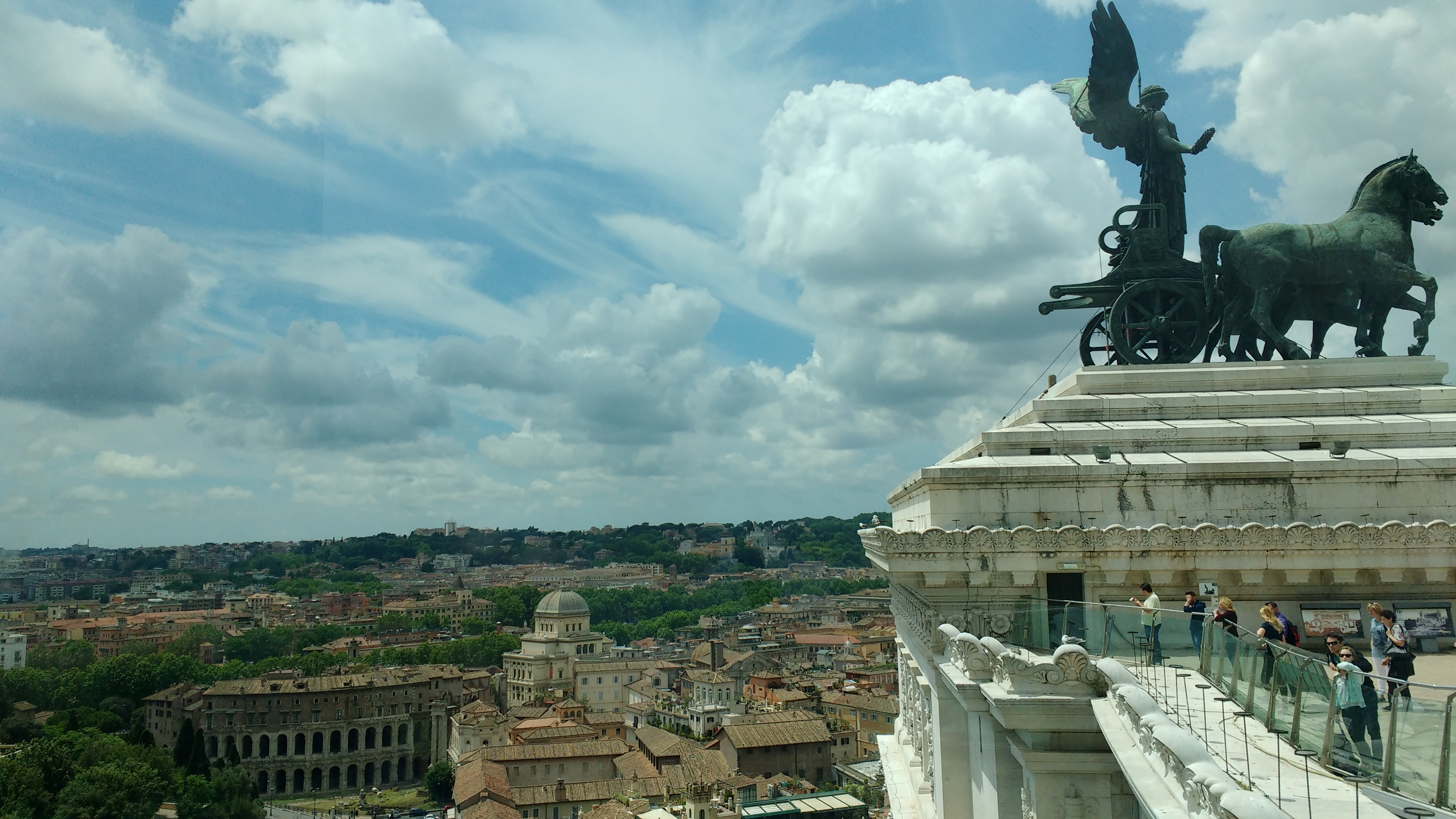
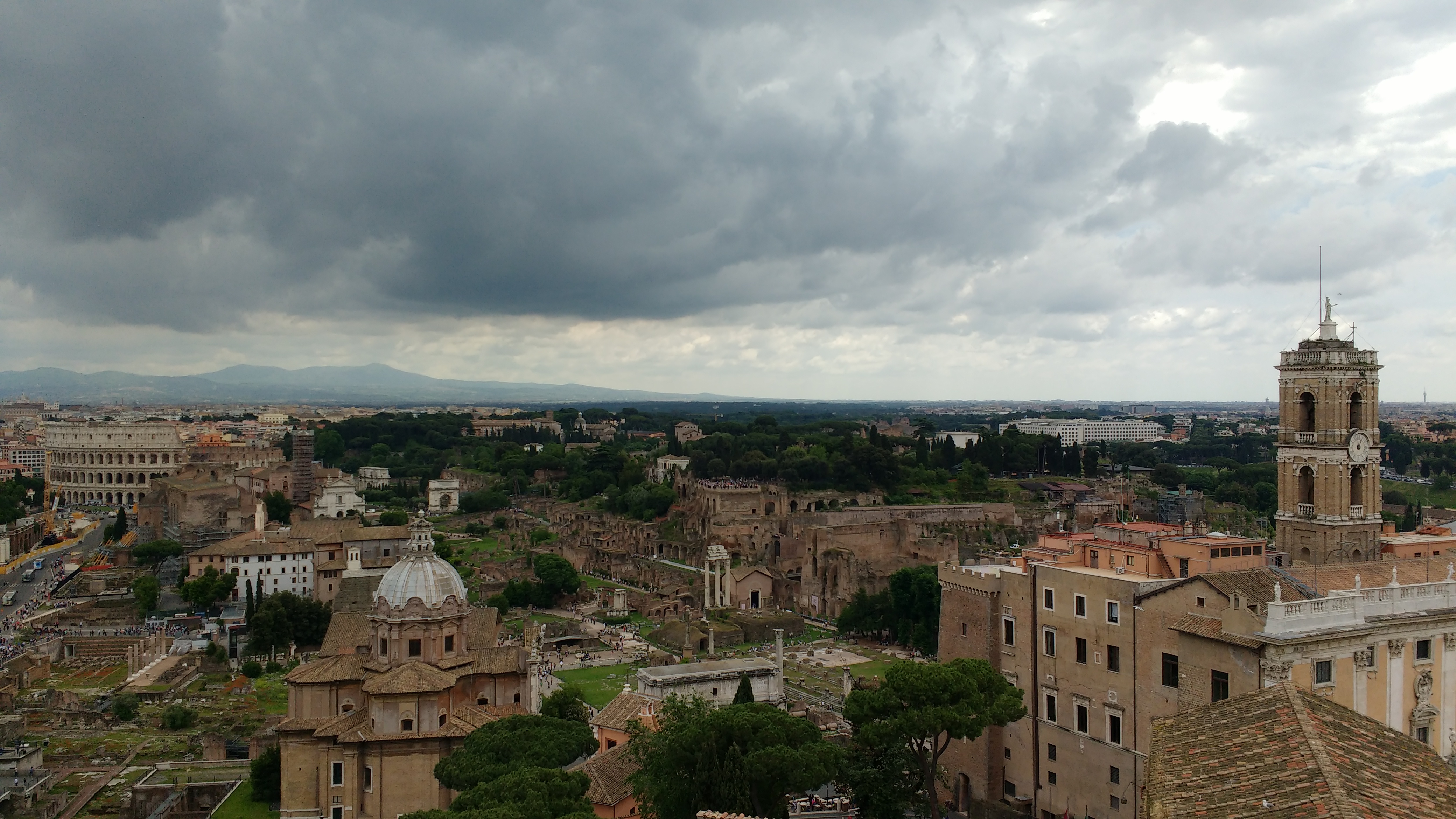

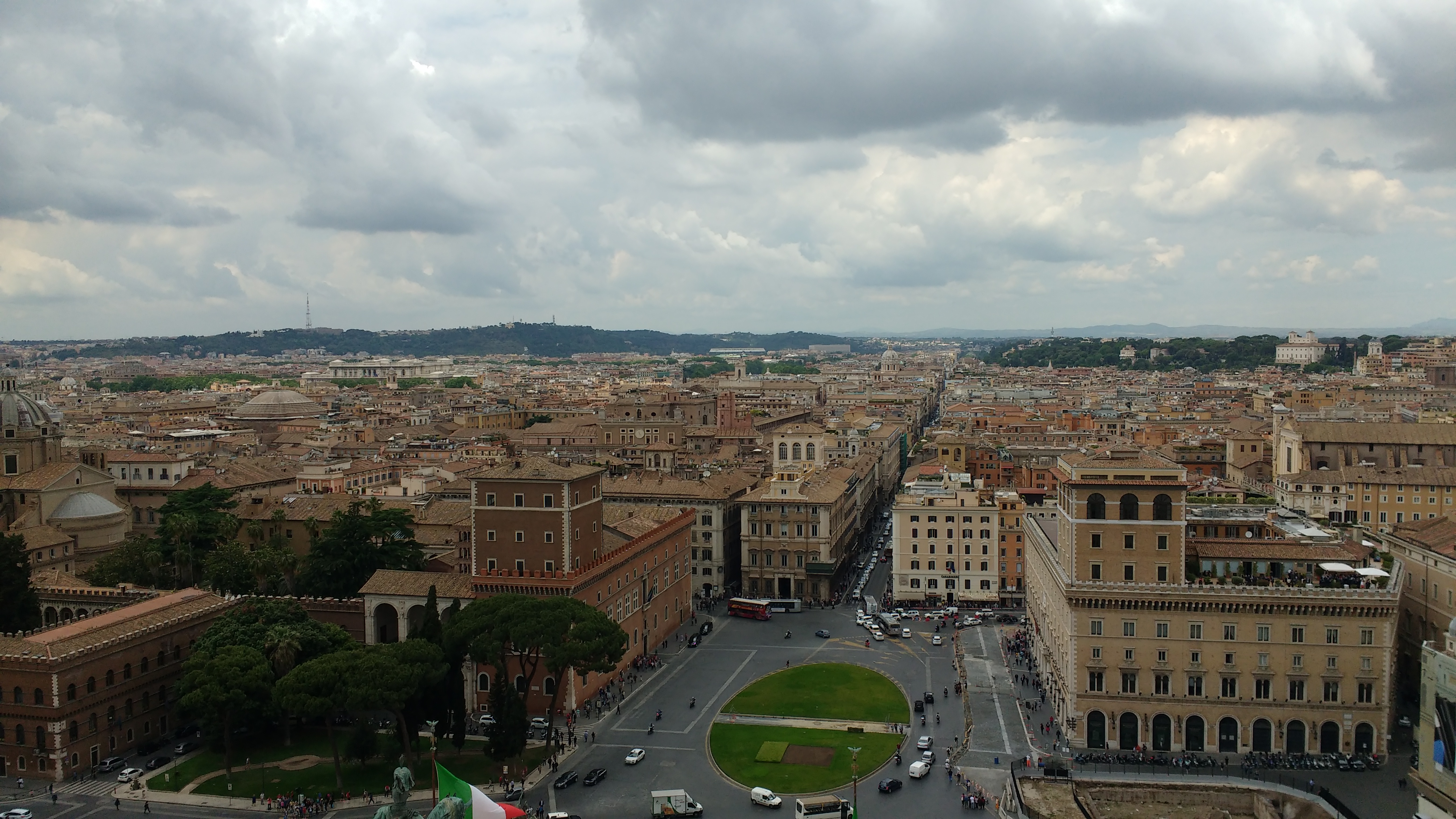
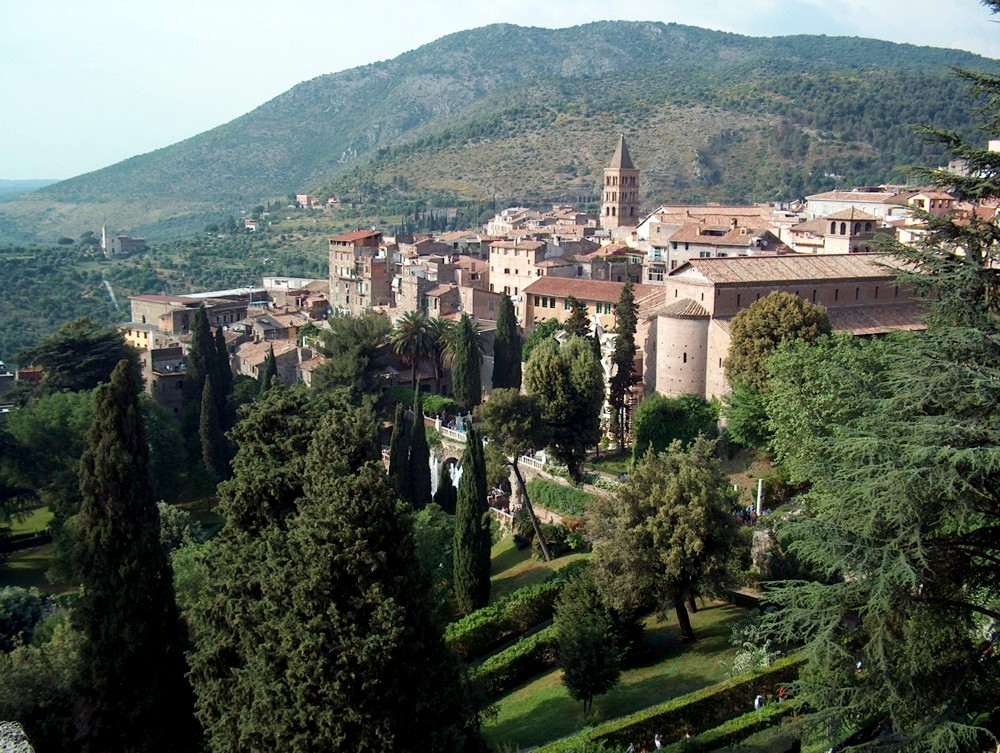
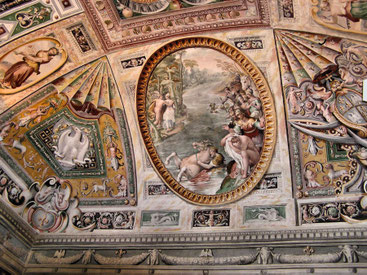
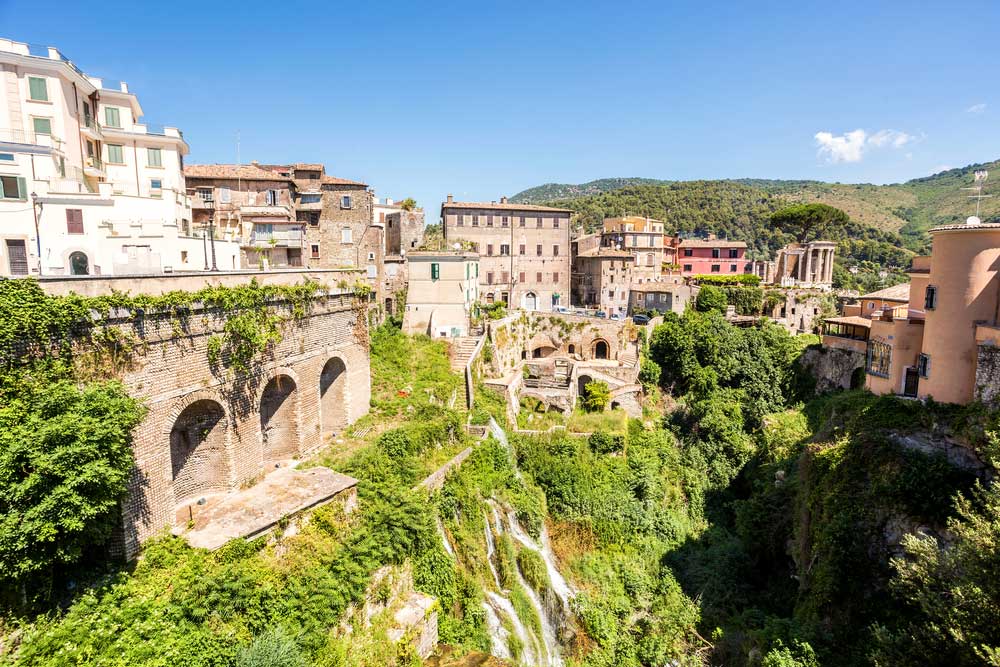


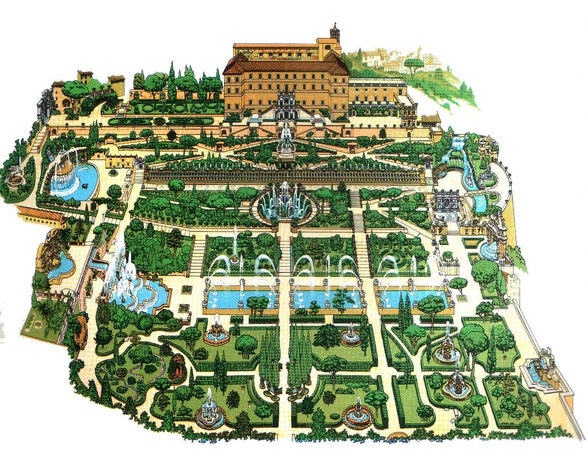
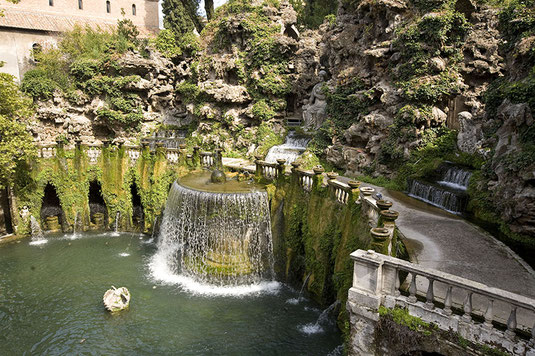
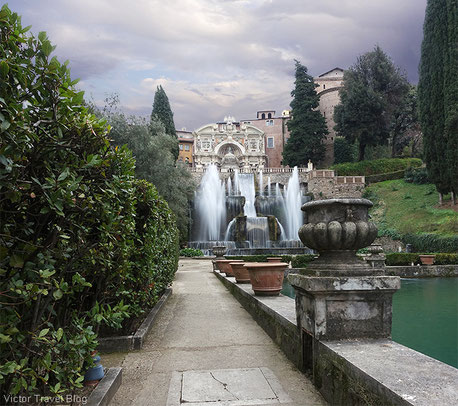
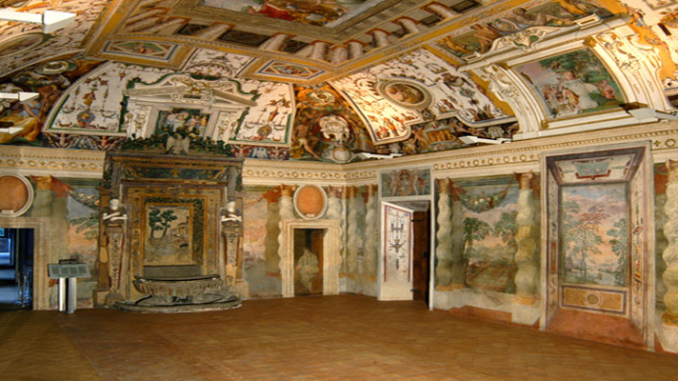

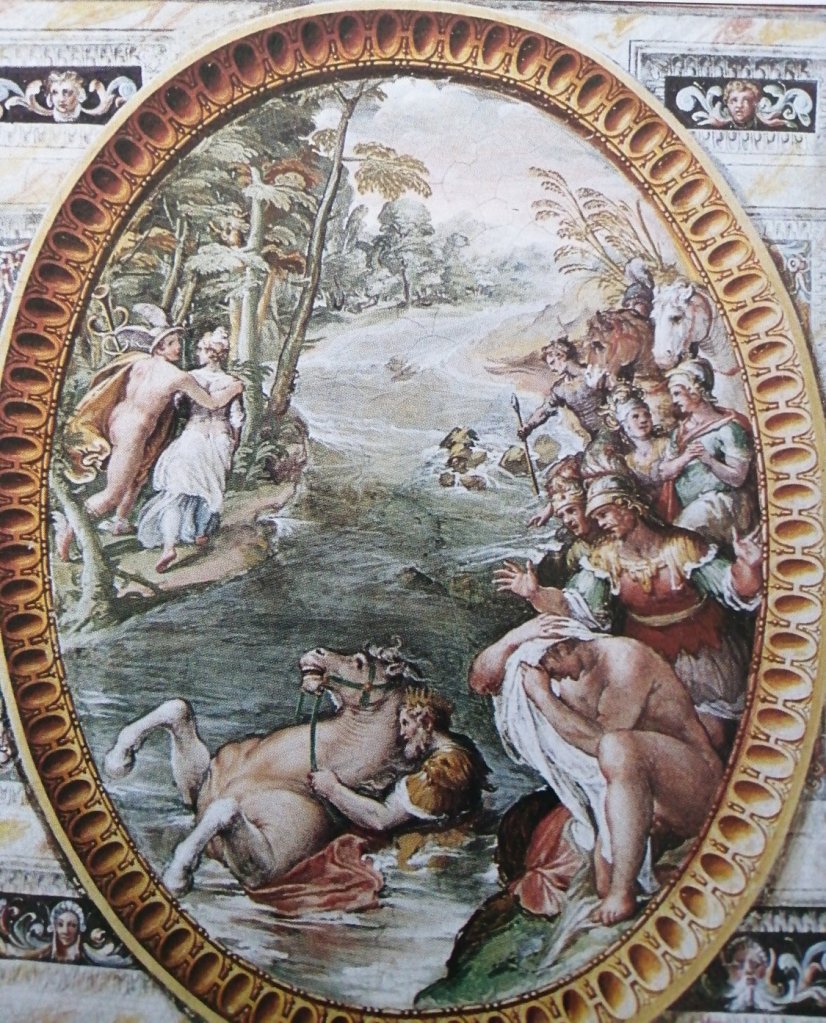


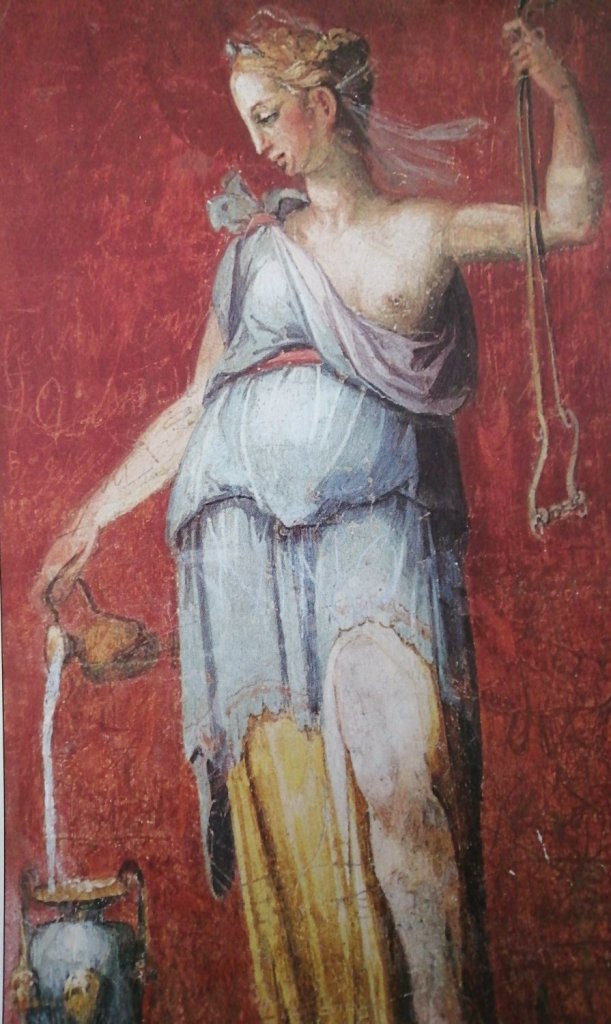

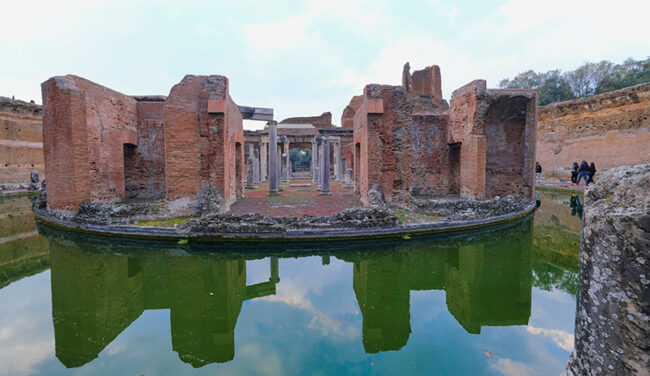

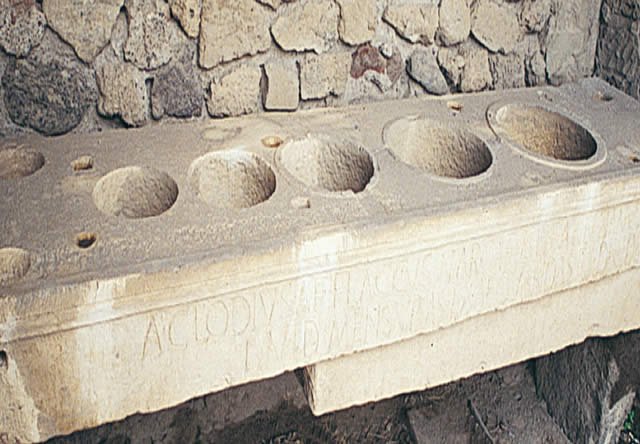


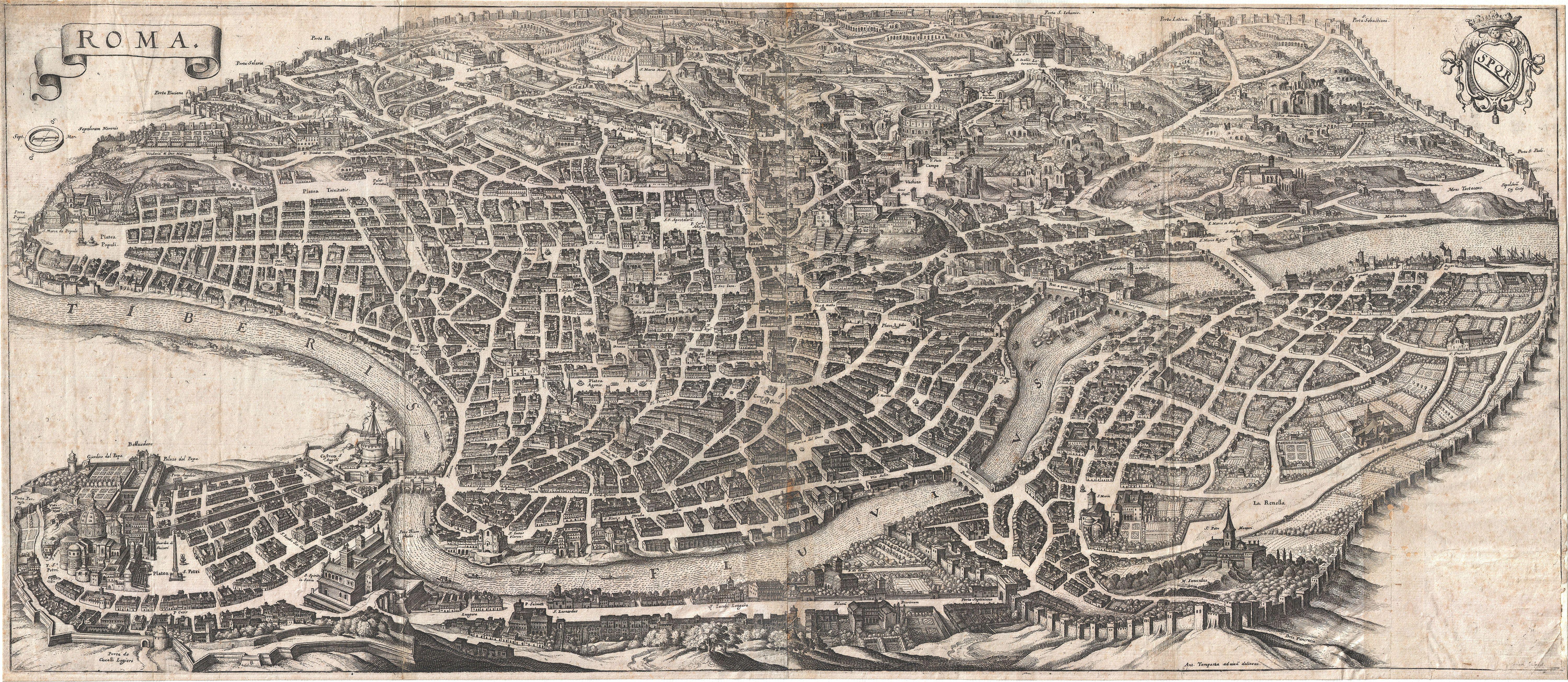
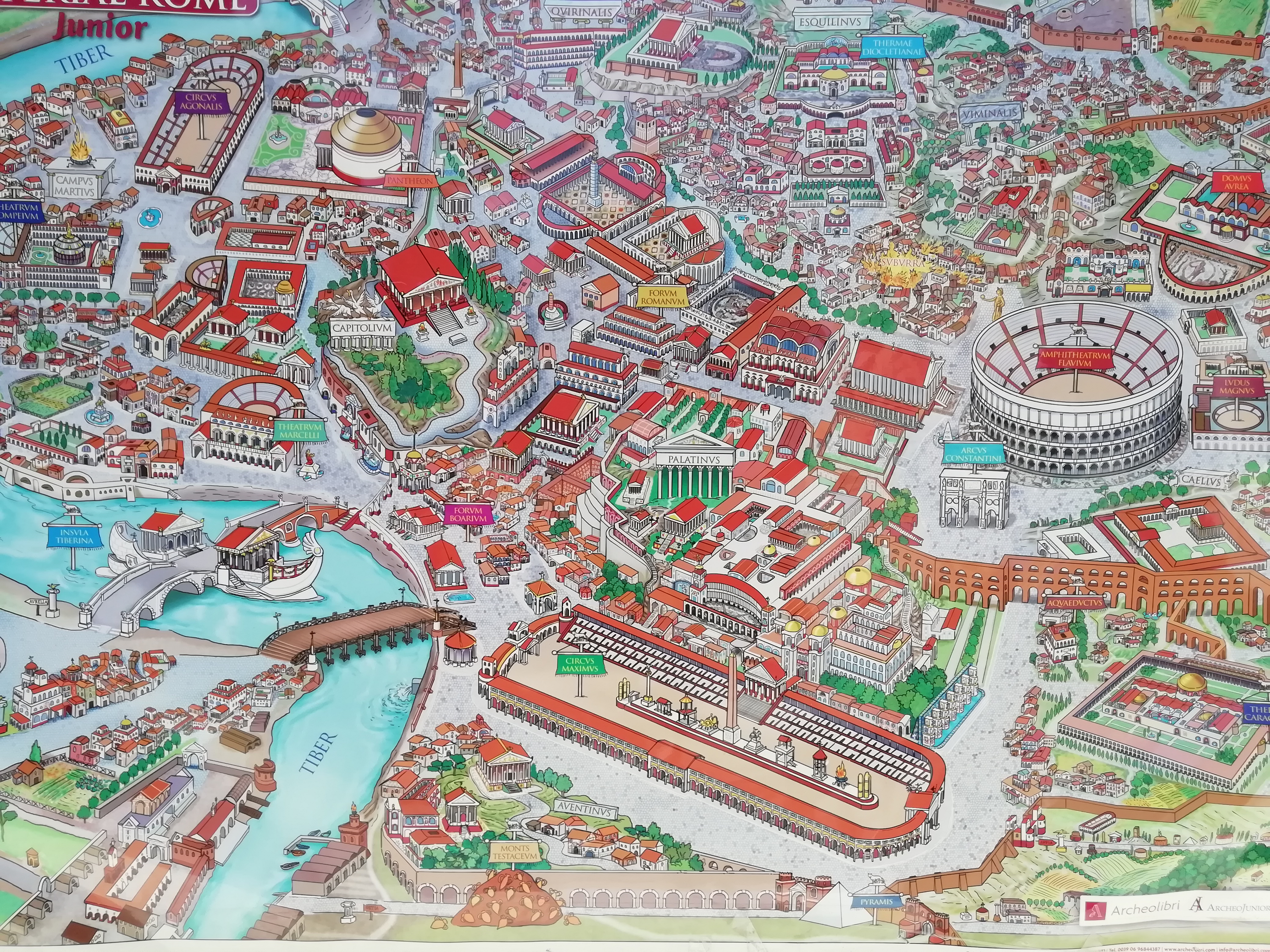
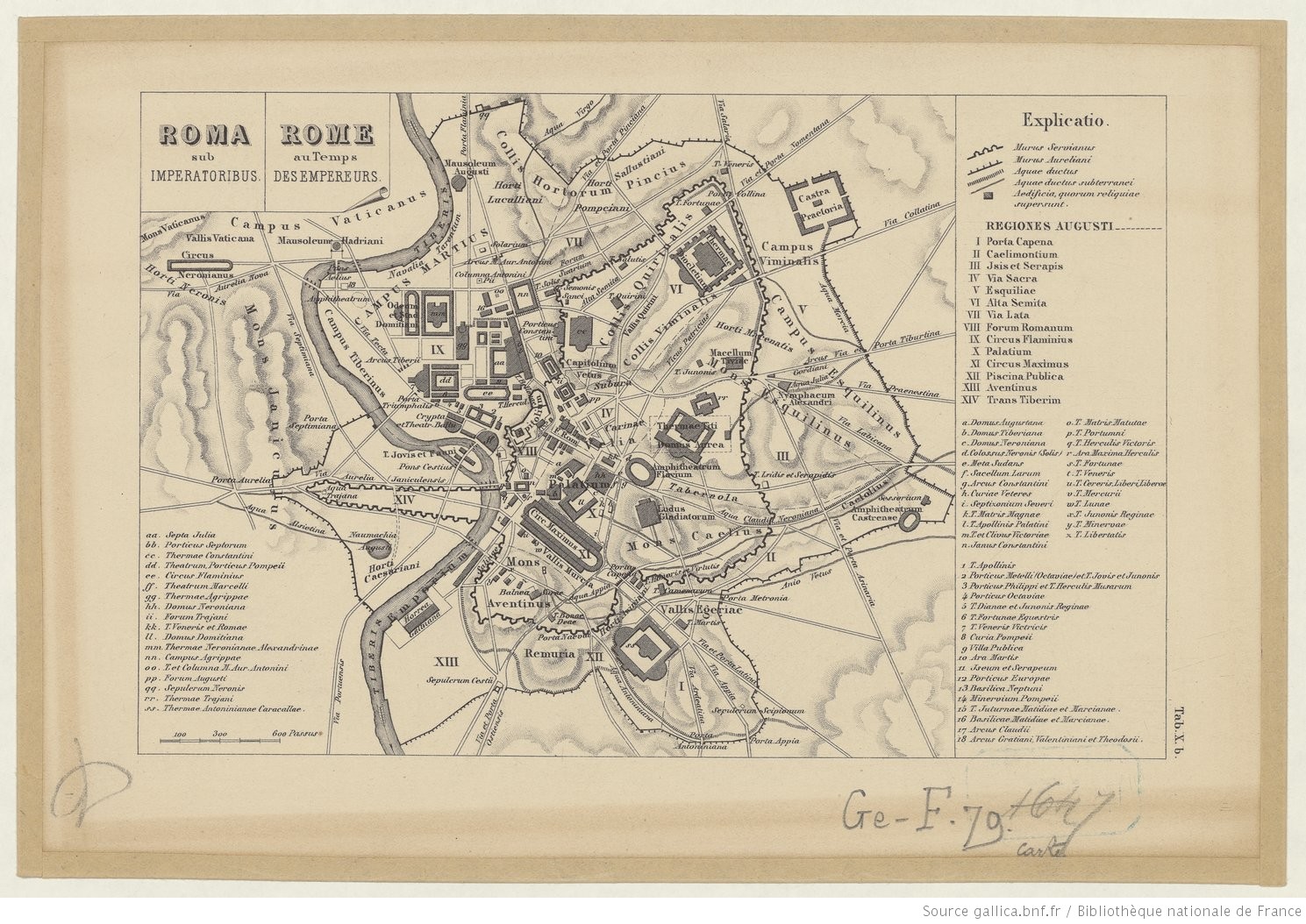
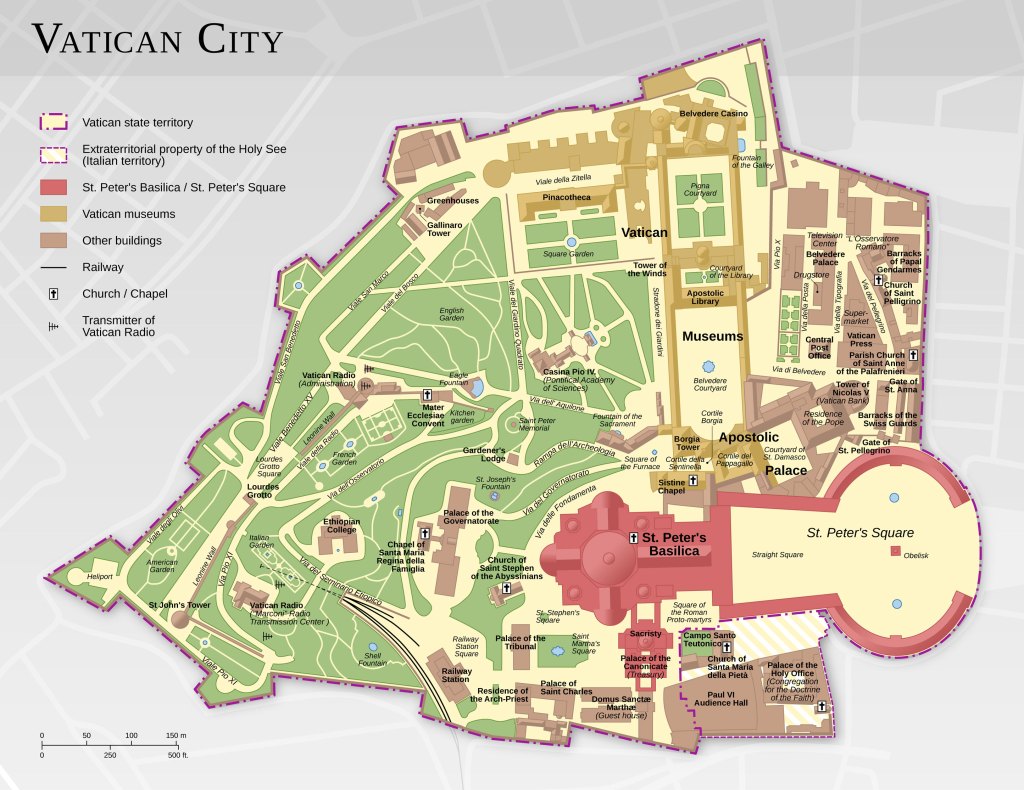

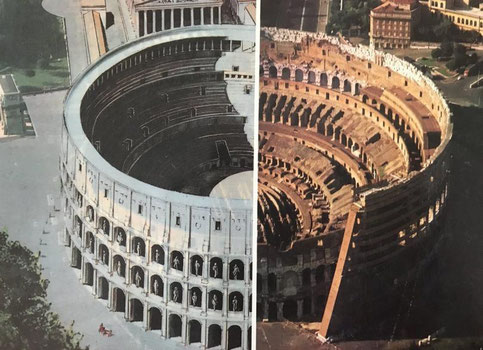

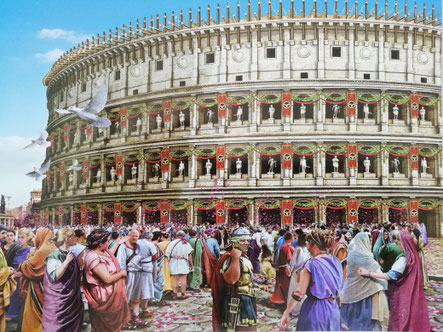
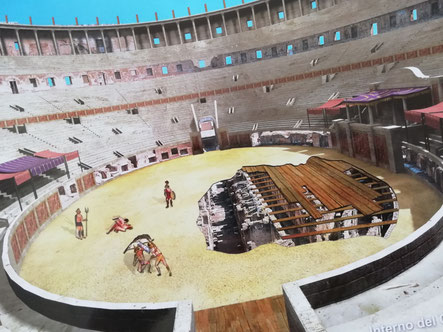
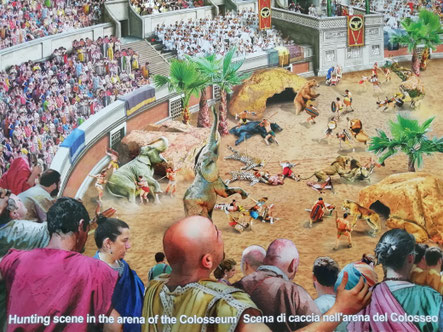
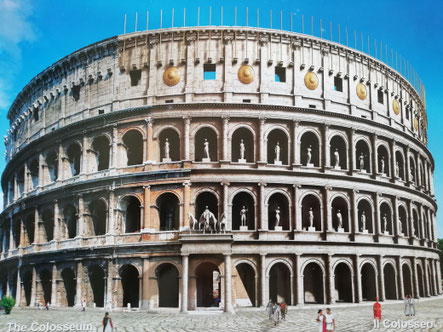
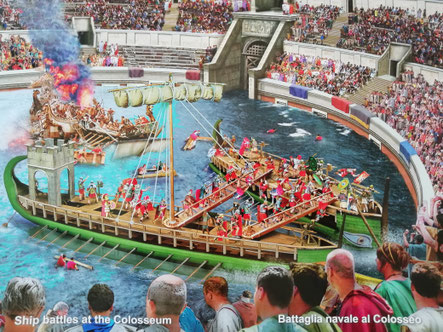
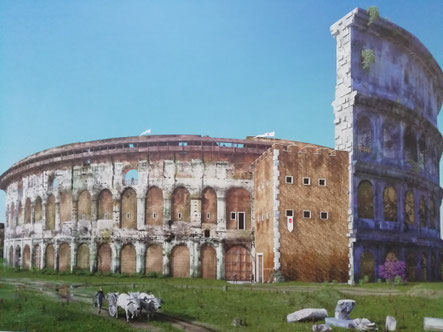

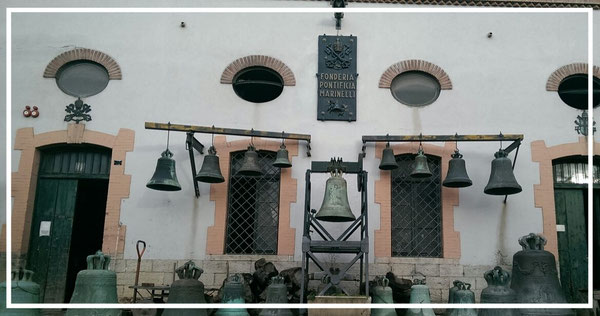
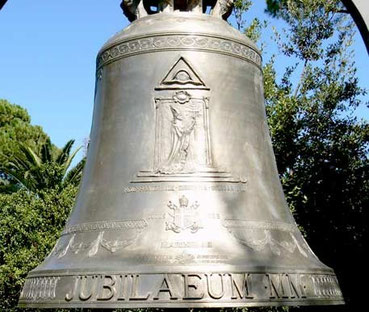
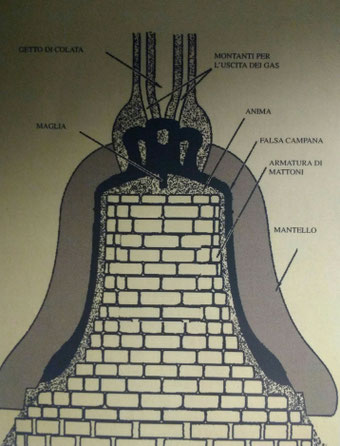
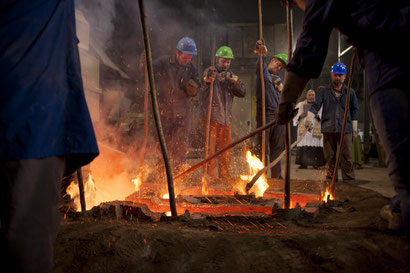
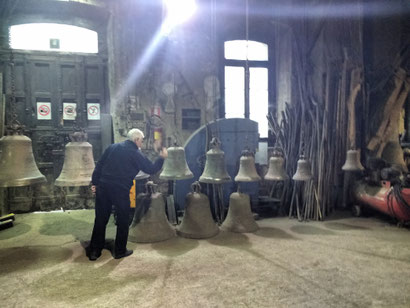

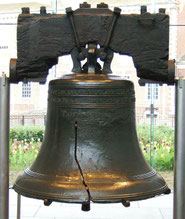
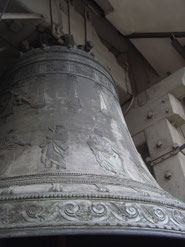
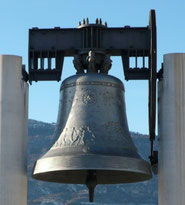
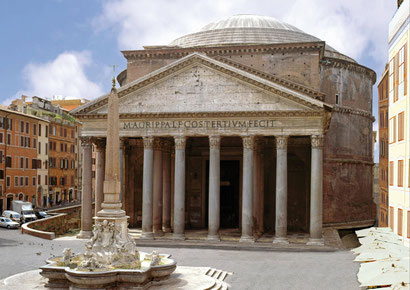
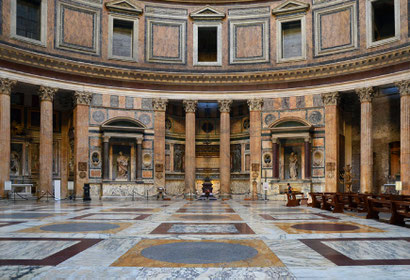
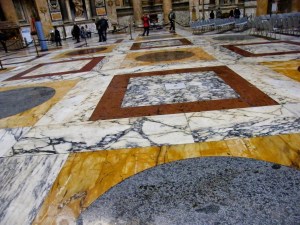

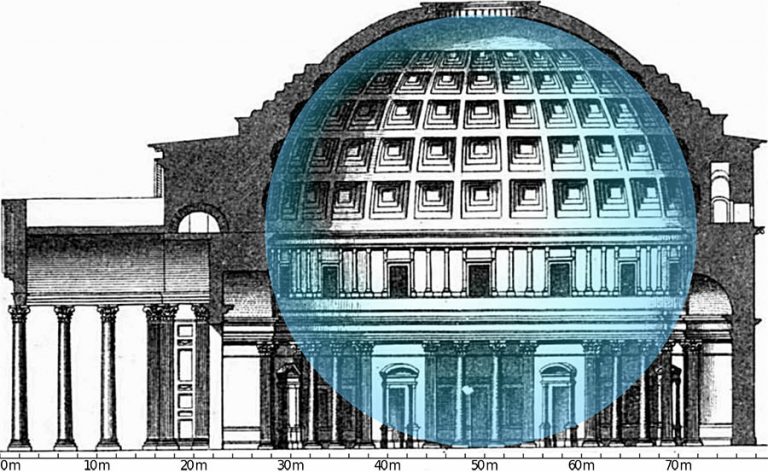







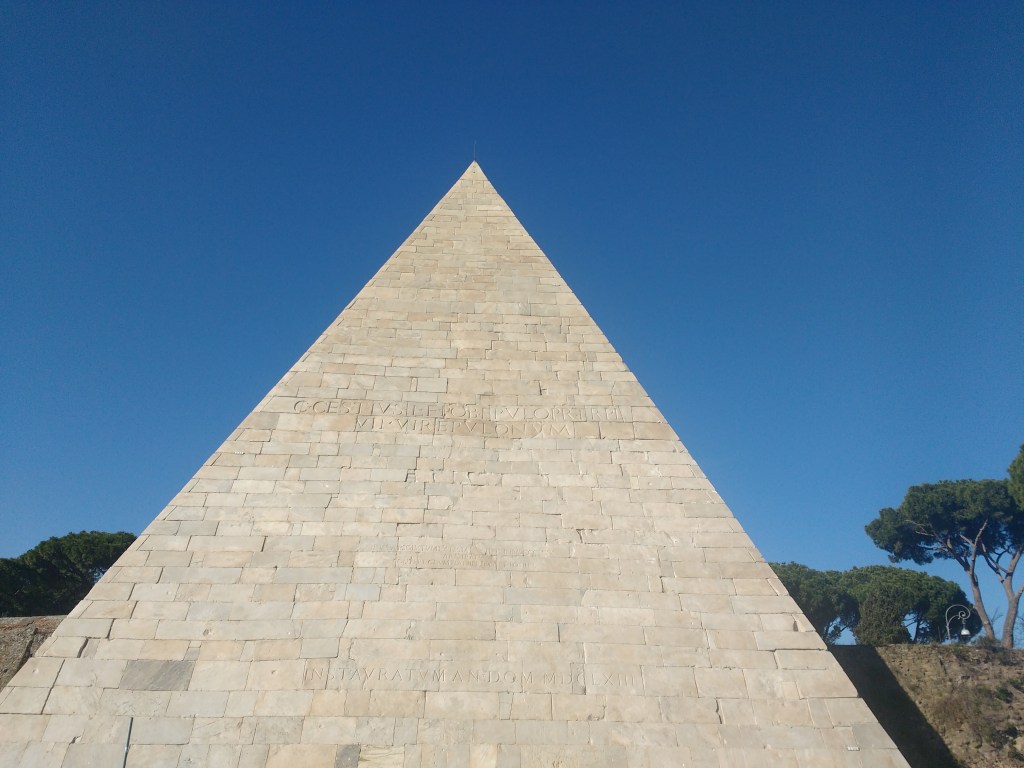



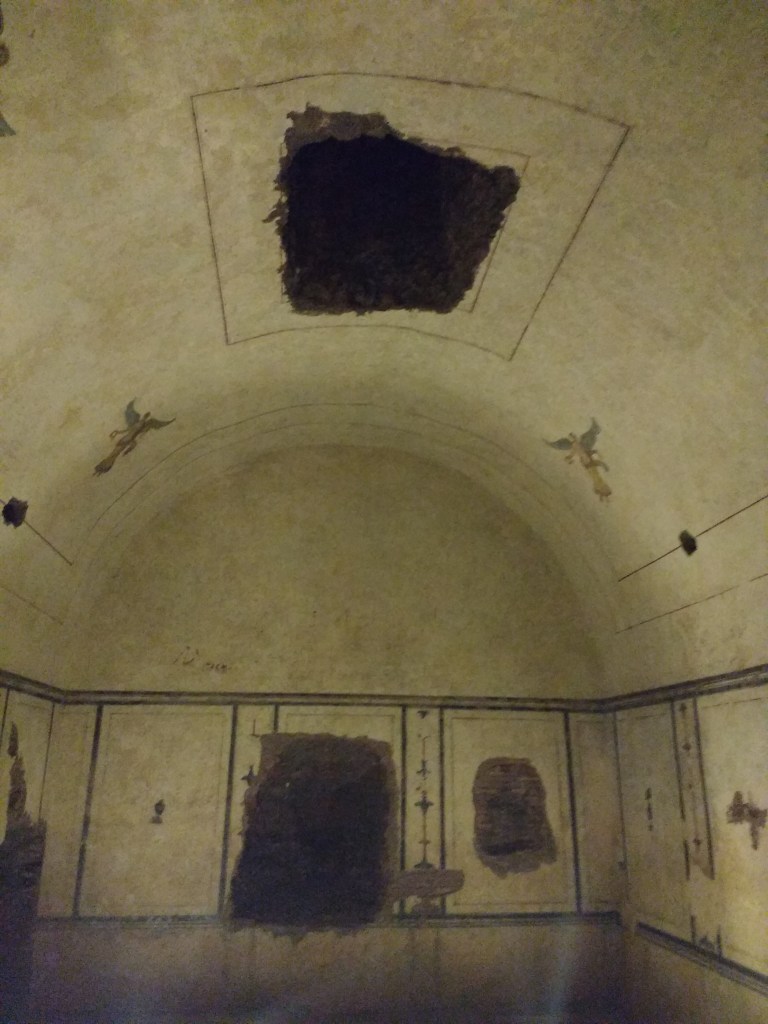


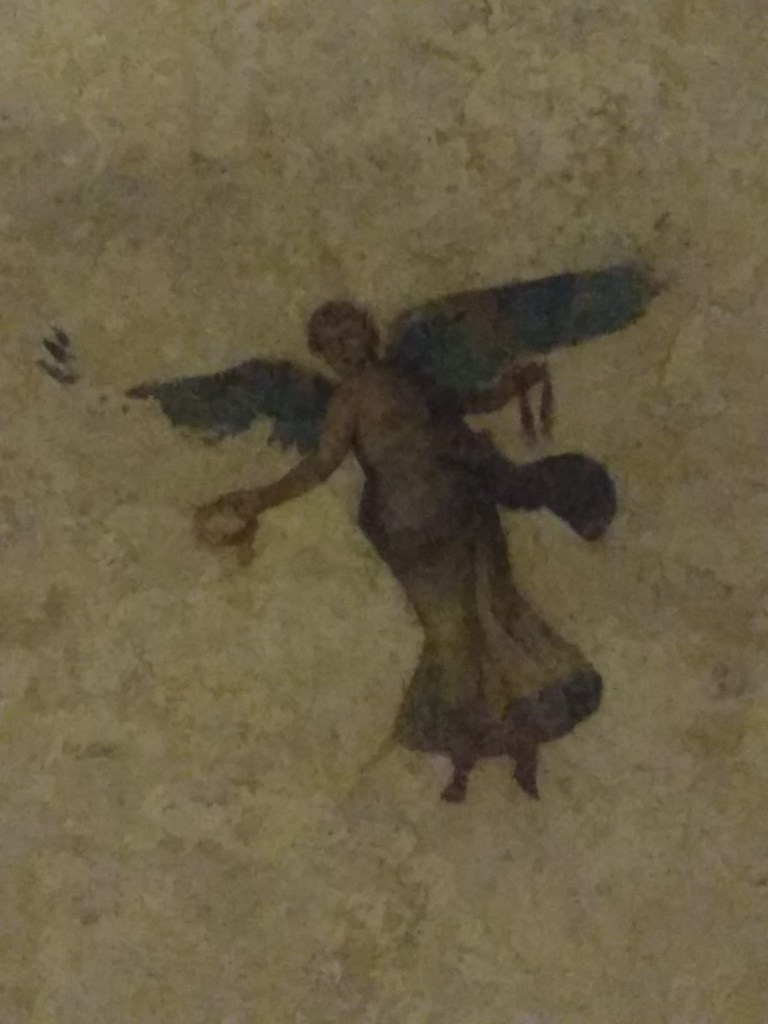

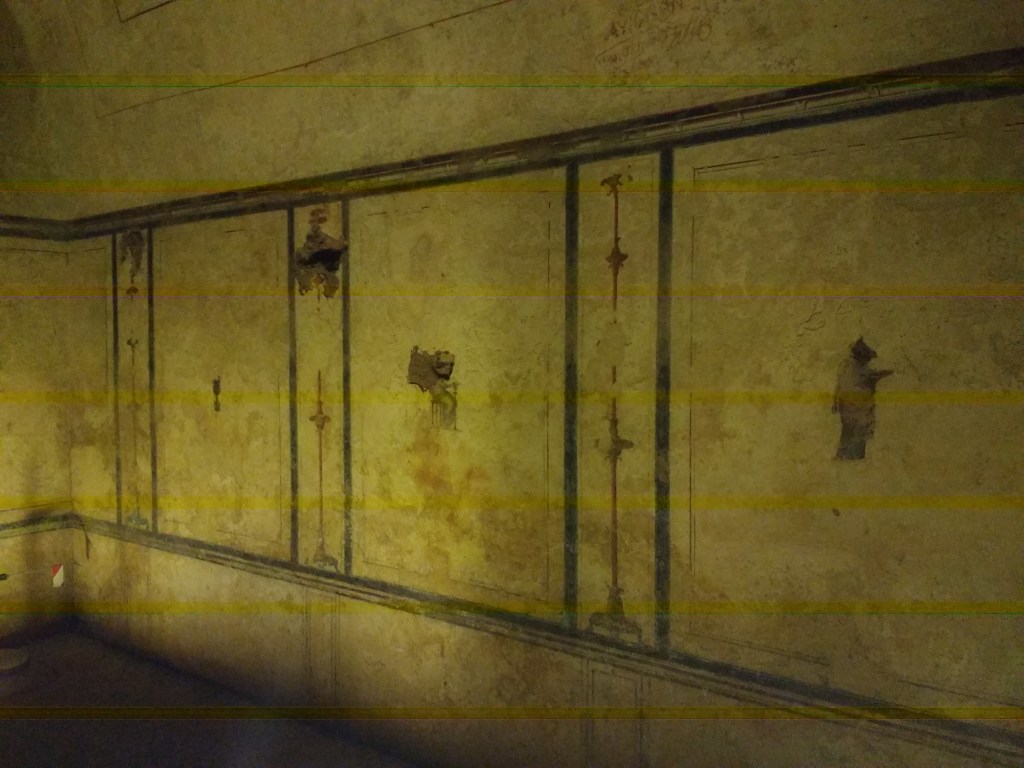

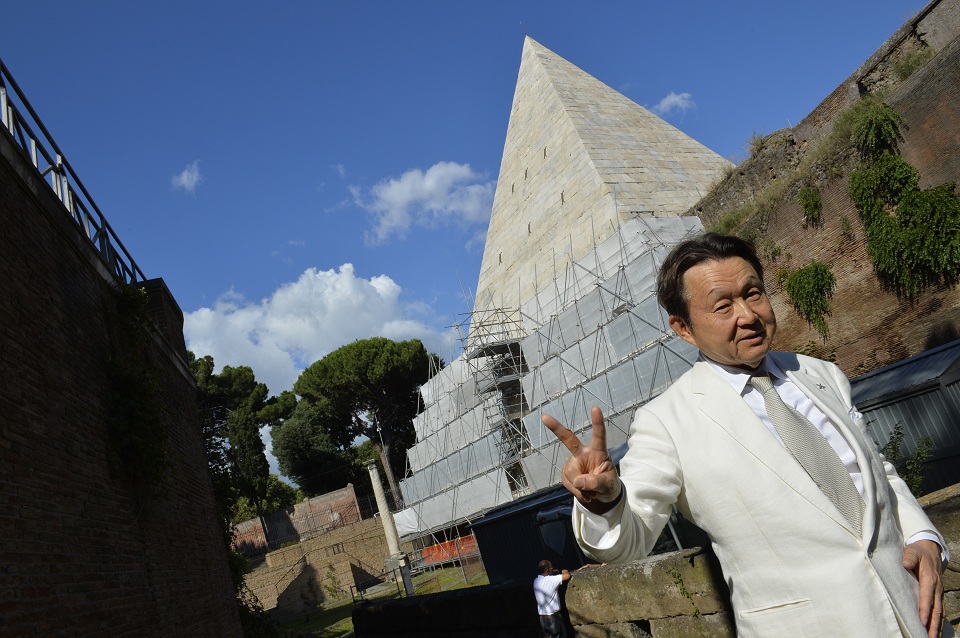

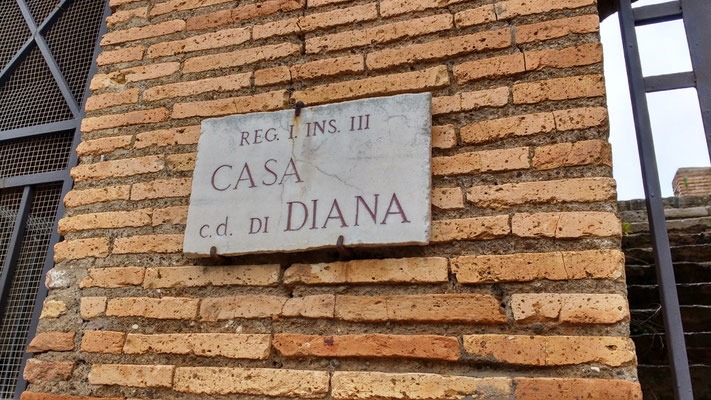
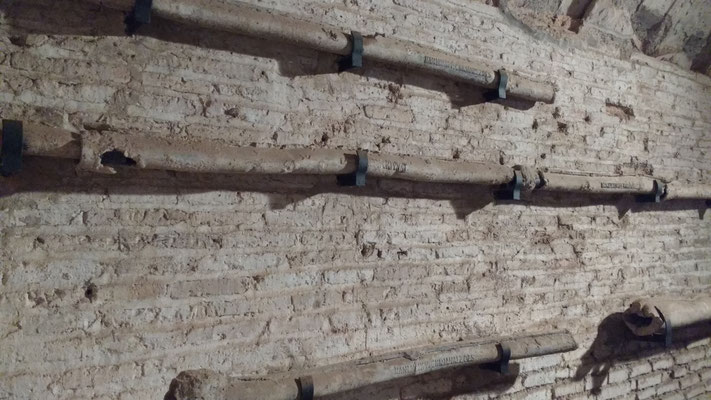
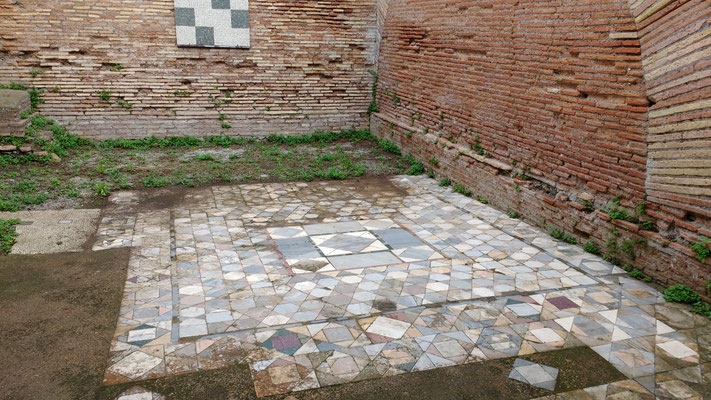
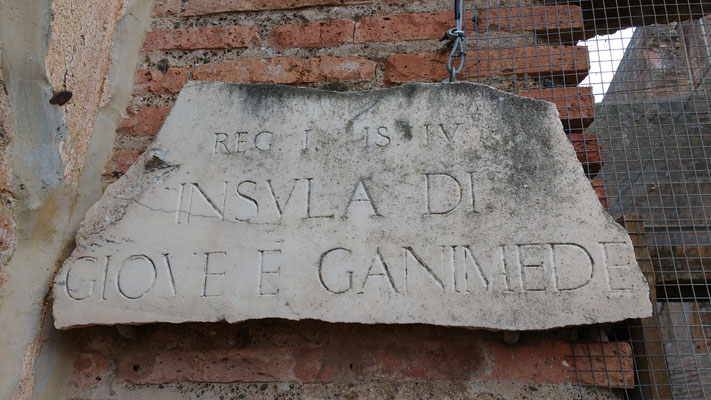
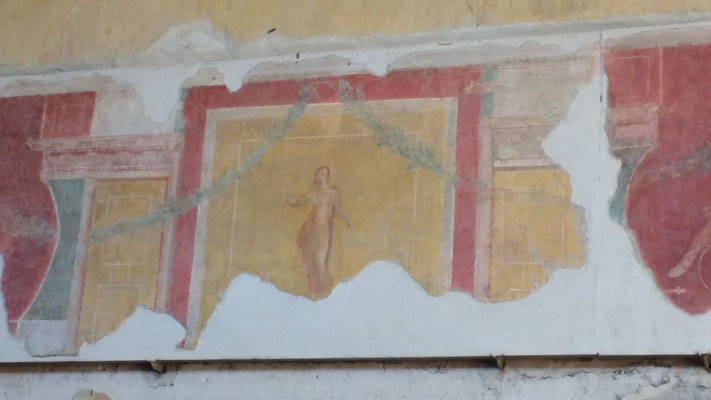
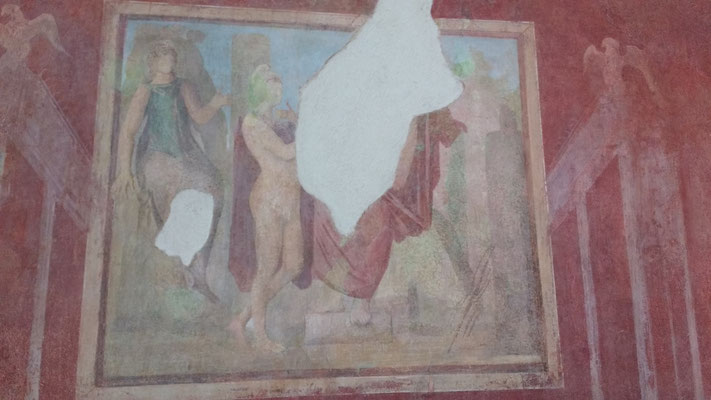
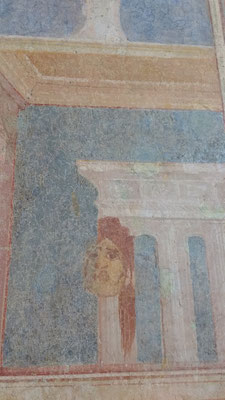
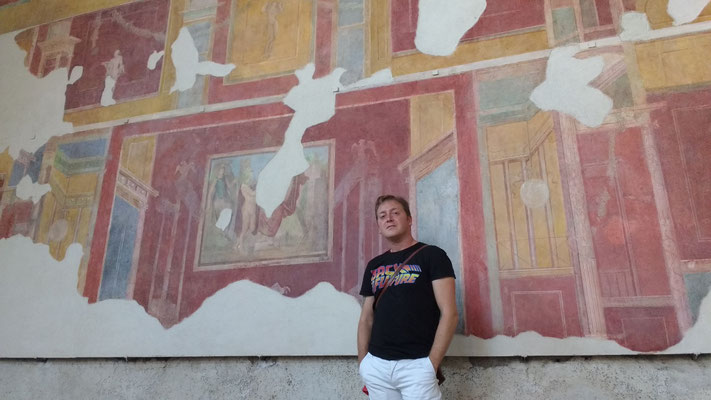
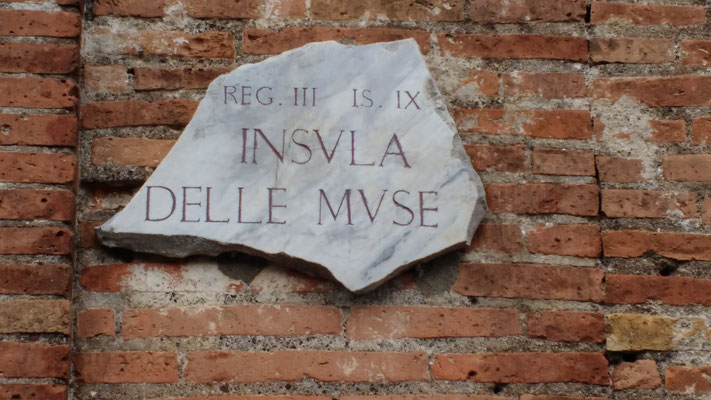
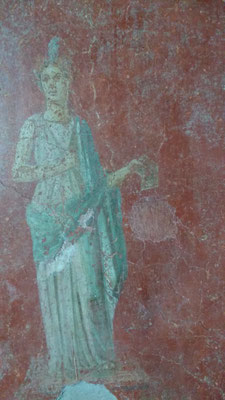
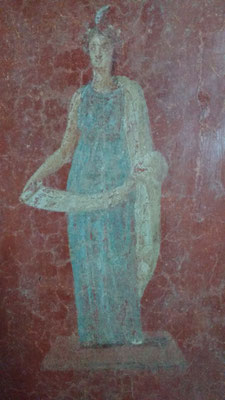

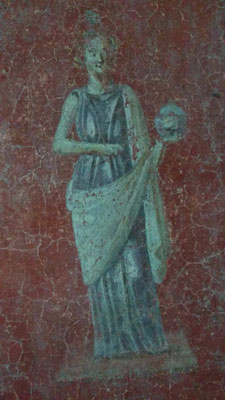
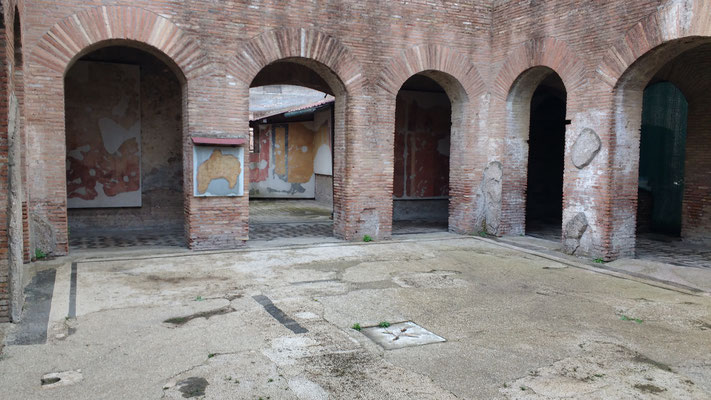
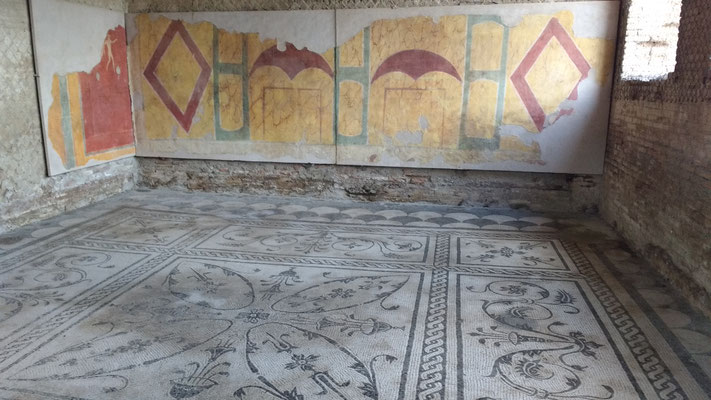
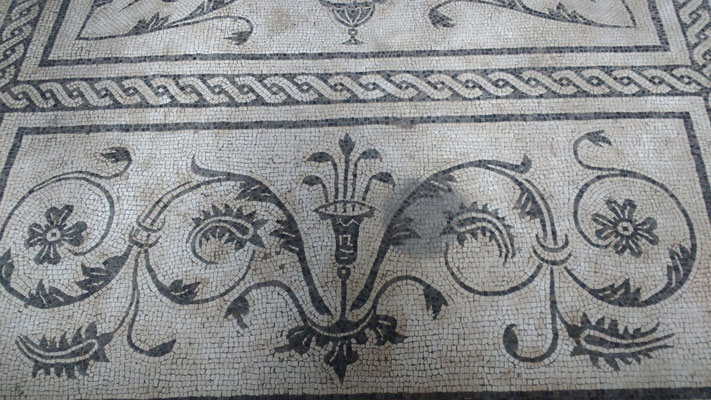
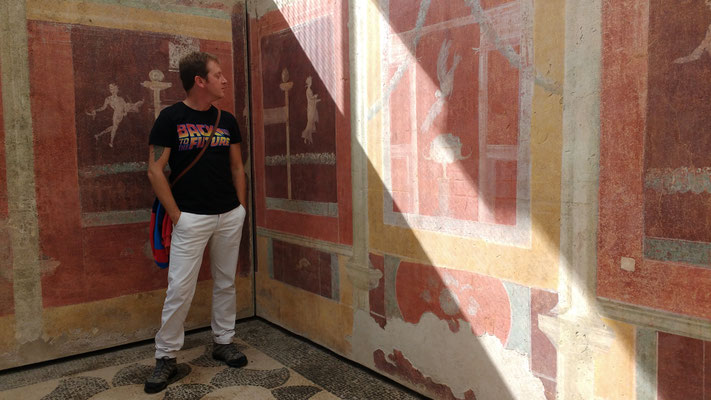
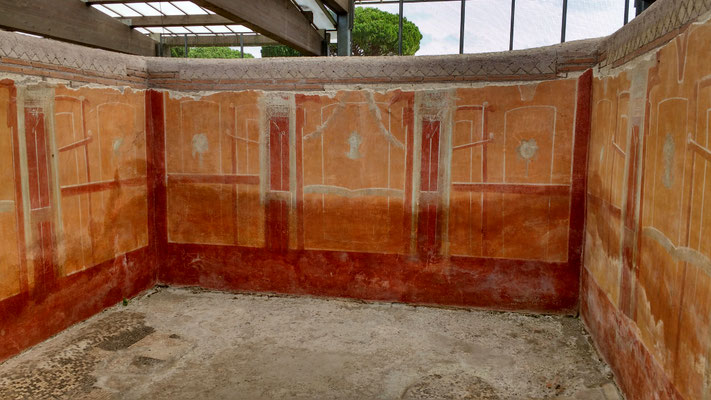
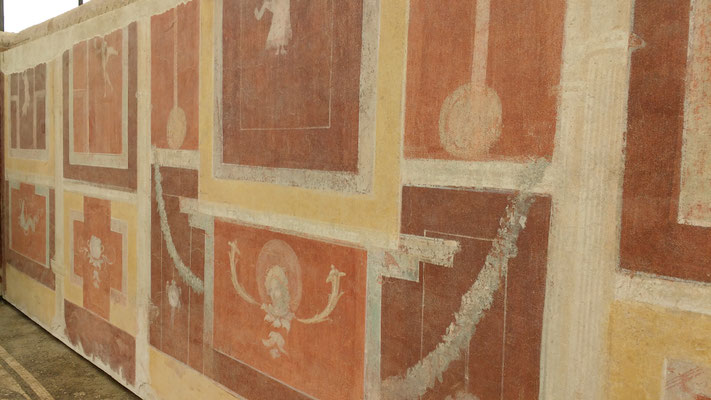
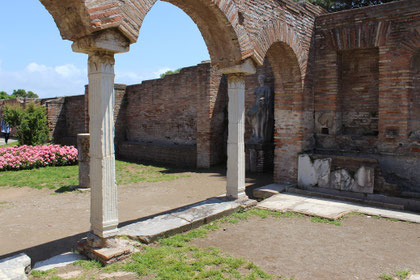
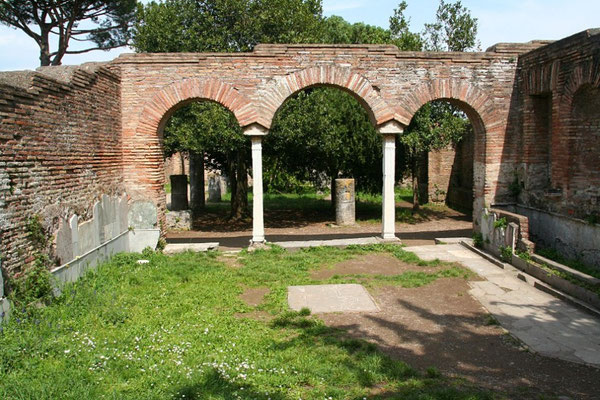
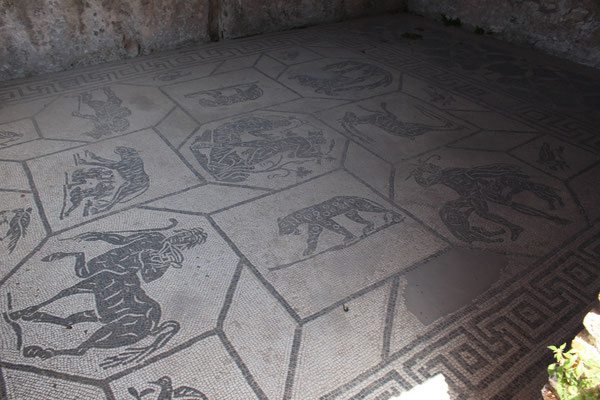
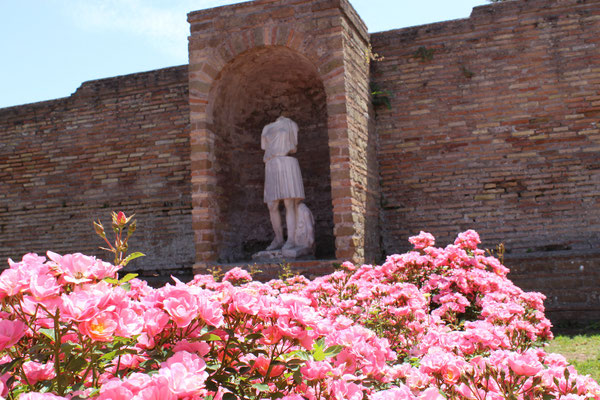
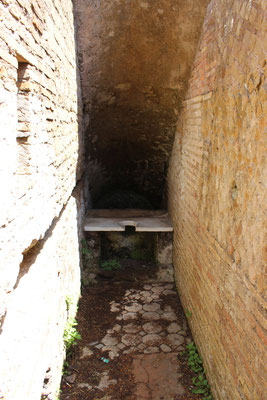

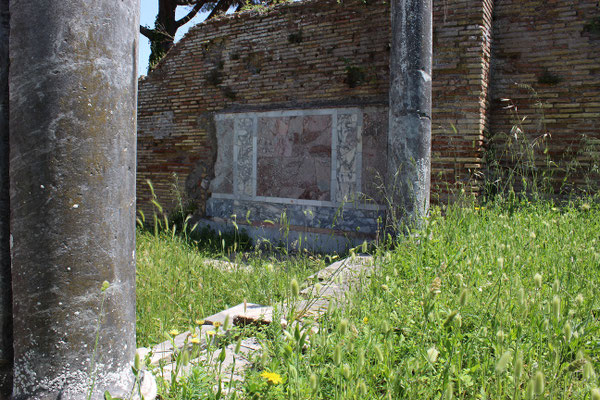
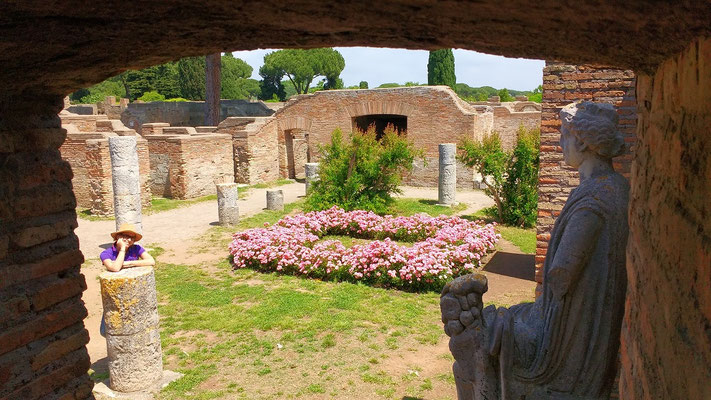
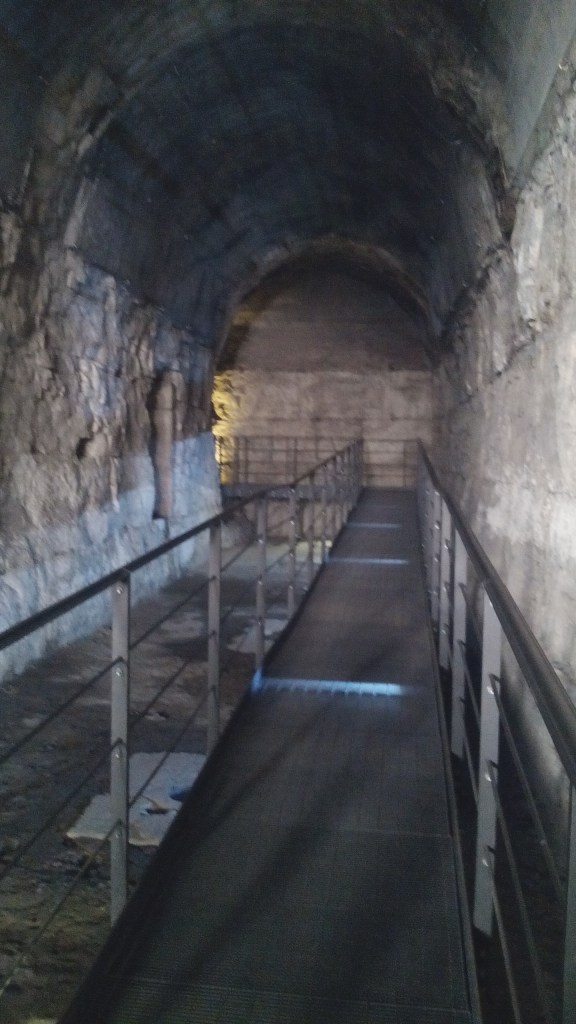
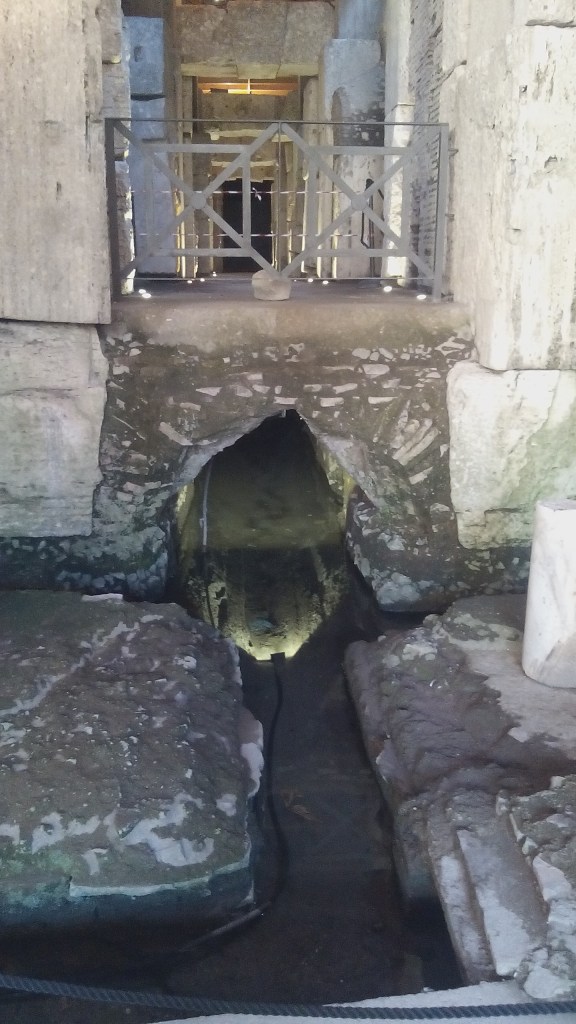
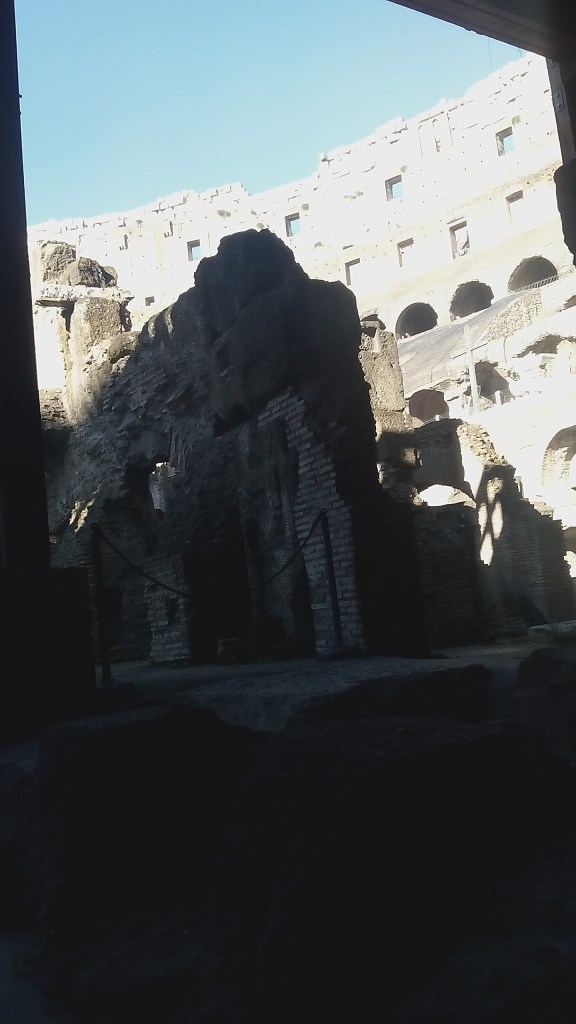
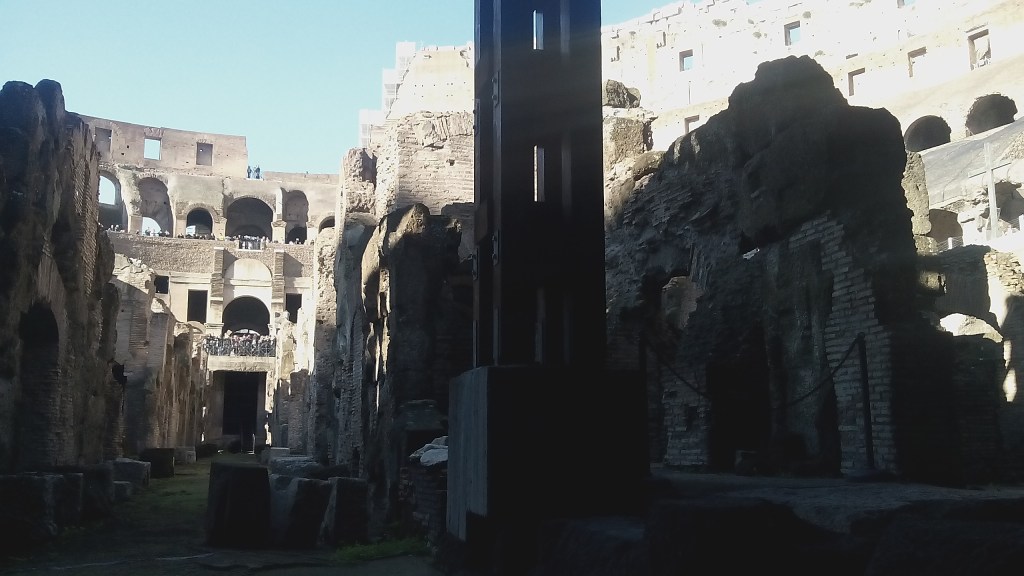
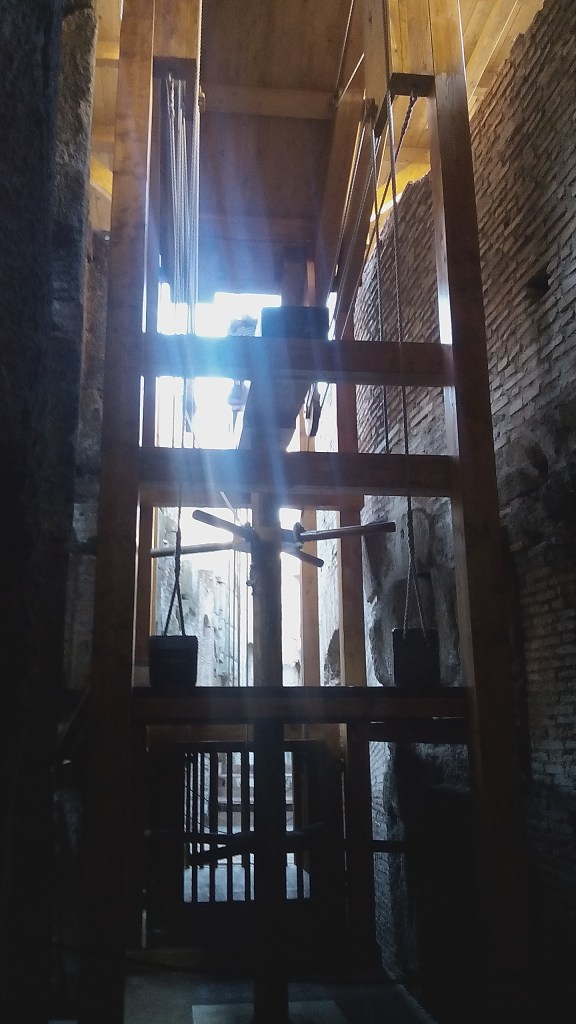
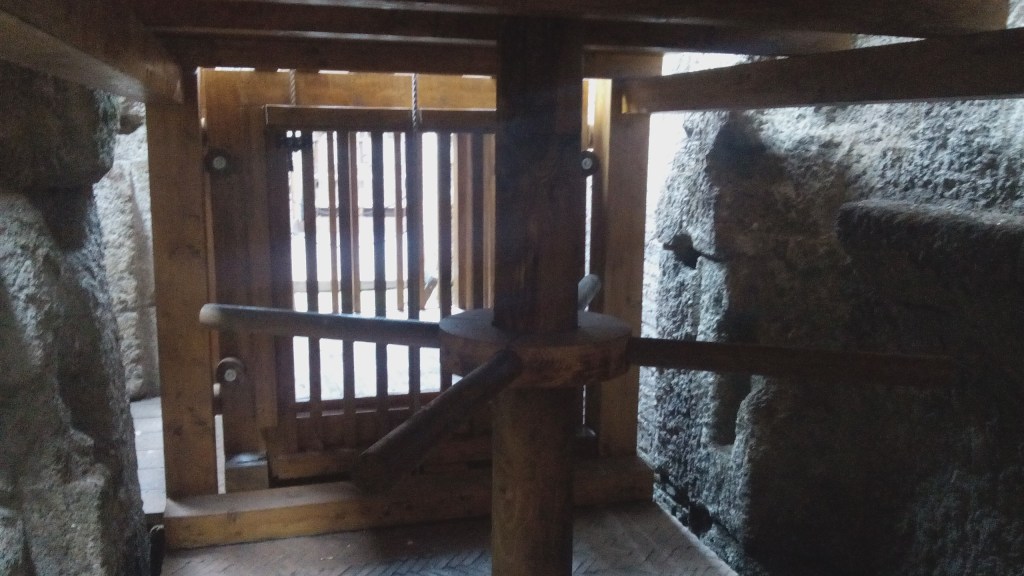
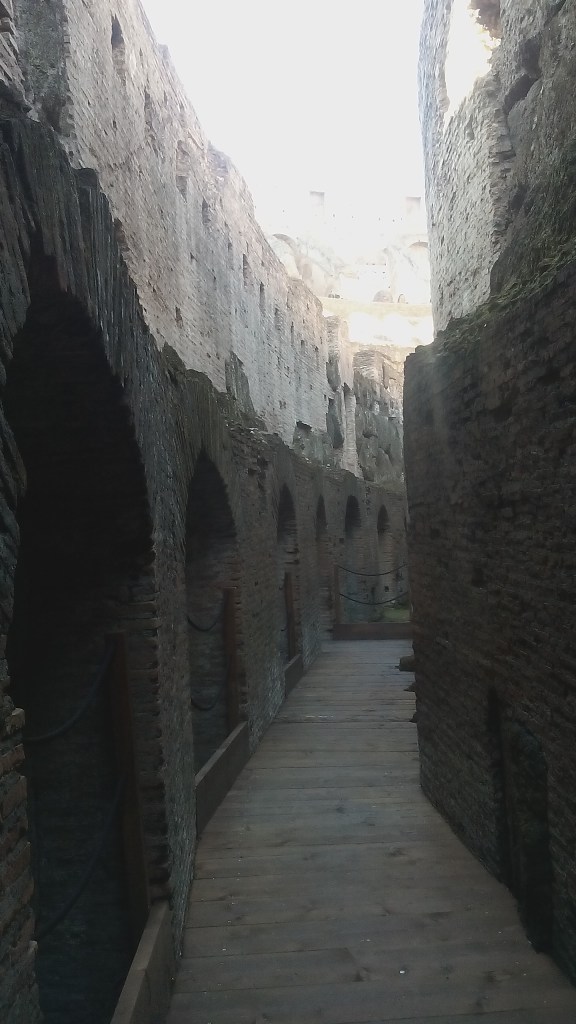
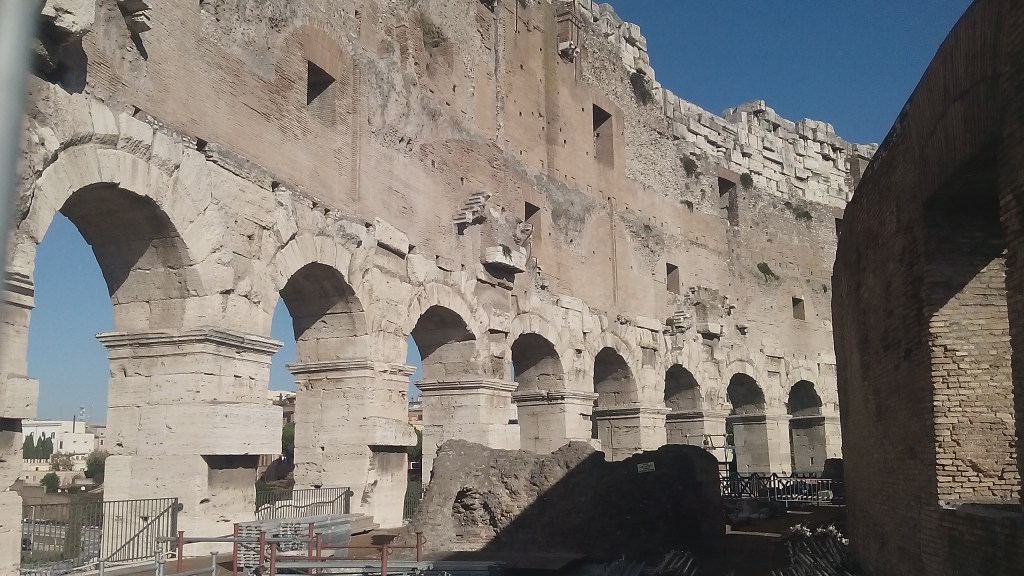
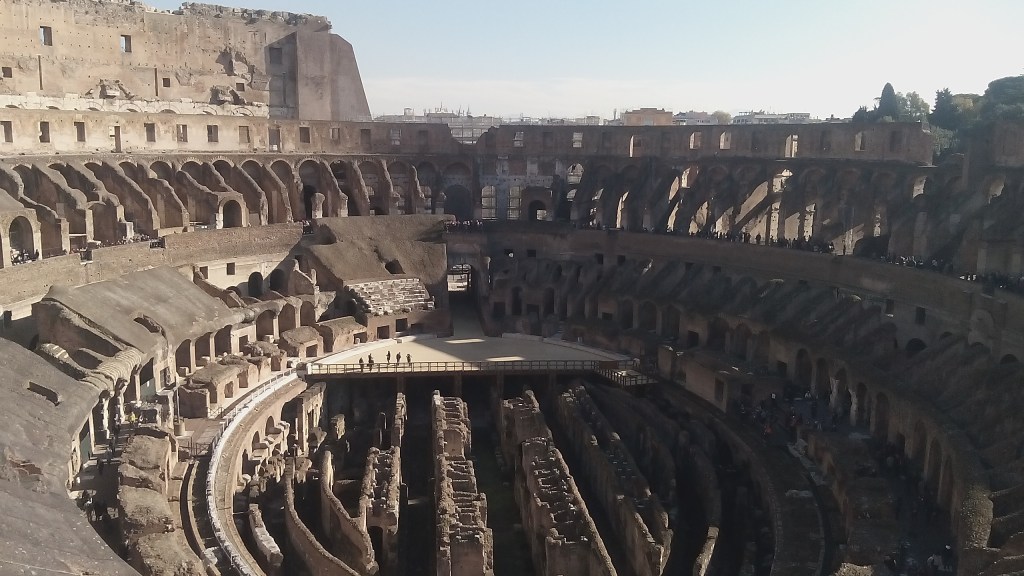
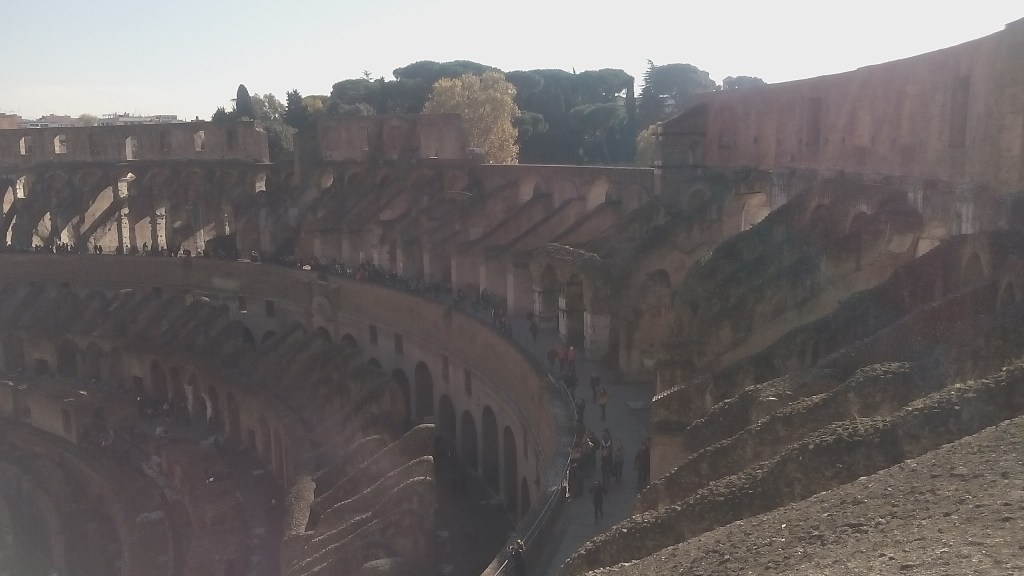
 Maurizio Rome Guide